Skip to content
Part 1: Market Size and Growth
Bulgaria has developed a stable glass manufacturing industry that plays an important role in the country’s packaging sector. The industry supports beverage producers, food processors, pharmaceutical companies, and cosmetic brands. Glass bottles remain a trusted packaging solution because they protect product quality and help brands present a premium image. Many Bulgarian producers rely on glass containers to preserve taste, aroma, and product safety.
The country’s glass industry benefits from its strategic location in Eastern Europe. Bulgaria sits between European Union markets, the Balkans, and the Middle East. This location allows manufacturers to supply both domestic companies and international customers. Many glass bottle factories export containers to neighboring countries and broader European markets.

The beverage sector represents the largest source of demand for glass bottles in Bulgaria. Wine, beer, mineral water, and spirits producers all require reliable bottle supplies for packaging and distribution. Glass bottles help maintain the quality of beverages while also providing an attractive appearance on store shelves.
The food industry also uses large quantities of glass containers. Products such as sauces, jams, pickles, honey, and oils are commonly packaged in glass jars and bottles. These containers allow consumers to see the product clearly while maintaining freshness and hygiene.
Key Demand Drivers
Several industries continue to support steady demand for glass bottles in Bulgaria. Beverage production remains the most significant contributor to glass container consumption. At the same time, food processing and cosmetics industries provide additional growth opportunities.
| Demand Driver | Impact on Glass Bottle Industry |
|---|---|
| Wine and spirits production | High demand for wine bottles |
| Beer and beverage sector | Need for durable glass containers |
| Food processing industry | Glass jars for sauces and preserves |
| Cosmetics and perfumes | Premium packaging demand |
Bulgaria’s wine industry plays a particularly important role. The country has a long tradition of wine production, and many wineries rely on glass bottles to package their products. Wine bottles require strong glass quality and consistent shape to ensure compatibility with bottling equipment.
Industrial Clusters and Production Infrastructure
Glass bottle manufacturing in Bulgaria is concentrated in several industrial regions. These areas provide access to transportation networks, skilled labor, and raw materials necessary for glass production.
The manufacturing process begins with raw materials such as silica sand, soda ash, and limestone. These materials are melted in high-temperature furnaces to produce molten glass. The molten glass is then shaped into bottles using automated forming machines.
Modern Bulgarian factories use advanced equipment for bottle production. Automated inspection systems check each bottle for defects such as cracks or irregular thickness. These systems help maintain consistent quality and reduce waste during manufacturing.
Sustainability and Recycling Practices
Environmental awareness is increasing across the European Union, including Bulgaria. Glass packaging aligns well with sustainability goals because it can be recycled repeatedly without losing quality.
Many municipalities operate recycling programs that collect glass containers from households and businesses. Collected glass is processed into cullet, which manufacturers reuse in production.
Using recycled glass offers several advantages. Cullet melts at lower temperatures than raw materials, which reduces energy consumption. Lower energy use helps manufacturers reduce production costs and environmental impact.
Some beverage companies also operate returnable bottle systems. Consumers return empty bottles to retailers, and manufacturers clean and refill them. This approach extends the life cycle of each bottle and reduces packaging waste.
Export Markets and International Trade
Bulgaria’s glass bottle manufacturers actively participate in international trade. Many factories export containers to countries across Europe and the Middle East.
Export markets are important because they help manufacturers maintain large production volumes. Beverage brands in other countries often source glass bottles from Bulgaria due to competitive pricing and reliable quality.
Trade agreements within the European Union also support the industry. These agreements simplify cross-border trade and reduce tariffs for packaging materials and industrial goods.
Despite competition from plastic and aluminum packaging, glass bottles remain widely used in Bulgaria. The combination of strong beverage production, efficient recycling systems, and export opportunities continues to support industry growth.
Part 2: Leading Companies
Drujba Glassworks
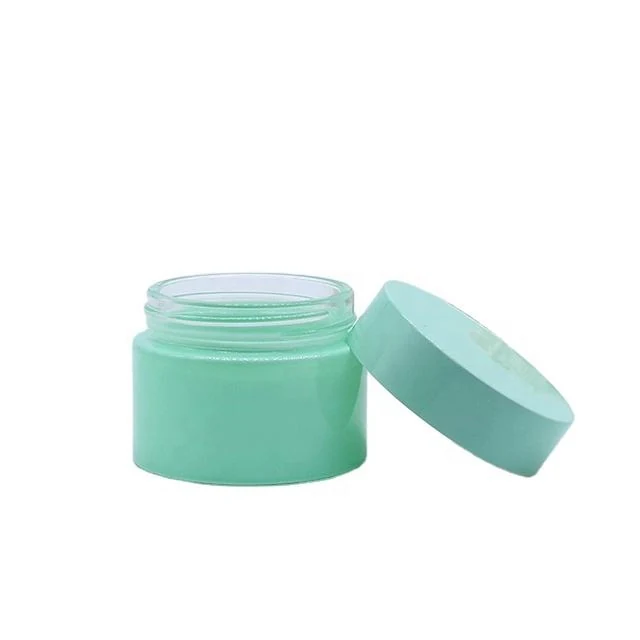
Drujba Glassworks is one of the most well-known glass container manufacturers in Bulgaria. The company was established in the mid-twentieth century and has become a key supplier of glass packaging across Eastern Europe.
The company produces a wide range of glass bottles and jars used for beverages and food products. Wine bottles, beer bottles, and jars for sauces and preserves are among its primary products. Many beverage producers rely on the company for consistent bottle supply.
Drujba Glassworks operates modern manufacturing facilities equipped with automated production lines. These systems help maintain high output while ensuring uniform bottle quality.
Sustainability initiatives are also part of the company’s operations. The company uses recycled glass materials and works to improve furnace efficiency. These efforts reduce environmental impact and align with European environmental standards.
Rubicon Glass
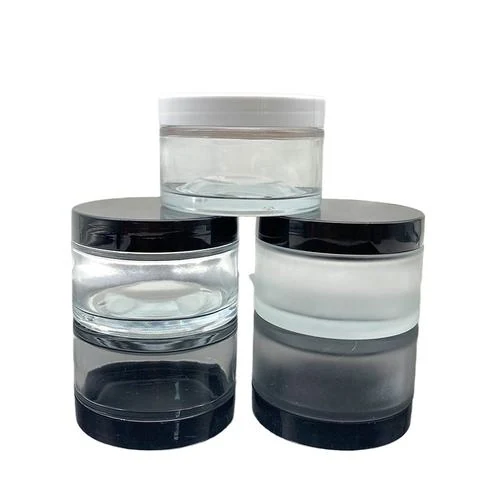
Rubicon Glass is another important glass packaging manufacturer operating in Bulgaria. The company focuses on producing glass containers for the beverage and food industries.
Its product range includes bottles for wine, spirits, and mineral water. The company also produces jars used for food products such as honey, sauces, and preserved vegetables.
Rubicon Glass emphasizes product quality and customer collaboration. The company works closely with beverage brands to design bottles that meet both functional and marketing requirements.
Innovation plays a role in the company’s development strategy. Engineers continue to improve bottle design and production efficiency while reducing raw material usage.
Trakia Glass Packaging

Trakia Glass Packaging supplies glass containers for multiple industries in Bulgaria and surrounding markets. The company focuses on beverage bottles and specialty glass packaging.
Its products are widely used by wine producers, breweries, and food manufacturers. These industries require strong and reliable bottles that can withstand transportation and storage conditions.
The company offers packaging consultation services to help customers select appropriate bottle designs and sizes. These services support product development for both domestic and export markets.
Quality assurance is central to Trakia Glass Packaging’s operations. Inspection systems monitor bottle thickness, weight, and shape to ensure consistency across large production volumes.
| Company | Founded | Core Products | Industries | Certifications |
|---|---|---|---|---|
| Drujba Glassworks | 20th century | Wine bottles, beer bottles, jars | Beverage, food | EU environmental and quality standards |
| Rubicon Glass | 20th century | Beverage bottles and food jars | Wine, spirits, food | Packaging quality certifications |
| Trakia Glass Packaging | 20th century | Glass bottles and specialty containers | Beverage, food | Manufacturing safety standards |
Part 3: Trade Shows and Industry Events
Interfood & Drink Exhibition
Interfood & Drink is one of the major trade exhibitions for the food and beverage sector in Bulgaria. Packaging suppliers often attend because food producers require reliable containers for their products.
The exhibition usually takes place in Sofia and attracts manufacturers, distributors, and retailers from across the region. Beverage producers, wineries, and food companies explore packaging solutions during the event.
Glass bottle manufacturers use the exhibition to present new container designs and packaging technologies. The event also helps companies build partnerships with regional food producers.
Drink Technology Expo
Drink Technology Expo focuses on beverage production equipment and packaging solutions. The exhibition connects beverage manufacturers with packaging suppliers and technology providers.

The event typically attracts breweries, wineries, and beverage producers from Eastern Europe. Glass bottle manufacturers participate to showcase containers designed for beverages.
Visitors often explore bottle design trends, lightweight glass technology, and automated bottling systems. Events like this help manufacturers stay updated on industry developments.
| Event | Date | Location | Highlights |
|---|---|---|---|
| Interfood & Drink | Annual | Sofia, Bulgaria | Food industry and packaging innovation |
| Drink Technology Expo | Annual | Sofia, Bulgaria | Beverage production and packaging technology |
Part 4: Impact of Global Trade Policies
Global trade policies play a significant role in shaping Bulgaria’s glass bottle manufacturing industry. Because the country exports a large portion of its glass containers, international trade regulations can influence demand and pricing.
Membership in the European Union provides advantages for Bulgarian manufacturers. EU trade agreements allow companies to export products across member countries with fewer barriers. This access to a large market supports the growth of glass bottle production.
Energy prices also influence the industry. Glass furnaces operate at extremely high temperatures and consume significant energy. Changes in energy policy or fuel prices can therefore affect production costs.
Environmental regulations are another important factor. The European Union encourages recyclable packaging materials and lower carbon emissions. Glass bottles fit well within these policies because they are fully recyclable.
Global competition also affects the industry. Manufacturers from other European countries and Asia supply glass containers to international markets. Bulgarian companies must therefore maintain competitive pricing while ensuring high product quality.
Despite these challenges, Bulgaria’s glass bottle industry continues to grow through exports and technological improvements. Investments in modern manufacturing equipment and sustainable production practices help companies remain competitive.
Part 5: Conclusion
The glass bottle manufacturing industry in Bulgaria plays a vital role in supporting the country’s beverage, food, and cosmetics sectors. The combination of experienced manufacturers, modern production facilities, and strong export networks helps maintain steady industry growth. Glass containers continue to provide durability, product protection, and premium presentation for many Bulgarian products.
Looking ahead, sustainability and technological innovation will shape the future of the industry. Manufacturers must adapt to environmental regulations, energy costs, and global competition. Companies that invest in efficient production systems and recyclable materials will remain well positioned in the international glass packaging market.