Skip to content
Part 1: Market Size and Growth
Cameroon has one of the most active beverage markets in Central Africa. Beer, soft drinks, and bottled sauces are widely consumed across cities and rural areas. These industries rely heavily on glass packaging for product safety and brand recognition. Glass bottles remain important because they protect product quality and support refill systems used by beverage companies.
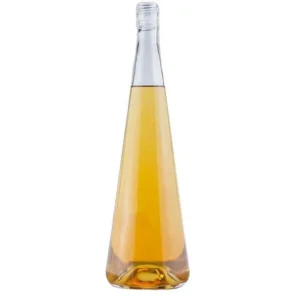
The beverage sector drives most of the demand for glass bottles in Cameroon. Large breweries and soda producers require millions of bottles each year. Spirits, wine imports, and local herbal drinks also use glass containers for packaging. As urban populations grow and retail networks expand, the need for reliable bottle supply continues to increase.
Government policies also influence the industry’s development. Cameroon has promoted local manufacturing as part of its industrial growth strategy. Investments in infrastructure, port logistics, and regional trade partnerships support packaging supply chains. These policies help manufacturers serve both domestic markets and nearby Central African countries.
Industry Demand Drivers
Several industries contribute to the demand for glass bottles in Cameroon. Breweries represent the largest consumers of glass containers. Many beer brands operate returnable bottle systems where bottles are collected, washed, and reused.
Food processing companies also use glass containers for sauces, oils, and condiments. Glass helps preserve taste and extends shelf life for many products. Consumers often trust glass packaging more than plastic for food storage.
Another important demand driver is the growing spirits and beverage market. Imported wines and spirits use glass bottles as standard packaging. Local craft beverages and herbal drink producers also prefer glass for branding and product safety.
| Segment | Key Drivers | Typical Products |
|---|---|---|
| Breweries | High beer consumption | Beer bottles |
| Beverage Industry | Soft drinks and juices | Soda bottles |
| Food Processing | Sauces and condiments | Glass jars |
| Spirits Market | Premium packaging demand | Liquor bottles |
Regional Distribution Networks
Cameroon serves as an important logistics hub for Central Africa. Its ports and highways connect neighboring markets such as Chad, Central African Republic, and Gabon. These connections allow packaging materials to move across borders efficiently.
Glass bottles are often transported in bulk through regional supply chains. Beverage companies coordinate closely with packaging suppliers to ensure stable inventory levels. Production planning requires reliable delivery schedules because bottling lines cannot stop during peak demand.
Distribution networks also include recycling and bottle return programs. Many breweries collect empty bottles through distributors and retailers. This system lowers packaging costs and reduces environmental impact.
Regional trade cooperation also encourages packaging supply partnerships. A manufacturer in Cameroon may supply bottles to beverage companies in several nearby countries. This network strengthens the regional packaging industry and supports consistent production.
Market Growth Outlook
The long-term outlook for glass bottle demand in Cameroon remains positive. Population growth and urbanization increase consumption of packaged products. Restaurants, hotels, and retail stores continue to expand across major cities.
Small beverage brands also contribute to growth. Local juice producers, craft beer companies, and specialty drink brands require distinctive glass packaging. These companies often look for bottle designs that help differentiate their products.
Sustainability trends also influence packaging decisions. Governments and companies across Africa increasingly support recyclable materials. Glass bottles fit well within these environmental goals because they can be reused or recycled repeatedly.
Part 2: Leading Companies
SOCAVER (Société Camerounaise de Verrerie)

SOCAVER is one of the most recognized glass container manufacturers in Cameroon. The company operates large-scale glass production facilities that focus primarily on beverage bottles. Its production lines supply breweries, soft drink companies, and food manufacturers across the country.
The company produces a wide range of glass bottles designed for beer, soda, and spirits packaging. Automated forming machines and furnace systems allow the factory to manufacture high volumes of bottles each day. These capabilities support the packaging needs of major beverage brands operating in Cameroon.
SOCAVER mainly serves breweries, beverage bottlers, and food processing companies. Many large beverage companies rely on the factory’s bottles for daily production. Consistency and durability remain important because returnable bottle systems require strong containers that can survive repeated washing cycles.
Technological improvements remain an important focus for the company. Engineers work to improve furnace efficiency and production automation. These investments help maintain stable production and reduce energy consumption.
The company has also earned recognition within Cameroon’s manufacturing sector. Industry organizations often highlight its role in supporting local beverage production. Its large production capacity makes it a key supplier within Central Africa’s packaging network.
Source du Pays Glass Packaging

Source du Pays is widely known as a beverage producer in Cameroon, particularly for bottled water and soft drinks. The company also relies heavily on glass packaging supply and participates in packaging coordination across the beverage industry.
Its beverage operations require strong and consistent glass bottle designs. Bottles must withstand automated filling lines and transportation across the country. Packaging reliability is essential for maintaining production efficiency.
The company serves supermarkets, restaurants, and beverage distributors across Cameroon. Tourism and hospitality sectors also contribute to beverage demand. Hotels and restaurants frequently use glass bottles for premium beverage presentation.
Packaging innovation remains an important part of brand development. The company works with packaging suppliers to refine bottle shape, label placement, and design details. These features help strengthen brand identity in competitive beverage markets.
Source du Pays has gained recognition for its growth in Cameroon’s beverage sector. Its distribution network reaches multiple regions of the country and continues to expand with increasing beverage demand.
Les Brasseries du Cameroun
Les Brasseries du Cameroun is one of the largest beverage companies operating in the country. The company produces several well-known beer and soft drink brands that require large volumes of glass bottles every year.
Its production facilities use advanced bottling lines capable of filling thousands of bottles per hour. These operations rely on durable glass containers that meet strict quality standards. Bottle consistency helps ensure efficient bottling and transportation.
The company serves supermarkets, bars, restaurants, and retail distributors throughout Cameroon. Beer consumption remains high across many regions, which creates continuous demand for glass packaging.
Returnable bottle systems form a major part of the company’s packaging strategy. Empty bottles return through distributors and are cleaned for reuse. This process reduces packaging costs and supports environmental sustainability.
Les Brasseries du Cameroun has received recognition for its strong market presence and large-scale production operations. Its beverage brands remain widely available throughout the country and across Central Africa.
| Company | Founded | Core Products | Industries | Certifications |
|---|---|---|---|---|
| SOCAVER | 1960s | Beer bottles, beverage bottles | Breweries, beverage sector | Industrial manufacturing standards |
| Source du Pays | 1990s | Bottled beverages and packaging | Beverage industry | Food safety compliance |
| Les Brasseries du Cameroun | 1948 | Beer bottles, soda bottles | Beverage and brewing | International beverage quality standards |
Part 3: Trade Shows and Industry Events
Promote Cameroon International Business Exhibition
Promote Cameroon is one of the largest trade fairs in Central Africa. Businesses from manufacturing, agriculture, and packaging sectors gather to showcase their products and technologies.
The exhibition usually takes place in Yaoundé and attracts both local companies and international investors. Packaging suppliers often participate to demonstrate glass bottle production capabilities and packaging solutions.
Industry discussions during the event focus on industrial development and export opportunities. Companies use the platform to build partnerships with distributors, manufacturers, and logistics providers.
Central Africa Industrial Expo
The Central Africa Industrial Expo focuses on manufacturing technologies and industrial cooperation across the region. Packaging manufacturers, machinery suppliers, and industrial investors attend the event.

The expo rotates among several Central African cities and encourages regional business collaboration. Participants often discuss packaging materials, production equipment, and logistics solutions.
Glass packaging companies showcase bottle designs, manufacturing equipment, and recycling programs. These presentations help beverage companies evaluate packaging options for their production lines.
| Event | Date | Location | Highlights |
|---|---|---|---|
| Promote Cameroon Exhibition | Biennial | Yaoundé | Industrial development and trade networking |
| Central Africa Industrial Expo | Annual | Rotating Central African cities | Manufacturing technology and packaging solutions |
Part 4: Impact of Global Trade Policies
Global trade policies strongly influence the glass bottle industry in Cameroon. Import duties, shipping costs, and regional trade agreements affect the supply of packaging materials. Many companies rely on both domestic production and imported glass bottles to maintain stable supply.

Regional trade agreements within Central Africa encourage cooperation between neighboring countries. These agreements help manufacturers distribute products across borders with fewer trade barriers.
Shipping logistics also play an important role in packaging supply. Glass bottles require careful transportation because they are fragile and heavy. Efficient port operations and reliable trucking networks help reduce delivery delays.
Supply Chain Risks
Several factors may influence the stability of glass bottle supply. Energy costs affect furnace operations because glass production requires continuous high temperatures. Interruptions in energy supply can slow production.
Raw materials such as silica sand and soda ash must also remain available. Packaging manufacturers often maintain strong supplier relationships to ensure consistent material supply.
Transportation challenges also exist in some regions. Roads and infrastructure improvements remain important for maintaining reliable logistics networks.
Sustainability and Recycling
Environmental awareness continues to grow in Cameroon. Governments and businesses increasingly promote recycling and responsible waste management.
Glass bottles support these goals because they can be reused multiple times and recycled without losing quality. Many breweries operate bottle return programs that reduce waste and lower production costs.
Recycling programs also create opportunities for local industries. Collected glass can be processed and reused in manufacturing. These programs support environmental sustainability and industrial efficiency.
| Policy Area | Impact on Industry | Example Effects |
|---|---|---|
| Regional Trade Agreements | Easier cross-border distribution | Packaging exports to Central Africa |
| Energy and Industrial Policy | Support for manufacturing | Investment in glass factories |
| Environmental Regulation | Recycling promotion | Returnable bottle programs |
Part 5: Conclusion
The glass bottle manufacturing sector connected to Cameroon plays an essential role in the country’s beverage and food industries. Breweries, beverage brands, and food producers depend on reliable packaging to maintain product quality and efficient production. Glass bottles remain a trusted packaging material because they support recycling, durability, and premium brand presentation.
The industry still faces challenges related to energy costs, logistics infrastructure, and supply chain stability. Yet growing beverage consumption and regional trade opportunities continue to support demand. Companies that invest in efficient production systems and strong distribution networks will remain key players in Central Africa’s packaging market.