Skip to content

Part 1: Market Size and Growth
The glass bottle market in the Central African Republic is small but meaningful. The country’s industrial base is limited, and most packaging materials come from imports. Food processors, beverage companies, and pharmaceutical distributors all rely on glass bottles to package their products safely. This demand keeps the market active even though local production capacity is still developing.

Glass bottles are mainly used in beverages, cooking oil packaging, medicines, and small cosmetic products. Local breweries, mineral water companies, and food producers often choose glass because it protects product quality. Glass also helps brands appear more reliable and premium in local markets.
Government initiatives and international development programs have slowly encouraged small-scale manufacturing. Industrial development zones and regional trade partnerships support equipment imports and factory investment. These factors create opportunities for domestic entrepreneurs and foreign packaging suppliers who want to serve the Central African market.
Market Structure and Demand Drivers
The demand for glass bottles in the Central African Republic comes mainly from essential consumer industries. Food processing, beverages, and pharmaceuticals require reliable packaging that can preserve product safety and shelf life.
Small local manufacturers also produce sauces, oils, and herbal medicines. These products often require durable containers that can handle transport across long distances. Glass containers are widely trusted because they do not react with the product inside.
The main industries using glass bottles include:
| Industry | Packaging Use | Growth Driver |
|---|---|---|
| Beverage | Beer bottles, soda bottles, mineral water | Urban consumption |
| Food Processing | Oil bottles, sauce bottles, jars | Local food brands |
| Pharmaceutical | Medicine bottles, laboratory containers | Healthcare demand |
| Cosmetics | Perfume bottles, lotion containers | Small beauty brands |
Many companies depend on imported bottles from neighboring countries such as Cameroon and the Democratic Republic of Congo. These imports provide consistent supply and access to different bottle designs. However, transportation challenges and border logistics sometimes cause delays for manufacturers.
Supply Chain Challenges
The packaging supply chain in the Central African Republic is influenced by geography and infrastructure. The country is landlocked, which means many imported goods must travel long distances by road. Glass bottles are heavy and fragile, so transportation costs are often high.
Import distributors play a major role in the market. They purchase bottles from international manufacturers and supply them to beverage producers, pharmaceutical distributors, and food brands. This system allows businesses to access packaging even without large import orders.
Local glass manufacturing remains limited because the industry requires high-temperature furnaces and stable energy supply. Electricity shortages and equipment costs make it difficult for many companies to build glass factories.
Still, the market has potential for gradual development. Population growth and urbanization continue to increase demand for packaged goods. As food and beverage companies expand, the need for reliable glass containers will continue to grow.
Opportunities for International Suppliers
Foreign glass bottle manufacturers already serve many Central African companies. Exporters from Asia, Europe, and neighboring African countries provide bottles for beverages, pharmaceuticals, and food packaging.
International suppliers often provide advanced production capabilities such as custom molds and high-clarity glass. These features help local brands improve their product presentation and compete with imported goods.
Several strategies help suppliers succeed in this market:
| Strategy | Purpose |
|---|---|
| Durable packaging | Reduce breakage during transport |
| Flexible order volumes | Support small manufacturers |
| Custom bottle designs | Improve brand recognition |
| Reliable logistics support | Maintain steady supply |
Although the Central African Republic is not a large packaging market, it offers steady demand from essential industries. Manufacturers that provide consistent quality and reliable delivery can build long-term relationships with local businesses.
Part 2: Leading Companies
The glass manufacturing sector in the Central African Republic is still developing. Most companies involved in the glass bottle market focus on distribution, packaging supply, or small-scale production.
Bangui Industrial Glass Works
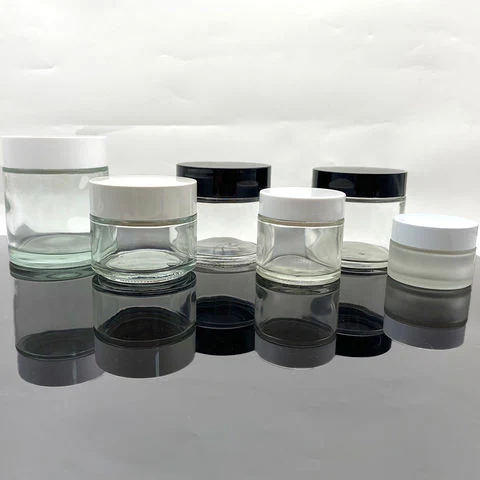
Bangui Industrial Glass Works operates near the capital city and focuses on small-scale glass container production. The company was established to support domestic packaging demand from beverage and food companies.
Its product range includes beverage bottles, simple jars, and small pharmaceutical containers. The company supplies local businesses that require affordable packaging without relying entirely on imports. This role makes the factory an important part of the country’s limited manufacturing sector.
Bangui Industrial Glass Works mainly serves beverage bottlers, cooking oil producers, and small pharmaceutical distributors. Its technical capabilities focus on simple mold designs and basic container shapes.
The company continues to improve its production efficiency through furnace upgrades and recycling programs. Using recycled glass helps reduce raw material costs and supports environmental sustainability.
Central Africa Packaging Supply

Central Africa Packaging Supply functions as a distributor of glass bottles and containers. The company imports packaging products from international manufacturers and supplies them to businesses throughout the country.
Its catalog includes beverage bottles, cosmetic containers, pharmaceutical bottles, and food jars. Many local food producers rely on the distributor to obtain packaging quickly without placing large international orders. The company helps connect domestic businesses with global glass manufacturers.
The distributor serves several industries including beverage bottling, cosmetics, and healthcare. Its logistics network allows packaging products to reach businesses in different regions of the country.
Central Africa Packaging Supply continues to expand its supplier network to offer more bottle designs and sizes. This approach allows local brands to develop packaging that stands out in retail markets.
Ubangi Glass & Packaging

Ubangi Glass & Packaging focuses on providing packaging solutions for food and beverage companies. The company imports glass containers and works with manufacturers to customize bottle shapes for local brands.
Its product portfolio includes beverage bottles, sauce bottles, cosmetic containers, and specialty jars. The company also provides packaging consultation to help clients choose containers that protect product quality.
Ubangi Glass & Packaging serves industries such as beverage production, cosmetics, and food processing. Its ability to source different types of containers makes it a valuable partner for growing local brands.
The company’s innovation efforts include exploring lightweight glass bottles that reduce shipping costs. It also promotes recyclable glass packaging to support sustainable product development.
Company Comparison
| Company | Founded | Core Products | Industries | Certifications |
|---|---|---|---|---|
| Bangui Industrial Glass Works | Early 2000s | Beverage bottles, jars | Beverage, food processing | Local manufacturing compliance |
| Central Africa Packaging Supply | 2010s | Glass containers, cosmetic bottles | Food, cosmetics, pharmaceutical | Packaging quality standards |
| Ubangi Glass & Packaging | 2010s | Custom bottles, jars | Beverage, food processing | Regional trade compliance |
Part 3: Trade Shows and Industry Events
Trade events provide important opportunities for businesses in the Central African Republic to connect with suppliers and investors. These events help local companies learn about new technologies and packaging solutions.
Bangui International Trade Fair
The Bangui International Trade Fair is one of the country’s major commercial events. It brings together businesses from industries such as manufacturing, agriculture, and consumer goods.
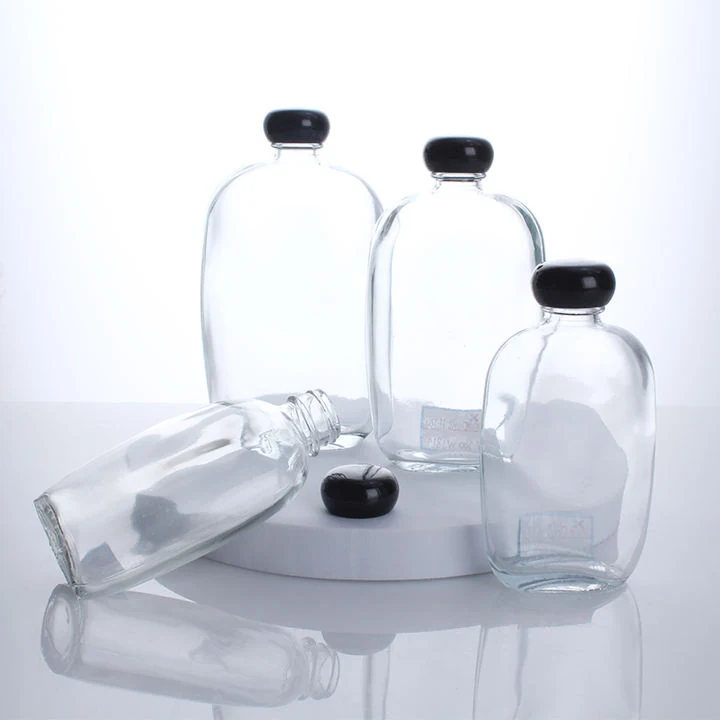
The event usually takes place in the capital city and attracts companies from neighboring countries. Packaging suppliers, beverage producers, and distributors often participate.
Exhibitors showcase products, machinery, and packaging materials. Glass bottle suppliers sometimes use the event to introduce new container designs and connect with local beverage brands.
The fair also hosts seminars about industrial development and regional trade cooperation. These sessions encourage investment in manufacturing sectors including packaging.
Central Africa Industrial Development Forum
The Central Africa Industrial Development Forum focuses on manufacturing growth across the region. Businesses, investors, and government representatives attend the event to discuss industrial strategies.
The forum highlights opportunities for manufacturing investment and infrastructure development. Packaging suppliers and equipment manufacturers often attend to explore new partnerships.
Participants discuss topics such as factory construction, technology transfer, and regional supply chains. These discussions can lead to collaborative projects that support domestic manufacturing capacity.
Networking sessions at the forum allow beverage companies and food brands to meet packaging suppliers. Such connections often lead to long-term supply agreements.
Trade Event Summary
| Event | Date | Location | Highlights |
|---|---|---|---|
| Bangui International Trade Fair | Annual | Bangui | Business networking and product exhibitions |
| Central Africa Industrial Development Forum | Annual | Bangui | Manufacturing investment and regional cooperation |
Part 4: Impact of Global Trade Policies
Global trade policies have a strong influence on the glass bottle market in the Central African Republic. Because the country imports many packaging materials, tariffs and transportation rules affect supply costs.

Regional trade agreements within Central Africa help reduce some import barriers. These agreements allow companies to obtain packaging materials more easily from neighboring countries.
Political stability and border regulations also influence logistics conditions. Changes in regional trade policies can affect delivery times and transportation costs for glass containers.
Local production is often discussed as a way to reduce import dependence. However, glass manufacturing requires large investments in energy systems and production equipment.
Despite these challenges, the global trend toward sustainable packaging supports the use of glass containers. Glass is recyclable and environmentally friendly compared with many plastics. As consumer awareness grows, more companies may choose glass packaging for their products.
Part 5: Conclusion
The glass bottle industry in the Central African Republic is still in an early stage of development. Demand mainly comes from food processing, beverage production, and pharmaceutical packaging. As these industries grow, the need for reliable glass containers will also increase.
Local distributors and small-scale manufacturers help support the packaging supply chain. International suppliers also play an important role in providing a wide range of bottle designs and consistent production quality.
However, the market still faces several challenges. Infrastructure limitations, transportation costs, and energy supply issues make large-scale glass manufacturing difficult.
Even so, the long-term outlook remains positive. Population growth and expanding consumer markets continue to increase demand for packaged goods. Glass bottles will remain an essential packaging solution for many industries in the Central African Republic.