Skip to content
Part 1: Market Size and Growth
The glass bottle market in Comoros is small but closely connected to the country’s food, beverage, and perfume industries. Comoros is known globally for its natural products such as vanilla, cloves, and ylang-ylang oil. These industries rely on glass containers because glass protects aroma, preserves purity, and enhances product value.
Beverage consumption in the country also supports glass packaging demand. Imported drinks, locally bottled beverages, and small distilleries all require reliable bottle supply. Glass bottles remain common in traditional beverage packaging because they maintain taste stability and resist chemical interaction.
Government development programs focus on strengthening local manufacturing and export industries. Agricultural exports and essential oil production require high-quality packaging for international markets. These factors support steady demand for glass containers even though most bottles are imported.
Essential Oil Industry and Packaging Demand
Comoros is one of the world’s important producers of ylang-ylang essential oil. This oil is widely used in perfumes, cosmetics, and aromatherapy products. Producers need high-quality glass bottles to store and transport these oils safely.
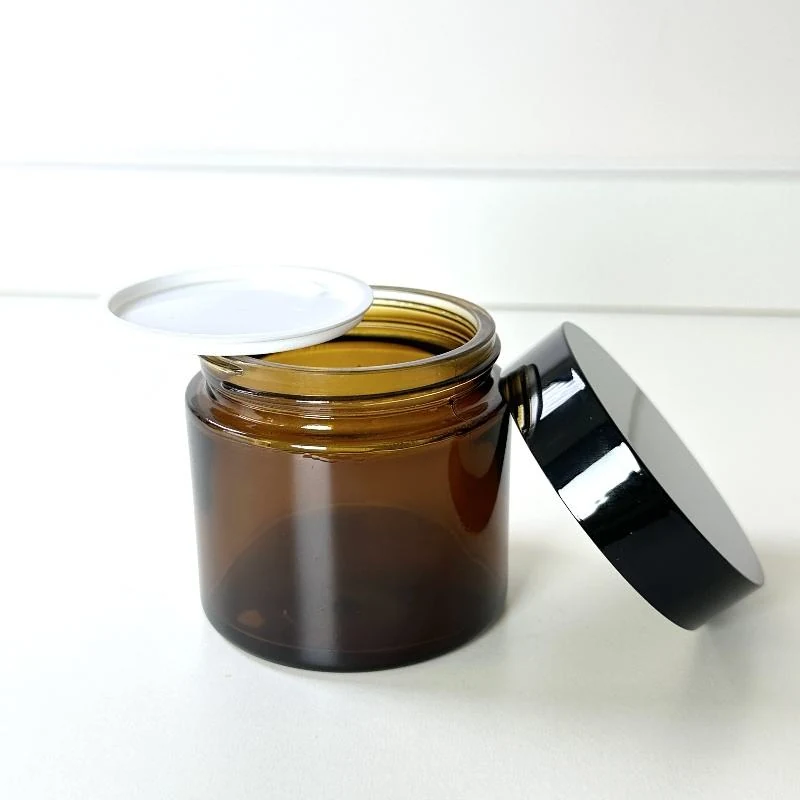
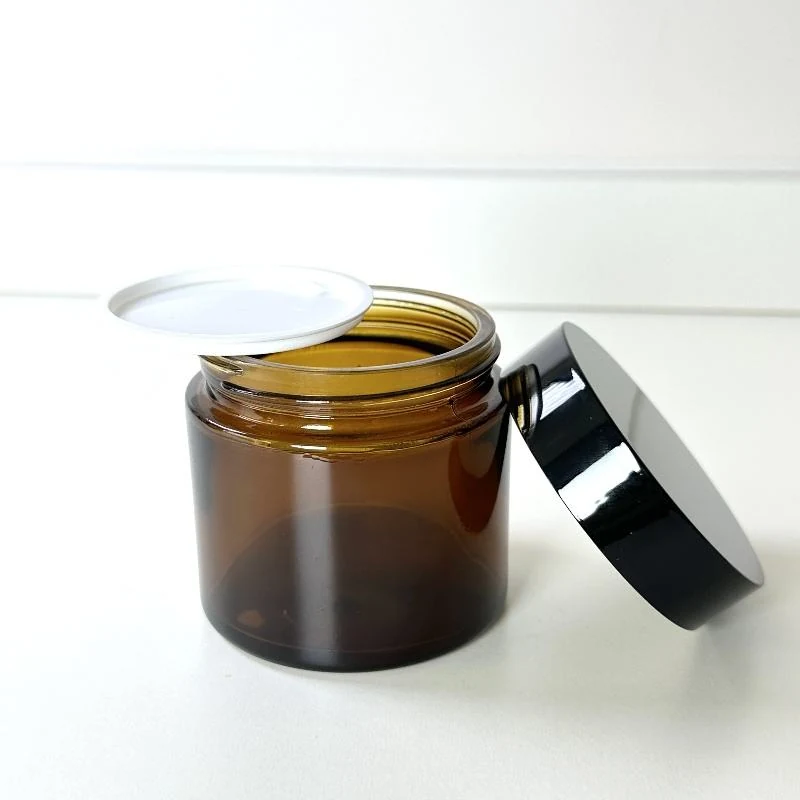
Glass packaging is essential for preserving fragrance quality. Plastic containers can interact with aromatic compounds and reduce product stability. Because of this, many essential oil exporters prefer amber or dark glass bottles.
Small distillation businesses across the islands depend on reliable bottle supply. These companies often export oils to fragrance companies in Europe and Asia. Export packaging must meet strict international standards.
Beverage and Food Packaging
Local beverage consumption contributes to glass bottle demand as well. Soft drinks, flavored beverages, and imported alcoholic drinks often use glass containers. Restaurants and hospitality businesses in Comoros also serve bottled drinks to tourists and local customers.
Food products such as sauces, syrups, and honey may also use glass packaging. The transparency of glass allows consumers to see the product clearly. This visual appeal often increases perceived quality.
Tourism also supports packaging demand. Visitors purchase locally produced oils, perfumes, and specialty foods as souvenirs. These products frequently use decorative glass bottles to attract buyers.
Key Market Segments
Several sectors contribute to glass bottle demand in Comoros.
| Sector | Typical Products | Packaging Type |
|---|---|---|
| Essential oils | Ylang-ylang oil, natural extracts | Small glass perfume bottles |
| Beverage industry | Soft drinks, imported alcohol | Standard glass beverage bottles |
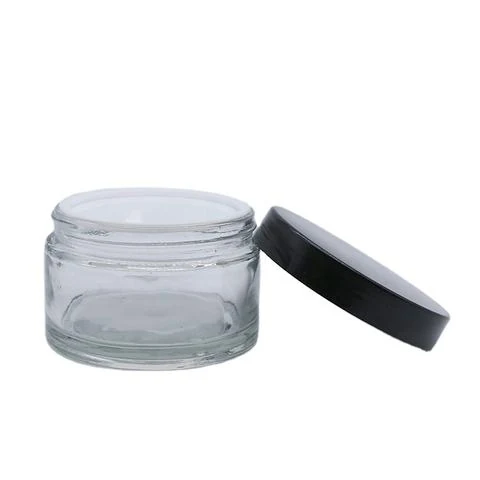
| Food products | Honey, syrups, sauces | Glass jars and bottles |
| Cosmetics | Natural perfumes and oils | Decorative glass containers |
Glass recycling also presents opportunities for the future. Some small recycling initiatives collect used bottles and reuse them locally. This approach can reduce import costs and support environmental protection.
Part 2: Leading Companies
Comoros Bottling Company
Comoros Bottling Company plays an important role in the country’s beverage packaging ecosystem. The company focuses on beverage bottling operations that rely on glass containers for product distribution. Its facilities handle filling, labeling, and packaging processes for various drink products.
The company works with soft drink brands and beverage distributors that operate in Comoros. Glass bottles are used because they maintain carbonation and protect beverage quality. Many of these bottles are imported and reused through return systems.
Comoros Bottling Company primarily serves the beverage industry and hospitality sector. Restaurants, hotels, and retail stores depend on its bottled drinks. The company follows food safety guidelines and quality inspection procedures during bottling operations.
Comoros Essential Oils Exporters Cooperative

The Comoros Essential Oils Exporters Cooperative represents producers involved in the country’s famous fragrance industry. Members of the cooperative export essential oils to international markets and require reliable packaging solutions.
Glass bottles are widely used for essential oil storage and export. These bottles protect fragrance quality and prevent chemical reactions. Many exporters use amber glass containers that reduce exposure to sunlight.
The cooperative supports producers by organizing packaging supply, export logistics, and quality control. International buyers often require compliance with cosmetic and fragrance industry standards. Glass packaging plays a critical role in meeting these requirements.
Regional Glass Supply Partners
Because Comoros has limited heavy manufacturing infrastructure, most glass bottles are imported from regional suppliers. Manufacturers in countries such as Mauritius, South Africa, and the United Arab Emirates provide bottles for beverage and perfume industries.
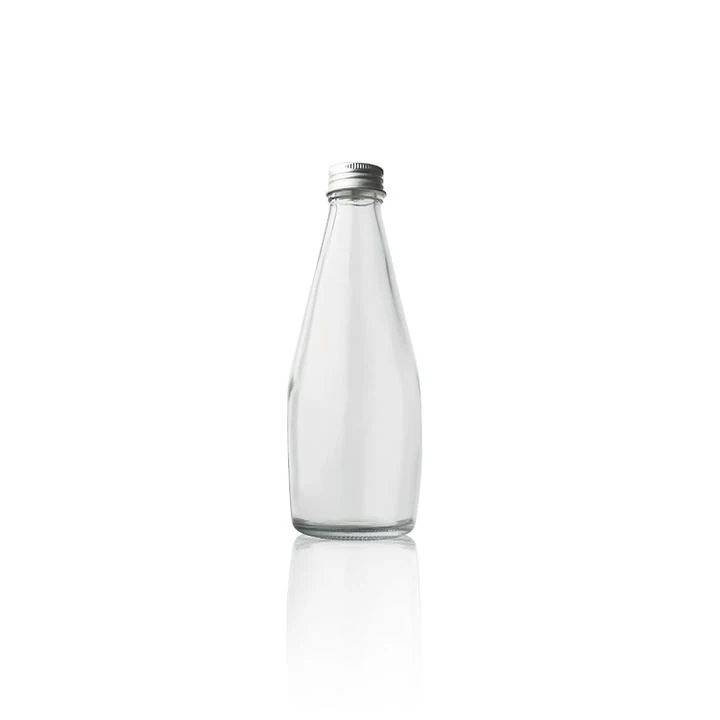
Regional suppliers produce standard beverage bottles, cosmetic containers, and specialty glass packaging. These bottles are then shipped to Comoros for filling and distribution.
These supply partnerships allow local businesses to access modern glass packaging without building large production facilities. Suppliers often provide customization services such as bottle shape design, embossing, and labeling support.
Competitive Landscape
The glass bottle market in Comoros relies on collaboration between bottling companies, export cooperatives, and regional manufacturers. Local companies focus on filling, branding, and distribution rather than heavy glass manufacturing.
| Company | Founded | Core Products | Industries | Certifications |
|---|---|---|---|---|
| Comoros Bottling Company | 1990s | Bottled beverages | Beverage industry | Food safety compliance |
| Essential Oils Exporters Cooperative | 2000s | Essential oil packaging | Perfume and cosmetics | Export quality standards |
| Regional Glass Supply Partners | Various | Glass bottles and containers | Beverage and cosmetics | International packaging standards |
Competition in this market often depends on packaging quality, delivery reliability, and export compliance.
Part 3: Trade Shows and Industry Events
Africa Food Manufacturing Expo
The Africa Food Manufacturing Expo connects food producers, packaging suppliers, and beverage manufacturers across the continent. Companies from Comoros attend the event to explore new packaging solutions.
The exhibition usually takes place in major African cities such as Johannesburg or Nairobi. Participants showcase food processing technology, packaging materials, and supply chain solutions.
Glass bottle suppliers present new designs and production technologies during the event. Companies from Comoros gain valuable insights about packaging trends and international standards.
Dubai Beautyworld Middle East
Beautyworld Middle East is one of the largest global exhibitions for cosmetics and fragrance industries. Essential oil exporters from Comoros often participate in this event to connect with perfume manufacturers.
The exhibition is held annually in Dubai and attracts companies from more than 100 countries. Visitors include perfume brands, cosmetic companies, and packaging suppliers.
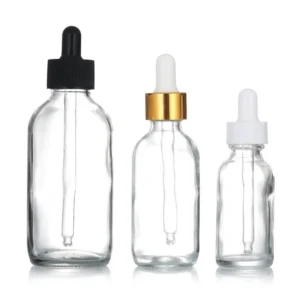
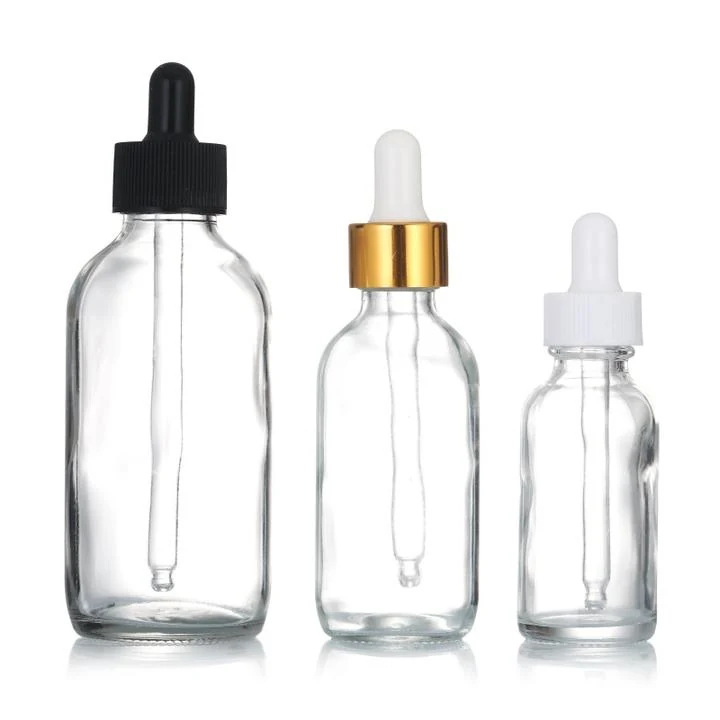
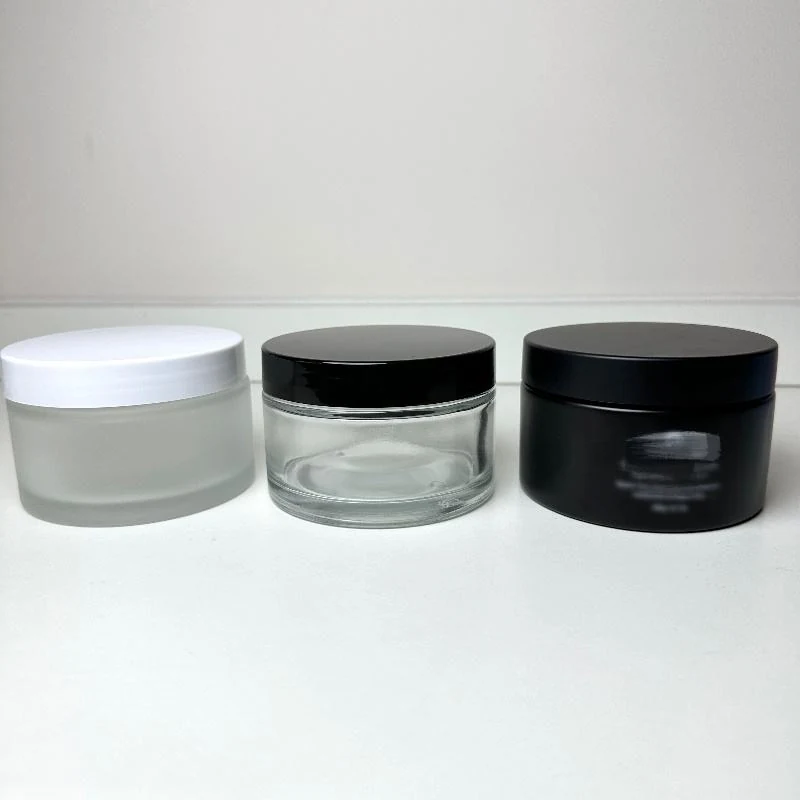
Glass bottle packaging plays a major role in fragrance presentation. Suppliers showcase decorative perfume bottles, droppers, and specialty containers designed for essential oils.
Importance of Trade Events
Trade exhibitions help Comoros businesses connect with international buyers and packaging suppliers. These events provide opportunities to discover new bottle designs, packaging materials, and branding strategies.
They also help exporters understand global regulatory requirements. Compliance with packaging safety standards is essential when selling products internationally.
| Event | Date | Location | Highlights |
|---|---|---|---|
| Africa Food Manufacturing Expo | Annual | African trade hubs | Food packaging technology |
| Beautyworld Middle East | Annual | Dubai, UAE | Cosmetics and fragrance packaging |
Participation in these events strengthens international trade relationships and improves market access for Comoros exporters.
Part 4: Impact of Global Trade Policies
Global trade policies significantly affect packaging supply chains in small island economies like Comoros. Import tariffs, shipping costs, and regional trade agreements all influence the availability of glass bottles. Because domestic manufacturing capacity is limited, the country relies heavily on imported packaging materials.
Dependence on Imports
Most glass bottles used in Comoros come from international manufacturers. These bottles are transported by sea from regional production centers. Import costs therefore have a direct impact on packaging expenses for local businesses.
Shipping disruptions or rising freight prices can increase production costs for beverage and perfume exporters. Businesses must carefully manage inventory levels to avoid shortages.
Some companies work with multiple suppliers to reduce supply chain risk. This strategy ensures consistent access to packaging materials.
Regional Trade Partnerships
Comoros participates in regional economic cooperation with African and Indian Ocean nations. Trade partnerships allow packaging materials to move more easily between countries.
These agreements help reduce tariffs and improve logistics efficiency. Exporters benefit from faster shipping and lower costs when sourcing bottles from regional manufacturers.
Regional cooperation also encourages knowledge sharing between packaging industries. Manufacturers and exporters can collaborate on recycling initiatives and sustainable packaging solutions.
Global Competition and Opportunities
Glass bottle suppliers from Europe, Asia, and the Middle East compete to serve packaging markets in Africa. Large manufacturers offer high production capacity and advanced glass molding technology.
However, regional suppliers maintain advantages in logistics and responsiveness. Shorter shipping distances reduce delivery time and transportation risk.
Premium packaging design also creates opportunities for Comoros exporters. Essential oils and perfumes often require distinctive glass bottles that reflect luxury and craftsmanship.
Part 5: Conclusion
The glass bottle market in Comoros is shaped by essential oil exports, beverage consumption, and tourism. Local businesses rely on glass packaging to preserve product quality and enhance brand presentation. Even without large domestic glass manufacturing facilities, the country maintains a stable packaging supply through regional partnerships.
Future growth in this sector will likely depend on export industries and sustainable packaging initiatives. Rising global demand for natural fragrances and specialty food products creates opportunities for Comoros producers. Businesses that maintain reliable packaging supply chains and invest in strong product presentation will remain competitive in international markets.