Skip to content
Part 1: Market Size and Growth
The glass bottle industry in Croatia has grown quietly but steadily during the past decade. Local demand from beverages, food packaging, and cosmetics continues to expand. Glass remains a trusted material because it is recyclable, safe for food contact, and visually appealing. Many regional producers supply both domestic brands and export markets across Europe.
The market is closely tied to Croatia’s beverage sector, especially wine, craft beer, mineral water, and spirits. Glass bottles are also used in olive oil packaging and specialty food products. Tourism and hospitality growth create additional demand for premium packaging and custom bottle designs.
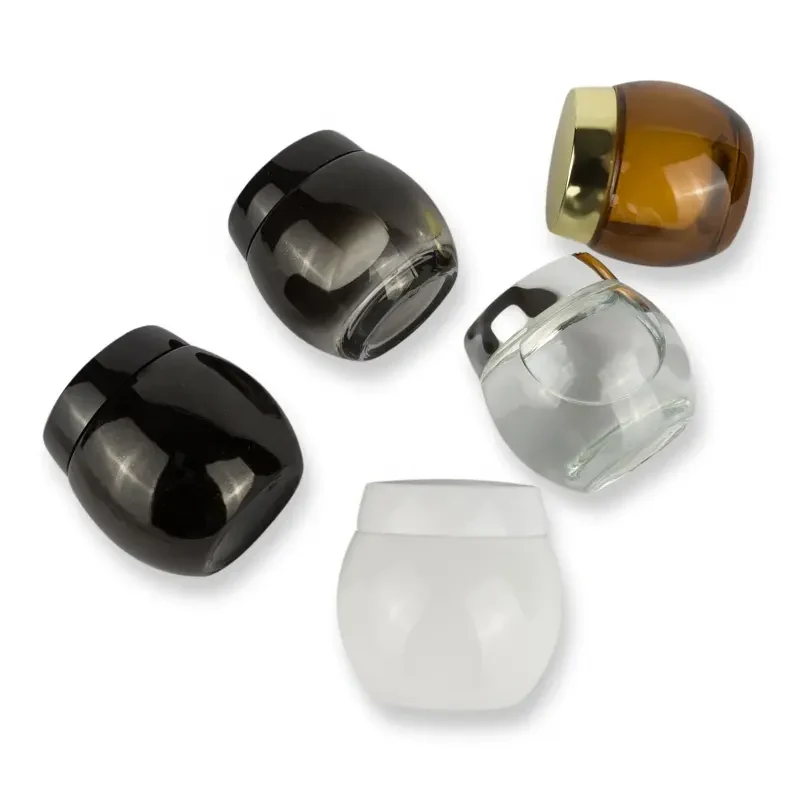
Government sustainability goals also shape the industry. Croatia follows European Union recycling directives and environmental standards. Investment in energy-efficient furnaces and recycling infrastructure helps manufacturers remain competitive while reducing carbon impact.
Industry Structure and Production Capacity
The Croatian glass bottle sector is relatively concentrated. A few large manufacturers dominate industrial production, while smaller firms focus on niche or decorative glass. Production facilities often operate continuously because glass furnaces run at extremely high temperatures and require stable operations.
Most large factories produce millions of bottles per day. These bottles serve beverage companies, food processors, and export clients across Central and Eastern Europe. The sector benefits from Croatia’s geographic position near Italy, Slovenia, Hungary, and the Balkans.
Key Application Segments
Glass bottles in Croatia mainly serve four major sectors. Beverage packaging leads the market, followed by food containers, cosmetics, and pharmaceutical bottles.
| Segment | Typical Products | Demand Drivers |
|---|---|---|
| Beverage | Beer bottles, wine bottles, spirits bottles | Tourism, craft breweries |
| Food | Olive oil bottles, sauce containers | Premium food exports |
| Cosmetics | Perfume and skincare packaging | Luxury branding |
| Pharma | Medical glass containers | Safety and purity standards |
Demand from craft breweries and boutique wineries has grown quickly in recent years. These brands often prefer unique bottle shapes and premium packaging. That trend pushes manufacturers to offer flexible mold design and smaller production runs.
Supply Chain and Export Dynamics
Croatian manufacturers often work with regional distributors and European beverage brands. Many glass bottles produced locally are exported to neighboring markets. Slovenia, Italy, Austria, and Hungary are common destinations.
Energy costs remain one of the biggest challenges in glass production. Furnaces require constant heat, often powered by natural gas or electricity. Because of this, manufacturers continue to invest in energy-efficient technologies and recycled glass (cullet) usage.
Role of Sustainability
Environmental awareness strongly influences the glass industry. European consumers increasingly prefer recyclable packaging. Glass meets this demand because it can be recycled repeatedly without losing quality.
Many Croatian manufacturers now integrate high percentages of recycled glass in production. This practice reduces energy consumption and raw material use. It also aligns with EU environmental policies and helps companies market their packaging as sustainable.
In recent industry discussions, producers also explore lightweight glass bottles. These bottles maintain strength but use less material. Lower transportation weight reduces carbon emissions and logistics costs.
Overall, the Croatian glass bottle market remains stable and moderately growing. Demand from beverage brands, tourism, and export markets continues to drive investment in production technology and packaging innovation.
Part 2: Leading Companies
Vetropack Stra?a
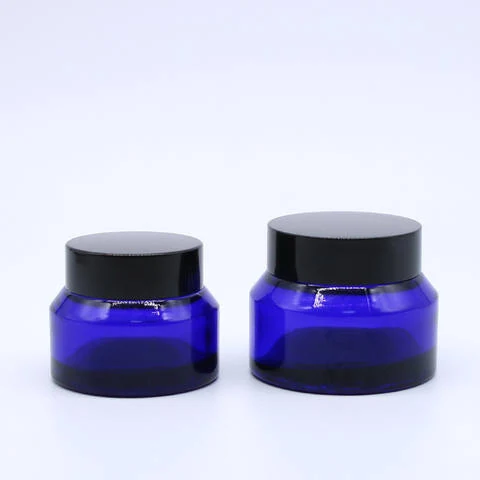
Vetropack Stra?a is one of the most influential glass packaging producers in Croatia. The company operates as part of the Vetropack Group, a major European glass container manufacturer headquartered in Switzerland. Its Croatian facility plays an important role in supplying bottles across Central and Southeast Europe.
The company produces a wide range of glass bottles for beverages and food products. Its portfolio includes beer bottles, wine bottles, mineral water bottles, and specialty containers for sauces and oils. Production lines run at high efficiency and serve both multinational beverage brands and regional producers.
The facility supports industries such as brewing, wine production, soft drinks, and food packaging. Many beverage companies choose Vetropack Stra?a because of its reliable supply and consistent quality standards.
Innovation focuses on lightweight glass technology and recycling integration. The company works to increase the proportion of recycled glass in production while maintaining strength and clarity.
Vetropack Stra?a also operates under strict European quality and environmental certifications. These include ISO standards related to quality management, energy efficiency, and environmental protection.
Duran Glass Croatia
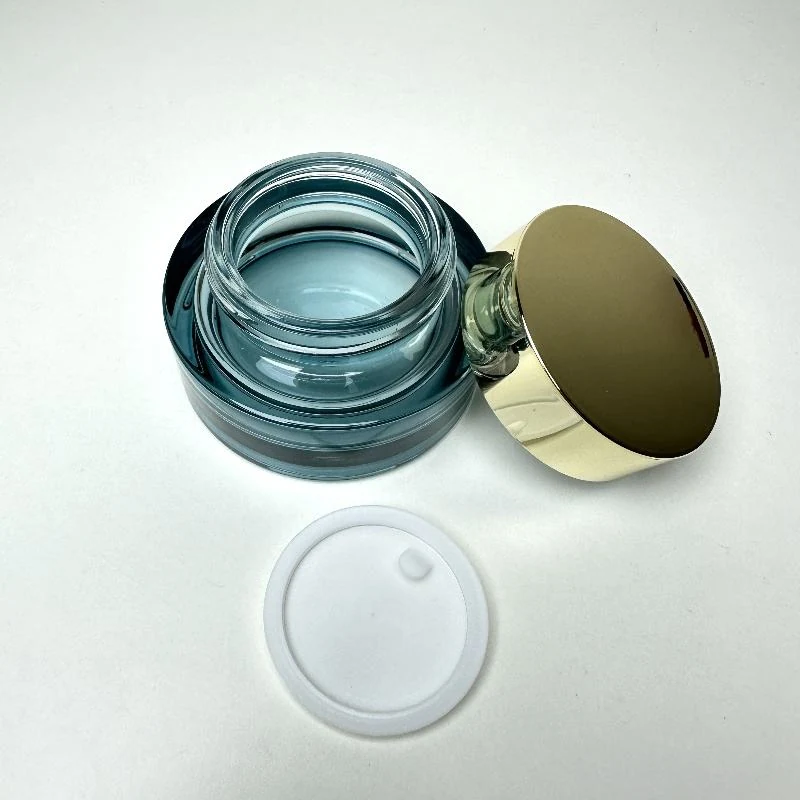
Duran Glass Croatia is known for producing high-quality glass containers used in food and specialty beverage packaging. The company combines traditional glassmaking experience with modern production technologies.
The company produces bottles, jars, and custom containers for small and medium-sized brands. Many clients are food companies that sell olive oil, sauces, honey, and gourmet products. These products often require attractive packaging to support premium brand positioning.
Duran Glass Croatia works with industries including food processing, specialty beverages, cosmetics, and gift packaging. Its flexible manufacturing system allows custom molds and shorter production runs.
The company places strong emphasis on design collaboration with clients. Packaging often plays a key role in brand storytelling, especially in European gourmet markets.
Duran Glass Croatia has also invested in furnace efficiency improvements and modern quality control systems. These upgrades help maintain product consistency while reducing environmental impact.
Lipik Glassworks
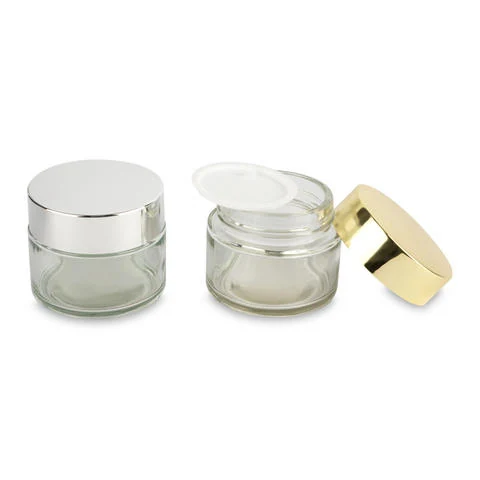
Lipik Glassworks represents one of Croatia’s historic glassmaking traditions. The company traces its roots to the country’s long heritage of glass craftsmanship. While modern production techniques are used today, the brand still values traditional design and craftsmanship.
The company manufactures a range of glass containers and decorative glass products. Its portfolio includes beverage bottles, specialty jars, and artistic glassware for gift markets.
Lipik Glassworks often works with boutique producers and specialty brands. Small wineries, craft distilleries, and gourmet food companies frequently require distinctive packaging.
Innovation efforts focus on combining traditional glass aesthetics with modern production efficiency. Decorative finishes, embossing, and custom bottle shapes help brands stand out in retail markets.
| Lipik Glassworks has earned recognition for preserving Croatian glassmaking heritage while adapting to modern industrial standards. | Company | Founded | Core Products | Industries | Certifications |
|---|---|---|---|---|---|
| Vetropack Stra?a | 19th century origins, modernized under Vetropack Group | Beverage bottles, food containers | Brewing, wine, soft drinks | ISO quality and environmental standards | |
| Duran Glass Croatia | Early 2000s | Food jars, specialty bottles | Gourmet food, cosmetics | Quality management certifications | |
| Lipik Glassworks | Historical Croatian glassmaker | Decorative bottles, specialty glass | Craft beverages, gift packaging | Cultural and quality recognitions |
Part 3: Trade Shows and Industry Events
Ambienta Zagreb
Ambienta is one of Croatia’s most recognized design and manufacturing exhibitions. The event focuses on furniture, interior design, and home products, but glass manufacturers also participate to present decorative glass and packaging solutions.
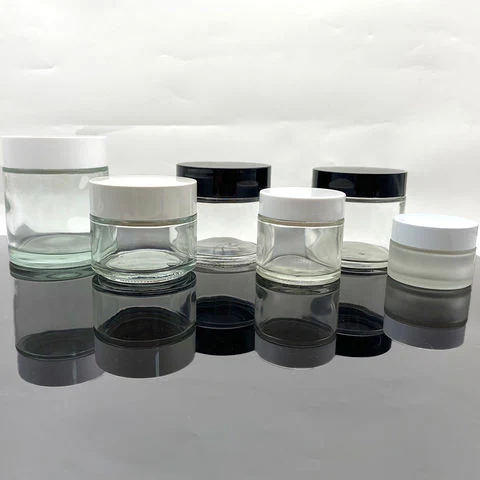
The exhibition usually takes place annually in Zagreb and attracts both domestic and international visitors. Many companies use the event to showcase new materials, packaging designs, and sustainable manufacturing approaches.
One highlight of Ambienta is its focus on design innovation. Glass manufacturers often collaborate with designers to develop visually striking containers and decorative pieces. These collaborations help companies connect with premium brands and creative industries.
Interpack Düsseldorf
Interpack in Düsseldorf, Germany, is one of the largest global trade shows for packaging technologies and materials. Croatian glass bottle manufacturers frequently attend to connect with international buyers and observe new packaging trends.
The event occurs every three years and attracts thousands of exhibitors from across the world. Glass manufacturers present bottle innovations, sustainable packaging concepts, and production technologies.
| Interpack highlights include automated bottling systems, lightweight glass packaging, and circular economy solutions. For Croatian producers, participation in this event helps strengthen export relationships and industry knowledge. | Event | Date | Location | Highlights |
|---|---|---|---|---|
| Ambienta Zagreb | Annual (Autumn) | Zagreb, Croatia | Design innovation, home products, decorative glass | |
| Interpack Düsseldorf | Every 3 years | Düsseldorf, Germany | Global packaging technology and sustainability |
Part 4: Impact of Global Trade Policies
Global trade policies play a major role in shaping the glass bottle industry. European Union environmental regulations, energy policies, and recycling targets influence how manufacturers operate. Compliance with EU standards often determines whether companies can compete in export markets.
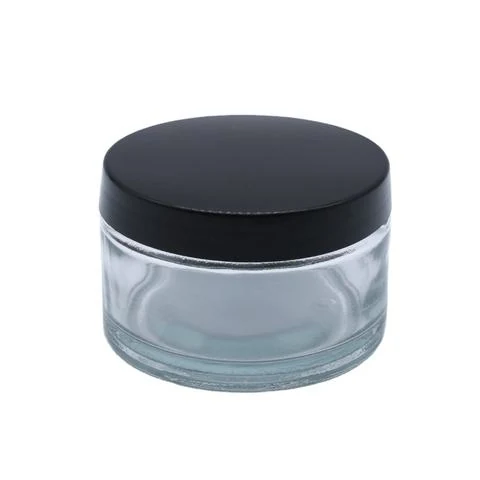
Energy policy is one of the most important factors for glass manufacturers. Glass furnaces consume large amounts of energy. Rising natural gas prices across Europe have forced many producers to rethink production strategies. Some companies invest in hybrid electric furnaces or renewable energy sources.
Trade agreements within the European Union benefit Croatian manufacturers. Products move freely across member states without tariffs. This system allows Croatian glass bottles to reach beverage producers in Italy, Austria, Germany, and neighboring Balkan markets.
Supply Chain Challenges
Global supply chains have become less predictable in recent years. Disruptions in raw material supply, transportation delays, and energy cost volatility all influence glass production.
Glass manufacturing requires several key materials such as silica sand, soda ash, and limestone. Any shortage of these materials can affect production timelines. Companies often secure long-term supplier contracts to reduce this risk.
Transportation also plays a major role in glass packaging economics. Glass bottles are heavy and fragile. Efficient logistics networks are essential to prevent damage and reduce shipping costs.
Regional Competition
Croatian manufacturers face competition from producers in Italy, Poland, and Turkey. These countries operate large glass factories and supply a wide range of bottle designs.
However, Croatian companies maintain competitive advantages through regional proximity and flexible production capabilities. Smaller beverage brands often prefer nearby suppliers that can provide faster delivery and smaller order quantities.
Opportunities from Sustainability
Sustainability policies also create new opportunities. Many beverage brands are shifting away from plastic packaging. Glass becomes an attractive alternative because of its recyclability and premium appearance.
Several manufacturers are developing bottles made with higher percentages of recycled glass. Some production lines already use more than 50% recycled content.
Companies also explore lightweight bottle designs that reduce material usage. This innovation lowers energy consumption during manufacturing and decreases transportation emissions.
Future Trade Landscape
Future trade dynamics may bring both opportunities and uncertainty. Carbon border taxes and stricter environmental rules could affect manufacturing costs. Companies that invest early in cleaner technologies may gain competitive advantages.
Croatia’s membership in the European Union remains a strong advantage. It provides access to a large integrated market and encourages cross-border industrial cooperation.
Glass bottle manufacturers that combine sustainability, design flexibility, and reliable supply will likely remain competitive in global packaging markets.
Part 5: Conclusion
The Croatian glass bottle industry represents a blend of tradition and modern manufacturing. Local companies supply beverage, food, and specialty product brands across Europe. Strong demand from wine, craft beer, and premium food markets continues to support stable industry growth.
However, the sector also faces challenges. Energy costs, environmental regulations, and international competition require constant innovation. Manufacturers that invest in recycling technology, efficient furnaces, and flexible production systems will likely shape the future of Croatia’s glass packaging industry.