Skip to content

Part 1: Market Size and Growth
Cuba’s glass bottle industry is closely connected to the country’s beverage, pharmaceutical, and food sectors. Rum production, mineral water, and traditional food products rely heavily on glass packaging. Over many decades, the country developed several state-owned glass factories to support domestic industries.
The beverage industry is the strongest driver of glass bottle demand in Cuba. Rum distilleries, beer producers, and soft drink brands require durable glass containers for packaging and export. Glass bottles help preserve flavor and quality, which is especially important for premium rum products sold internationally.

Government industrial planning also plays a major role in the sector. Much of Cuba’s glass manufacturing industry operates under state supervision, with factories supplying bottles for national beverage and pharmaceutical companies. Investment programs aim to modernize older production lines and improve efficiency.
Beverage Industry as the Main Growth Engine
The Cuban beverage sector creates the largest demand for glass bottles. Rum brands are one of the country’s most famous exports, and these products require distinctive packaging. Glass bottles are preferred because they protect the spirit and maintain the traditional presentation that international consumers expect.
Beer production also contributes to the market. Cuban breweries distribute beverages across the country and supply the tourism sector. Hotels, restaurants, and resorts rely on bottled beverages to serve international visitors.
Soft drinks and bottled water represent another important segment. Many of these drinks are sold in glass bottles because they maintain carbonation and protect taste. Glass packaging is also widely used in the hospitality industry.
Below is an overview of industries that rely on glass bottle packaging in Cuba.
| Industry | Bottle Types | Main Applications |
|---|---|---|
| Rum & Spirits | Premium spirit bottles | Export and domestic sales |
| Beer | Standard beer bottles | Hospitality and retail |
| Soft Drinks | Soda bottles | Local consumption |
| Food | Jars and containers | Sauces, preserves |
Import Dependence and Production Challenges
Cuba has domestic glass factories, but the industry faces several operational challenges. Aging manufacturing equipment and energy constraints can limit production capacity. Because of this, some specialized bottles are imported from foreign suppliers.
Logistics also affect supply chains. International trade restrictions and transportation costs may slow the delivery of packaging materials. This situation sometimes creates supply shortages for beverage producers.
Despite these challenges, domestic glass production remains essential for the national economy. Local factories supply a large portion of the bottles used by Cuban beverage companies.
Future Market Outlook
The future of the glass bottle market in Cuba is closely tied to tourism and export growth. Cuban rum brands remain popular in international markets. As export demand increases, glass bottle production will also need to expand.
Tourism recovery also supports beverage consumption. Resorts and restaurants serve large volumes of bottled drinks, especially beer and rum. Attractive packaging plays an important role in the tourism experience.
Environmental considerations may also shape the industry. Glass is recyclable and reusable, and bottle return systems have historically existed in Cuba. Recycling initiatives could help reduce production costs and support sustainability goals.
Part 2: Leading Companies
Vidrios La Lisa

Vidrios La Lisa is one of the most important glass manufacturing facilities in Cuba. Located in Havana, the plant has historically produced glass containers for beverages, food products, and pharmaceuticals. The factory plays a central role in supporting domestic packaging needs.
The company manufactures a variety of glass bottles, including containers for rum, beer, and soft drinks. Its production lines focus on standardized bottle designs that meet the requirements of Cuban beverage companies.
Vidrios La Lisa supplies many well-known national beverage brands. These bottles are distributed across retail stores, restaurants, and hotels throughout the country. Reliable supply from this factory is essential for maintaining production schedules in the beverage sector.
The factory has gradually implemented modernization projects to improve efficiency and product quality. Equipment upgrades and improved inspection systems help maintain consistent production standards.
Fábrica de Vidrio de Ciego de ávila

The glass factory in Ciego de ávila is another key producer of glass containers in Cuba. The facility was developed to strengthen national packaging capacity and reduce reliance on imports.
The factory produces glass bottles used in beverages, pharmaceuticals, and food packaging. Its product range includes beer bottles, spirit bottles, and jars for preserved foods.
This facility mainly supplies manufacturers located in central and eastern regions of the country. By distributing bottles across different provinces, it helps maintain a stable supply chain for local industries.
The factory focuses on improving production efficiency and reducing waste during the manufacturing process. Investments in equipment maintenance and workforce training help maintain operational stability.
Fábrica de Vidrio de Holguín
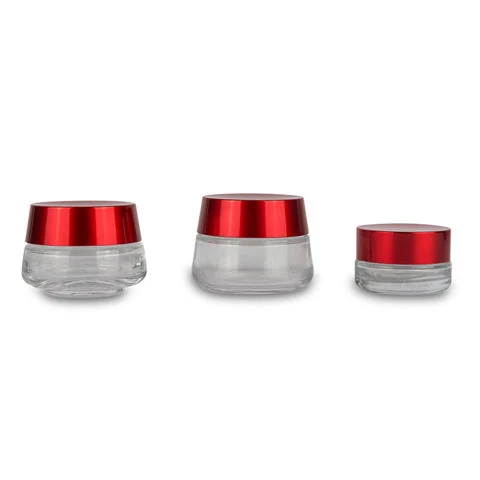
The Holguín glass factory is another important component of Cuba’s container glass industry. The facility primarily supports beverage companies and food producers located in eastern Cuba.
The factory produces glass bottles and jars in standard shapes used by beverage and food brands. Its manufacturing operations emphasize durability and consistent bottle dimensions.
Many regional beverage companies depend on this factory for packaging supply. The facility helps reduce transportation distances by producing bottles closer to local manufacturers.
The Holguín factory has focused on improving quality control processes. Inspection systems and production monitoring help maintain stable output levels.
| Company | Founded | Core Products | Industries | Certifications |
|---|---|---|---|---|
| Vidrios La Lisa | 20th century | Rum bottles, beverage containers | Beverage industry | National industrial standards |
| Fábrica de Vidrio de Ciego de ávila | Late 20th century | Beer bottles, jars | Beverage and food | Domestic manufacturing compliance |
| Fábrica de Vidrio de Holguín | Late 20th century | Bottles and jars | Beverage, food | State quality inspection |
Part 3: Trade Shows and Industry Events
Havana International Fair (FIHAV)
The Havana International Fair, known as FIHAV, is one of the most important trade events in Cuba. It gathers companies from manufacturing, packaging, and food industries from around the world.

The exhibition takes place annually in Havana and attracts exhibitors from Europe, Asia, and Latin America. Packaging companies often present glass containers, labeling systems, and processing equipment.
The event provides opportunities for Cuban companies to explore international partnerships. Beverage producers frequently attend the exhibition to discover new packaging solutions.
International Rum Festival of Havana
The International Rum Festival is another important industry event. The festival celebrates Cuban rum culture and attracts producers, distributors, and packaging suppliers.

Rum producers showcase their latest products and branding strategies during the event. Glass bottles are a key element of the presentation, as distinctive bottle shapes help premium brands stand out.
The event also highlights the role of packaging design in the spirits industry. Bottle aesthetics can influence how consumers perceive quality and authenticity.
| Event | Date | Location | Highlights |
|---|---|---|---|
| Havana International Fair (FIHAV) | Annual | Havana, Cuba | International trade and packaging solutions |
| International Rum Festival | Annual | Havana, Cuba | Rum industry and packaging design |
Part 4: Impact of Global Trade Policies
Global trade policies strongly influence Cuba’s glass bottle industry. The country’s trade environment affects access to machinery, raw materials, and specialized packaging products.

International restrictions and trade barriers can affect equipment imports and supply chains. These limitations sometimes slow modernization efforts in manufacturing facilities.
Despite these challenges, Cuba continues to maintain trade relationships with partners in Europe, Asia, and Latin America. These partnerships help supply equipment and packaging materials for domestic industries.
Supply Chain and Manufacturing Constraints
Glass manufacturing requires stable energy supply and continuous furnace operation. Energy shortages or fuel constraints can interrupt production cycles and reduce output.
Transport logistics also affect distribution across the island. Bottles must travel safely to beverage factories and food producers, which requires reliable infrastructure.
Opportunities in Export Markets
Cuban rum remains one of the country’s strongest export products. As international demand grows, packaging production must also expand. Glass bottles will continue to play a key role in presenting Cuban spirits to global consumers.
Export-oriented industries often invest in higher-quality packaging designs. Premium glass bottles with distinctive shapes help strengthen brand identity in competitive markets.
| Factor | Impact on Industry | Opportunity |
|---|---|---|
| Trade restrictions | Limited access to equipment | Local manufacturing upgrades |
| Energy supply | Production interruptions | Investment in efficiency |
| Export growth | Higher packaging demand | Expansion of bottle production |
| Tourism | Increased beverage consumption | Hospitality packaging market |
Part 5: Conclusion
Cuba’s glass bottle industry remains an essential part of the country’s beverage and food production system. Rum, beer, and soft drink manufacturers depend heavily on glass containers for packaging and distribution. Glass bottles protect product quality while reinforcing the traditional image of Cuban beverages.
The industry faces several challenges, including aging equipment, energy constraints, and trade limitations. These factors sometimes slow modernization and limit production capacity.
However, strong rum exports and tourism growth continue to support demand for glass packaging. With continued investment in manufacturing technology and recycling systems, Cuba’s glass bottle industry can maintain its role in supporting the country’s beverage and food sectors.