Skip to content
Part 1: Market Size and Growth
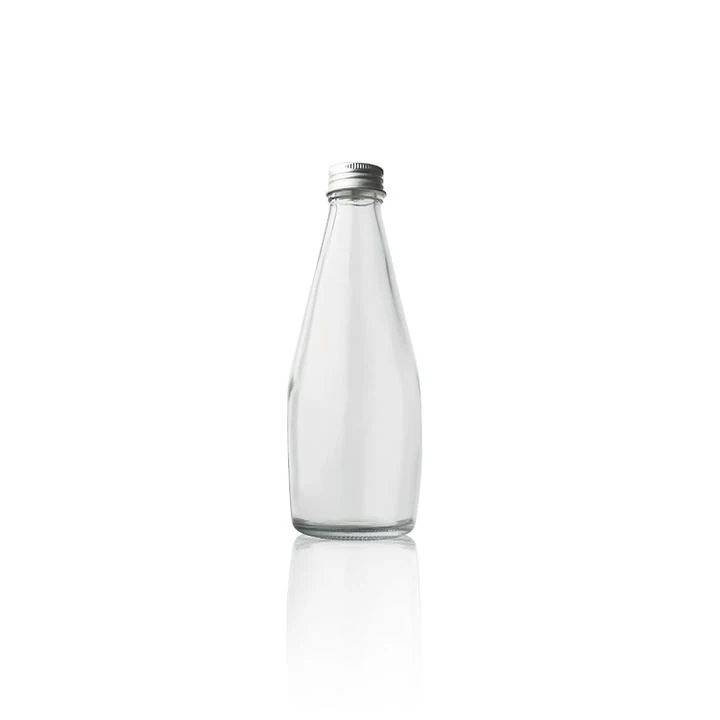
Cyprus has a modest yet stable market for glass bottle manufacturing. The island’s economy relies heavily on tourism, food production, and beverage exports, all of which depend on reliable packaging solutions. Glass bottles remain a preferred choice for wine, spirits, olive oil, and gourmet food products because they protect flavor and support premium branding.
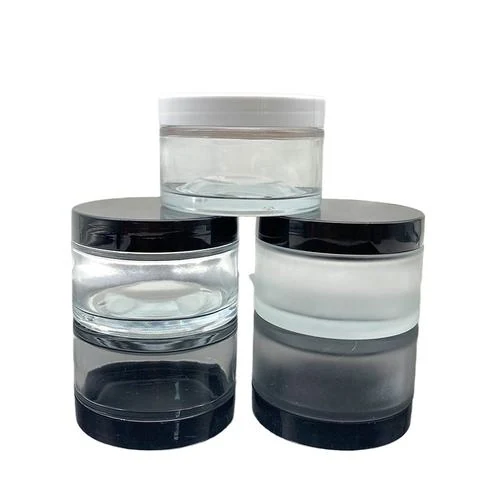
Local wineries and beverage companies play a large role in the demand for glass containers. Cyprus has a long history of wine production, and many wineries package their products in glass bottles that emphasize tradition and quality. Glass also aligns well with the premium positioning of Cypriot wines and artisanal food products sold in export markets.

Government policies supporting manufacturing and export industries also influence the packaging sector. Cyprus encourages food processing and beverage production through industrial development programs. These policies indirectly stimulate demand for packaging materials such as glass bottles and jars.
Key Industries Driving Demand
The glass bottle market in Cyprus is shaped by several industries that rely on durable and attractive packaging. The wine sector is particularly important, as Cyprus exports wine to many international markets.
| Sector | Bottle Application | Market Importance |
|---|---|---|
| Wine Production | Wine bottles | Export and premium branding |
| Spirits | Liqueurs and traditional drinks | Tourism and hospitality |
| Olive Oil | Glass oil bottles | Gourmet food packaging |
| Food Processing | Sauces and specialty foods | Shelf life and preservation |
The olive oil industry also contributes to the demand for glass packaging. Many Cypriot producers prefer dark glass bottles that protect oil from sunlight and maintain product quality.
Another growing segment involves craft beverages and artisanal food brands. These producers often select glass packaging because it reflects authenticity and traditional production methods.
Supply Chain Characteristics
Cyprus has limited large-scale glass manufacturing capacity. As a result, many beverage and food companies import bottles from European manufacturers. This supply model allows producers to access a wide range of bottle designs and production technologies.
Glass bottle suppliers from Europe provide standard wine bottles, spirit bottles, and food containers. These products meet international packaging standards and are compatible with automated bottling lines.
Shipping logistics remain an important factor for the Cypriot packaging market. Because the island relies on maritime trade, efficient port operations are essential for maintaining stable packaging supply.
Local distributors and packaging suppliers play a key role in bridging international manufacturers and Cypriot producers. They help companies source bottles that match product requirements and production volumes.
Sustainability and Recycling Trends
Sustainability has become a major topic within the European packaging industry, and Cyprus follows similar trends. Glass bottles are recyclable and reusable, making them attractive for companies seeking environmentally friendly packaging.
Many restaurants, hotels, and beverage producers on the island participate in recycling programs. These initiatives aim to reduce waste and support circular packaging systems.
Lightweight glass bottle designs also help reduce environmental impact. By using less material, manufacturers can lower production energy consumption and transportation emissions.
As sustainability standards continue to evolve, glass packaging is expected to remain an important solution for Cypriot producers who want both premium presentation and environmental responsibility.
Part 2: Leading Companies
Vasilikon Winery
Vasilikon Winery is one of the well-known wine producers in Cyprus. The winery was established in the Paphos region and has built a strong reputation for producing traditional Cypriot wines. Wine packaging plays a crucial role in presenting these products to domestic and export markets.
The company uses glass bottles that emphasize the heritage of Cypriot winemaking. Bottle shapes often follow classic European designs that convey authenticity and craftsmanship. These bottles protect wine quality while enhancing brand identity.
Vasilikon Winery serves both local restaurants and international export markets. Its wines appear in hotels, tourist destinations, and specialty wine retailers.
Packaging consistency is important for the winery’s production process. Bottles must meet strict dimensional standards to ensure compatibility with bottling equipment and labeling systems.
Kean Soft Drinks Ltd
Kean Soft Drinks Ltd is one of the oldest beverage companies in Cyprus. Founded in the mid-20th century, the company produces a range of juices, soft drinks, and bottled beverages for the domestic market.
Glass bottles have traditionally been part of the company’s packaging system. Some products are packaged in returnable glass bottles that circulate through deposit programs. This system helps reduce packaging waste and supports recycling efforts.
The company distributes beverages to supermarkets, restaurants, and hospitality businesses across the island. Tourism demand plays a strong role in its sales, especially during peak travel seasons.
Consistency in bottle quality is essential for beverage production. Kean works with packaging suppliers that provide durable bottles capable of handling carbonation and transportation.
Vetropack Group
Vetropack Group is a European glass packaging manufacturer that supplies bottles to beverage and food industries across the continent. Although its primary production facilities are located outside Cyprus, the company provides bottles to many Mediterranean markets.
Vetropack produces glass bottles for wine, beer, spirits, and food products. Its technology focuses on precision manufacturing and energy efficient furnace operations.
The company also invests heavily in sustainable glass production. Many of its factories use recycled glass content to reduce environmental impact while maintaining product strength.
For markets like Cyprus, international manufacturers such as Vetropack provide a reliable supply of high-quality bottles. Their production scale allows beverage producers to access consistent packaging for both domestic sales and exports.
| Company | Founded | Core Products | Industries | Certifications |
|---|---|---|---|---|
| Vasilikon Winery | 1990s | Wine bottles | Wine industry | Wine quality standards |
| Kean Soft Drinks Ltd | 1940s | Beverage bottles | Soft drinks and juices | Food safety certifications |
| Vetropack Group | 1911 | Glass bottles and containers | Beverage and food industries | ISO and sustainability certifications |
Industry Structure and Supply Network
The glass bottle industry in Cyprus relies on a mix of domestic users and international suppliers. Local beverage and food producers create steady demand for glass packaging.
Because large-scale glass furnaces require significant investment and energy resources, many bottles are imported from European factories. These suppliers produce high volumes of standardized bottles that meet global packaging requirements.
Local distributors play an important role in managing the supply chain. They store bottles, manage inventory, and deliver packaging to beverage producers when needed.
Another important factor is design customization. Wine and spirits producers often require unique bottle shapes that reflect brand identity. Packaging suppliers collaborate with manufacturers to create molds that match these requirements.
As tourism and food exports continue to grow, the demand for specialized glass packaging may also increase.
Part 3: Trade Shows and Industry Events
Cyprus International Food & Beverage Exhibition
The Cyprus International Food & Beverage Exhibition is one of the island’s key trade events for the food and hospitality industries. Producers, distributors, and packaging suppliers attend the exhibition to explore business opportunities.
The event typically takes place in major exhibition centers and attracts both domestic and international participants. Beverage companies and wineries often showcase products packaged in glass bottles during the exhibition.
Packaging suppliers use the event to present bottle designs, labeling technologies, and packaging solutions. The exhibition helps connect producers with suppliers and distributors.
Cyprus Wine Festival
The Cyprus Wine Festival is one of the country’s most well-known cultural and industry events. While it celebrates local wine traditions, it also functions as an important marketing platform for wineries and beverage companies.

During the festival, wineries present their wines to both tourists and local consumers. Glass bottles play a central role in displaying these products.
The event highlights Cyprus’s long history of winemaking and promotes local brands in international markets.
| Event | Date | Location | Highlights |
|---|---|---|---|
| Cyprus International Food & Beverage Exhibition | Annual | Cyprus | Food industry networking and packaging solutions |
| Cyprus Wine Festival | Annual | Limassol | Wine promotion and tourism attraction |
Importance of Trade Exhibitions
Trade exhibitions serve as important networking platforms for the packaging and beverage industries. Manufacturers, suppliers, and buyers gather to discuss trends and explore new partnerships.
Glass bottle manufacturers often use these events to display new bottle shapes and lightweight designs. These innovations help beverage brands improve product presentation while reducing transportation costs.
Exhibitions also provide opportunities for knowledge exchange. Industry experts discuss sustainability, recycling systems, and packaging regulations.
Another benefit involves export development. Cyprus exports wine and food products to many international markets. Trade exhibitions help producers understand packaging standards required for global distribution.
For packaging suppliers, these events create opportunities to build relationships with wineries, food companies, and hospitality businesses.
Part 4: Impact of Global Trade Policies
Global trade policies significantly influence the glass bottle market in Cyprus. Import regulations, transportation costs, and trade agreements all affect how packaging materials move across borders.

As a member of the European Union, Cyprus follows EU trade policies and standards. These regulations influence packaging production, recycling targets, and environmental requirements.
Raw Materials and Production Factors
Glass manufacturing requires raw materials such as silica sand, soda ash, and limestone. These materials must be processed at very high temperatures in continuous furnaces.
Energy availability plays an important role in determining where glass manufacturing facilities operate. Countries with stable energy infrastructure often host large glass production plants.
For Cyprus, importing bottles from European manufacturers can be more efficient than building large domestic factories.
Regional Trade Advantages
European trade agreements allow packaging materials to move relatively easily between member states. This system supports a reliable supply chain for industries that depend on glass containers.
Cypriot beverage producers benefit from access to high-quality European packaging suppliers. These manufacturers produce bottles that meet strict safety and quality standards.
The island’s strategic location in the eastern Mediterranean also provides access to nearby markets in the Middle East and North Africa.
Global Competition and Collaboration
The global glass packaging industry includes many multinational companies that operate advanced manufacturing facilities. Their large production capacity allows them to supply bottles to many countries.
At the same time, local distributors and smaller manufacturers contribute flexibility to regional markets. They help companies source specialized bottles and manage logistics.
Collaboration between international suppliers and local producers often leads to more efficient supply chains. Beverage companies can access high-quality packaging while maintaining reliable delivery schedules.
Part 5: Conclusion
Cyprus’s glass bottle market reflects the island’s strong beverage and food industries. Wine production, soft drink manufacturing, and gourmet food exports all depend on reliable packaging solutions. Glass bottles continue to play an essential role because they protect product quality and support premium branding.
The industry also faces challenges such as limited domestic production capacity and reliance on imported packaging materials. However, strong trade connections with European manufacturers and growing export markets provide stable supply opportunities. As tourism and specialty food production continue to expand, the demand for high-quality glass bottles in Cyprus is expected to remain steady.