Skip to content
Part 1: Market Size and Growth
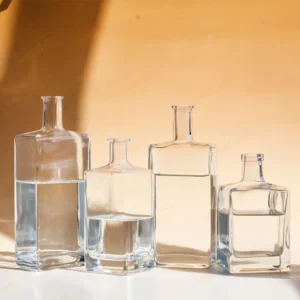
The glass bottle industry in Dubai has grown fast during the last decade. The city sits at the center of trade routes that connect Asia, Europe, and Africa. This location makes it easy for packaging manufacturers to serve many markets. Many beverage, perfume, and food brands choose glass bottles because they look premium and keep products safe.
Dubai has also built strong logistics networks and free trade zones. These systems make it easier for manufacturers to import raw materials and export finished bottles. As a result, many global brands use Dubai as a regional hub for packaging supply and distribution. The city has become an important market for glass packaging in the Middle East.
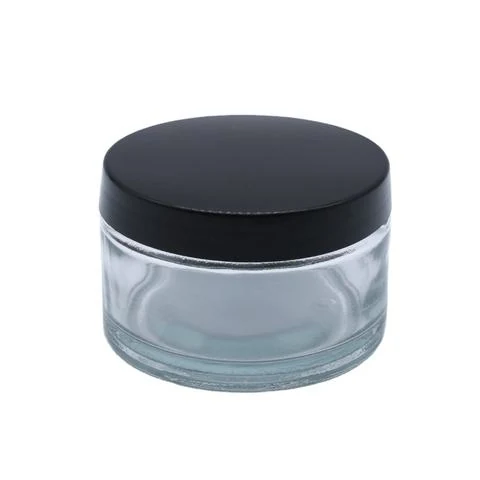
The demand for glass bottles in Dubai mainly comes from beverage companies, perfume brands, and food packaging businesses. Water, soft drinks, juices, and luxury perfumes are major segments that rely on glass containers. Glass is often preferred because it is recyclable, chemical-stable, and gives products a premium feel.
Hotels, restaurants, and tourism businesses also drive demand. Dubai receives millions of visitors each year. Hospitality companies use glass bottles for beverages, olive oil, sauces, and decorative packaging. This steady demand encourages packaging companies to invest in advanced glass production lines and design capabilities.
Government policy also supports industrial growth. Dubai and the UAE promote manufacturing diversification to reduce reliance on oil. Industrial zones such as Jebel Ali Free Zone attract packaging companies with tax benefits and strong infrastructure. Investment in sustainability and recycling also pushes glass manufacturers to adopt greener production methods.
Key Demand Drivers
| Sector | Typical Products | Why Glass Is Used |
|---|---|---|
| Beverage | Water, juice, soda | Taste protection and premium image |
| Perfume | Luxury fragrance bottles | Design flexibility and brand value |
| Food | Sauces, oils, condiments | Chemical safety and shelf life |
| Hospitality | Table water, decorative bottles | Reusable and aesthetic |
Glass packaging also benefits from environmental trends. Consumers in many markets prefer recyclable materials over plastic. Glass bottles can be recycled repeatedly without losing quality. Because of this, many brands now shift part of their packaging from plastic to glass containers.
Dubai’s role as a logistics hub strengthens this transition. Manufacturers in the region can produce bottles locally and ship them quickly to nearby markets. These markets include Saudi Arabia, Qatar, Oman, and parts of Africa. Over time, regional demand continues to expand.
Part 2: Leading Companies
Saverglass Middle East
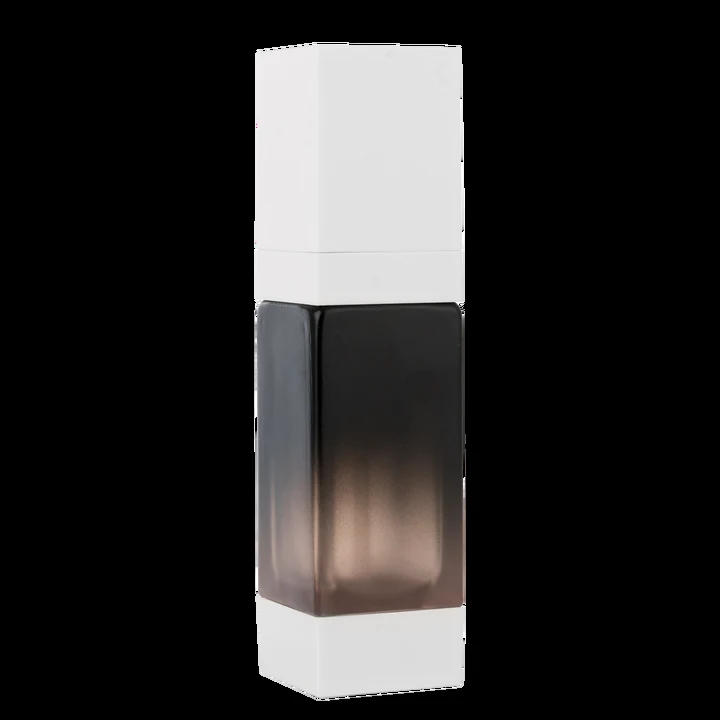
Saverglass Middle East is part of the global Saverglass Group, a well-known manufacturer of premium glass bottles for wines and spirits. The company established operations in the UAE to serve luxury beverage brands across the Middle East and nearby markets. Its presence in Dubai helps global brands source premium glass packaging closer to emerging markets.
The company focuses on high-end glass bottle design and decoration. Its products include bottles for wine, whisky, cognac, and premium spirits. Saverglass also offers decoration techniques such as silk screen printing, engraving, and special coatings. These features help beverage brands create strong visual identity on store shelves.
Many global alcohol brands rely on Saverglass for customized packaging. The company serves wineries, distilleries, and luxury beverage brands. Its bottles often appear in high-end restaurants and hotel bars across the region. Strong design capability allows the company to turn a simple bottle into a powerful branding tool.
Saverglass also invests heavily in sustainability and quality control. Its facilities follow strict international manufacturing standards. The company promotes recycled glass use and energy-efficient furnaces to reduce environmental impact. These efforts align with global trends toward sustainable packaging.
Middle East Glass Manufacturing Company (MEG)
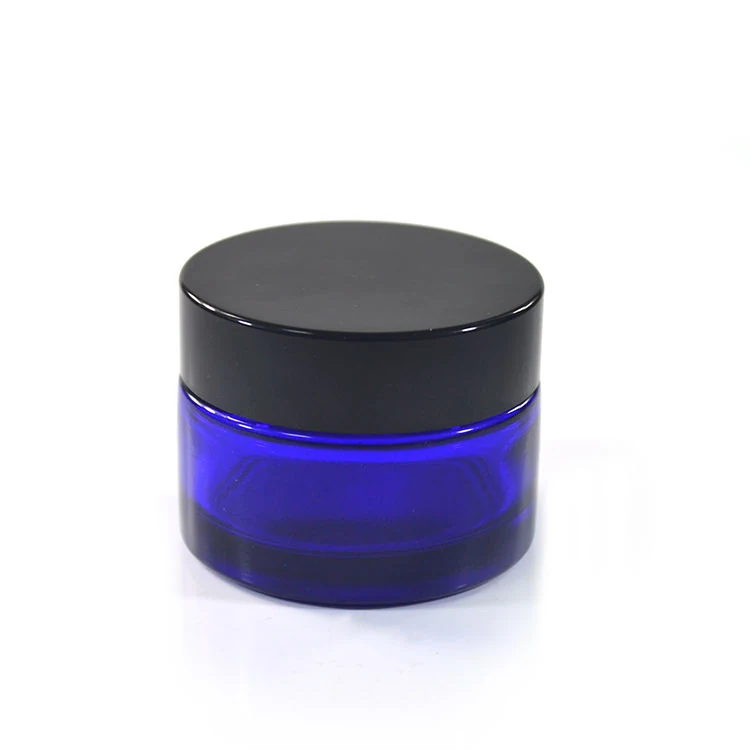
Middle East Glass Manufacturing Company, often known as MEG, is one of the largest glass container producers in the region. The company was established to support the growing beverage industry in the Middle East. Its large production capacity allows it to supply millions of bottles to beverage brands each year.
MEG produces a wide range of glass containers. These include bottles for carbonated drinks, juices, beer, and food products. The company also manufactures pharmaceutical containers and specialty packaging. Its factories use modern glass forming technology to maintain consistent quality.
The company works with both regional and international brands. Beverage producers often require large volumes and stable supply chains. MEG focuses on efficiency and scale to meet these needs. This makes the company a key supplier for major beverage bottlers in the Middle East.
Innovation is another important focus. MEG invests in lightweight glass designs that reduce material use while maintaining strength. These improvements help lower transportation costs and reduce environmental impact. Lightweight glass technology has become an important trend in the packaging industry.
Gerresheimer Middle East
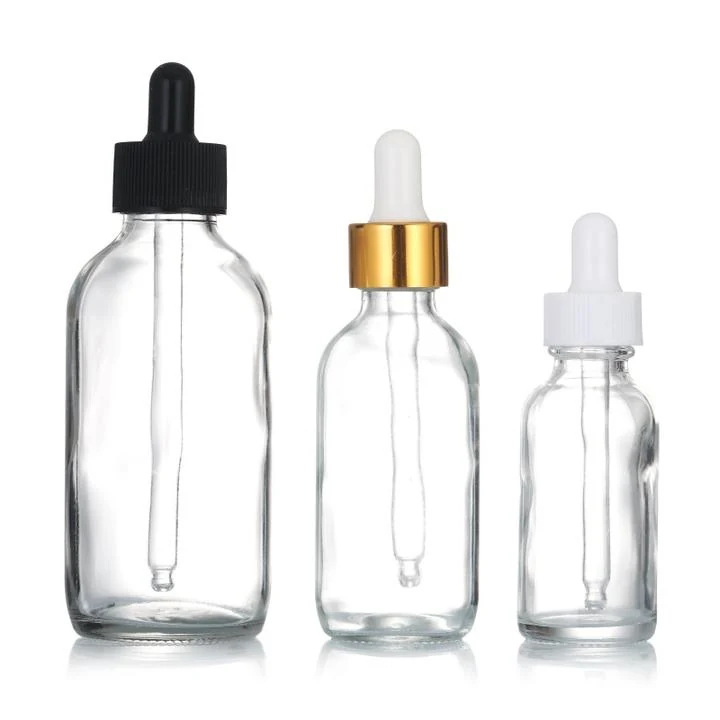
Gerresheimer is a global packaging manufacturer known for pharmaceutical and specialty glass products. The company operates in many regions and serves industries that require high safety standards. Its Middle East operations help supply pharmaceutical packaging to healthcare companies across the region.
Gerresheimer focuses on high-precision glass containers. These include medicine bottles, vials, and specialized packaging for healthcare products. Pharmaceutical companies rely on glass because it is chemically stable and protects sensitive formulas.
The company combines advanced engineering with strict quality systems. Its facilities follow international standards for pharmaceutical manufacturing. These certifications ensure that packaging meets global healthcare regulations.
Gerresheimer also develops innovative materials and production methods. The company invests in research to improve durability, safety, and sustainability. As pharmaceutical markets expand in the Middle East, demand for high-quality glass packaging continues to grow.
Company Comparison
| Company | Founded | Core Products | Industries | Certifications |
|---|---|---|---|---|
| Saverglass Middle East | 1897 (Group) | Premium wine and spirits bottles | Beverage, luxury brands | ISO standards |
| Middle East Glass (MEG) | 1979 | Beverage and food containers | Beverage, food | ISO quality systems |
| Gerresheimer | 1864 | Pharmaceutical glass containers | Healthcare, pharma | GMP, ISO certifications |
Part 3: Trade Shows and Industry Events
Gulfood Manufacturing
Gulfood Manufacturing is one of the largest food industry events in the Middle East. The exhibition takes place every year in Dubai and attracts companies from across the global food supply chain. Packaging manufacturers, including glass bottle suppliers, often participate to connect with food and beverage brands.
The event usually takes place at the Dubai World Trade Centre. Thousands of exhibitors and visitors attend the exhibition each year. Many packaging companies use this event to introduce new bottle designs and sustainable packaging solutions.
The exhibition also features technology showcases and industry forums. Speakers discuss topics such as packaging innovation, recycling, and supply chain efficiency. These discussions help businesses understand new trends in the global packaging market.
ArabPlast Exhibition
ArabPlast is another major industrial exhibition held in Dubai. The event focuses on plastics, petrochemicals, and packaging technology. Although plastics are the main focus, glass packaging companies also participate to present sustainable alternatives.
The exhibition attracts manufacturers, distributors, and technology providers. Many packaging equipment suppliers demonstrate new production machinery and automation systems. These technologies help glass manufacturers improve production efficiency.
ArabPlast also acts as a networking platform. Industry professionals meet potential suppliers, partners, and investors. This interaction supports collaboration and technology exchange in the packaging industry.
Event Summary
| Event | Date | Location | Highlights |
|---|---|---|---|
| Gulfood Manufacturing | Annual (November) | Dubai World Trade Centre | Food processing and packaging technology |
| ArabPlast | Biennial | Dubai World Trade Centre | Plastics and packaging industry innovation |
Part 4: Impact of Global Trade Policies
Global trade policies play a strong role in the glass bottle industry. Many manufacturers rely on imported raw materials such as silica sand, soda ash, and limestone. Changes in tariffs or trade agreements can influence production costs and supply stability.
The Middle East benefits from relatively open trade policies. Many countries in the region maintain low tariffs on industrial materials. This policy helps glass manufacturers import raw materials and export finished bottles to global markets.
At the same time, sustainability policies are becoming more important. Governments encourage recycling and reduced plastic use. These policies support the growth of glass packaging because glass is widely recyclable and environmentally friendly.
Supply chain risks also affect the industry. Global events such as shipping disruptions or energy price increases can raise manufacturing costs. Glass production requires high temperatures, so energy costs play a large role in overall expenses.
Despite these challenges, international trade also creates opportunities. Dubai’s logistics infrastructure allows manufacturers to serve markets across the Middle East, Africa, and South Asia. Companies that combine efficient production with strong logistics networks gain a major competitive advantage.
Key Trade Policy Factors
| Factor | Impact on Glass Bottle Industry |
|---|---|
| Tariffs on raw materials | Influence production cost |
| Energy prices | Affect furnace operation expenses |
| Recycling policies | Increase demand for glass packaging |
| Regional trade agreements | Expand export opportunities |
Part 5: Conclusion
The glass bottle manufacturing sector in Dubai continues to grow as demand for premium and sustainable packaging increases. Beverage brands, perfume companies, and food producers all rely on glass containers to protect products and enhance brand value. Dubai’s strong logistics network and supportive industrial policies help position the city as a regional packaging hub.
At the same time, the industry faces several challenges. Energy costs, supply chain disruptions, and environmental regulations require companies to adapt quickly. Manufacturers that invest in technology, sustainable production, and creative bottle design will remain competitive in the global packaging market.