Skip to content
Part 1: Market Size and Growth
Egypt has a long history in glass production that dates back thousands of years. Ancient Egyptian craftsmen were among the earliest people to produce decorative glass objects and containers. Today the country continues this tradition through a modern glass manufacturing sector that supplies bottles and containers for many industries. Glass bottles remain an essential packaging choice for beverages, food products, pharmaceuticals, and cosmetics across the Egyptian market.
Modern Egyptian glass manufacturing combines traditional expertise with industrial-scale production. Many factories operate large furnaces that produce millions of bottles each year. These bottles are used by beverage companies, food producers, and pharmaceutical manufacturers throughout the Middle East and North Africa. Egypt’s geographic location between Africa, Europe, and Asia also helps the country serve export markets.
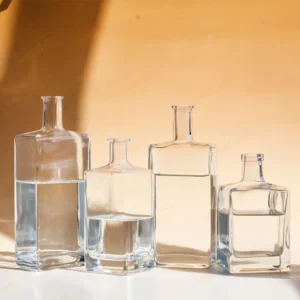
The demand for glass bottles in Egypt is strongly connected to the beverage sector. Soft drinks, bottled water, beer, and juices all rely on glass containers for packaging. Glass protects product flavor, prevents contamination, and offers strong resistance to chemical reactions. Because of these benefits, many beverage companies continue to use glass bottles alongside plastic packaging.
The food processing industry also supports steady demand. Products such as sauces, pickles, jams, and cooking oils are commonly packed in glass jars or bottles. These containers preserve freshness and help consumers see the product clearly.
Key Demand Drivers
Several economic and industrial factors help maintain demand for glass bottles in Egypt. The beverage industry remains the largest consumer of glass packaging. At the same time, growth in food processing and pharmaceutical manufacturing increases the need for high-quality glass containers.
| Demand Driver | Industry Impact |
|---|---|
| Beverage production | Large demand for beer and soft drink bottles |
| Food processing industry | Jars and bottles for sauces and oils |
| Pharmaceutical sector | Medical-grade glass containers |
| Export of packaged goods | Need for durable packaging |
Another important factor is the country’s growing population. As population increases, demand for packaged food and beverages grows as well. This growth creates consistent demand for bottle manufacturers that can supply large volumes of containers.
Industrial Clusters and Manufacturing Capacity
Most glass bottle production in Egypt is concentrated in industrial areas near Cairo, Alexandria, and the Suez Canal region. These locations offer access to transportation networks, ports, and raw materials needed for glass production.
Manufacturers rely on raw materials such as silica sand, soda ash, and limestone. Egypt has abundant silica sand resources, which helps support domestic glass production. These raw materials are melted in high-temperature furnaces to produce molten glass that can be shaped into bottles and jars.
Automation has gradually increased in Egyptian glass factories. Modern production lines use forming machines, inspection systems, and robotic packaging equipment. These technologies help maintain consistent bottle quality and reduce defects during manufacturing.
Sustainability and Recycling Efforts
Environmental awareness is increasing within Egypt’s glass industry. Glass is fully recyclable and can be reused multiple times without losing quality. Recycling programs are gradually expanding in major cities to collect used glass containers.
Manufacturers often incorporate recycled glass, also known as cullet, into the production process. Using cullet lowers the melting temperature required in furnaces, which reduces energy consumption. Lower energy use helps reduce both production costs and environmental impact.
Some beverage companies also operate returnable glass bottle systems. Consumers return empty bottles to retailers, and manufacturers clean and reuse them. This system extends the life cycle of each bottle and reduces waste.
Export Markets and Regional Trade
Egypt’s strategic location provides access to international markets. Glass bottle manufacturers export products to neighboring countries in the Middle East and North Africa. These markets include beverage producers, food companies, and pharmaceutical firms.
Shipping glass containers requires strong packaging and logistics planning. Manufacturers often use reinforced pallets and protective packaging to reduce breakage during transportation.
International trade agreements also influence the industry. Egypt participates in several regional trade partnerships that facilitate export opportunities. These agreements help manufacturers expand beyond domestic demand and reach new customers.
The combination of local raw materials, strategic geography, and strong beverage demand supports continued development of Egypt’s glass bottle industry. While the sector faces competition from plastic packaging, glass remains a trusted material for quality and safety.
Part 2: Leading Companies
Middle East Glass Manufacturing Company (MEG)
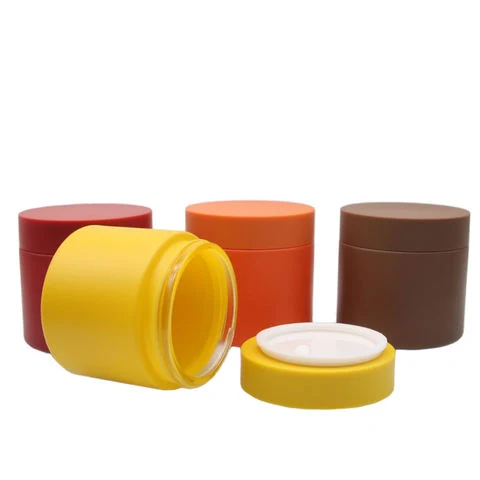
Middle East Glass Manufacturing Company is one of the most prominent glass container producers in Egypt. The company was established in the late twentieth century and has become a key supplier of beverage bottles in the region.
MEG specializes in glass bottles used by beverage manufacturers. Its product range includes bottles for soft drinks, beer, juices, and mineral water. The company operates large-scale production facilities equipped with modern forming machines and inspection systems.
The company works closely with major beverage brands operating in Egypt and neighboring markets. Stable supply and consistent bottle quality are essential for these customers because filling lines operate at high speeds.
MEG also focuses on sustainability initiatives. The company uses recycled glass materials and works to improve furnace efficiency. These efforts help reduce energy consumption and support environmentally responsible manufacturing.
Sphinx Glass
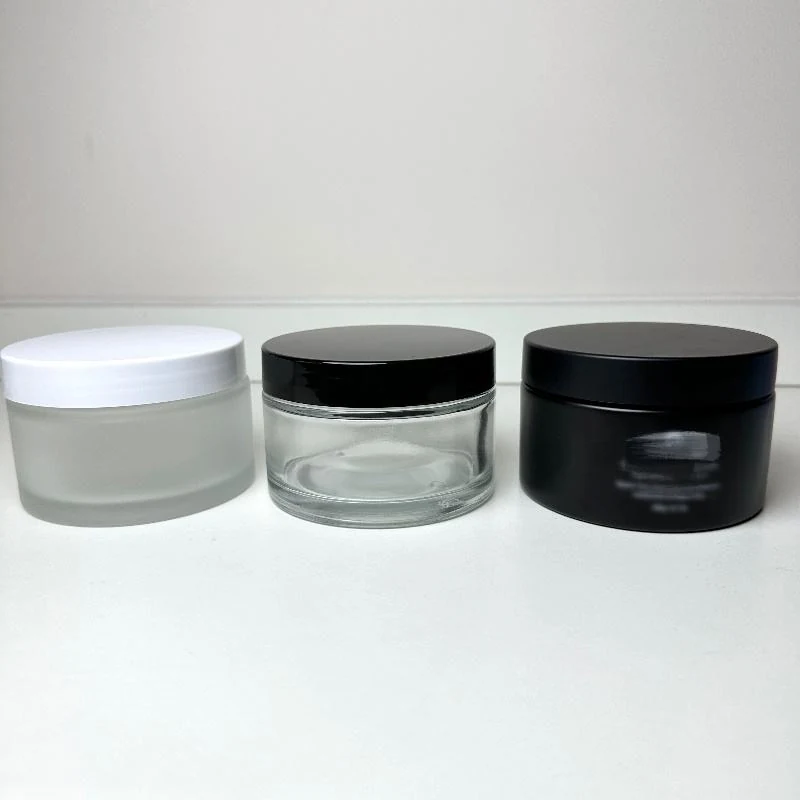
Sphinx Glass is another major glass manufacturer in Egypt. The company was established to support the country’s growing demand for glass packaging and flat glass products.
Although Sphinx Glass produces several types of glass, it also supplies containers used for food and beverage packaging. Its manufacturing facilities use advanced furnace technology to produce high-quality glass products.
The company emphasizes innovation and technological development. Engineers continuously improve production methods to increase efficiency and reduce waste during manufacturing.
Sphinx Glass also works with international partners to adopt modern glass production technologies. These collaborations help the company maintain competitive standards within the global glass industry.
Nile Glass Company
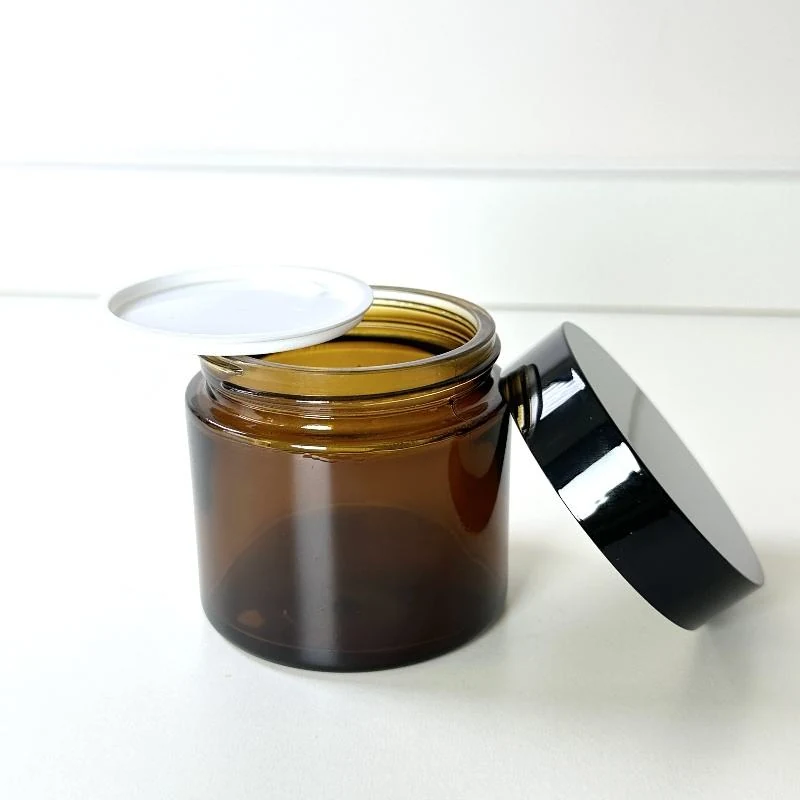
Nile Glass Company is a packaging supplier that provides glass bottles and jars for various industries in Egypt. The company focuses on supporting local beverage and food manufacturers.
Its product portfolio includes bottles for beverages as well as jars for sauces, pickles, and other packaged foods. These containers are designed to withstand transportation and storage conditions across regional markets.
Nile Glass works closely with customers to provide packaging solutions that match their production needs. This cooperation includes bottle design, mold development, and packaging consultation.
Quality assurance is a major part of the company’s operations. Inspection systems check bottle weight, thickness, and shape to ensure consistent product performance during filling and distribution.
| Company | Founded | Core Products | Industries | Certifications |
|---|---|---|---|---|
| Middle East Glass Manufacturing Company | 1970s | Beverage bottles | Soft drinks, beer, juices | Quality and environmental standards |
| Sphinx Glass | 2000s | Glass containers and flat glass | Food, beverage, construction | International manufacturing certifications |
| Nile Glass Company | 20th century | Glass bottles and jars | Food and beverage | Packaging safety standards |
Part 3: Trade Shows and Industry Events
Propak MENA
Propak MENA is one of the most important packaging and processing exhibitions in the Middle East and North Africa region. The event brings together manufacturers, packaging suppliers, and technology providers.
The exhibition is usually held in Cairo and attracts participants from across Africa and the Middle East. Visitors include beverage companies, food processors, and pharmaceutical manufacturers searching for packaging solutions.
Glass bottle manufacturers attend Propak MENA to present new packaging designs and production technologies. The event also provides opportunities to build partnerships with regional distributors and product brands.
Food Africa Exhibition
Food Africa is a major trade event focused on the food and beverage sector in Egypt and surrounding markets. Many packaging suppliers participate because food products require reliable containers for storage and transportation.
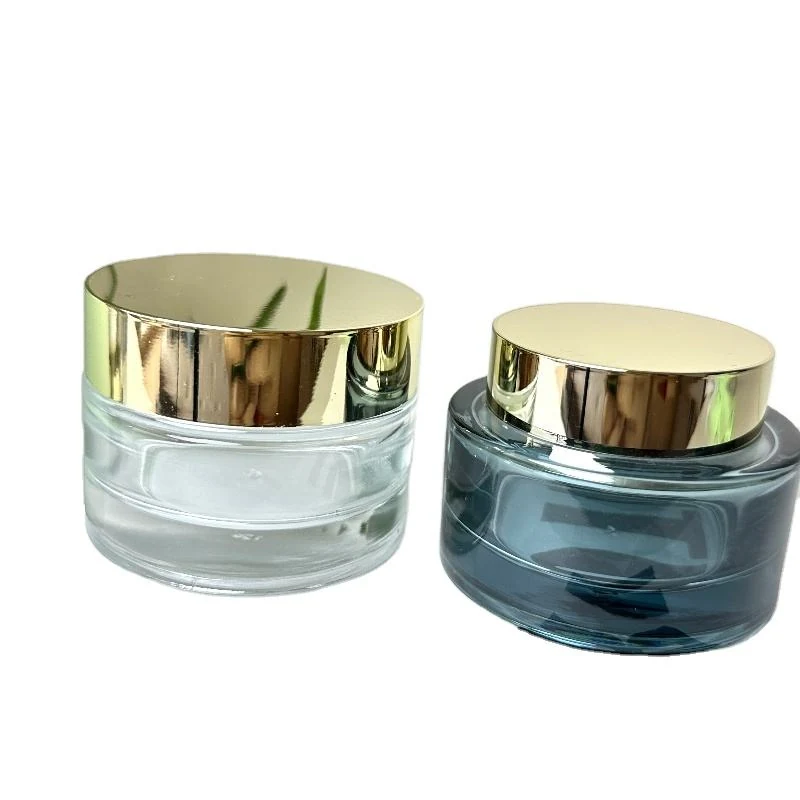
The exhibition typically takes place in Cairo and attracts international buyers and suppliers. Glass bottle producers often showcase containers designed for sauces, oils, beverages, and gourmet foods.
Events like Food Africa help manufacturers understand market trends and connect with new customers. These exhibitions also highlight new packaging technologies and sustainability initiatives within the industry.
| Event | Date | Location | Highlights |
|---|---|---|---|
| Propak MENA | Annual | Cairo, Egypt | Packaging technology and processing equipment |
| Food Africa | Annual | Cairo, Egypt | Food production and packaging innovations |
Part 4: Impact of Global Trade Policies
Global trade policies influence Egypt’s glass bottle manufacturing sector in several ways. Many local manufacturers depend on both domestic demand and exports to maintain production volumes.
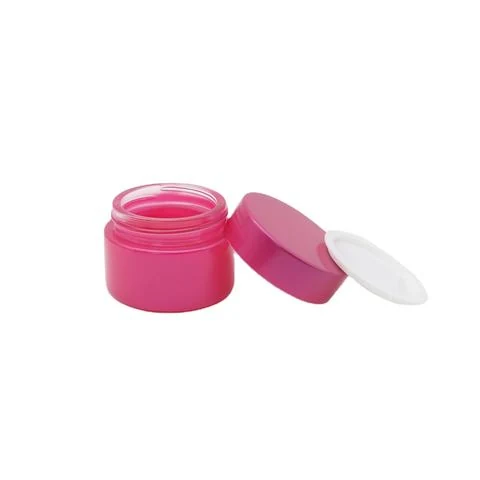
Trade agreements between Egypt and other countries help manufacturers export bottles and packaged goods to international markets. Regional trade partnerships within Africa and the Middle East create additional opportunities for glass packaging suppliers.
Energy costs are another important factor. Glass furnaces require extremely high temperatures, and energy prices can significantly affect production expenses. Government energy policies therefore have direct impact on manufacturing operations.
Environmental policies also influence packaging trends. Governments and international organizations increasingly encourage recyclable packaging materials. Glass bottles meet these requirements because they can be recycled repeatedly without losing quality.
Global competition also affects the Egyptian market. Manufacturers in Europe, Turkey, and Asia supply glass containers to many regions. Egyptian companies must therefore maintain competitive pricing and reliable production standards.
Despite these challenges, Egypt’s geographic position and industrial capacity provide strong advantages. The country can serve markets in Africa, the Middle East, and parts of Europe with relatively short shipping distances.
Part 5: Conclusion
Egypt’s glass bottle manufacturing industry continues to play a vital role in supporting the country’s beverage, food, and pharmaceutical sectors. The combination of local raw materials, experienced manufacturers, and strategic geographic location helps sustain the industry. Glass containers remain a reliable and sustainable packaging solution for many products produced in Egypt.
Looking forward, the industry is expected to evolve through technological upgrades and stronger recycling initiatives. Manufacturers must manage energy costs, global competition, and environmental regulations. Companies that invest in modern production technology and sustainable practices will likely remain competitive in the regional and global glass packaging markets.