Skip to content

Part 1: Market Size and Growth
Eritrea has a relatively small manufacturing sector, and the glass bottle industry is still developing. The country sits along the Red Sea in the Horn of Africa and maintains important trade connections with nearby African and Middle Eastern markets. This geographic position gives Eritrea potential advantages in regional logistics and maritime trade.
Glass bottles play an important role in packaging for beverages, food products, and pharmaceuticals. Local breweries, mineral water brands, and food processors depend on glass packaging because it preserves flavor and maintains product safety. Glass is also widely preferred for premium beverages because it conveys quality and durability.
Government initiatives aimed at strengthening industrial capacity have gradually improved manufacturing conditions. Industrial development zones and port facilities in cities such as Massawa support logistics and trade. These infrastructure improvements create opportunities for packaging industries to expand in the future.
Structure of Eritrea’s Glass Packaging Market
The glass packaging sector in Eritrea is relatively limited compared with larger African economies. Many companies rely on imported glass containers from regional suppliers.
Local businesses often focus on packaging distribution and bottle recycling rather than full-scale glass production. These companies import glass bottles, manage storage, and supply packaging materials to beverage and food manufacturers.
Demand for glass bottles mainly comes from beverage production. Breweries, bottled water companies, and soft drink manufacturers require large quantities of glass containers for packaging.
Hospitality businesses also contribute to demand. Restaurants, hotels, and cafés rely on bottled beverages and packaged products. As urban development continues in cities such as Asmara and Massawa, the demand for packaged goods gradually increases.
Regional Trade and Logistics
Eritrea’s location on the Red Sea provides important maritime trade access. Ports such as Massawa and Assab historically served as major logistics hubs for the region.
Packaging materials often arrive through these ports before moving inland to manufacturing centers. Importers and distributors coordinate supply chains that deliver glass bottles to beverage producers and food companies.
| Segment | Key Demand Drivers | Typical Products | Main Buyers |
|---|---|---|---|
| Beverage | Breweries and water companies | Beer bottles | Beverage brands |
| Food | Cooking oils and sauces | Glass storage bottles | Food processors |
| Pharmaceuticals | Medical packaging | Medicine bottles | Healthcare suppliers |
| Cosmetics | Beauty products | Small glass containers | Cosmetic brands |
The beverage sector represents the largest consumer of glass bottles in Eritrea. Breweries and beverage brands rely on durable glass containers that can withstand transportation and storage.
The pharmaceutical sector also uses glass packaging for certain medicines. Glass provides chemical stability and protects sensitive medical products from contamination.
Production Technology and Supply Chains
Glass bottle manufacturing requires specialized equipment and high-temperature furnaces. Raw materials such as silica sand, soda ash, and limestone must be melted at temperatures exceeding 1,500 degrees Celsius.
Once the glass becomes molten, automated machines form the material into bottles using molds. These molds determine the shape and capacity of each container.
Quality control systems monitor temperature, pressure, and glass thickness during production. Consistent quality is essential because packaging must meet strict safety standards for beverages and pharmaceuticals.
Recycling also plays a major role in the glass industry. Broken glass, known as cullet, can be melted again and reused in manufacturing. This process reduces energy consumption and lowers the demand for raw materials.
Industry Challenges
Despite the importance of glass packaging, Eritrea’s industry faces several challenges. Limited industrial infrastructure makes large-scale glass manufacturing difficult.
Energy supply also affects production capacity because glass furnaces require continuous high temperatures. Reliable energy infrastructure is essential for stable manufacturing operations.
| Challenge | Impact | Industry Response |
|---|---|---|
| Limited industrial capacity | Reliance on imports | Regional supply partnerships |
| Energy availability | High production costs | Energy efficiency improvements |
| Logistics constraints | Higher transport costs | Maritime trade networks |
| Market size | Limited domestic demand | Import-based packaging supply |
Even with these challenges, demand for glass packaging remains stable. As Eritrea’s food and beverage sectors continue to grow, packaging demand is expected to increase gradually.
Part 2: Leading Companies
The glass bottle supply chain in Eritrea includes beverage companies, packaging distributors, and regional suppliers. These organizations ensure that food and beverage industries have access to reliable packaging materials. Many companies operate within broader regional trade networks that connect manufacturing centers with local markets.
Asmara Brewery Packaging Operations

Asmara Brewery is one of the most well-known beverage producers in Eritrea. The company produces beer and other beverages that are widely distributed across the country.
Its packaging operations focus on managing glass bottle supply for beverage production. The company sources bottles from regional manufacturers and maintains quality standards for packaging used in its production lines.
The company mainly serves the beverage industry and distributes products through national distribution networks. Glass bottles used by the brewery are designed to withstand multiple reuse cycles.
Innovation efforts focus on bottle recycling and reuse programs. Reusable glass bottles help reduce packaging costs while supporting sustainable production practices.
Red Sea Packaging Supply
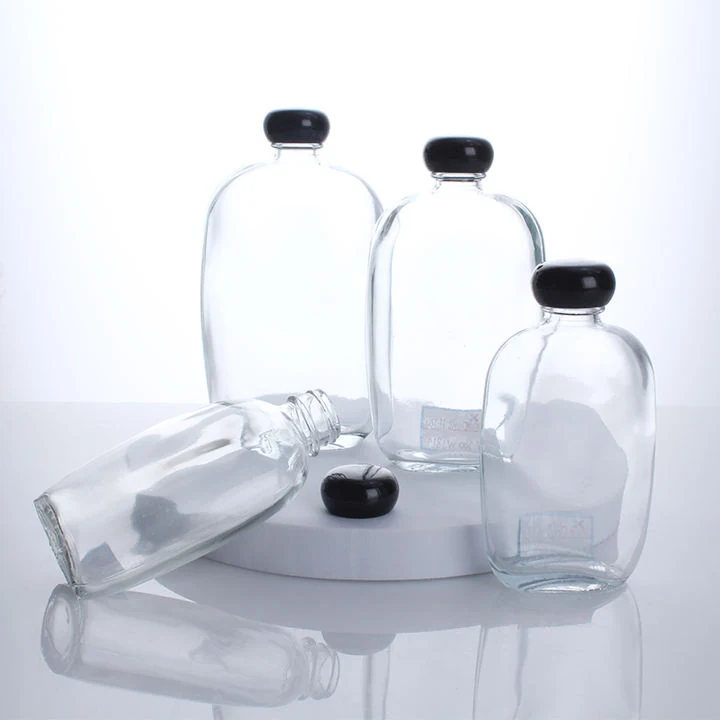
Red Sea Packaging Supply operates as a distributor of packaging materials in Eritrea. The company supplies glass bottles and containers to food and beverage businesses.
Its product portfolio includes beverage bottles, food storage jars, and pharmaceutical containers. Many of these products are imported from international glass manufacturers.
The company serves industries such as beverage production, food processing, and cosmetic manufacturing. Businesses rely on its distribution network to maintain stable packaging supply.
The company focuses on improving logistics efficiency and warehouse management. Quality standards ensure that imported packaging products meet industry requirements.
Horn of Africa Packaging Solutions

Horn of Africa Packaging Solutions operates as a regional supplier of packaging materials across East Africa. The company works with manufacturers and distributors in several countries, including Eritrea.
The company provides glass bottles used for beverages, cooking oils, sauces, and cosmetic products. Its distribution network connects packaging manufacturers with local businesses that require glass containers.
Industries served include beverage production, food processing, and personal care products. Many companies depend on the supplier’s regional logistics network.
| Innovation efforts focus on improving packaging durability and optimizing supply chain management. These improvements help reduce transportation damage and maintain product quality during distribution. | Company | Founded | Core Products | Industries | Certifications |
|---|---|---|---|---|---|
| Asmara Brewery Packaging | 1930s | Beer bottles | Beverage | Food safety certifications | |
| Red Sea Packaging Supply | 2000s | Bottles and jars | Food & Beverage | Packaging safety standards | |
| Horn of Africa Packaging Solutions | 2000s | Glass containers | Beverage, Cosmetics | Regional quality certifications |
Part 3: Trade Shows and Industry Events
Industry exhibitions help packaging suppliers and manufacturers connect with potential customers and partners. These events provide opportunities to showcase packaging technology and explore supply chain cooperation. Trade shows are important platforms for companies seeking to expand their market presence.

Asmara International Trade Fair
The Asmara International Trade Fair is one of the most important business events in Eritrea. Companies from sectors such as manufacturing, agriculture, food production, and packaging participate in the exhibition.

The event takes place in Asmara and attracts visitors from across the Horn of Africa. Packaging suppliers attend the fair to present products and establish partnerships with local businesses.
The exhibition creates opportunities for beverage companies, food processors, and packaging distributors to connect and explore supply chain solutions.
Propak East Africa
Propak East Africa is a major packaging and processing exhibition held in Nairobi, Kenya. The event attracts packaging manufacturers and industrial suppliers from across Africa.

The exhibition focuses on packaging technology, manufacturing equipment, and supply chain innovation. Glass bottle manufacturers participate to present new packaging designs and production technologies.
| Thousands of visitors attend the event each year. Companies often use the exhibition to develop regional distribution partnerships. | Event | Date | Location | Highlights |
|---|---|---|---|---|
| Asmara International Trade Fair | Annual | Asmara, Eritrea | Regional industry exhibition | |
| Propak East Africa | Annual | Nairobi, Kenya | Packaging and processing technology |
Part 4: Impact of Global Trade Policies
Global trade policies play a major role in Eritrea’s glass bottle supply chain. Since the country relies on imported packaging materials, tariffs, trade agreements, and logistics routes strongly influence industry costs. Trade relationships with neighboring African countries and international suppliers determine how packaging materials reach local industries.
Regional economic cooperation helps reduce trade barriers for industrial goods. Packaging distributors in Eritrea often work with suppliers from East Africa, the Middle East, and Asia.
These trade relationships allow companies to import glass bottles and packaging materials required for beverage and food production.
However, global competition remains strong. Large glass manufacturing countries operate advanced production facilities with high output capacity and lower manufacturing costs.
Supply Chain and Industrial Policy
Glass bottle manufacturing depends on several key raw materials. Silica sand, soda ash, and limestone must be available at stable prices to maintain production efficiency.
Energy supply is another critical factor because glass furnaces require continuous high-temperature operations.
| Policy Factor | Industry Impact | Manufacturer Response |
|---|---|---|
| Regional trade agreements | Improved import access | Regional supplier partnerships |
| Energy pricing | Production cost pressure | Efficiency improvements |
| Import tariffs | Packaging cost fluctuations | Supplier diversification |
| Environmental regulations | Recycling initiatives | Sustainable packaging programs |
Packaging distributors often maintain relationships with multiple suppliers to reduce supply chain risks. This approach helps ensure consistent availability of glass bottles.
Sustainability Trends
Sustainability is becoming increasingly important in the global packaging industry. Consumers and companies now prefer materials that can be recycled and reused.
Glass packaging provides strong environmental advantages. It is fully recyclable and does not release harmful chemicals into food or beverages.
Manufacturers and distributors are gradually introducing bottle recycling systems to improve environmental performance. These initiatives support long-term sustainability while reducing waste in packaging supply chains.
Part 5: Conclusion
The glass bottle supply sector in Eritrea remains relatively small but plays an important role in supporting the beverage, food, and pharmaceutical industries. Regional trade networks and maritime logistics routes provide access to packaging materials for local businesses. As the country continues to develop its industrial capacity, opportunities for packaging production may gradually expand.
At the same time, the industry faces several challenges, including limited manufacturing infrastructure, energy supply constraints, and dependence on imported packaging materials. Companies that strengthen regional supply chains and invest in efficient distribution systems will remain competitive. With continued economic development and improved trade connections, Eritrea’s glass packaging sector has potential for steady long-term growth.