Skip to content
Part 1: Market Size and Growth
Estonia has a relatively small but dynamic glass packaging market. The country’s manufacturing sector is not as large as those in major European economies, yet glass containers remain essential for food, beverage, and pharmaceutical packaging. Glass bottles continue to be valued for their purity, durability, and recyclability, which align well with Estonia’s environmental priorities.

Demand for glass bottles in Estonia grows alongside the country’s beverage and specialty food industries. Craft breweries, cider producers, and premium beverage brands frequently use glass packaging. Glass helps maintain flavor and carbonation while also giving products a high-quality appearance. This visual clarity and product protection make glass a preferred packaging material for many Estonian brands.
Government policies and European Union regulations also influence the market. Estonia follows strict recycling targets and environmental standards. These policies encourage manufacturers and packaging suppliers to increase recycled glass usage and improve energy efficiency.
Background of the Glass Industry in Estonia
Estonia’s glass industry developed during the late nineteenth and early twentieth centuries when industrial production began expanding across the Baltic region. Early factories produced glassware, bottles, and simple household items. Many of these facilities were located near transportation routes and raw material sources.
Over time, the industry adapted to modern manufacturing technologies. Automated forming machines and improved furnace systems allowed companies to increase production efficiency. These technologies helped manufacturers produce consistent glass bottles that meet international packaging standards.
Although Estonia does not have as many large-scale glass container factories as some neighboring countries, its packaging sector remains closely connected to regional supply chains. Many Estonian beverage and food companies work with glass manufacturers from nearby European markets.
Demand from Beverage and Food Sectors
The beverage industry is one of the strongest drivers of glass bottle demand in Estonia. Craft breweries and small beverage brands have grown steadily over the past decade. Many of these companies prefer glass bottles because they preserve flavor and create a premium product image.
Cider producers and traditional beverage makers also rely heavily on glass packaging. Estonia has a strong culture of natural beverages, including fermented drinks and fruit-based products. Glass packaging supports this image by emphasizing purity and authenticity.
Food producers also use glass jars and bottles for sauces, honey, pickled vegetables, and specialty foods. Transparent glass containers allow consumers to see the product clearly. This visibility builds trust and improves shelf appeal in both domestic and export markets.
Sustainability and Recycling Systems
Estonia maintains one of the most effective recycling systems in Northern Europe. The country operates deposit-return programs that encourage consumers to return beverage containers. These systems significantly increase recycling rates.
Recycled glass, known as cullet, plays an important role in glass manufacturing. Manufacturers melt cullet along with raw materials to produce new bottles. Using recycled glass requires less energy than producing glass entirely from new raw materials.
Environmental awareness among consumers also drives demand for sustainable packaging. Many Estonian brands highlight recyclable packaging as part of their marketing strategy. Glass bottles therefore remain an attractive choice for environmentally conscious companies.
Manufacturers and packaging suppliers continue to explore lightweight bottle designs and improved furnace efficiency. These improvements help reduce carbon emissions while maintaining bottle strength.
Part 2: Leading Companies
O-I Glass Estonia
O-I Glass Estonia operates as part of the global Owens-Illinois group, one of the largest glass packaging companies in the world. The company plays a key role in supplying glass containers to beverage and food companies in the Baltic region. Its operations connect Estonia’s packaging market with a broader European manufacturing network.
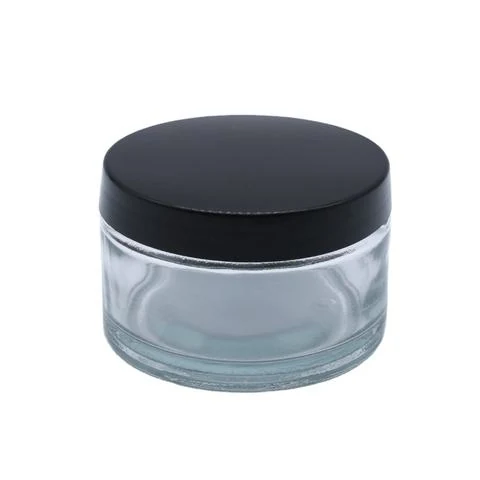
The company produces a wide range of glass containers including beer bottles, spirits bottles, and food jars. These products are manufactured in different colors and shapes depending on customer requirements. Many beverage companies rely on O-I because of its ability to produce consistent bottle quality at large production volumes.
O-I invests heavily in advanced manufacturing technologies. Automated inspection systems monitor bottle dimensions and detect defects during production. The company also focuses on lightweight bottle designs to reduce transportation costs and environmental impact.
The company serves industries such as brewing, beverage production, and food packaging. Its manufacturing facilities operate according to international quality and environmental management standards.
A. Le Coq Packaging Glass Supply
A. Le Coq is one of Estonia’s most famous beverage producers, known for beer, cider, and soft drinks. Although primarily a beverage company, it plays an important role in the glass bottle supply ecosystem by working closely with regional glass manufacturers. Its demand for glass bottles supports packaging supply chains across the Baltic region.
The company uses a wide range of glass bottles for beer, cider, and specialty beverages. Bottle design is important for brand identity, especially in premium product lines. Many of these bottles feature embossed logos and distinctive shapes.
A. Le Coq collaborates with glass packaging suppliers to develop customized bottle designs. These designs strengthen brand recognition while maintaining product quality. Glass bottles also help protect carbonation and preserve beverage flavor.
The company’s packaging operations support industries such as brewing, beverage distribution, and hospitality. Its focus on sustainable packaging aligns with European environmental standards.
Estonian Glass Recycling and Packaging Network
The Estonian Glass Recycling and Packaging Network represents an important part of the country’s glass bottle ecosystem. Although not a single manufacturer, this network connects recycling organizations, packaging suppliers, and beverage companies. The system ensures that glass bottles are collected, recycled, and reintroduced into manufacturing processes.
The network manages collection systems and recycling logistics across the country. Returned bottles are sorted, processed, and delivered to recycling facilities. This material then becomes raw input for new glass production.
Recycling organizations also collaborate with beverage companies and retailers to maintain deposit-return programs. These systems encourage consumers to return bottles and reduce environmental waste.
The network supports industries such as beverage production, food packaging, and waste management. Its work strengthens Estonia’s circular economy and supports sustainable packaging practices.
| Company | Founded | Core Products | Industries | Certifications |
|---|---|---|---|---|
| O-I Glass Estonia | Global group origins 1903 | Beer bottles, spirits bottles, food jars | Brewing, beverage, food | International quality and environmental standards |
| A. Le Coq Packaging Supply | 1807 (brewery origin) | Beverage bottles for beer and cider | Brewing, beverage | Food safety and packaging standards |
| Estonian Glass Recycling Network | Modern system | Recycled glass material supply | Beverage, food, recycling | Environmental sustainability initiatives |
Part 3: Trade Shows and Industry Events
Tallinn FoodFest
Tallinn FoodFest is one of Estonia’s most important food and beverage industry events. The exhibition brings together producers, distributors, and hospitality professionals. Glass bottle manufacturers and packaging suppliers often participate because beverage and specialty food brands rely heavily on glass packaging.
The event takes place annually in Tallinn and attracts visitors from across the Baltic region. Companies present new food products, beverages, and packaging solutions. Many businesses use the exhibition to connect with distributors and retail buyers.
Glass packaging companies often display bottle designs and decorative techniques during the event. These features help brands differentiate their products and improve shelf presentation.
Riga Food (Regional Baltic Event)
Although held in neighboring Latvia, the Riga Food exhibition plays an important role for Estonian packaging suppliers. The event attracts companies from across the Baltic region and Northern Europe. Glass bottle producers attend to present packaging solutions for beverage and food companies.
The exhibition showcases food production technologies, packaging materials, and beverage innovations. Many Estonian companies attend the event to build partnerships with regional distributors and suppliers.
Glass packaging manufacturers present lightweight bottles, decorative finishes, and recycling initiatives. These innovations help brands strengthen sustainability strategies and product presentation.
| Event | Date | Location | Highlights |
|---|---|---|---|
| Tallinn FoodFest | Annual | Tallinn, Estonia | Food, beverage, and hospitality industry exhibition |
| Riga Food | Annual | Riga, Latvia | Major Baltic food and packaging trade fair |
Part 4: Impact of Global Trade Policies
Global trade policies influence Estonia’s glass bottle industry through supply chains and regional trade relationships. As a member of the European Union, Estonia benefits from free trade within the EU market. This system allows beverage companies and packaging suppliers to exchange products easily across European countries.
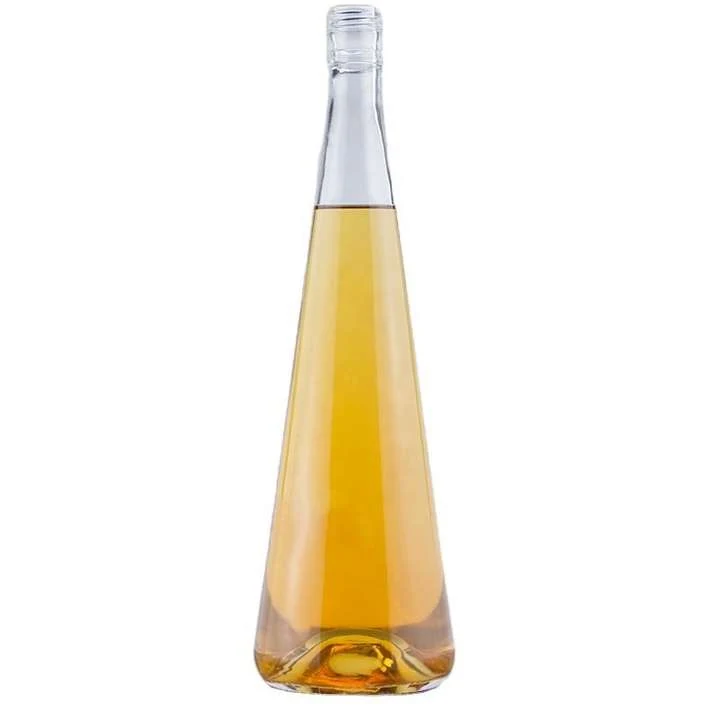
Energy costs represent one of the most important factors affecting glass production. Glass furnaces require extremely high temperatures to melt raw materials. Changes in natural gas or electricity prices can influence manufacturing costs across the entire industry.
Supply chain resilience has become increasingly important for packaging manufacturers. Many beverage brands prefer sourcing bottles from nearby European suppliers to reduce transportation risks. This trend strengthens regional production networks within the Baltic and Nordic markets.
Environmental policies also play a major role in shaping the industry. The European Union promotes circular economy practices and high recycling rates. Glass packaging fits well within these policies because it can be recycled repeatedly without losing quality.
International competition remains present as well. Some companies import glass bottles from lower-cost manufacturing regions. To remain competitive, European manufacturers focus on product quality, sustainable production, and innovative bottle design.
Part 5: Conclusion
The glass bottle ecosystem in Estonia reflects a combination of regional supply chains, strong recycling systems, and growing demand from beverage and food producers. Glass packaging continues to support the country’s craft beverage culture and premium food industry. Sustainability goals and recycling infrastructure further strengthen the role of glass within Estonia’s packaging sector.
At the same time, the industry must navigate challenges related to energy costs and global competition. Companies that invest in efficient production technologies and sustainable packaging solutions will remain key partners for beverage and food brands across the Baltic region.