Skip to content
Part 1: Market Size and Growth
Finland has a long history in glass production, shaped by strong craftsmanship and Nordic industrial design. Glass packaging plays an important role in the country’s beverage, food, and specialty product industries. Many Finnish brands prefer glass because it protects flavor and gives a clean, premium appearance. In recent years, sustainability and circular economy policies have further strengthened the role of glass packaging.
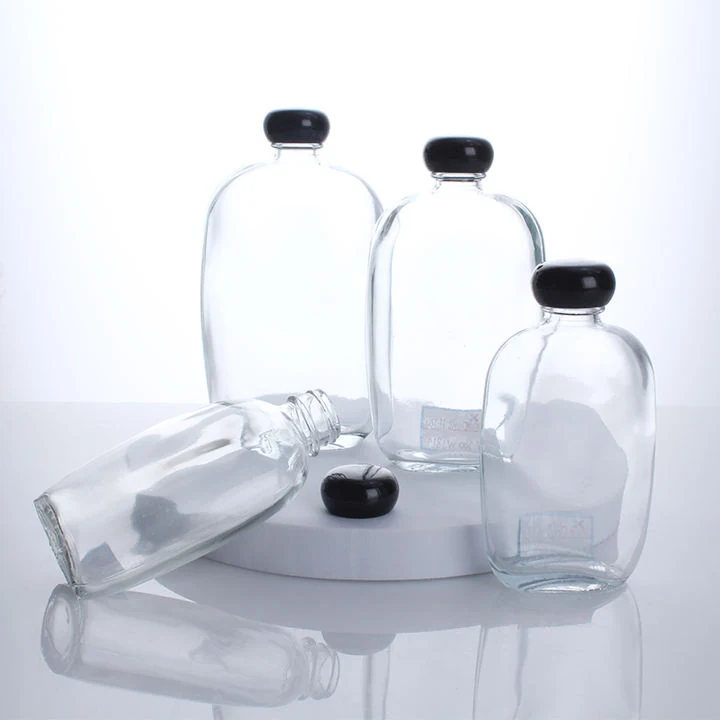
The Finnish glass bottle market is smaller than those of major European manufacturing countries, yet it remains technologically advanced. Demand comes mainly from breweries, distilleries, beverage producers, and food brands. Finland also has a strong culture of craft beverages, including specialty beers and artisanal spirits. These brands often prefer distinctive glass bottles to highlight product quality and brand identity.
Environmental policy plays a strong role in the Finnish packaging ecosystem. Finland operates one of the most efficient bottle deposit systems in the world. Consumers return bottles through recycling programs, and the materials are reused in manufacturing. Industrial investment in energy-efficient furnaces and automated production has also improved the competitiveness of Finnish glass manufacturing.
Key Market Drivers
Several key factors support the stability and growth of the Finnish glass bottle industry. These drivers combine environmental policies with consumer preferences for sustainable packaging.
| Driver | Description |
|---|---|
| Deposit Return System | High bottle recycling rates across the country |
| Premium Beverage Market | Craft beer and spirits demand glass packaging |
| Sustainability Policies | Government promotes circular economy practices |
| Export Opportunities | Finnish beverage brands export globally |
The deposit return system is particularly important. It encourages consumers to return bottles for recycling through financial incentives. This system ensures a stable supply of recycled glass, which reduces manufacturing costs and energy consumption.
Industry Structure
Finland’s glass bottle manufacturing sector includes a combination of international packaging companies and specialized producers. Large factories typically focus on beverage bottles produced in high volumes. These facilities operate advanced furnaces and automated forming lines.
Smaller producers often focus on specialty packaging, decorative glass, or custom bottle designs. These manufacturers supply niche markets such as craft spirits, cosmetics, and premium food brands.
The industry places strong emphasis on environmental efficiency. Glass furnaces consume large amounts of energy, which is why Finnish manufacturers invest heavily in energy-saving technologies and recycled glass integration.
Recycling and Circular Economy
Finland’s circular economy model strongly supports the glass packaging sector. Recycled glass plays a key role in manufacturing processes. The material used in production is often collected through nationwide recycling systems.
Cullet, which is crushed recycled glass, melts faster than raw materials. This helps reduce furnace temperatures and energy use. Manufacturers therefore benefit from both environmental and economic advantages.
| Material | Function in Glass Production |
|---|---|
| Silica Sand | Main component of glass |
| Soda Ash | Helps reduce melting temperature |
| Limestone | Stabilizes the glass structure |
| Recycled Glass (Cullet) | Lowers energy consumption and emissions |
The integration of recycled materials also aligns with European Union environmental regulations. Many manufacturers aim to increase the percentage of recycled glass used in each bottle.
Part 2: Leading Companies
Ardagh Glass Finland
Ardagh Glass Finland operates as part of the global Ardagh Group, one of the world’s largest glass packaging manufacturers. The company has a strong presence across Europe and supplies glass containers to beverage and food brands throughout the region.
The Finnish operations focus mainly on beverage bottles, including beer bottles, spirit bottles, and soft drink containers. High-capacity production lines allow the company to manufacture large volumes of glass packaging with consistent quality.
Ardagh works closely with breweries, beverage producers, and food companies. Its packaging solutions are used by both multinational brands and local producers. The company also supports custom bottle designs for brand owners who want unique packaging shapes.
Sustainability is a core focus for the company. Ardagh invests in energy-efficient furnace technology and lightweight bottle design. These innovations reduce carbon emissions and transportation costs while maintaining product strength.
Owens-Illinois (O-I Glass) Finland
O-I Glass is one of the largest glass container manufacturers in the world. The company has more than a century of experience in glass production and operates manufacturing facilities across many countries.
In Finland, O-I Glass supplies bottles for beer, wine, spirits, and food products. Its production facilities use advanced forming machines and automated inspection systems. These technologies help ensure consistent bottle thickness, durability, and clarity.
The company serves industries such as breweries, distilleries, and food processing companies. Many large beverage brands rely on O-I Glass for reliable packaging supply.
O-I Glass also invests heavily in research and development. The company focuses on lightweight bottle design, recycled material usage, and energy-efficient furnace technologies. These initiatives help reduce environmental impact while improving manufacturing efficiency.
Iittala Glassworks

Iittala Glassworks is one of Finland’s most famous glass manufacturers. The company was founded in 1881 and is known for its strong connection to Finnish design culture. Although the brand is widely recognized for tableware and decorative glass, its manufacturing expertise also contributes to specialized glass container production.
Iittala focuses heavily on craftsmanship and design quality. The company’s glass products often emphasize minimalistic Nordic aesthetics and precise manufacturing techniques.
Its product portfolio includes decorative glassware, drinkware, and specialty containers. These products are popular in premium lifestyle and hospitality markets.
Iittala has received many international design awards for its glass products. The company’s commitment to sustainability and durable product design aligns with Finland’s broader environmental goals.
Company Comparison
| Company | Founded | Core Products | Industries | Certifications |
|---|---|---|---|---|
| Ardagh Glass Finland | 1932 | Beverage bottles, food containers | Breweries, beverage producers | Sustainability and environmental standards |
| O-I Glass Finland | 1903 | Glass bottles and containers | Beverage, food processing | Manufacturing quality certifications |
| Iittala Glassworks | 1881 | Specialty glass containers and drinkware | Hospitality, premium goods | International design awards |
Part 3: Trade Shows and Industry Events
PacTec Helsinki
PacTec Helsinki is one of the leading packaging industry exhibitions in Northern Europe. The event focuses on packaging materials, production technologies, and sustainability solutions.
The exhibition takes place in Helsinki and attracts professionals from across the Nordic packaging industry. Manufacturers, suppliers, and technology providers gather to showcase new packaging innovations.
Glass packaging companies attend PacTec to present new bottle designs and sustainable production methods. The event also includes seminars that discuss recycling systems, circular economy strategies, and environmental regulations.
Nordic Packaging Conference
The Nordic Packaging Conference is an important regional event for packaging professionals across Scandinavia. The conference brings together experts from manufacturing, design, and sustainability sectors.
The event rotates between Nordic countries and often attracts participants from Finland, Sweden, Denmark, and Norway. Glass packaging manufacturers attend to discuss industry trends and collaborate with beverage and food brands.
Conference sessions focus on sustainability, packaging design, and emerging technologies. These discussions help shape the future of packaging across the Nordic region.
Event Summary
| Event | Date | Location | Highlights |
|---|---|---|---|
| PacTec Helsinki | Biennial | Helsinki, Finland | Packaging technology and sustainability solutions |
| Nordic Packaging Conference | Annual | Nordic region | Industry collaboration and packaging innovation |
Part 4: Impact of Global Trade Policies
Global trade policies have a significant influence on the Finnish glass bottle industry. Finland is part of the European Union, which allows free movement of goods within member states. This open market structure allows Finnish manufacturers to export glass packaging across Europe.
The EU market provides access to hundreds of millions of consumers. Beverage companies in Europe can easily source bottles from suppliers within the union. This integrated market supports the stability of glass manufacturing in Finland.
However, global supply chains also face challenges. Energy prices in Europe have fluctuated significantly in recent years. Because glass production requires high furnace temperatures, energy costs have a strong impact on manufacturing expenses.
Supply Chain Considerations
Glass bottle production depends on stable supply chains for raw materials and transportation. Disruptions in these systems can affect production costs and delivery times.
| Risk Factor | Impact |
|---|---|
| Energy costs | Higher furnace operating expenses |
| Raw material supply | Possible delays in manufacturing |
| Transportation costs | Increased delivery expenses |
| Trade regulations | Export limitations or compliance costs |
Manufacturers often address these risks by improving recycling efficiency and increasing the use of recycled glass. These strategies help reduce raw material dependence and energy consumption.
Competitive Landscape
The Finnish glass bottle industry operates within a competitive European market. Manufacturers in Germany, France, Italy, and Poland produce large volumes of glass packaging. These countries have strong industrial capacity and well-established supply chains.
However, Finland offers several advantages. The country has advanced manufacturing technology, strong environmental standards, and high product quality. Finnish manufacturers also benefit from a reputation for reliable production and sustainable practices.
Because of these strengths, many beverage and specialty product companies continue to work with Finnish glass packaging suppliers. Quality, sustainability, and design expertise remain key competitive advantages.
Part 5: Conclusion
The glass bottle manufacturing industry in Finland combines traditional craftsmanship with modern industrial technology. The country’s strong recycling systems, sustainability policies, and advanced manufacturing capabilities support steady development of the sector.
At the same time, manufacturers must navigate challenges such as energy costs and international competition. Companies that invest in efficient production systems, recycled materials, and innovative packaging design will remain competitive. As sustainability becomes increasingly important worldwide, Finland’s circular economy model may continue to strengthen the role of glass packaging in global markets.