Skip to content
Part 1: Market Size and Growth
France has a long history with glass packaging. Wine, perfume, and luxury spirits all rely on high-quality glass bottles. The country built strong skills in glass making over centuries. Today France remains one of the most influential glass bottle production hubs in Europe.
The demand for glass bottles in France keeps growing. Wine producers, cosmetic brands, and food companies all depend on reliable packaging. Glass is popular because it protects flavor and does not react with the product. Many brands also prefer glass because it is recyclable and supports sustainability goals.
Government policies and industrial investment also support the sector. France promotes circular economy policies and recycling systems. These rules push companies to improve production efficiency and reduce waste. As a result, glass manufacturers in France continue to invest in modern furnaces, automation, and eco-friendly production technologies.
Industry Background
France produces millions of glass containers every year. Wine bottles take the largest share of the market. Champagne, Bordeaux, and Burgundy wines require specific bottle shapes and standards.
This demand creates a stable base for glass manufacturers. Many factories are located close to wine regions to reduce logistics costs. This structure supports local industry clusters.
Application Fields
Glass bottles in France are widely used in several sectors. The beverage sector remains the biggest buyer. Wine, champagne, beer, and premium spirits all rely heavily on glass packaging.
The cosmetic industry also plays a large role. French perfume brands are famous worldwide. These brands require precise and elegant glass bottles that reflect luxury.
Food products such as olive oil, sauces, and specialty drinks also use glass packaging. Glass protects taste and prevents contamination.
Sustainability and Recycling
France operates one of the most advanced recycling systems in Europe. Most glass bottles can be collected, sorted, and remelted into new containers. This process reduces raw material use and energy consumption.
Manufacturers continue to improve furnace efficiency. Many companies invest in electric melting technology and low-carbon production methods. These innovations help the industry meet environmental targets.
Part 2: Leading Companies
Verallia
Verallia is one of the largest glass bottle manufacturers in Europe. The company was founded in France and has expanded globally. Its headquarters are located in Courbevoie. Over the years, Verallia has built dozens of production sites across Europe and other regions.
The company focuses on glass containers for wine, spirits, food, and beverages. Verallia produces billions of bottles each year for wineries, breweries, and food brands. Their product portfolio includes standard bottles and customized packaging designs for premium brands.
Many wine producers in France rely on Verallia for consistent bottle supply. The company works closely with vineyards and distilleries to develop unique bottle shapes. These designs help brands stand out on store shelves.
Technology innovation is a major focus for the company. Verallia invests in lightweight glass technology that reduces material use while maintaining strength. This helps reduce transportation costs and environmental impact.
The company also works actively in sustainability programs. It promotes high recycling rates and circular production methods. Verallia has received several environmental certifications for energy management and sustainable production.
Saverglass
Saverglass is another important glass bottle manufacturer in France. The company was established in 1897 and has strong expertise in luxury glass packaging. Its main production facilities are located in France, with additional plants in other countries.
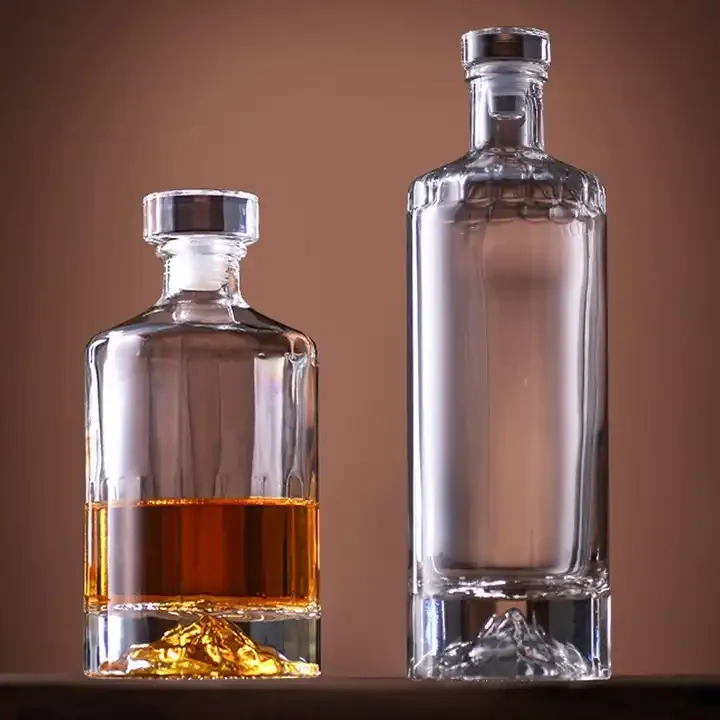
Saverglass specializes in high-end bottles for premium spirits and wines. Many luxury brands choose Saverglass for its design capability and decorative techniques. The company produces bottles for whisky, cognac, vodka, rum, and other spirits.
One key strength of Saverglass is decoration technology. The company offers engraving, frosting, coloring, and screen printing directly on glass bottles. These techniques allow brands to create distinctive packaging.
Luxury packaging requires precision and design expertise. Saverglass works closely with brand designers to produce visually striking bottles. Many famous spirits brands use their bottles to communicate exclusivity and heritage.
The company continues to invest in sustainable production technologies. Lightweight bottles and recycled glass materials help reduce environmental impact. Saverglass also promotes eco-design principles for packaging development.
O-I Glass (France Operations)
O-I Glass is a global leader in glass packaging. Although the company originated in the United States, it operates several facilities in France. These factories serve European wine and beverage markets.
The company produces a wide range of glass containers. These include bottles for wine, beer, spirits, soft drinks, and food products. O-I Glass supplies both multinational beverage companies and regional producers.
One of the company's strengths is production scale. Large manufacturing lines allow high output and consistent quality. This capacity helps beverage brands maintain stable supply chains.
O-I Glass also invests heavily in research and development. Engineers work on improving furnace efficiency and glass strength. Lightweight container design is a major focus.
The company supports recycling programs and circular economy initiatives. Many of its plants use large amounts of recycled glass in production. This reduces energy consumption and carbon emissions.
| Company | Founded | Core Products | Industries | Certifications |
|---|---|---|---|---|
| Verallia | 1827 | Wine bottles, food jars, beverage containers | Wine, spirits, food | ISO 14001, sustainability certifications |
| Saverglass | 1897 | Luxury spirit bottles, decorative glass | Spirits, wine, luxury packaging | Quality and environmental standards |
| O-I Glass | 1903 | Beverage bottles, food containers | Beverage, food, wine | Global quality and sustainability certifications |
Part 3: Trade Shows and Industry Events
Vinitech-Sifel
Vinitech-Sifel is one of the most important wine industry exhibitions in France. The event focuses on wine production technology, packaging, and vineyard equipment. Many glass bottle manufacturers attend the show to meet wineries and distributors.
The exhibition is usually held in Bordeaux, one of the world's most famous wine regions. Thousands of visitors attend each edition. Participants include vineyard owners, packaging suppliers, and wine technology companies.
Glass bottle suppliers often showcase new bottle designs at this event. Lightweight bottles and sustainable packaging solutions are common highlights. The exhibition also hosts conferences on industry trends and environmental policies.
Luxe Pack Monaco
Luxe Pack Monaco is a major trade show for luxury packaging. The exhibition gathers companies from perfume, cosmetics, wine, and spirits industries. Glass packaging plays a major role in the event.
The event takes place every year in Monaco. It attracts brand owners, designers, and packaging suppliers from around the world. Many companies launch new premium bottle designs during the exhibition.
Luxury brands often look for unique glass packaging solutions at this event. Decorative techniques, special shapes, and custom molds are key highlights. The show also emphasizes sustainable materials and eco-friendly packaging innovation.
| Event | Date | Location | Highlights |
|---|---|---|---|
| Vinitech-Sifel | Every two years | Bordeaux, France | Wine technology, packaging solutions |
| Luxe Pack Monaco | Annual | Monaco | Luxury packaging innovation |
Part 4: Impact of Global Trade Policies
Global trade policies influence the glass bottle industry in several ways. Import tariffs, transportation costs, and environmental regulations can all affect supply chains. Glass packaging is heavy, so logistics costs often play a large role in international trade decisions.
European environmental policies also shape the industry. Regulations encourage recycling and energy efficiency in glass production. These rules push manufacturers to adopt cleaner technologies and reduce carbon emissions.
International competition continues to grow. Manufacturers from Asia and Eastern Europe offer competitive pricing and flexible production capacity. Some global beverage brands source bottles from multiple regions to manage cost and supply risk.
At the same time, French glass manufacturers maintain strong advantages in design and quality. Many premium wine and spirits brands prefer domestic suppliers. This preference supports local production despite global competition.
Supply chain resilience has become more important in recent years. Many companies try to reduce reliance on distant suppliers. Local production and regional partnerships help stabilize the industry.
Part 5: Conclusion
The French glass bottle industry combines tradition with modern technology. Wine, spirits, and luxury cosmetics continue to drive demand for high-quality glass packaging. Strong recycling systems and sustainability goals also push manufacturers to innovate and improve efficiency.
At the same time, global competition and energy costs create new challenges. Manufacturers must balance cost control with environmental responsibility. Companies that invest in technology, design capability, and sustainable production will continue to lead the future of glass packaging.