Skip to content
Part 1: Market Size and Growth
The glass bottle market in Gambia is small but steadily evolving. The country’s manufacturing sector is still developing, and most packaging materials are imported from neighboring countries or global suppliers. Even so, local demand for glass bottles continues to grow because of expanding beverage, food processing, and hospitality industries.
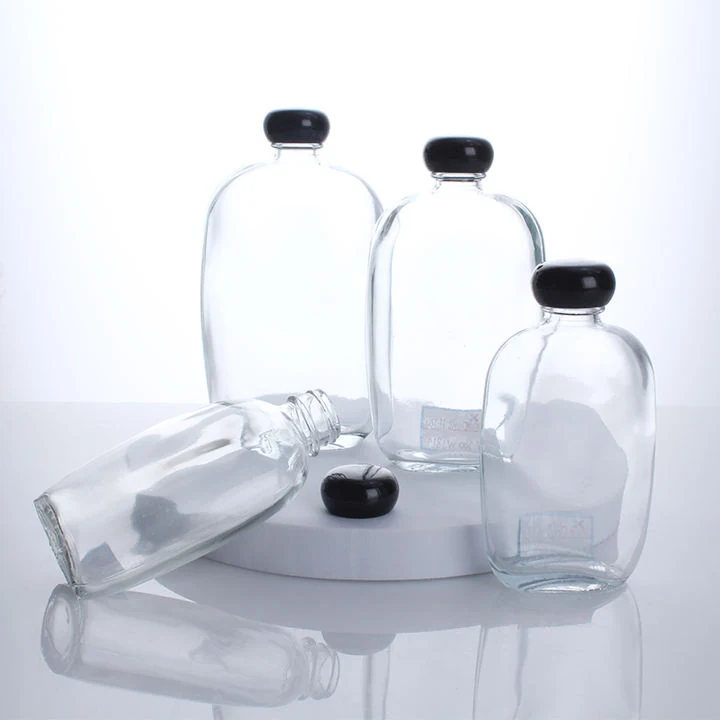
The beverage industry drives most of the demand for glass packaging in Gambia. Breweries, soft drink companies, and juice producers rely on glass bottles to maintain product quality and extend shelf life. Glass containers help preserve flavor and carbonation, which makes them essential for bottled beverages.
Government policies that encourage local production and regional trade are also influencing the packaging sector. Gambia is part of the Economic Community of West African States (ECOWAS), which promotes cross-border commerce. These policies allow beverage and food companies to source packaging from regional suppliers while also exploring local manufacturing opportunities.
Beverage and Food Industries Driving Demand
The beverage sector remains the most important consumer of glass bottles in Gambia. Local breweries and beverage distributors require large quantities of bottles for beer, soft drinks, and mineral water. Many of these beverages are distributed through restaurants, supermarkets, and hotels.
Food processing companies also rely on glass containers. Producers of sauces, honey, jams, and cooking ingredients often choose glass packaging because it protects freshness and enhances product presentation. Transparent containers allow customers to see the product clearly, which can improve consumer trust.
The hospitality industry contributes additional demand. Hotels and restaurants frequently serve bottled beverages in glass containers because they provide a premium appearance. This trend is especially common in tourist areas.
The following table shows how different industries contribute to glass bottle demand in Gambia.
| Industry | Bottle Types | Main Uses |
|---|---|---|
| Beverage | Beer bottles, soda bottles | Retail and hospitality |
| Food Processing | Jars, sauce bottles | Honey, sauces, preserves |
| Hospitality | Beverage bottles | Hotel and restaurant service |
| Cosmetics | Oil and perfume bottles | Small luxury products |
Import-Based Supply Structure
Most glass bottles used in Gambia are imported. Regional suppliers from Senegal, Nigeria, and Ghana play a key role in supplying packaging materials. These countries have more developed glass manufacturing industries and can produce bottles at competitive costs.
Importers and distributors in Gambia often maintain warehouses where they store commonly used bottle types. This helps local food and beverage companies access packaging quickly without needing to import small shipments themselves.
Transport logistics are relatively simple because of Gambia’s location along major West African trade routes. Road and sea transportation allow packaging materials to move efficiently from neighboring countries.
Future Market Opportunities
The future growth of Gambia’s glass bottle market will likely depend on the development of local manufacturing and the expansion of food and beverage exports. Small-scale food producers are beginning to explore international markets, and attractive packaging will be important for these brands.
Tourism development could also increase demand for bottled beverages and specialty food products. Visitors often purchase locally produced drinks and sauces as souvenirs, and glass packaging helps create a premium perception.
Environmental awareness is another factor shaping the industry. Glass is recyclable and reusable, which aligns with global sustainability trends. Recycling programs could help reduce packaging waste while supporting the glass container market.
Part 2: Leading Companies
Julbrew (Banjul Breweries)
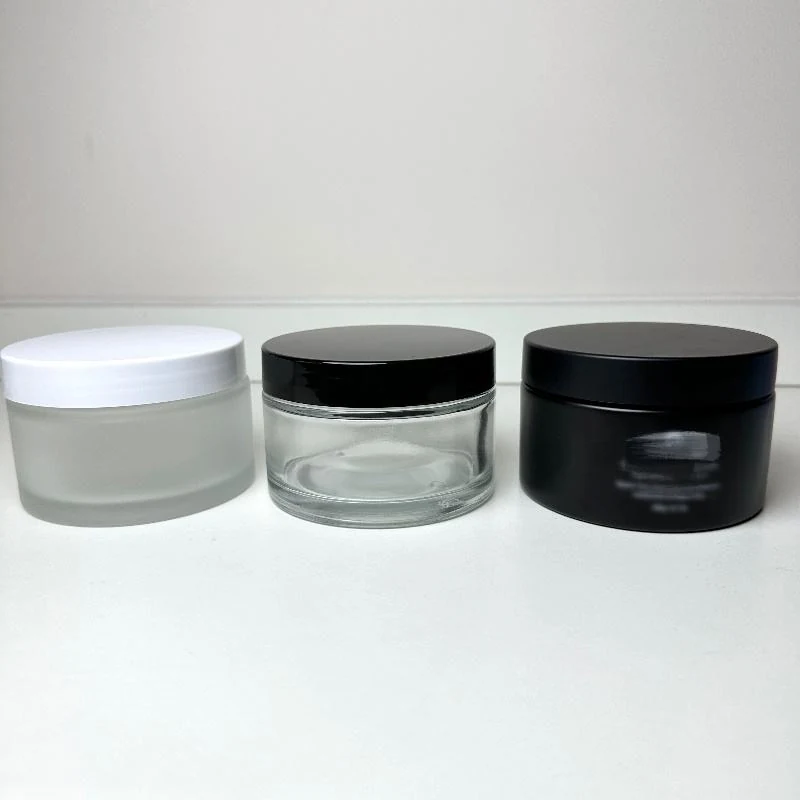
Julbrew, also known as Banjul Breweries, is one of the largest beverage producers in Gambia. The company operates a major brewery that produces beer and soft drinks for the domestic market. Although it does not manufacture glass bottles itself, it is one of the largest users of glass packaging in the country.
The brewery produces popular beverages that are distributed across retail outlets, restaurants, and hotels. Glass bottles are commonly used for beer because they protect carbonation and maintain flavor stability.
Julbrew primarily serves the local beverage market while also supplying products to nearby regions. Its packaging operations rely on consistent bottle supply from regional glass manufacturers.
The company emphasizes quality control and efficient production processes. Maintaining reliable packaging supply chains is critical for its beverage manufacturing operations.
Gambia Bottling Company

Gambia Bottling Company is a major beverage bottler that produces soft drinks and other bottled beverages. The company works with international beverage brands and distributes products throughout the country.
Glass bottles are widely used for carbonated drinks because they maintain product freshness and prevent chemical interaction with the beverage. The company sources glass containers from regional suppliers to support its bottling operations.
Its distribution network covers supermarkets, restaurants, and small retailers. This wide distribution system creates significant demand for beverage bottles across the country.
The company follows international beverage production standards and quality control systems. Reliable packaging materials remain a critical part of its supply chain.
Local Packaging Distributors

Several packaging distributors operate within Gambia to supply glass containers to small businesses. These distributors import bottles and jars from regional manufacturers and provide them to food producers and beverage companies.
Distributors often stock standard bottle shapes used for sauces, juices, and condiments. This approach helps small food producers access packaging materials without ordering large quantities.
These companies mainly serve local food brands, cosmetic producers, and small beverage businesses. Their role is important because they bridge the gap between international manufacturers and domestic producers.
Many distributors are gradually expanding their product range to include customized packaging options. This allows local brands to create stronger visual identities in the market.
| Company | Founded | Core Products | Industries | Certifications |
|---|---|---|---|---|
| Julbrew (Banjul Breweries) | 1970s | Beer bottles usage | Beverage industry | Beverage quality standards |
| Gambia Bottling Company | 1980s | Soft drink bottles usage | Beverage industry | International beverage compliance |
| Local Packaging Distributors | Various | Imported bottles and jars | Food and beverage | Import and distribution licenses |
Part 3: Trade Shows and Industry Events
Gambia International Trade Fair
The Gambia International Trade Fair is one of the most important business events in the country. The exhibition gathers companies from manufacturing, agriculture, packaging, and retail sectors.

The event takes place annually and attracts businesses from across West Africa. Packaging suppliers often display glass bottles, labeling solutions, and packaging materials during the exhibition.
Networking opportunities are one of the key benefits of the trade fair. Local food producers and beverage companies can connect with regional packaging manufacturers and distributors.
West Africa Packaging Expo
The West Africa Packaging Expo is a regional event that focuses on packaging technology and materials. Companies from across the region attend to showcase innovations in packaging design and manufacturing.
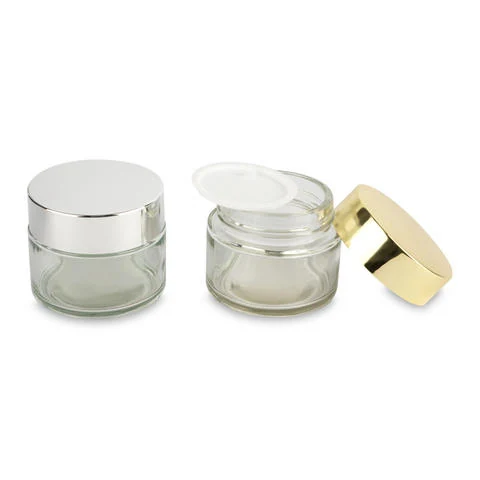
Although the exhibition is not always held in Gambia, many Gambian businesses participate. Packaging suppliers display glass bottles, container molds, and labeling equipment.
The event provides valuable insights into new packaging technologies and sustainability initiatives. Businesses can also explore partnerships with regional manufacturers.
| Event | Date | Location | Highlights |
|---|---|---|---|
| Gambia International Trade Fair | Annual | Banjul, Gambia | Regional manufacturing and packaging suppliers |
| West Africa Packaging Expo | Annual | West Africa region | Packaging technology and innovations |
Part 4: Impact of Global Trade Policies
Global trade policies strongly influence the glass bottle market in Gambia. Because the country imports most of its packaging materials, international shipping costs and regional trade agreements directly affect supply chains.

Membership in ECOWAS supports regional trade and reduces certain import barriers. This makes it easier for Gambian businesses to purchase glass containers from neighboring countries.
Changes in global shipping costs can still affect pricing. When transportation expenses increase, the cost of imported glass bottles may rise for local businesses.
Supply Chain Dependence
Gambia’s packaging industry depends heavily on international manufacturers. Bottles are commonly sourced from countries with established glass production industries.
Importers must carefully manage inventory to ensure stable supply. Glass bottles require careful handling during transportation, which adds complexity to logistics planning.
Opportunities in Regional Collaboration
Regional trade partnerships offer opportunities for businesses in Gambia. Collaboration with West African manufacturers can improve supply stability and reduce transportation costs.
As food and beverage production grows, demand for glass containers may increase. Companies that build strong relationships with packaging suppliers will be better prepared for future expansion.
| Factor | Impact on Industry | Opportunity |
|---|---|---|
| Import reliance | Limited domestic production | Regional supplier partnerships |
| ECOWAS trade policies | Easier regional imports | Supply chain expansion |
| Logistics costs | Higher packaging prices | Efficient distribution networks |
| Sustainability trends | Demand for recyclable materials | Increased glass usage |
Part 5: Conclusion
The glass bottle market in Gambia remains closely connected to the country’s beverage and food sectors. Breweries, soft drink companies, and food producers rely on glass packaging to maintain product quality and brand presentation. Glass containers continue to play an important role in both retail and hospitality markets.
Although local glass manufacturing is limited, regional suppliers provide stable access to packaging materials. Import networks and distribution companies help ensure that businesses can obtain the bottles they need.
Future growth will depend on expanding food production, tourism development, and regional trade cooperation. Businesses that invest in strong supply chains and modern packaging solutions will benefit from the evolving market.