Skip to content
Part 1: Market Size and Growth
Guatemala has one of the more active glass packaging markets in Central America. The country supports a strong beverage industry, especially beer, rum, soft drinks, and bottled beverages. Local food producers and exporters also rely on glass containers for sauces, condiments, and specialty foods. Glass bottles remain popular because they preserve flavor, provide strong product protection, and communicate a premium image to consumers.
The growth of the food processing sector and beverage exports has increased demand for glass containers. Many Guatemalan brands sell products not only domestically but also across Latin America and North America.

Key Demand Drivers in Guatemala
The beverage sector is the largest driver of glass bottle demand in Guatemala. Beer breweries, rum distilleries, and soft drink manufacturers all require large volumes of durable glass bottles. Many beverages use refillable glass containers that circulate through local distribution systems.
Rum and craft spirits also contribute to glass packaging demand. Guatemala has a strong reputation for premium rum production, and many distilleries rely on custom-designed glass bottles to highlight brand identity.
Food processing industries represent another important segment. Products such as hot sauces, honey, fruit preserves, and coffee-based beverages are often packaged in glass containers. Glass packaging helps preserve freshness and improves shelf presentation in export markets.
| Application Sector | Typical Products | Packaging Needs |
|---|---|---|
| Beer & Soft Drinks | Beer, soda, flavored drinks | Durable and refillable bottles |
| Spirits & Rum | Premium rum and liqueurs | Decorative and branded bottles |
| Food Processing | Sauces, honey, preserves | Airtight sealing |
| Export Products | Coffee drinks, specialty foods | High-quality packaging |
Industrial Development and Manufacturing Base
Guatemala has developed a relatively strong glass manufacturing base compared with some neighboring countries. Several glass container plants operate within the country, supplying bottles for beverage companies and food producers.
Most production facilities are located near major industrial centers and transportation routes. These locations provide access to highways, ports, and regional markets. Manufacturers can efficiently distribute glass containers to beverage companies across Central America.
The presence of large beverage companies has encouraged investment in packaging production. Glass manufacturers often work closely with breweries and distilleries to develop customized bottle designs. These partnerships help improve product branding and manufacturing efficiency.
Sustainability and Refillable Bottle Systems
Refillable glass bottles are widely used in Guatemala’s beverage industry. Many beer and soft drink companies operate bottle return systems that allow containers to be reused multiple times. This approach reduces packaging costs and minimizes environmental waste.
Consumers are familiar with returning empty bottles to retailers in exchange for deposits. The bottles are collected, cleaned, inspected, and reused in production lines. This circular system has been part of the beverage industry for decades.
Glass recycling programs are also expanding in the region. Environmental awareness has increased in Central America, and businesses are exploring ways to reduce packaging waste. Glass containers are well suited to these initiatives because they can be recycled indefinitely.
Part 2: Leading Companies
Vical Glass
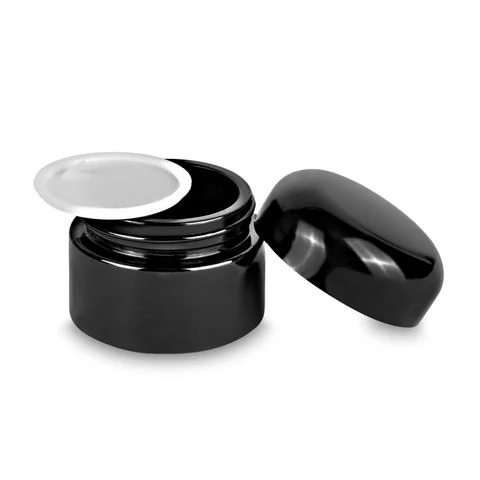
Vical Glass is one of the most prominent glass container manufacturers in Central America. The company operates production facilities in Guatemala and supplies glass bottles to beverage and food industries across the region.
The company produces a wide range of glass containers. These include beer bottles, soft drink bottles, rum bottles, and glass jars for food packaging. Its manufacturing lines support both standard bottle designs and customized molds.
Vical serves industries such as breweries, distilleries, food processing companies, and beverage manufacturers. Many well-known beverage brands rely on its bottles for large-scale production.
Technology investment plays an important role in the company’s strategy. Automated inspection systems and advanced glass forming equipment help ensure product consistency and reduce defects. These systems also support efficient large-scale production.
Owens-Illinois Central America Operations

Owens-Illinois, often known as O-I Glass, operates as one of the world’s largest glass container manufacturers. The company has maintained a presence in Central America for many years and supplies glass bottles to beverage companies throughout the region.
Its product portfolio includes glass containers for beer, spirits, wine, and food products. Many multinational beverage brands use these bottles because of their consistent quality and large production capacity.
The company works with breweries, distilleries, and food producers across Guatemala and neighboring countries. These industries require stable supply and precise packaging specifications.
Innovation and sustainability remain important priorities. The company invests in lightweight bottle design and energy-efficient manufacturing processes. These improvements help reduce environmental impact while maintaining product durability.
Grupo Vidriero Centroamericano

Grupo Vidriero Centroamericano operates as a regional glass manufacturing group that supports packaging needs throughout Central America. The company focuses on producing containers for beverages and food products.
Its product line includes beer bottles, spirits bottles, and glass jars used in food packaging. Many companies rely on these containers for export products that require durable and visually appealing packaging.
The company serves breweries, food processing companies, and beverage producers in the region. Its distribution network allows efficient delivery across Central American markets.
| Continuous improvement in manufacturing technology helps the company maintain high production standards. Investments in inspection equipment and furnace efficiency improve both product quality and energy performance. | Company | Founded | Core Products | Industries | Certifications |
|---|---|---|---|---|---|
| Vical Glass | 1970s | Beer bottles, beverage containers | Beverage, food | ISO quality standards | |
| Owens-Illinois Central America | 1900s | Glass bottles and jars | Beverage, spirits, food | Global manufacturing certifications | |
| Grupo Vidriero Centroamericano | 20th century | Beverage bottles and jars | Beverage, food processing | Industrial quality standards |
Part 3: Trade Shows and Industry Events
Expo Alimentaria Guatemala
Expo Alimentaria Guatemala is an important trade event for food and beverage industries in the country. The exhibition connects producers, distributors, and packaging suppliers.

The event is typically held in Guatemala City and attracts regional participants from across Central America. Companies present food products, beverages, and packaging solutions.
Glass packaging suppliers often attend to showcase new bottle designs and container technologies. Beverage brands explore packaging solutions that improve product presentation and durability.
Central American Packaging Expo
The Central American Packaging Expo focuses on packaging materials, manufacturing equipment, and supply chain technology. The exhibition brings together packaging manufacturers and industrial buyers.
The event attracts companies from Guatemala, Costa Rica, El Salvador, and other neighboring countries. Packaging suppliers present innovations in container design and production technology.
| Glass bottle manufacturers use the exhibition to introduce lightweight bottle designs and sustainable packaging solutions. These innovations help companies reduce transportation costs and improve environmental performance. | Event | Date | Location | Highlights |
|---|---|---|---|---|
| Expo Alimentaria Guatemala | Annual | Guatemala City, Guatemala | Food and beverage innovation | |
| Central American Packaging Expo | Annual | Central America | Packaging technology and materials |
Part 4: Impact of Global Trade Policies
Global trade policies influence Guatemala’s glass bottle industry in several ways. The country participates in regional trade agreements that support the movement of goods throughout Central America. These agreements reduce tariffs and improve supply chain efficiency.
Export markets play a major role in the beverage and food industries. Many Guatemalan products are sold in North America and other international markets. Packaging must meet international standards for quality and safety.
Energy costs also affect glass manufacturing. Glass production requires high-temperature furnaces that consume significant energy. Changes in fuel prices can influence production costs for manufacturers.
International competition represents another challenge. Glass manufacturers in Europe, Asia, and North America also supply bottles to beverage brands operating in Latin America. Local producers must maintain competitive pricing while delivering reliable product quality.
Supply chain stability has become increasingly important for manufacturers. Companies often diversify suppliers and maintain inventory to avoid disruptions. These strategies help ensure consistent packaging supply for beverage and food industries.
Part 5: Conclusion
Guatemala has developed one of the more active glass bottle industries in Central America. Strong demand from breweries, distilleries, and food producers continues to support the market. Glass packaging remains essential because it combines durability, recyclability, and premium visual appeal.
Future growth will likely come from export markets and expanding beverage industries. At the same time, manufacturers must address challenges such as energy costs, global competition, and supply chain management. Companies that invest in efficient production and sustainable packaging solutions will remain competitive in the regional market.