Skip to content

Part 1: Market Size and Growth
Haiti has a modest industrial base, and the glass bottle manufacturing sector remains relatively limited. The country relies heavily on imports for many industrial products, including packaging materials. Despite these constraints, glass packaging remains an essential component of Haiti’s beverage, food, and pharmaceutical industries.
Glass bottles are widely used for beverages such as beer, rum, and soft drinks. Local distilleries and beverage producers rely on glass packaging to protect product quality and maintain brand identity. Many premium beverages prefer glass containers because they preserve flavor and create a strong visual appeal.
Economic development initiatives and international investment programs have gradually improved industrial infrastructure in certain areas. Ports and logistics facilities in cities such as Port-au-Prince and Cap-Ha?tien help connect Haiti with regional and international supply chains. These improvements support the steady growth of packaging distribution networks.
Structure of Haiti’s Packaging Industry
Haiti’s glass bottle supply chain is largely dependent on imports and regional suppliers. Many packaging companies operate as distributors rather than full-scale glass manufacturers.
These businesses import glass bottles from countries with large-scale manufacturing industries and supply them to local beverage and food producers. Some companies also provide bottle decoration and packaging services.
Demand for glass bottles is closely linked to the beverage industry. Breweries, rum distilleries, and bottled water companies require large volumes of glass containers for their products.
Hospitality and tourism also contribute to packaging demand. Hotels, restaurants, and bars serve bottled beverages to both local residents and international visitors. When tourism activity increases, demand for beverage packaging often rises as well.
Regional Trade and Distribution
Haiti’s geographic position in the Caribbean provides access to regional trade networks. Packaging materials often arrive through major ports before being distributed to manufacturers across the country.
Distributors coordinate logistics operations that deliver glass bottles to beverage producers, food processors, and pharmaceutical companies.
| Segment | Key Demand Drivers | Typical Products | Main Buyers |
|---|---|---|---|
| Beverage | Breweries and distilleries | Beer and rum bottles | Beverage brands |
| Food | Sauces and cooking oils | Glass storage bottles | Food companies |
| Pharmaceuticals | Medical packaging | Medicine bottles | Healthcare suppliers |
| Cosmetics | Beauty products | Small glass containers | Cosmetic brands |
The rum industry represents a major consumer of glass bottles in Haiti. Several well-known distilleries require durable and visually distinctive bottles for packaging their products.
Food producers also use glass packaging for sauces, syrups, and cooking oils. Glass containers help protect these products from contamination and maintain freshness.
Manufacturing Technology
Glass bottle production requires specialized equipment and high-temperature furnaces. Raw materials such as silica sand, soda ash, and limestone must be melted at extremely high temperatures.
Once molten glass is produced, forming machines shape the material into bottles using molds. These molds determine the final design, size, and capacity of each container.
Modern manufacturing systems rely heavily on automation. Sensors monitor temperature and pressure to ensure consistent bottle quality.
Recycling is also an important component of glass production. Broken glass, called cullet, can be melted again and reused in the manufacturing process. This reduces energy consumption and helps lower production costs.
Industry Challenges
The glass bottle sector in Haiti faces several structural challenges. Limited industrial infrastructure makes large-scale manufacturing difficult.
Energy supply can also affect production costs because glass furnaces require continuous high temperatures.
| Challenge | Impact | Industry Response |
|---|---|---|
| Limited manufacturing capacity | Dependence on imports | Regional supplier partnerships |
| Energy costs | High production expenses | Energy efficiency improvements |
| Logistics disruptions | Supply chain instability | Inventory management |
| Market size | Limited domestic demand | Export-oriented beverage brands |
Even with these challenges, demand for glass packaging remains stable. The beverage and food sectors continue to create consistent demand for reliable packaging solutions.
Part 2: Leading Companies
The glass bottle supply chain in Haiti includes beverage producers, packaging distributors, and regional suppliers. These companies ensure that manufacturers have reliable access to glass containers. Many organizations operate within international logistics networks that connect Caribbean markets with global packaging manufacturers.
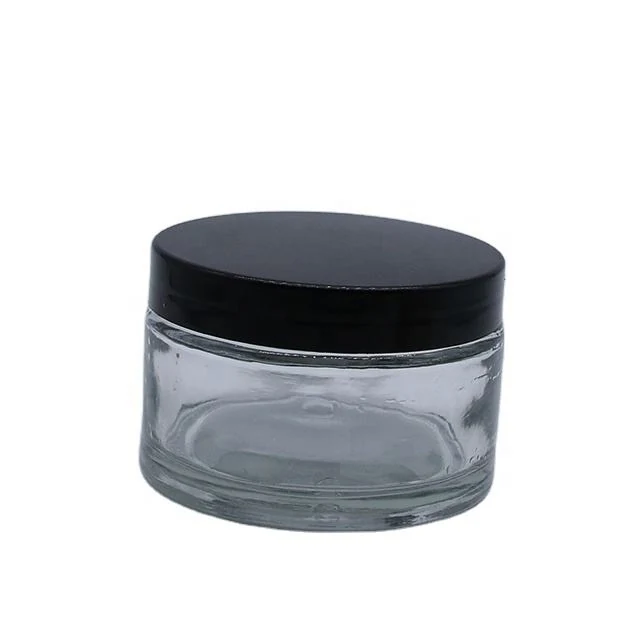
Brasserie Nationale d’Ha?ti Packaging Operations
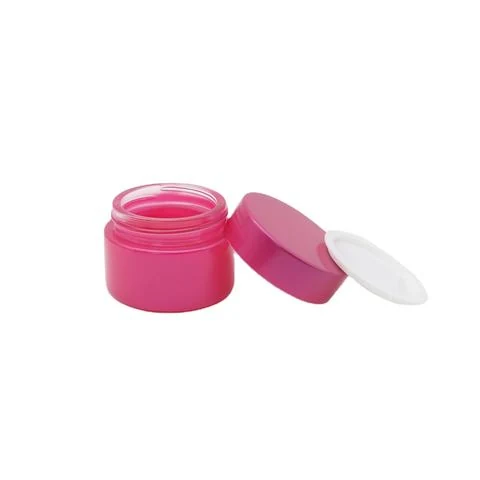
Brasserie Nationale d’Ha?ti is one of the largest beverage companies operating in Haiti. The company produces beer and other beverages that are distributed throughout the country.
Its packaging operations manage the supply and recycling of glass bottles used in beverage production. The company sources bottles from international manufacturers and ensures they meet strict quality standards.
The company primarily serves the beverage industry. Glass bottles used in its production lines are designed to withstand transportation and repeated use.
Innovation efforts focus on bottle recycling and reuse programs. Reusable glass bottles help reduce packaging costs while supporting environmental sustainability.
Caribbean Packaging Solutions
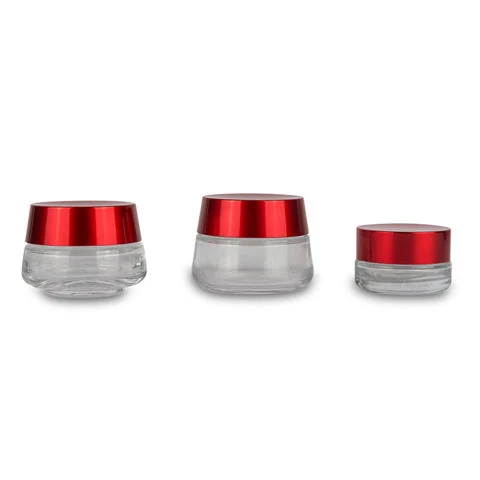
Caribbean Packaging Solutions operates as a distributor of packaging materials across Caribbean markets, including Haiti.
The company supplies glass bottles, jars, and containers for beverage, food, and cosmetic industries. Many of these products are imported from international glass manufacturers.
Its clients include beverage producers, food processing companies, and pharmaceutical distributors. These businesses rely on consistent packaging supply to maintain production schedules.
The company focuses on logistics efficiency and inventory management. Quality certifications ensure that packaging products meet international safety standards.
Antilles Industrial Packaging

Antilles Industrial Packaging operates as a regional supplier of packaging materials in the Caribbean. The company maintains distribution partnerships that include operations connected to Haiti.
Its product portfolio includes glass bottles used for rum, beer, soft drinks, and specialty beverages. The company also supplies containers for food products and cosmetics.
Industries served include beverage production, food processing, and personal care products. Many companies depend on the company’s distribution network for reliable packaging supply.
| Innovation initiatives focus on improving bottle durability and optimizing shipping efficiency. These improvements help reduce transportation damage and maintain product quality. | Company | Founded | Core Products | Industries | Certifications |
|---|---|---|---|---|---|
| Brasserie Nationale d’Ha?ti Packaging | 1970s | Beer bottles | Beverage | Food safety standards | |
| Caribbean Packaging Solutions | 2000s | Bottles and jars | Food & Beverage | Packaging safety certifications | |
| Antilles Industrial Packaging | 2000s | Glass containers | Beverage, Cosmetics | Regional quality certifications |
Part 3: Trade Shows and Industry Events
Industry exhibitions play an important role in connecting packaging suppliers with beverage and food manufacturers. These events allow companies to present new technologies, packaging designs, and supply chain solutions. Trade fairs also provide opportunities for international companies to explore Caribbean markets.

Haiti International Trade Fair
The Haiti International Trade Fair is one of the country’s important business events. Companies from manufacturing, agriculture, packaging, and consumer goods sectors participate in the exhibition.
The event typically takes place in Port-au-Prince and attracts visitors from across the Caribbean and Latin America. Packaging suppliers attend to showcase products and build relationships with local businesses.
The exhibition provides a platform for beverage producers and packaging distributors to explore supply chain partnerships.
Expo Pack Mexico
Expo Pack Mexico is one of the largest packaging and processing exhibitions in the Americas. Although the event takes place in Mexico, many Caribbean companies attend to explore packaging technologies.
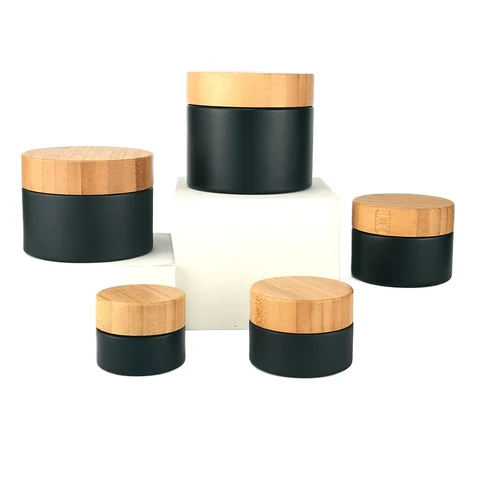
The exhibition focuses on packaging machinery, materials, and supply chain innovation. Glass bottle manufacturers often showcase new container designs and manufacturing technologies.
| Thousands of visitors attend the event from across the Americas. Companies frequently establish long-term partnerships during the exhibition. | Event | Date | Location | Highlights |
|---|---|---|---|---|
| Haiti International Trade Fair | Annual | Port-au-Prince, Haiti | Regional industry exhibition | |
| Expo Pack Mexico | Annual | Mexico City, Mexico | Packaging technology and innovation |
Part 4: Impact of Global Trade Policies
Global trade policies strongly influence Haiti’s glass bottle supply chain. Since the country relies heavily on imported packaging materials, tariffs, trade agreements, and shipping routes affect the cost and availability of glass bottles. International trade relationships determine how easily manufacturers can obtain packaging materials.
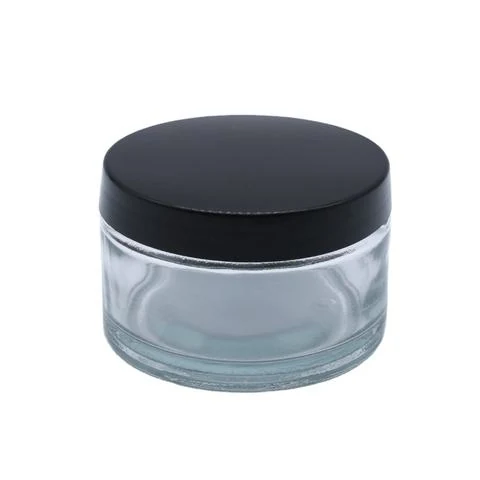
Haiti maintains trade connections with several countries in the Americas and the Caribbean. These partnerships allow packaging distributors to import glass bottles from international manufacturers.
However, global competition also affects the industry. Countries with large glass manufacturing sectors can produce bottles at lower costs due to economies of scale.
Supply Chain Considerations
Glass bottle manufacturing depends on several key raw materials. Silica sand, soda ash, and limestone must be available at stable prices to maintain efficient production.
Energy supply is another important factor because glass furnaces operate continuously at high temperatures.
| Policy Factor | Industry Impact | Manufacturer Response |
|---|---|---|
| Trade agreements | Easier import access | Regional supplier partnerships |
| Energy costs | Production cost pressure | Efficiency improvements |
| Import tariffs | Packaging price fluctuations | Supplier diversification |
| Environmental policies | Recycling initiatives | Sustainable packaging programs |
Packaging suppliers often maintain relationships with multiple international manufacturers. This approach helps reduce supply chain risk and ensures stable packaging availability.
Sustainability Trends
Environmental awareness is increasing across the global packaging industry. Many companies are shifting toward recyclable materials and sustainable production methods.
Glass packaging offers strong sustainability advantages. It is recyclable, chemically stable, and reusable in many applications.
Manufacturers and distributors are gradually implementing recycling systems to collect and reuse glass bottles. These initiatives help reduce waste while improving the environmental performance of packaging supply chains.
Part 5: Conclusion
The glass bottle supply sector in Haiti remains relatively small but plays an essential role in supporting the beverage, food, and pharmaceutical industries. Regional trade networks and international logistics routes ensure that manufacturers have access to reliable packaging materials. As Haiti’s beverage and hospitality industries continue to develop, demand for glass packaging is expected to grow steadily.
However, the industry also faces challenges such as limited manufacturing infrastructure, energy supply constraints, and dependence on imported packaging materials. Companies that strengthen international supply partnerships and improve logistics efficiency will remain competitive. Over time, continued economic development and regional cooperation may create new opportunities for Haiti’s glass packaging industry.