Skip to content
Part 1: Market Size and Growth
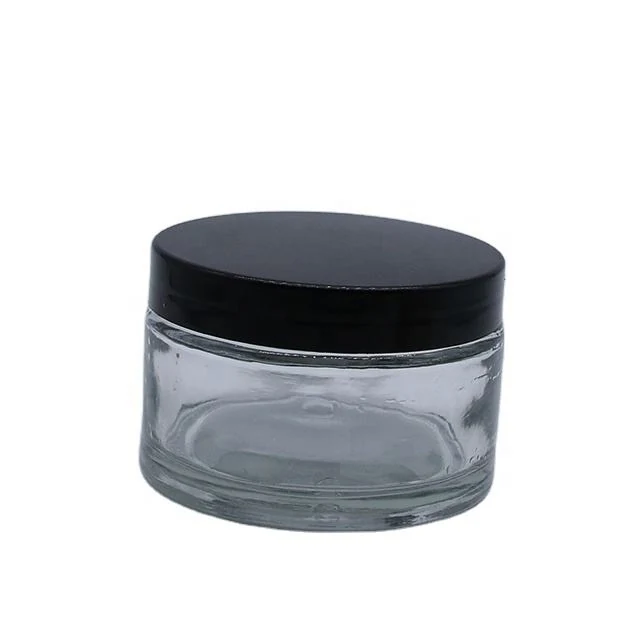
Hungary has a long tradition of glass manufacturing, supported by its industrial base and its location in Central Europe. Glass containers play an important role in packaging for beverages, food products, and pharmaceuticals. Many companies continue to choose glass bottles because they are recyclable, safe for food contact, and able to preserve flavor and quality. Glass packaging also helps brands present a premium image in competitive retail markets.
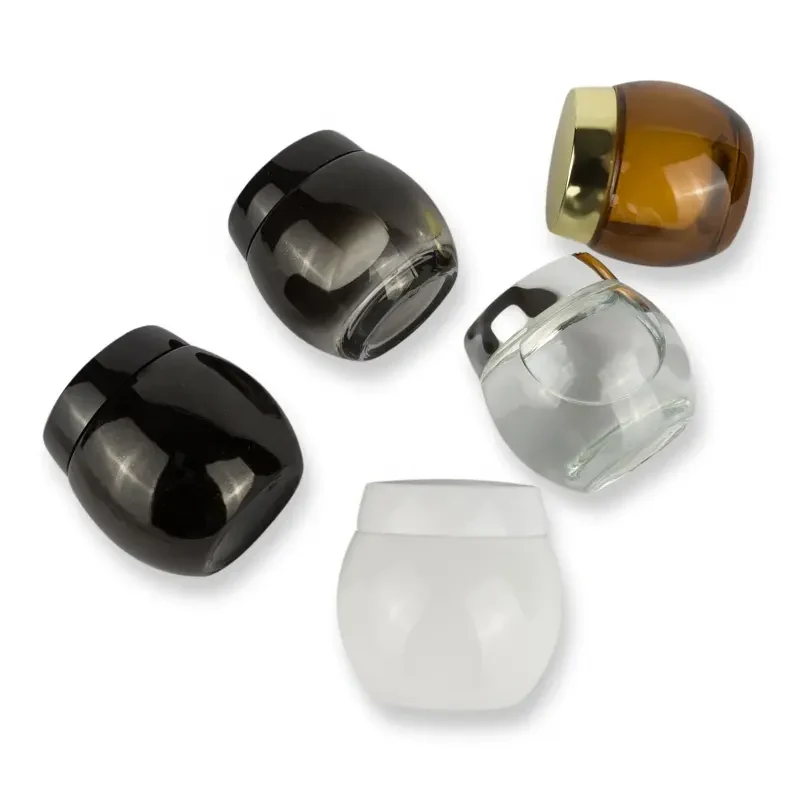
The Hungarian glass bottle market is strongly connected to the beverage industry. Wine, beer, and mineral water producers require large quantities of bottles for both domestic consumption and export markets. Hungary has well-known wine regions, and these wineries rely on stable bottle supply for bottling operations.
European Union environmental policies also shape the industry. Hungary follows EU packaging and recycling regulations that encourage sustainable materials. Because glass can be recycled many times without losing quality, manufacturers continue to invest in glass packaging solutions.
Key Industries Driving Glass Bottle Demand
Several industries contribute to the demand for glass bottles in Hungary. These sectors depend on glass packaging to protect products and support brand identity.
| Industry | Use of Glass Bottles | Market Impact |
|---|---|---|
| Wine Industry | Wine bottles | Strong export potential |
| Beer Production | Beer bottles | Stable domestic demand |
| Food Industry | Sauces, oils, condiments | Shelf stability |
| Pharmaceuticals | Medical containers | Chemical resistance |
The wine industry is one of the most important sectors. Hungary produces a variety of wines, including the well-known Tokaji sweet wine. Wine exporters depend on high-quality bottles that meet international standards for durability and appearance.
Beer production also contributes significantly to bottle demand. Both multinational beverage companies and local breweries operate bottling facilities in Hungary. These producers require reliable glass bottle supply to maintain consistent production schedules.
Sustainability and Recycling Trends
Hungary continues to develop its recycling infrastructure. Government programs and EU funding support the expansion of waste collection systems and recycling facilities.
| Sustainability Initiative | Effect on Industry |
|---|---|
| Glass Recycling Programs | Increased recycled glass supply |
| EU Environmental Regulations | Encourages circular economy |
| Packaging Waste Directives | Promotes recyclable materials |
| Consumer Awareness | Growing demand for sustainable packaging |
Recycled glass, known as cullet, is widely used in bottle production. Cullet melts at lower temperatures than raw materials such as silica sand. This reduces furnace energy consumption and lowers manufacturing costs.
Many glass manufacturers aim to increase the proportion of recycled glass in their production processes. This practice reduces carbon emissions and supports environmental targets.
Hungary's Position in the European Packaging Network
Hungary's location in Central Europe gives it a strategic advantage in the glass packaging industry. The country sits between Western Europe and Eastern European markets. This position allows manufacturers to supply bottles to neighboring countries efficiently.
Transportation infrastructure continues to improve across Hungary. Highways and rail networks connect major cities with surrounding markets. These logistics networks help manufacturers distribute glass containers to beverage companies across Central and Eastern Europe.
Another important factor is Hungary's manufacturing expertise. The country has a strong tradition in industrial production, including automotive manufacturing, electronics, and packaging materials. Skilled engineers and technicians support glass manufacturing operations.
Glass bottle production requires continuous furnace operations. Furnaces must maintain extremely high temperatures to melt raw materials such as silica sand, soda ash, and limestone. Maintaining stable furnace conditions requires experienced operators and strict monitoring systems.
Manufacturers also invest in automated production lines and inspection technologies. These systems detect defects such as cracks, thickness variations, or shape irregularities. Automated inspection ensures that bottles meet safety standards for pressure resistance and transportation durability.
Hungarian glass manufacturers often collaborate closely with beverage producers. Wine and beer brands frequently request customized bottle shapes, colors, and embossed designs. These design elements help strengthen brand identity and create distinctive packaging on retail shelves.
Some beverage brands prefer lightweight bottles to reduce shipping costs and environmental impact. Manufacturers respond by developing thinner glass structures while maintaining strength and durability.
Hungary also benefits from its integration within the European Union market. Companies can export glass containers freely to other EU countries without tariffs. This open market creates opportunities for Hungarian manufacturers to supply bottles across Europe.
Because of these combined advantages, Hungary remains a competitive location for glass packaging production. Central location, manufacturing expertise, and strong beverage industries support long-term demand for glass bottles in the region.
Part 2: Leading Companies
O-I Glass Hungary
O-I Glass Hungary is part of the global glass packaging company O-I Glass, formerly known as Owens-Illinois. The company operates glass container manufacturing facilities in Hungary that supply bottles to beverage and food industries across Europe.
The company produces a wide range of glass containers, including beer bottles, wine bottles, and food jars. Many international beverage brands rely on O-I Glass for consistent bottle supply and high production capacity.
O-I Glass focuses heavily on innovation and sustainability. The company invests in lightweight bottle design, advanced forming technology, and energy-efficient furnaces. These improvements help reduce energy consumption while maintaining bottle strength.
Vetropack Hungary
Vetropack Hungary is part of the Swiss-based Vetropack Group, a major European manufacturer of glass packaging. The company operates modern production facilities that supply glass containers to beverage and food companies across Central Europe.
Vetropack produces bottles for beer, wine, mineral water, and soft drinks. Its manufacturing plants use high-speed forming machines and automated inspection systems to ensure consistent quality.
The company also places strong emphasis on sustainability. Vetropack integrates recycled glass into its production processes and invests in furnace technologies that reduce carbon emissions.
BA Glass Hungary
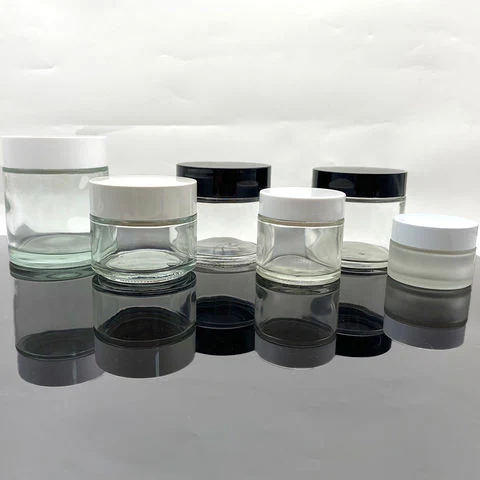
BA Glass Hungary is part of the BA Glass Group, an international manufacturer of glass containers. The group operates several production plants across Europe and supplies packaging solutions for beverage and food industries.
The Hungarian facility focuses on large-scale production of glass bottles for beer, wine, and soft drinks. High-speed production lines allow the factory to produce millions of bottles each day.
BA Glass invests in advanced quality inspection systems and sustainable manufacturing technologies. Recycling integration and furnace efficiency improvements help reduce environmental impact.
Company Comparison
| Company | Founded | Core Products | Industries | Certifications |
|---|---|---|---|---|
| O-I Glass Hungary | 1903 (group origin) | Beverage bottles, food jars | Beer, wine, food | ISO quality systems |
| Vetropack Hungary | 1911 (group origin) | Beverage glass containers | Beer, wine, soft drinks | Environmental certifications |
| BA Glass Hungary | 1917 (group origin) | Glass containers | Beverage and food | Sustainability standards |
Part 3: Trade Shows and Industry Events
Pack Expo Europe
Pack Expo Europe is a major packaging exhibition that attracts companies from across the continent. The event showcases packaging materials, machinery, and automation technologies.
The exhibition rotates between European cities and attracts packaging manufacturers, food producers, and beverage companies. Glass bottle manufacturers attend the event to present new bottle designs and sustainable packaging solutions.
Industry seminars during the event focus on packaging innovation, recycling technologies, and supply chain efficiency.
Drinktec
Drinktec is one of the world's largest trade shows for beverage production and packaging technology. The exhibition gathers manufacturers, equipment suppliers, and beverage brands from many countries.
The event takes place in Munich and attracts visitors from across Europe and beyond. Glass bottle manufacturers showcase lightweight bottle designs, advanced forming technology, and decorative glass packaging.
For beverage producers in Hungary, Drinktec provides opportunities to explore new packaging ideas and build partnerships with international suppliers.
Industry Event Summary
| Event | Date | Location | Highlights |
|---|---|---|---|
| Pack Expo Europe | Biennial | Various European cities | Packaging innovation and automation |
| Drinktec | Every 4 years | Munich, Germany | Global beverage and packaging technology |
Part 4: Impact of Global Trade Policies
Global trade policies influence Hungary's glass bottle industry through export opportunities and supply chain dynamics. Many beverage companies in Hungary export products to European and international markets. When trade agreements reduce tariffs and barriers, beverage exports increase and create additional demand for glass bottles.
Hungary benefits from membership in the European Union. The EU single market allows goods to move freely between member states. This creates opportunities for Hungarian glass manufacturers to supply bottles across Europe without customs barriers.
At the same time, manufacturers must manage several cost pressures. Glass production requires high-temperature furnaces that consume large amounts of energy. Fluctuations in energy prices can significantly affect manufacturing expenses.
Trade Agreements and Export Opportunities
Several trade agreements influence Hungary's beverage export markets.
| Agreement | Key Markets | Industry Impact |
|---|---|---|
| EU Single Market | European Union | Free movement of goods |
| EU-Japan Economic Partnership | Japan | Expands wine export opportunities |
| EU-Canada CETA | Canada | Reduces tariffs on beverage exports |
When beverage exports increase, packaging demand grows as well. Glass bottle manufacturers benefit directly from the expansion of export markets.
Supply Chain Risks
Manufacturers must also manage supply chain risks that can influence production.
| Risk | Description | Industry Impact |
|---|---|---|
| Energy Costs | High furnace energy consumption | Production costs increase |
| Raw Material Supply | Sand and soda ash availability | Manufacturing stability |
| International Competition | Imported bottles from low-cost regions | Price pressure |
Manufacturers respond by improving furnace efficiency, increasing recycled glass usage, and optimizing logistics networks.
Part 5: Conclusion
Hungary remains an important part of the European glass packaging industry. Strong demand from wine producers, breweries, and food companies continues to support glass bottle manufacturing. Glass packaging offers durability, recyclability, and strong brand presentation, which keeps it popular in both domestic and export markets.
However, manufacturers must adapt to challenges such as rising energy costs, global competition, and evolving environmental regulations. Companies invest in modern production equipment, recycling integration, and energy-efficient furnace technologies. These investments help ensure that Hungary continues to play a significant role in the European glass bottle manufacturing sector.