Skip to content
Part 1: Market Size and Growth
Iceland is a small but advanced economy with a strong focus on sustainability, renewable energy, and high-quality food and beverage production. The demand for glass bottles in the country mainly comes from beverage companies, breweries, food producers, and cosmetic brands. Glass packaging remains important because it protects product purity and aligns with Iceland’s environmental values.
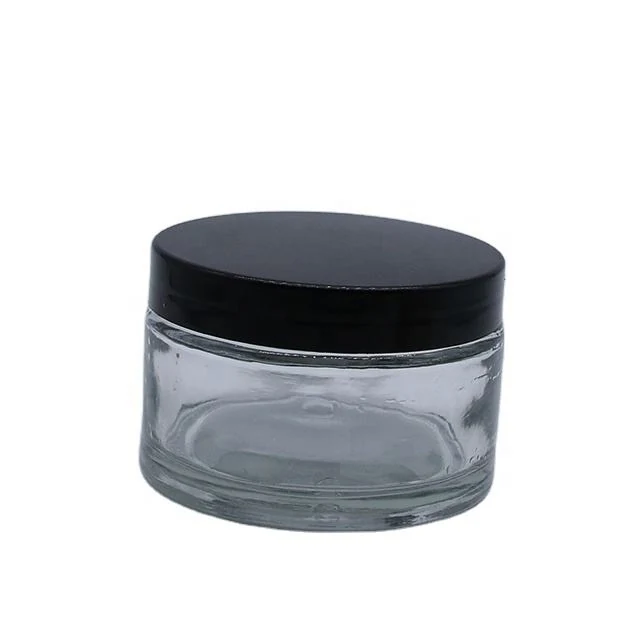
The beverage sector plays a central role in the packaging market. Iceland has a growing craft beer industry along with mineral water, soft drinks, and premium spirits. Many of these products use glass bottles because they maintain flavor integrity and enhance brand perception in both domestic and export markets.
Environmental policy also shapes packaging choices. Iceland has one of the world’s most advanced recycling systems. Glass bottles fit well within circular economy initiatives because they can be reused and recycled without losing quality. Beverage companies therefore continue to rely on glass containers despite the presence of plastic alternatives.
Craft Beverage Growth
In recent years, Iceland’s craft beverage sector has expanded significantly. Independent breweries and distilleries have introduced unique products that emphasize local ingredients and Nordic design aesthetics.
Craft breweries often choose glass bottles for packaging because they communicate authenticity and quality. Consumers associate glass with traditional brewing practices and premium products.
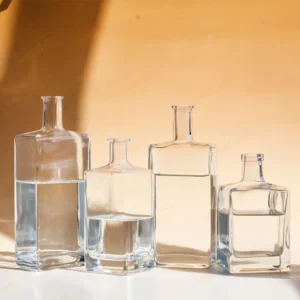
Distilleries producing gin, vodka, and herbal spirits also rely on distinctive glass bottle designs. Decorative bottles help brands stand out in export markets and tourist retail shops.
Tourism and Retail Influence
Tourism is a major economic driver in Iceland. Visitors often purchase local beverages and specialty food products as souvenirs. Glass packaging enhances the presentation of these products and increases their perceived value.
Retail stores in Reykjavik and other tourist destinations frequently feature Icelandic beverages packaged in uniquely designed bottles. These bottles often highlight minimalist Nordic aesthetics and natural imagery.
Hotels, bars, and restaurants also contribute to glass bottle consumption. Premium bottled drinks are commonly served in hospitality venues that cater to international visitors.
Key Market Segments
Several industries contribute to glass bottle demand in Iceland.
| Sector | Typical Products | Packaging Type |
|---|---|---|
| Craft breweries | Specialty beers | Glass beer bottles |
| Distilleries | Gin, vodka, herbal spirits | Decorative spirit bottles |
| Beverage companies | Mineral water and soft drinks | Standard glass bottles |
| Food and cosmetics | Sauces, oils, perfumes | Glass containers and jars |
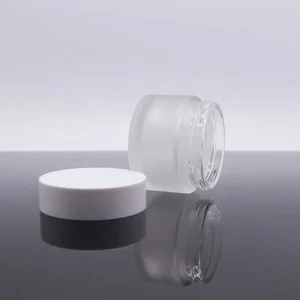
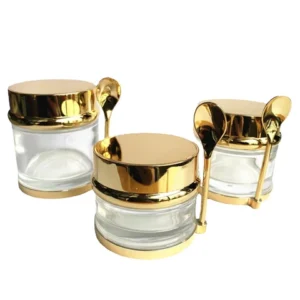
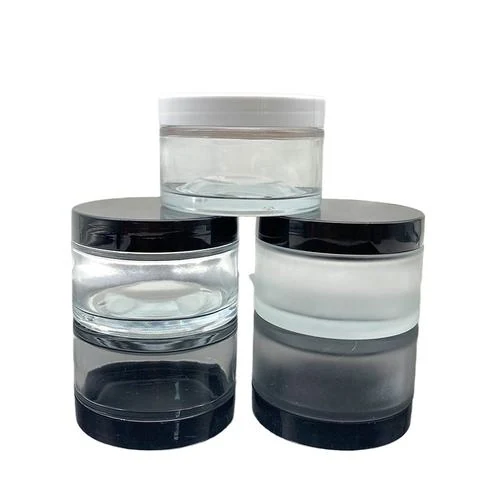
Glass packaging is also used in Iceland’s natural cosmetics industry. Skincare brands based on geothermal minerals and plant extracts prefer glass containers because they maintain product purity.
Part 2: Leading Companies
?lgerein Egill Skallagrímsson
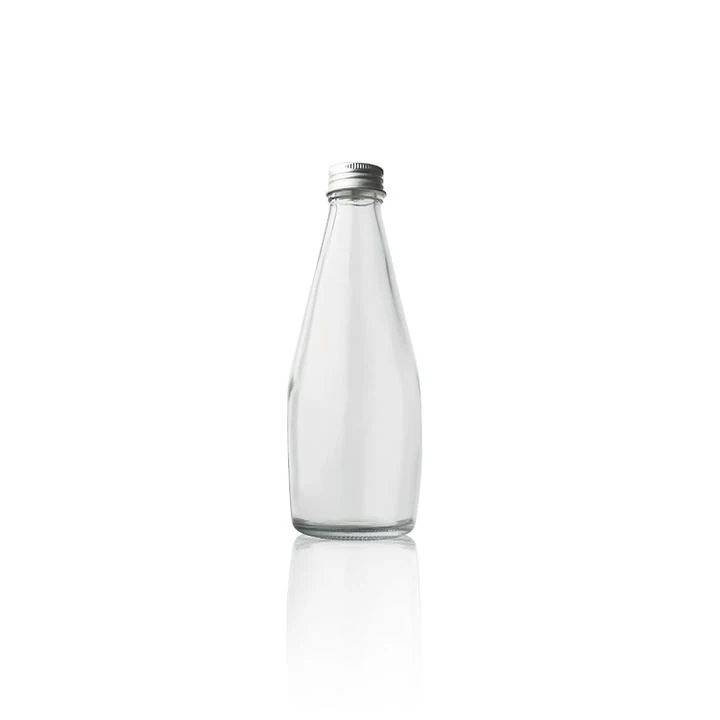
?lgerein Egill Skallagrímsson is one of the largest beverage producers in Iceland. The company has a long history in brewing and beverage production. Its operations include brewing, bottling, and distribution of a wide range of beverages.
The company produces beer, soft drinks, energy drinks, and bottled water. Many of its beverage products are packaged in glass bottles that maintain flavor stability and product freshness.
?lgerein serves both domestic consumers and export markets. Its production facilities use modern bottling equipment and strict quality control systems. The company follows international food safety standards and environmental sustainability practices.
Einst?k ?lgere
Einst?k ?lgere is a well-known craft brewery located in Akureyri. The brewery has gained international recognition for its Icelandic-style craft beers. Glass bottles are central to the brand’s identity because they support premium presentation and export distribution.
The brewery produces a range of craft beers including pale ale, white ale, and seasonal specialty brews. Each product features distinctive bottle labels that reflect Icelandic mythology and natural landscapes.
Einst?k distributes its beers in both domestic and international markets. The company emphasizes quality ingredients, careful brewing methods, and attractive packaging design.
Icelandic Mountain Vodka Distillery

Icelandic Mountain Vodka Distillery produces premium spirits made from pure Icelandic water and high-quality grain. The company focuses on producing vodka that reflects the country’s natural environment and clean energy resources.
Glass bottles play an essential role in the distillery’s branding strategy. Elegant bottle designs emphasize the purity and premium nature of the product. These bottles are often exported to international markets where visual presentation is important.
The distillery serves hospitality venues, duty-free retailers, and global distributors. Its production processes follow strict safety and quality standards to ensure consistent product quality.
Competitive Landscape
The Icelandic glass bottle market is supported by beverage producers, packaging distributors, and international suppliers. Because Iceland has limited heavy manufacturing infrastructure, many bottles are imported from European glass manufacturers.
Competition among beverage brands often focuses on packaging design and product presentation.
| Company | Founded | Core Products | Industries | Certifications |
|---|---|---|---|---|
| ?lgerein Egill Skallagrímsson | 1913 | Beer, soft drinks, bottled water | Beverage industry | Food safety and environmental certifications |
| Einst?k ?lgere | 2011 | Craft beer | Brewing industry | International brewing quality standards |
| Icelandic Mountain Vodka Distillery | 2000s | Premium vodka | Spirits industry | Export and quality certifications |
Creative bottle design and sustainable packaging strategies often differentiate brands in this market.
Part 3: Trade Shows and Industry Events
BrauBeviale
BrauBeviale is one of Europe’s leading exhibitions for the beverage industry. Many beverage producers and packaging suppliers attend the event to explore new technologies and industry trends.
The exhibition takes place annually in Nuremberg, Germany. Participants include breweries, distilleries, packaging manufacturers, and beverage distributors.
Glass bottle suppliers present innovative designs, lightweight glass technology, and sustainable manufacturing solutions. Icelandic beverage companies attend the exhibition to discover new packaging ideas and connect with international partners.
Nordic Organic Food Fair
The Nordic Organic Food Fair focuses on natural and organic products from Nordic countries. Icelandic food and beverage companies often participate in the event to promote their products to international buyers.
The exhibition is usually held in Stockholm, Sweden. Visitors include retailers, distributors, and food industry professionals from across Europe.
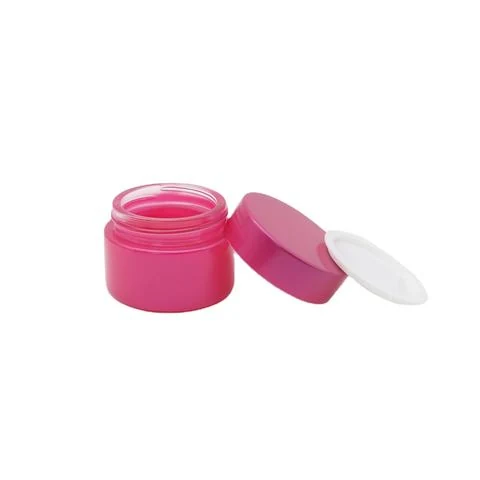
Packaging plays a major role in product presentation during the exhibition. Glass bottles and jars are widely used for beverages, oils, sauces, and natural cosmetics.
Importance of Industry Events
Trade exhibitions help Icelandic companies stay connected to global beverage and packaging trends. These events provide opportunities to explore new technologies and marketing strategies.
Manufacturers also learn about sustainability practices and packaging innovations. Glass bottle recycling and lightweight design are frequent topics of discussion.
| Event | Date | Location | Highlights |
|---|---|---|---|
| BrauBeviale | November (Annual) | Nuremberg, Germany | Beverage production and packaging technology |
| Nordic Organic Food Fair | October (Annual) | Stockholm, Sweden | Organic food and beverage products |
Participation in these exhibitions strengthens export opportunities and international partnerships.
Part 4: Impact of Global Trade Policies
Global trade policies influence the glass bottle supply chain in Iceland. Import regulations, transportation costs, and environmental standards all affect packaging availability. Because Iceland imports most glass containers, international trade conditions play a significant role in the industry.
Dependence on Imported Packaging
Iceland has limited domestic glass manufacturing capacity. Most bottles used by beverage companies are imported from European glass manufacturers.
These bottles are transported by sea to Icelandic ports and then distributed to beverage producers. Shipping costs and logistics planning therefore affect packaging expenses.
Companies often maintain strong relationships with European suppliers to ensure consistent bottle availability.
Environmental Regulations
Environmental policy in Iceland strongly encourages recycling and sustainable packaging. Beverage companies participate in deposit-return systems that collect empty bottles for recycling.
These programs help reduce waste and support circular economy initiatives. Recycled glass can be reused in new packaging production.
Government policies also encourage companies to reduce carbon emissions related to transportation and packaging materials.
Global Competition and Innovation
Glass bottle manufacturers across Europe compete to supply packaging to Icelandic beverage producers. Large-scale factories in countries such as Germany, France, and Poland produce bottles at competitive prices.
However, Icelandic brands often prioritize quality and design over cost alone. Premium beverages require distinctive packaging that reflects Nordic aesthetics.
Innovation in bottle design and sustainable packaging materials continues to shape the industry. Lightweight glass bottles and improved recycling systems help companies reduce environmental impact.
Part 5: Conclusion
The glass bottle market in Iceland is closely tied to the country’s beverage, tourism, and natural product industries. Breweries, distilleries, and food producers rely on glass packaging to maintain product quality and support premium branding. Glass bottles also align with Iceland’s strong environmental values and recycling initiatives.
Future development in this sector will likely focus on sustainable packaging solutions and innovative bottle design. As Icelandic beverages continue to gain international recognition, the demand for high-quality glass packaging will remain an important part of the country’s export economy.