Skip to content
Part 1: Market Size and Growth
Iraq’s glass bottle manufacturing industry is gradually rebuilding as the country continues to develop its industrial base. Demand for glass packaging mainly comes from beverage producers, food processing companies, pharmaceutical manufacturers, and chemical industries. These sectors rely on glass containers because they protect product quality and offer strong resistance to contamination.
The beverage market represents one of the most important drivers of glass bottle demand in Iraq. Soft drinks, bottled water, juices, and traditional beverages are commonly packaged in glass containers because glass maintains flavor and product stability.
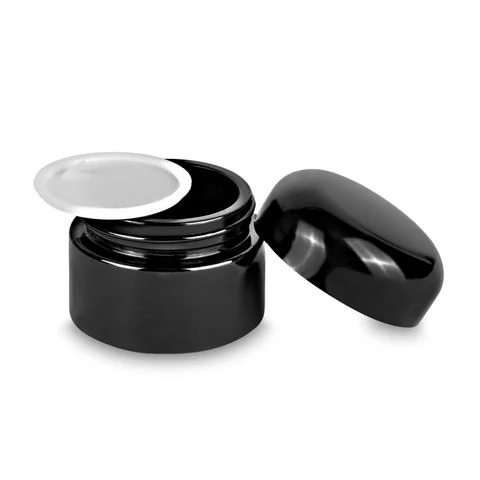
Food processing is another growing sector that supports glass packaging demand. Products such as sauces, pickles, cooking oils, and preserved foods often use glass jars and bottles to ensure safe storage and longer shelf life.
Glass packaging is also used in Iraq’s pharmaceutical sector. Medical products such as syrups, laboratory chemicals, and certain medicines require glass containers that meet strict safety standards.
Industrial development policies have encouraged investment in local manufacturing. The Iraqi government has shown interest in rebuilding domestic production capabilities in industries such as construction materials, packaging, and basic manufacturing.
Despite these efforts, the glass bottle industry still faces several challenges. Many local manufacturers operate with limited production capacity, and some companies rely on imported machinery and raw materials.
Raw materials such as silica sand are available in the region, but industrial infrastructure and energy supply can affect manufacturing stability.
Regional trade plays a role in supplementing local production. Iraq imports glass bottles and packaging materials from nearby countries such as Turkey, Iran, and the United Arab Emirates.
These imports help meet the demand of beverage companies and food manufacturers that require reliable packaging supplies.
At the same time, rebuilding domestic manufacturing capacity remains an important goal. Investments in modern furnaces, automated production lines, and improved quality control systems could strengthen the industry.
The growing consumer market also supports demand for packaged goods. As supermarkets, food brands, and beverage companies expand in Iraq, demand for reliable packaging materials continues to rise.
With ongoing economic recovery and infrastructure development, Iraq’s glass bottle manufacturing sector may gradually expand in the coming years.
Part 2: Leading Companies
Iraqi State Company for Glass & Ceramics
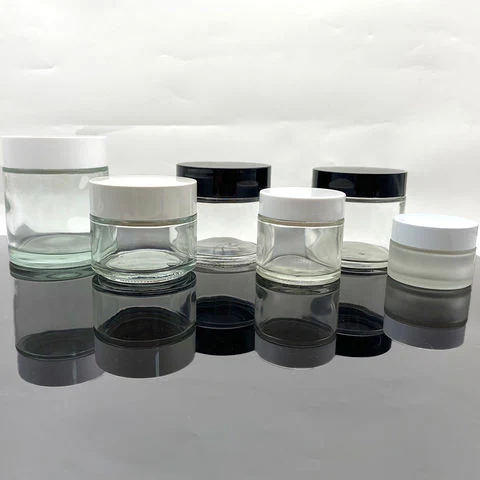
The Iraqi State Company for Glass & Ceramics is one of the most established industrial manufacturers in the country. The company operates under government ownership and has historically played a major role in domestic glass production.
The company produces various glass products including containers, construction glass, and industrial glass materials. Its glass containers are used in beverage packaging, food storage, and certain industrial applications.
The organization serves industries such as food processing, beverage production, and chemical manufacturing. Many domestic companies rely on its products because locally produced packaging reduces transportation costs.
Manufacturing facilities include furnace systems, forming machines, and packaging lines designed to produce glass containers in different shapes and sizes.
The company has worked to modernize certain production processes in order to improve product quality and increase manufacturing capacity.
Government support and industrial investment programs continue to help the company maintain its role in Iraq’s domestic glass production sector.
Quality standards and industrial certifications also support the company’s credibility among regional customers and industrial partners.
Al-Rasheed Glass Factory

Al-Rasheed Glass Factory is a private manufacturing company that produces glass containers and related products for various industrial sectors in Iraq.
The factory manufactures glass bottles and jars used in beverages, food packaging, and chemical products. These containers support local companies that require durable packaging materials.
The company supplies industries such as bottled beverages, sauces, preserved foods, and consumer goods packaging.
Production facilities use glass melting furnaces and forming machines that produce containers in multiple sizes and shapes.
Al-Rasheed Glass Factory focuses on providing reliable packaging solutions for domestic businesses that need consistent supply.
Efforts to upgrade equipment and improve production processes help the company maintain stable manufacturing performance.
Quality control systems ensure that glass bottles meet durability and safety requirements before being delivered to customers.
The company continues to explore opportunities to expand production capacity as Iraq’s consumer goods sector grows.
Baghdad Glass Manufacturing Co.

Baghdad Glass Manufacturing Co. is another company participating in Iraq’s glass container manufacturing sector. The company produces glass bottles and jars for packaging applications across several industries.
Its product range includes beverage bottles, food jars, and specialty containers used by food processors and consumer goods manufacturers.
The company works with industries such as beverage production, food processing, and household product manufacturing.
Production facilities include glass melting furnaces and container forming machines that allow the factory to produce packaging materials for domestic distribution.
Baghdad Glass Manufacturing focuses on improving manufacturing efficiency and product quality in order to meet growing demand for packaging materials.
The company also explores opportunities to collaborate with regional partners and suppliers to strengthen supply chains.
Quality assurance procedures ensure that containers meet durability requirements and packaging safety standards.
Industry certifications and compliance with manufacturing standards support the company’s credibility within Iraq’s developing industrial sector.
| Company | Founded | Core Products | Industries | Certifications |
|---|---|---|---|---|
| Iraqi State Company for Glass & Ceramics | 1970s | Glass containers, industrial glass | Beverage, food | Industrial quality certifications |
| Al-Rasheed Glass Factory | 1990s | Glass bottles and jars | Food, beverage | Manufacturing quality standards |
| Baghdad Glass Manufacturing | 2000s | Beverage bottles, food containers | Consumer goods | Quality management certifications |
Part 3: Trade Shows and Industry Events
Baghdad International Fair
The Baghdad International Fair is one of the country’s major trade exhibitions that showcases products from multiple industries including manufacturing, construction, and consumer goods.

The event takes place in Baghdad and attracts domestic companies as well as international exhibitors. Industrial manufacturers participate to promote products and explore partnership opportunities.
Glass manufacturers attend the event to connect with beverage producers, food companies, and distributors who require packaging materials.
The fair also allows businesses to explore industrial machinery, packaging technologies, and manufacturing equipment.
Iraq International Industry Exhibition
The Iraq International Industry Exhibition focuses on manufacturing technologies and industrial development across various sectors.
The event usually gathers manufacturers, equipment suppliers, and industrial investors interested in rebuilding Iraq’s manufacturing base.
Glass production companies participate to learn about new furnace technologies, automation equipment, and production machinery.
These exhibitions provide opportunities for companies to form partnerships and explore investment in modern manufacturing technologies.
| Event | Date | Location | Highlights |
|---|---|---|---|
| Baghdad International Fair | Annual | Baghdad | Industrial trade and manufacturing exhibition |
| Iraq International Industry Exhibition | Annual | Baghdad | Industrial technology and manufacturing equipment |
Part 4: Impact of Global Trade Policies
Global trade policies influence Iraq’s glass bottle manufacturing sector in several ways. Import regulations, regional trade relationships, and supply chain dynamics affect how manufacturers source materials and distribute products.

Iraq relies on regional trade partnerships to obtain certain industrial materials and manufacturing equipment. Countries such as Turkey, Iran, and the United Arab Emirates often supply machinery, packaging materials, and industrial components.
Trade policies and customs regulations can affect the cost and availability of these imports. Changes in tariffs or transportation conditions may influence production costs for local manufacturers.
Energy supply and infrastructure also play important roles in glass manufacturing. Since glass furnaces require continuous high temperatures, stable energy supply is essential for maintaining production operations.
Government initiatives aimed at strengthening domestic manufacturing could help reduce reliance on imports. Investments in industrial zones, infrastructure, and manufacturing technology may support local production growth.
Regional cooperation and trade partnerships may also create opportunities for Iraq to export certain industrial products in the future.
Although the industry currently operates on a relatively small scale, improvements in infrastructure and industrial investment could strengthen Iraq’s glass manufacturing sector over time.
Part 5: Conclusion
Iraq’s glass bottle manufacturing industry is still developing, but it plays an important role in supporting domestic beverage, food, and consumer goods industries. Glass packaging remains valuable because it protects product quality and provides safe storage for many types of products.
As the country continues rebuilding its industrial infrastructure, local manufacturing capacity may gradually expand.
However, the industry still faces challenges such as limited production capacity, dependence on imported equipment, and infrastructure constraints.
Continued investment in modern manufacturing technology and industrial development programs could help strengthen Iraq’s glass bottle production sector in the future.
With growing demand for packaged goods and ongoing economic recovery, Iraq’s glass bottle manufacturers may play a larger role in the country’s industrial development in the years ahead.