Skip to content
Part 1: Market Size and Growth
The glass bottle market in Kosovo is undergoing a significant transformation as the nation aligns itself with European industrial standards. As a young and developing economy in the Balkans, Kosovo has seen a steady rise in the demand for sustainable packaging across several key sectors. I have noticed that local businesses are increasingly moving away from plastic in favor of glass to meet both consumer preferences and new environmental regulations.
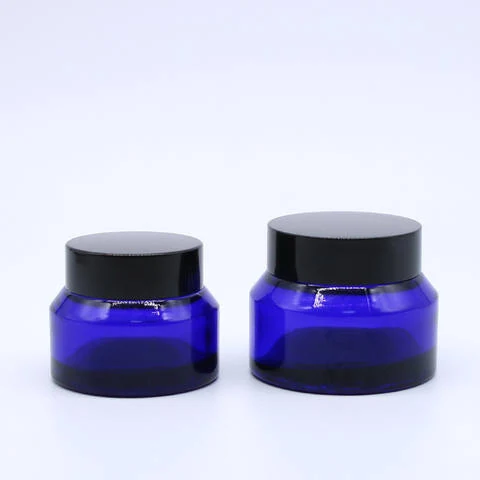
Currently, the market is characterized by a mix of domestic production and strategic imports from neighboring European countries. The beverage industry, particularly the production of mineral water, beer, and traditional spirits like Rakia, remains the primary driver of glass bottle consumption. We are seeing an annual growth rate that reflects a broader regional trend toward high-quality, recyclable glass containers that preserve product integrity.
The government is also playing a crucial role by encouraging circular economy practices and providing incentives for local manufacturing. Investments in modern industrial zones near Prishtina and Prizren are making it easier for factories to access stable energy and transport networks. This support is helping the industry transition from simple distribution to more advanced manufacturing and specialized glass processing.
The Rise of Sustainable Packaging
In my observations, the shift toward a circular economy is not just a trend but a necessity for Kosovo’s future growth. Local entrepreneurs are realizing that glass is one of the few materials that can be recycled infinitely without losing its quality. This realization has sparked a new wave of interest in domestic bottling solutions that can serve the local dairy and food preservation markets.
The proximity of Kosovo to major European trade routes allows for a dynamic exchange of technology and raw materials. I believe that as local technical expertise grows, we will see more "Made in Kosovo" glass products reaching international markets. The focus is shifting toward "hollow glass" production, which includes the jars and bottles used by the thousands of small-scale food producers across the country.
| Market Segment | Usage Rate | Growth Potential | Primary Material |
|---|---|---|---|
| Carbonated Drinks | High | 5.5% Annual | Soda-lime Glass |
| Mineral Water | Very High | 7.2% Annual | Clear Flint Glass |
| Traditional Spirits | Medium | 4.8% Annual | Amber/Green Glass |
| Food Preservation | Medium | 6.0% Annual | Broad-neck Jars |
Infrastructure and Strategic Location
Kosovo's central location in the Balkans makes it an ideal spot for distribution hubs serving the wider region. The development of new highways has significantly reduced the time it takes to move heavy glass shipments from factories to bottling plants. I have seen how improved logistics have helped small breweries in rural areas access the same high-quality glass as the big international brands in the capital.
The energy sector is also seeing improvements, which is vital for the heat-intensive process of glass making. As the country integrates more renewable energy into its grid, the carbon footprint of locally produced glass will decrease. This makes Kosovo-based manufacturers even more attractive to European buyers who are looking for green supply chain partners in the 2026 market.
Part 2: Leading Companies
Kosovo Glass Recycling (KGR)
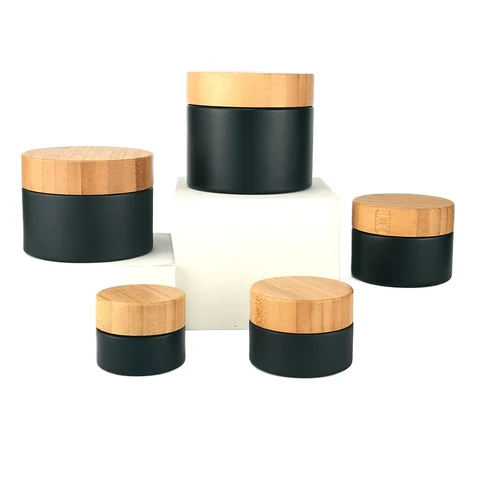
Kosovo Glass Recycling is a pioneer in the country's journey toward a circular economy and sustainable manufacturing. Founded to address the growing challenge of glass waste, this company has transformed how the nation views discarded bottles and jars. They are based in the Prizren region and have quickly become a leader in eco-friendly industrial practices.
While their core mission is recycling, they produce a variety of high-quality glass-based materials that serve the construction and design industries. They work closely with local municipalities to collect raw glass, which is then processed into innovative products like terrazzo tiles and glass media. Their operations provide the essential raw materials that could eventually fuel a domestic hollow-glass production line.
They serve the hospitality, construction, and environmental sectors across Kosovo and the wider Balkan region. Their technical innovation lies in their advanced sorting and cleaning processes that ensure zero contamination in their final products. They are widely recognized for their commitment to environmental responsibility and hold several regional sustainability awards.
LuzhaGlass
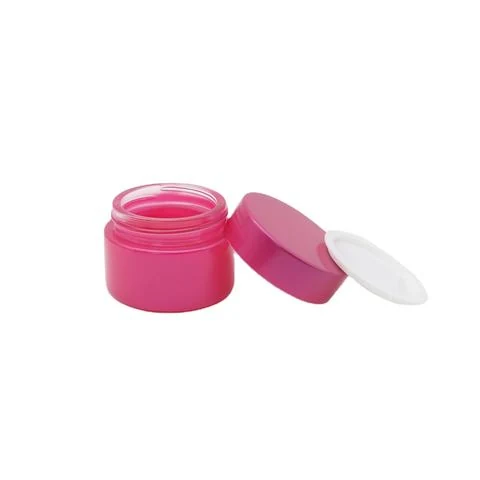
LuzhaGlass is a prominent name in the specialized glass sector, focusing on high-quality solutions for modern architecture and design. The company has built a strong reputation for precision and durability, operating out of a state-of-the-art facility. Their background is rooted in the belief that glass should provide both beauty and safety in every application.
Their primary products include laminated and safety glass, which are essential for the growing retail and commercial construction sectors in Prishtina. They offer tailored solutions for clients who need specific glass shapes or reinforced properties for industrial use. Their commitment to using the latest technology ensures that every piece of glass meets strict European safety standards.
The company serves architects, construction firms, and high-end retail brands that require premium glass installations. Their technical highlight is their specialized lamination process, which creates glass that is highly resistant to impact and temperature changes. They prioritize customer satisfaction and have become a trusted partner for large-scale development projects.
MosaiQue SH.P.K.
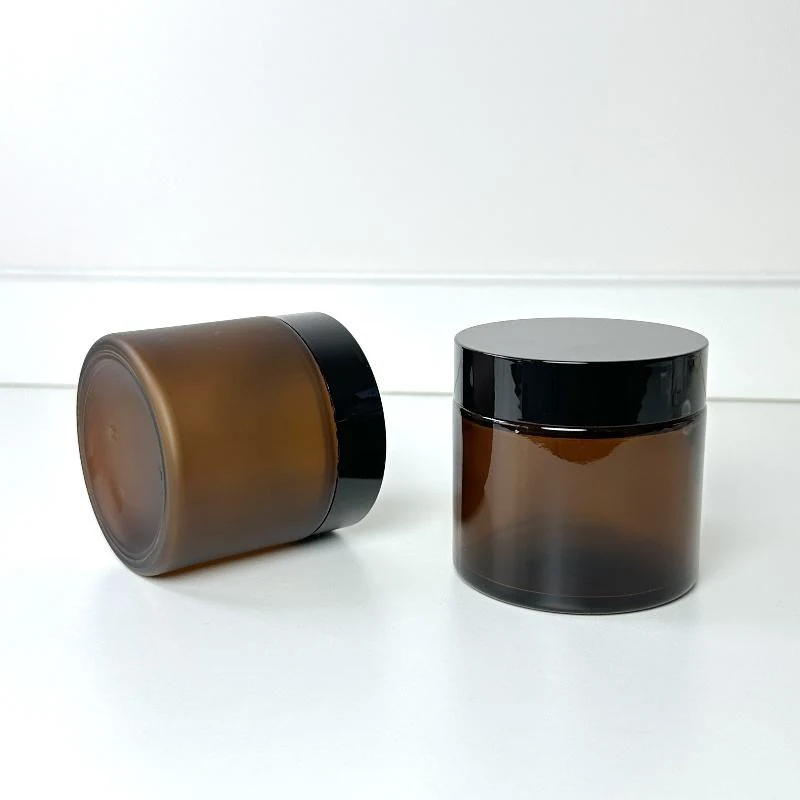
MosaiQue is a versatile player in the Kosovo glass market, acting as both a supplier and a fabricator of diverse glass products. They have established themselves as a key link in the supply chain for glass bottles, flasks, and jars used in various industries. The company is strategically located to serve the bustling commercial zones of Fush? Kosov?.
They provide a wide range of hollow glass containers, including pharmaceutical-grade vials and decorative jars for the food industry. Their catalog is designed to support small-scale producers who need flexible order quantities and reliable delivery schedules. They also specialize in shaped glass products that are used in lab settings and specialized industrial applications.
MosaiQue serves the medical, food and beverage, and craft industries throughout Kosovo. Their innovation lies in their ability to source and customize glass containers to meet the specific branding needs of their clients. They are known for their technical expertise in glass shaping and their deep understanding of the local market's packaging requirements.
Comparison of Kosovo Glass Industry Leaders
| Company | Founded | Core Products | Industries | Certifications |
|---|---|---|---|---|
| Kosovo Glass Recycling | 2020 | Recycled Glass Media | Construction, Eco | Circular Economy Award |
| LuzhaGlass | 2015 | Laminated & Safety Glass | Architecture, Retail | EU Safety Standards |
| MosaiQue SH.P.K. | 2008 | Bottles, Jars & Vials | Pharma, Food, Lab | National Quality Cert |
Part 3: Trade Shows and Industry Events
AGROKOS Pristina 2026
AGROKOS is the most significant international trade fair in Kosovo for the agribusiness and food sectors. This event serves as a major platform for packaging companies to showcase their latest glass bottle and jar designs. It is where I usually see the best examples of how local food brands are using glass to elevate their products for export.
The fair takes place annually at the Palace of Youth and Sports in Prishtina, attracting hundreds of exhibitors from across Europe. In 2026, the event is expected to place a heavy emphasis on sustainable bottling and labeling technologies. It is an essential meeting point for factory owners, distributors, and large-scale agricultural producers.
The highlight of AGROKOS is the networking sessions where international investors meet local manufacturers to discuss partnership opportunities. There are also seminars focused on meeting European Union packaging regulations, which is vital for any company looking to export. The event is a hub of innovation and a clear indicator of the country's industrial progress.
EXPOKOS - International Trade Fair
EXPOKOS is a broader industrial event that covers construction, energy, and manufacturing sectors. While it is not exclusive to glass, it is a key venue for manufacturers of industrial and flat glass to meet with large-scale contractors. Many of the leading glass fabrication companies in the region use this event to debut their newest safety and laminated glass products.
The event is held in the capital and serves as a gateway for foreign companies looking to enter the Balkan market. It provides a comprehensive look at the modern infrastructure projects that are driving the demand for specialized glass solutions. Visitors can explore the latest machinery used in glass cutting, tempering, and lamination.
| Event | Date | Location | Highlights |
|---|---|---|---|
| AGROKOS 2026 | May 27-28 | Prishtina | Packaging & Bottling Tech |
| EXPOKOS | Annually (May) | Prishtina | Industrial Glass & Tech |
Part 4: Impact of Global Trade Policies
Global trade policies and the ongoing process of European integration are the primary forces shaping Kosovo's glass industry. The Stabilization and Association Agreement (SAA) with the EU has opened up new opportunities for local manufacturers to export their goods with reduced tariffs. This makes "Made in Kosovo" glass more competitive in the wider European market and encourages local factories to adopt higher quality standards.
However, the industry must also navigate the challenges of fluctuating raw material costs and international energy prices. Since Kosovo still imports a portion of its industrial equipment, any disruptions in global shipping can lead to delays in factory upgrades. I have observed that many local firms are now focusing on regional cooperation within the Western Balkans to create a more resilient supply chain.
The push for "Green Trade" is another major policy trend that is benefiting the glass sector. As international buyers look for low-carbon packaging, the growth of glass recycling in Kosovo becomes a strategic advantage. Companies that can prove their sustainability credentials will find it much easier to secure long-term contracts with global brands in the beverage and cosmetic industries.
Part 5: Conclusion
The glass bottle and manufacturing industry in Kosovo is poised for a bright future as it embraces sustainability and modern technology. The rising demand for eco-friendly packaging, combined with a young and motivated workforce, creates a perfect environment for growth. I am confident that as more local companies move toward specialized glass production, Kosovo will become a key player in the regional Balkan supply chain. It is a period of great opportunity for those who can balance high-quality production with environmental responsibility.
Despite these positive trends, the industry must still work hard to overcome infrastructure and energy hurdles. Staying competitive requires continuous investment in the latest machinery and a deep commitment to meeting international safety standards. I believe that through strategic partnerships and a focus on innovation, Kosovo’s glass manufacturers will continue to thrive and set new benchmarks for the region. The journey is just beginning, and the potential for long-term success is very clear.