Skip to content
Part 1: Market Size and Growth
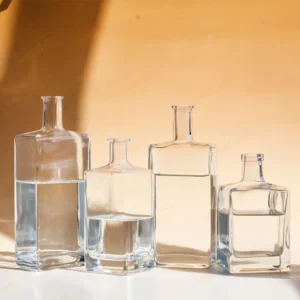
Kuwait has a relatively small but strategically important glass packaging market in the Middle East. The demand for glass bottles mainly comes from food processing, beverages, pharmaceuticals, and cosmetics. Glass containers are widely used because they preserve product quality, provide chemical stability, and create a premium image for brands.
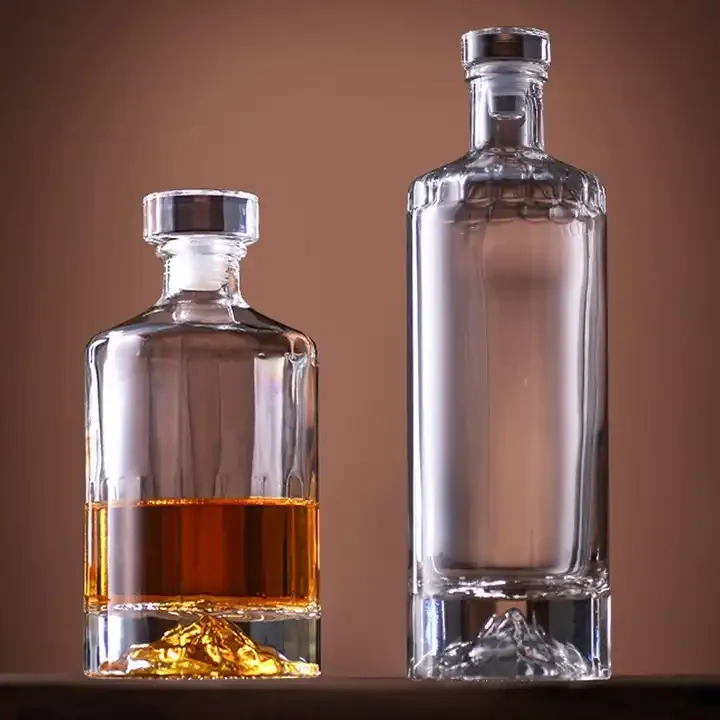
The country imports a large portion of its glass containers while maintaining several regional manufacturing operations. Beverage companies, sauce producers, and perfume brands require consistent packaging supply. Glass bottles remain popular in Kuwait because they match the region’s preference for high-end product presentation.
Government economic diversification plans also influence the packaging industry. Kuwait aims to strengthen manufacturing sectors beyond oil production. Industrial zones near Kuwait City and Shuaiba support packaging and light manufacturing industries that supply the domestic consumer market.
Structure of Kuwait’s Glass Packaging Market
Kuwait’s glass bottle market differs from those in large manufacturing countries. The domestic industry focuses more on regional supply chains and niche production rather than massive production volumes. Many companies operate distribution networks that import bottles from neighboring countries such as the UAE or Saudi Arabia.
However, local manufacturing still plays an important role in supplying specific packaging needs. Food processing companies, cosmetic brands, and pharmaceutical manufacturers often prefer nearby suppliers. Local production reduces transport costs and shortens delivery times.
Regional trade connections also influence the structure of the market. Kuwait sits at the center of several Gulf trade routes. This location allows packaging companies to distribute products across the Gulf Cooperation Council (GCC) region.
Demand from Food and Beverage Industries
Food and beverage products generate the largest demand for glass containers in Kuwait. The country imports and produces a wide range of packaged foods such as sauces, olive oil, and preserved vegetables. These products commonly use glass jars and bottles.
The beverage sector also contributes to steady demand for glass packaging. Juice producers, flavored drink brands, and specialty beverage companies often prefer glass bottles for premium product lines. Glass containers protect taste and maintain product freshness.
In addition, traditional Middle Eastern food products often rely on glass packaging. Date syrups, honey, herbal drinks, and specialty sauces frequently use glass bottles. These products benefit from the transparency and durability of glass containers.
Cosmetic and Perfume Packaging
Kuwait has a strong market for perfumes and cosmetic products. Luxury fragrance brands frequently use decorative glass bottles for packaging. Glass offers excellent clarity and allows designers to create elegant container shapes.
Perfume packaging often requires thick glass walls and intricate bottle designs. Manufacturers collaborate with cosmetic brands to develop bottles that reflect brand identity. This segment generates high value for glass packaging suppliers.
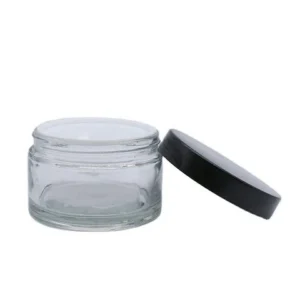
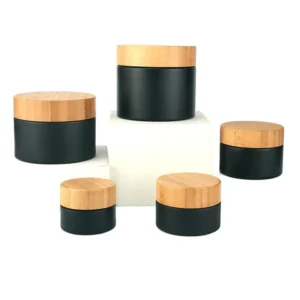
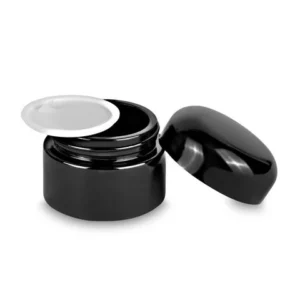
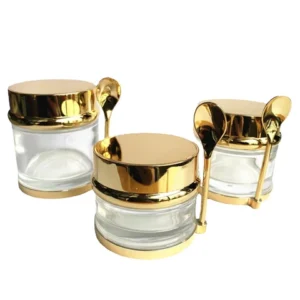
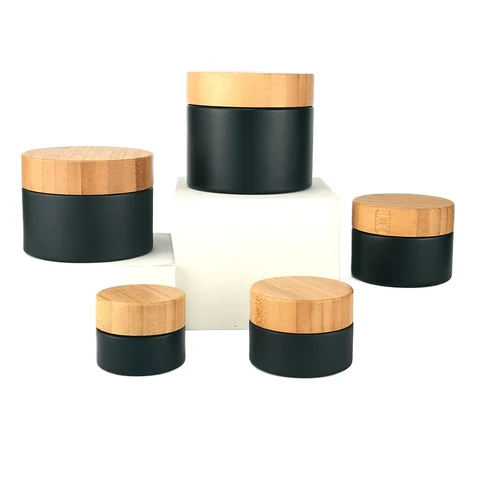
Cosmetic products such as skincare oils, serums, and creams also rely on glass containers. These products benefit from glass because it does not react with sensitive ingredients. As a result, cosmetic brands often choose glass packaging for product safety and visual appeal.
Sustainability and Recycling
Environmental awareness is increasing across the Gulf region. Kuwait has begun implementing recycling initiatives to reduce waste and improve sustainability practices. Glass packaging fits well into these initiatives because it can be recycled repeatedly.
Recycled glass materials reduce the energy required during the melting process. Manufacturers that use recycled cullet can lower furnace temperatures and reduce fuel consumption. This approach helps lower production costs while supporting environmental goals.
Consumers and companies also recognize the environmental benefits of glass packaging. Many food and cosmetic brands highlight recyclable packaging in their marketing campaigns. This trend strengthens the long-term role of glass containers in Kuwait’s packaging market.
Industry Segments
The glass bottle market in Kuwait supports several key industries. Each industry requires different bottle designs and technical characteristics.
| Sector | Typical Products | Market Characteristics |
|---|---|---|
| Food | Sauces, oils, honey | Stable domestic demand |
| Beverage | Juice, flavored drinks | Premium packaging use |
| Cosmetics | Perfume, skincare | Decorative glass containers |
| Pharmaceutical | Medicine bottles | Strict safety standards |
Food packaging represents the most stable demand segment. Cosmetics and perfumes generate high-value packaging requirements, while pharmaceutical packaging requires strict quality standards.
Technology and Manufacturing Development
Glass bottle production requires specialized furnace technology and automated forming equipment. Molten glass is shaped into bottles using precision molds. These molds determine bottle shape, thickness, and capacity.
Modern glass factories operate automated inspection systems that detect defects during production. These systems identify cracks, bubbles, or irregular shapes before bottles reach packaging lines.
Energy efficiency is another major focus in glass manufacturing. Furnaces operate continuously at extremely high temperatures. Manufacturers invest in improved insulation systems and advanced furnace control technologies to reduce energy consumption.
Digital monitoring systems also help engineers control production conditions. These systems track furnace temperature, production speed, and mold performance in real time. This technology improves manufacturing consistency and reduces waste.
Part 2: Leading Companies
Kuwait Glass Company
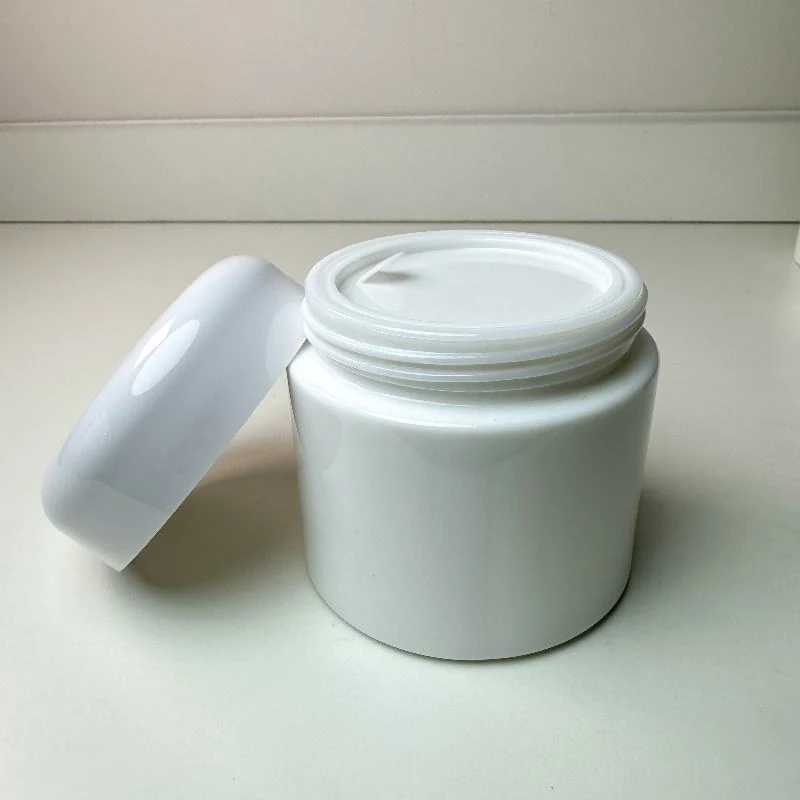
Kuwait Glass Company represents one of the main glass manufacturers in the country. The company was established to supply container glass products to domestic food and beverage industries. Its production facilities support the packaging needs of several local manufacturing sectors.
The company produces glass bottles and jars for food products, beverages, and pharmaceutical applications. Its manufacturing operations include furnace systems, forming machines, and quality inspection equipment.
Kuwait Glass Company works closely with local beverage producers and packaged food companies. Many businesses rely on its packaging supply to maintain stable product distribution.
The company serves industries such as beverage production, food processing, and pharmaceutical manufacturing. Its product portfolio includes glass bottles, jars, and industrial glass containers.
Kuwait Glass Company follows industrial quality standards required by packaging manufacturers in the region. These standards help maintain reliable product quality and customer trust.
Gulf Glass Manufacturing Company
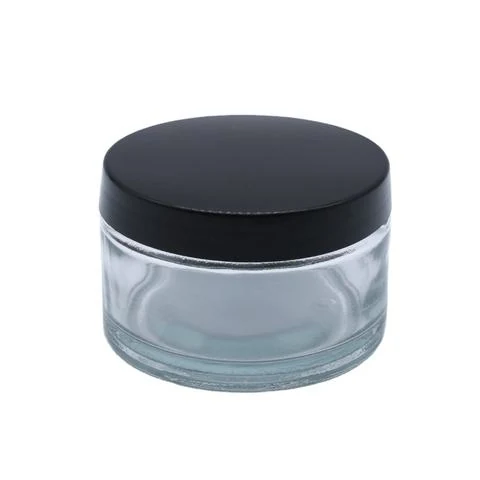
Gulf Glass Manufacturing Company operates within the broader Gulf packaging industry. The company focuses on container glass production for food and beverage packaging. Its operations support both domestic markets and regional export opportunities.
The company manufactures glass bottles, jars, and specialty containers. These products are used for sauces, beverages, cooking oils, and packaged foods.
Gulf Glass Manufacturing invests in automated production equipment and inspection systems. These technologies help ensure consistent bottle quality and reduce manufacturing defects.
The company supplies packaging to food processing companies and beverage producers across the Gulf region. Its distribution network allows customers to access glass packaging solutions efficiently.
Gulf Glass Manufacturing follows international manufacturing standards related to quality management and industrial safety. These certifications support reliable packaging production.
Al-Sulaibiya Glass Industries
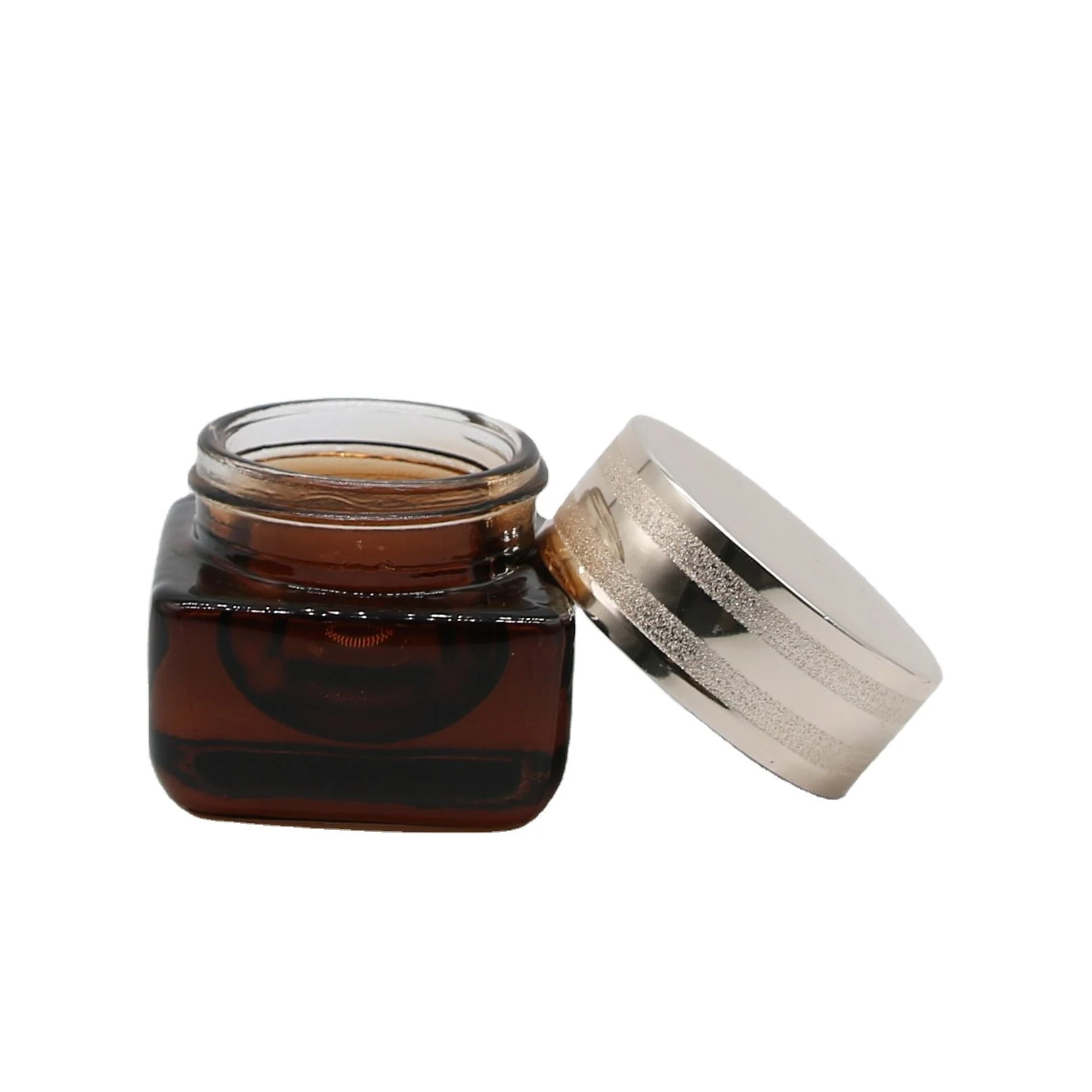
Al-Sulaibiya Glass Industries represents another participant in Kuwait’s glass manufacturing sector. The company focuses on glass containers and industrial glass products used in packaging applications. Its facilities serve both domestic customers and regional packaging markets.
The company produces glass bottles, jars, and specialty containers used in food and beverage packaging. Its production lines operate modern forming equipment that shapes molten glass into standardized container designs.
Al-Sulaibiya Glass Industries collaborates with regional distributors and food manufacturers that require reliable packaging supply. The company offers container designs suited for sauces, oils, and other packaged foods.
The company serves industries including food production, beverage manufacturing, and chemical packaging. Its manufacturing processes follow industrial standards that ensure product safety and durability.
Al-Sulaibiya Glass Industries maintains quality control systems that monitor production consistency. These systems help the company deliver stable packaging solutions for regional markets.
Company Comparison
| Company | Founded | Core Products | Industries | Certifications |
|---|---|---|---|---|
| Kuwait Glass Company | 1980s | Glass bottles, jars | Food, beverage | Industrial quality standards |
| Gulf Glass Manufacturing Company | 1990s | Container glass | Food, beverage | ISO manufacturing standards |
| Al-Sulaibiya Glass Industries | 2000s | Glass containers | Food, chemical | Regional manufacturing certifications |
Part 3: Trade Shows and Industry Events
Gulf Pack & Food Manufacturing Exhibition
Gulf Pack & Food Manufacturing Exhibition is one of the major trade events in the Gulf region for packaging and food processing industries. The exhibition brings together manufacturers, packaging suppliers, and technology providers. Glass container manufacturers often participate to present new bottle designs and packaging solutions.
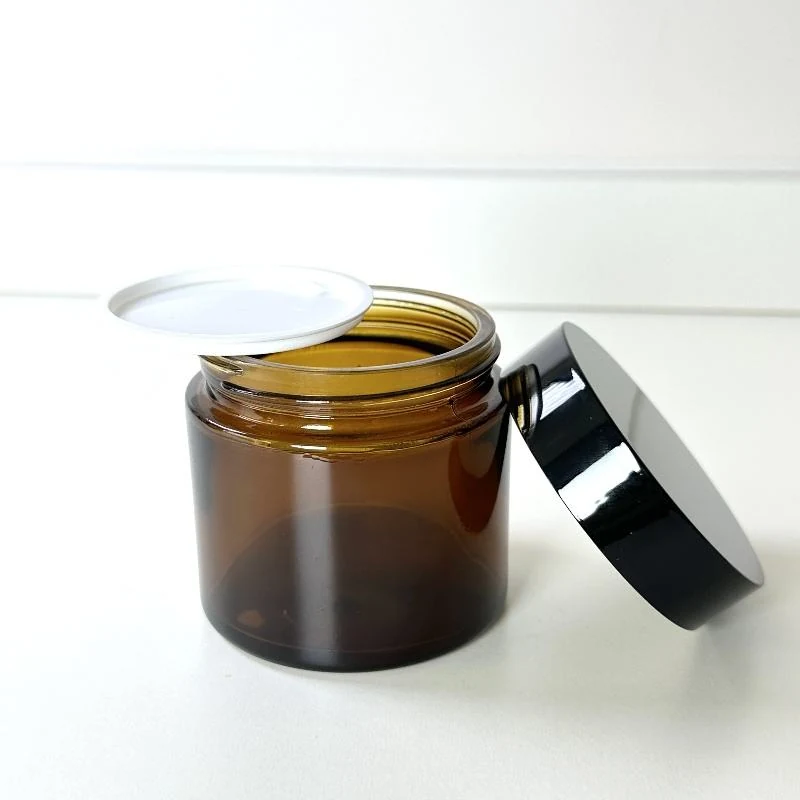
The exhibition usually takes place in the Gulf region and attracts visitors from Kuwait, the UAE, Saudi Arabia, and neighboring countries. Food manufacturers and beverage companies attend to explore new packaging technologies.
The show highlights packaging materials, filling equipment, and sustainable packaging innovations. Glass bottle manufacturers often present lightweight bottle designs and decorative packaging solutions.
Kuwait International Industrial Exhibition
The Kuwait International Industrial Exhibition focuses on industrial manufacturing and technology development. The event gathers companies involved in manufacturing, packaging, and industrial equipment. Glass packaging suppliers participate to connect with food processors and manufacturing companies.
The exhibition takes place in Kuwait and attracts business visitors from across the Middle East. Participants include manufacturing companies, packaging suppliers, and industrial equipment providers.
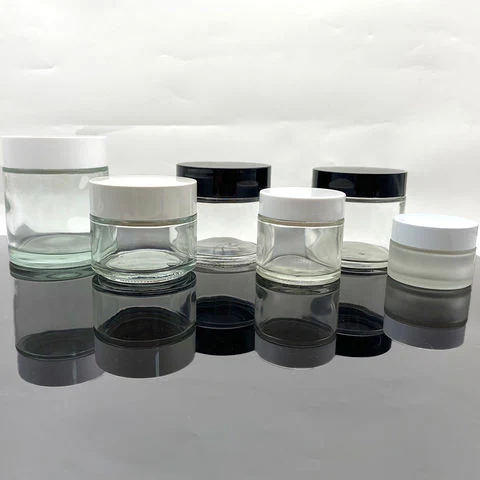
Packaging manufacturers display container solutions for food, cosmetics, and pharmaceutical industries. Glass bottle suppliers often showcase durable packaging solutions designed for regional markets.
Trade Show Overview
| Event | Date | Location | Highlights |
|---|---|---|---|
| Gulf Pack & Food Manufacturing Exhibition | Annual | Gulf Region | Food processing and packaging |
| Kuwait International Industrial Exhibition | Annual | Kuwait City | Industrial manufacturing technology |
Part 4: Impact of Global Trade Policies
Global trade policies strongly influence Kuwait’s glass packaging industry. The country imports many raw materials and packaging products from international suppliers. Changes in tariffs or shipping costs can directly affect packaging prices in the domestic market.
Energy prices also play a major role in glass manufacturing economics. Glass furnaces require extremely high temperatures and continuous operation. Fluctuations in fuel prices therefore affect production costs.
Regional trade agreements within the Gulf Cooperation Council facilitate the movement of goods across borders. These agreements allow glass packaging suppliers to distribute bottles and containers across Gulf markets.
Supply chain stability remains another important factor. Packaging manufacturers must secure reliable access to raw materials such as silica sand, soda ash, and limestone. Disruptions in global shipping networks can affect manufacturing schedules.
Local substitution trends are also visible in Kuwait’s packaging sector. Food and beverage companies often prefer regional suppliers to reduce transportation risks. This approach strengthens cooperation between Gulf manufacturers and packaging distributors.
Part 5: Conclusion
Kuwait’s glass bottle manufacturing industry reflects the country’s broader packaging and consumer goods sectors. Demand from food processing, beverages, cosmetics, and pharmaceuticals continues to support glass container use. Glass packaging remains popular because it protects product quality and enhances brand presentation.
However, the industry faces challenges such as energy costs, reliance on imported raw materials, and regional competition. Companies that invest in efficient production technology and sustainable manufacturing will maintain stronger market positions. With continued economic diversification, Kuwait’s glass packaging market will remain an important part of the regional packaging supply chain.