Skip to content
Part 1: Market Size and Growth
Latvia may be a relatively small country in Northern Europe, yet it holds a meaningful position in the Baltic region’s packaging supply chain. The country has a long tradition of glass craftsmanship and industrial manufacturing. Today, glass containers remain widely used in beverage, food, and specialty packaging sectors. Many Latvian producers continue to rely on glass bottles because they protect product quality and support premium brand positioning.
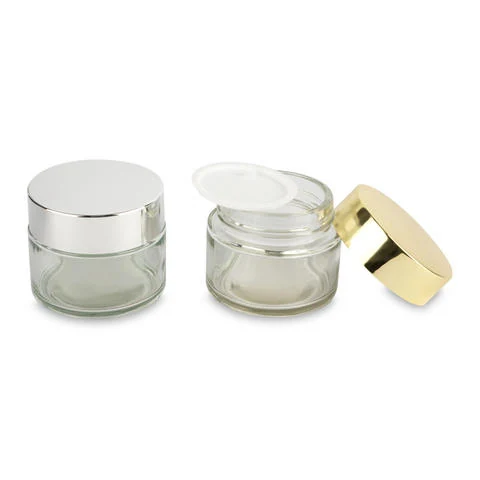
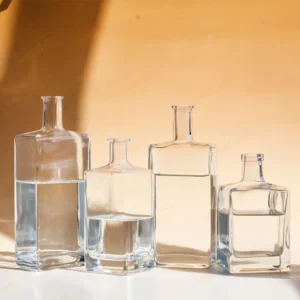
Demand for glass bottles in Latvia is closely connected to the beverage industry. Breweries, distilleries, and soft drink producers require large volumes of glass packaging every year. Latvia also has a growing craft beverage scene, including small breweries and artisanal spirits producers. These brands often prefer unique bottle shapes that help their products stand out in competitive retail markets.
Environmental policies across the European Union also influence the Latvian glass industry. Recycling programs and deposit systems help recover large amounts of used glass. Manufacturers can reuse these materials in new bottle production, which lowers energy consumption and reduces waste. Investment in modern furnaces and automated production systems continues to improve efficiency and competitiveness.
Key Market Drivers
Several economic and industrial factors support the stability of the glass bottle market in Latvia. These drivers come from both domestic industries and regional export markets.
| Driver | Description |
|---|---|
| Beverage Production | Beer, spirits, and soft drinks require glass packaging |
| EU Market Access | Latvian manufacturers can supply bottles across Europe |
| Sustainability Policies | Recycling programs increase recycled glass supply |
| Craft Beverage Growth | Small brands require custom bottle designs |
Latvia’s location in the Baltic region also supports export opportunities. Manufacturers can easily supply packaging to neighboring countries such as Lithuania, Estonia, and Scandinavia. Efficient transportation routes help Latvian glass producers serve both local and international markets.
Industry Structure
The Latvian glass bottle industry consists of both large-scale manufacturers and smaller specialty producers. Larger factories typically focus on beverage bottles produced in high volumes. These facilities operate automated forming machines and large furnaces that run continuously.
Smaller companies often focus on niche markets such as decorative glass containers or custom-designed bottles. They may work with craft beverage brands, cosmetics companies, and premium food producers.
The industry also focuses strongly on energy efficiency. Glass furnaces require extremely high temperatures to melt raw materials. Because energy costs are significant, many manufacturers invest in modern furnace technologies and recycling systems.
Recycling and Raw Materials
Glass manufacturing in Latvia relies on both natural raw materials and recycled glass. The recycling system across the Baltic region provides a steady supply of recovered glass containers.
Recycled glass, also known as cullet, melts more easily than raw materials. This reduces the amount of energy required during the manufacturing process. Manufacturers therefore benefit from both environmental and economic advantages.
| Material | Role in Glass Production |
|---|---|
| Silica Sand | Primary ingredient used to form glass |
| Soda Ash | Lowers melting temperature |
| Limestone | Stabilizes the glass structure |
| Recycled Glass (Cullet) | Improves sustainability and reduces energy use |
Many manufacturers aim to increase the percentage of recycled glass used in production. This approach aligns with European environmental policies and supports the circular economy.
Part 2: Leading Companies
Valmieras Stikla ??iedra

Valmieras Stikla ??iedra is one of Latvia’s most well-known glass manufacturing companies. Founded in 1963, the company has developed strong expertise in glass production technologies. While the company is widely recognized for fiberglass materials, its manufacturing experience also contributes to the broader glass industry ecosystem.
The company produces various glass-based materials and components used across multiple industries. Its technologies support applications in construction, industrial manufacturing, and technical glass solutions.
Valmieras Stikla ??iedra works with international partners and exports products to many global markets. The company’s industrial expertise and manufacturing infrastructure make it an important contributor to Latvia’s glass sector.
The company focuses strongly on research and development. Continuous investment in production technology and quality control helps maintain high manufacturing standards. These capabilities also support innovation in glass material processing.
Groglass
Groglass is a high-technology glass manufacturer based in Latvia. The company specializes in advanced glass coatings and optical glass products used in premium applications.
The company’s products are widely used in museums, electronics, and architectural projects. Its advanced coating technologies improve transparency and reduce reflections on glass surfaces.
Groglass works with international clients across Europe, Asia, and North America. Its manufacturing processes focus heavily on precision engineering and material science.
The company has received recognition for innovation in optical glass technology. Its products are often used in high-end display systems and specialized architectural projects.
Ardagh Group Latvia

Ardagh Group operates globally as one of the largest glass packaging manufacturers in the world. Although its main production facilities are located across Europe and North America, the company maintains strong commercial and industrial connections in the Baltic region.
Ardagh specializes in manufacturing glass containers for beverage and food industries. Its product range includes beer bottles, wine bottles, spirit bottles, and food jars. These containers are widely used by beverage producers and food companies.
The company serves industries such as breweries, wineries, and food processing companies. Large automated production systems allow Ardagh to manufacture high volumes of glass containers while maintaining strict quality standards.
Sustainability plays a major role in the company’s strategy. Ardagh invests heavily in lightweight bottle design, energy-efficient furnaces, and increased use of recycled glass materials.
Company Comparison
| Company | Founded | Core Products | Industries | Certifications |
|---|---|---|---|---|
| Valmieras Stikla ??iedra | 1963 | Glass fiber materials | Construction, industrial manufacturing | Industrial quality standards |
| Groglass | 2004 | Optical glass and coatings | Electronics, architecture | Technology and innovation awards |
| Ardagh Group | 1932 | Glass bottles and containers | Beverage, food packaging | Sustainability certifications |
Part 3: Trade Shows and Industry Events
Riga Food Expo
Riga Food Expo is one of the largest food industry exhibitions in the Baltic region. Although the event focuses mainly on food production, packaging companies play a significant role.

The exhibition takes place annually in Riga and attracts food producers, distributors, and packaging suppliers from across Europe. Glass bottle manufacturers attend the event to connect with beverage and food brands that require reliable packaging solutions.
The exhibition also features seminars and networking events. These sessions often focus on food safety, packaging innovation, and sustainability trends.
Baltic Packaging Exhibition
The Baltic Packaging Exhibition is another important regional event related to packaging technologies and materials.

This exhibition brings together manufacturers, packaging suppliers, and industrial equipment companies. Participants showcase new packaging materials, production technologies, and recycling solutions.
Glass manufacturers often use the event to introduce innovative bottle designs and sustainable packaging solutions. The exhibition also provides opportunities for companies to explore new partnerships and regional market opportunities.
Event Summary
| Event | Date | Location | Highlights |
|---|---|---|---|
| Riga Food Expo | Annual | Riga, Latvia | Food industry and packaging solutions |
| Baltic Packaging Exhibition | Annual | Baltic region | Packaging technology and sustainability |
Part 4: Impact of Global Trade Policies
Global trade policies play a major role in shaping Latvia’s glass manufacturing industry. As a member of the European Union, Latvia participates in the EU single market. This allows goods such as glass bottles to move freely between member states.
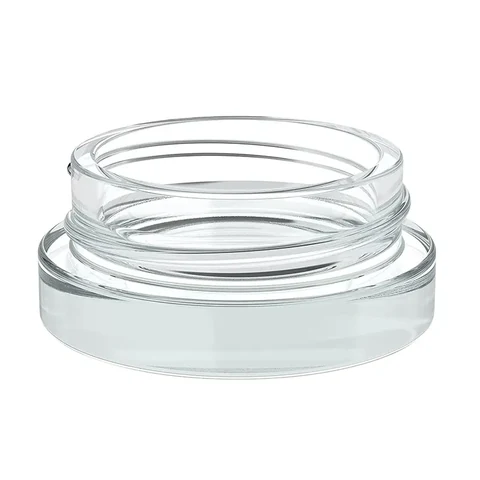
Access to the European market provides Latvian manufacturers with a large customer base. Beverage brands across Europe can easily source packaging materials from suppliers within the EU. This open trade environment supports the growth of glass manufacturing and packaging industries in the Baltic region.
However, global supply chains also face challenges. Energy prices have increased across Europe in recent years. Because glass furnaces require continuous high temperatures, energy costs directly affect production expenses.
Supply Chain Risks
Glass manufacturing depends on stable access to raw materials and transportation networks. Any disruption in these systems can influence production efficiency.
| Risk Factor | Impact |
|---|---|
| Energy price fluctuations | Increased furnace operating costs |
| Raw material shortages | Delays in glass production |
| Transportation costs | Higher logistics expenses |
| Trade regulations | Compliance requirements for exports |
Manufacturers often respond by improving energy efficiency and increasing the use of recycled glass materials.
Competitive Landscape
Latvia’s glass industry operates within the broader European packaging market. Major manufacturing countries such as Germany, Poland, and Italy produce large volumes of glass containers.
However, Latvia offers several competitive advantages. The country has strong industrial engineering capabilities, efficient logistics networks, and access to Baltic Sea transportation routes.
Because of these strengths, Latvian companies continue to participate in international supply chains for glass materials and packaging solutions. Regional cooperation across the Baltic countries also supports industry growth and technological innovation.
Part 5: Conclusion
The glass manufacturing sector in Latvia reflects a combination of traditional craftsmanship and modern industrial technology. Demand from beverage producers, food companies, and specialty industries supports continued development of the market.
At the same time, the industry must address challenges such as energy costs, global competition, and evolving environmental regulations. Companies that invest in efficient production systems, recycling technologies, and innovative glass applications will remain competitive in the European packaging industry.