Skip to content
Part 1: Market Size and Growth
The glass bottle industry in Libya is currently going through a very interesting phase of recovery and rebuilding. For a long time, the country relied heavily on imports to meet its local packaging needs for food and beverages. However, as the local economy stabilizes, there is a clear shift toward domestic production and specialized B2B sourcing. This change is driven by the need to reduce costs for local juice producers, water bottling plants, and the growing pharmaceutical sector. I see more businesses looking for reliable containers that can withstand the local climate while maintaining high hygiene standards. The trend is moving away from plastic towards glass because it is safer and can be recycled many times.
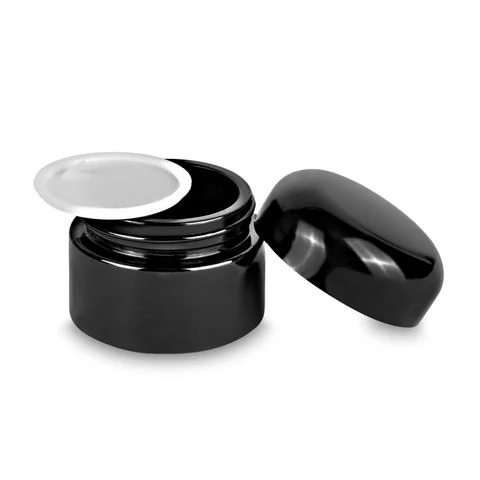
The market size for glass containers in Libya is expanding as urban centers like Tripoli and Benghazi see a rise in modern retail and hospitality. Local beverage companies are the biggest buyers, followed closely by the food processing industry which needs jars for preserves and oils. Many international brands are also looking to partner with local distributors to ensure their products are packaged in high-quality glass. I have noticed that the demand for customized shapes and sizes is growing because brands want to stand out on the shelves. This creates a huge opportunity for manufacturers who can offer flexibility in their production lines.
The growth of this sector is also supported by government efforts to encourage industrial diversification. Since Libya has large reserves of silica sand, which is the main ingredient for glass, the potential for low-cost production is very high. Foreign investment is starting to trickle back into the industrial zones, focusing on modernizing old factories and building new ones. Industrial clusters are forming near major ports to make it easier to export finished goods to neighboring African and Mediterranean markets. These clusters benefit from shared infrastructure and better access to energy, which are crucial for the heat-intensive glass melting process.
Deep Dive into Libya's Industrial Transformation
The shift from a state-led economy to one where private enterprises play a bigger role is changing how glass is made and sold. In the past, large state factories handled everything, but they often struggled with efficiency and keeping up with modern designs. Today, private companies are stepping in to fill the gap by importing advanced machinery from Europe and China. They are focusing on "Lightweighting," which is a technique to make bottles thinner but just as strong. This saves on raw materials and makes shipping much cheaper. For a buyer, this means getting a high-quality product at a more competitive price point.
| Market Segment | Growth Rate (Est.) | Primary Driver | Packaging Type |
|---|---|---|---|
| Soft Drinks | 5.2% | Urbanization | Flint Glass Bottles |
| Pharmaceuticals | 6.8% | Healthcare Reform | Amber Glass Vials |
| Food Jars | 4.1% | Local Agriculture | Wide-mouth Jars |
| Cosmetics | 3.5% | Retail Expansion | Specialty Clear Glass |
Part 2: Leading Companies
Al-Ahlia Company for Glass and Refractories
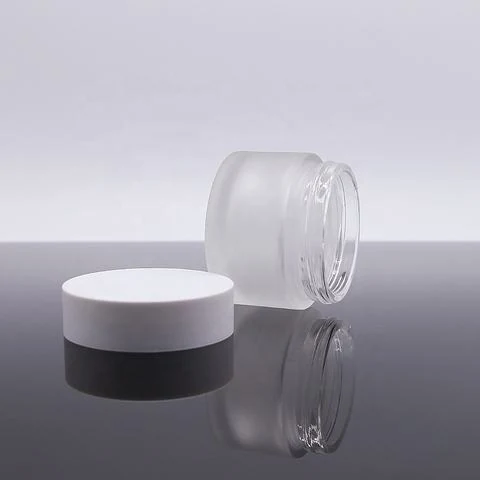
Al-Ahlia is one of the most established names in the Libyan glass industry, with roots going back several decades. Based near Tripoli, it started as a major state project to utilize the country’s natural sand resources. Over the years, it has evolved to become a cornerstone of the local supply chain for construction and packaging materials. The company focuses on large-scale production to meet the high volume demands of the local market.
They produce a wide range of glass containers, specifically focusing on bottles for the beverage industry and jars for food storage. Their products are known for being thick and durable, which is important for the local transport conditions in North Africa. They don't just make containers; they also produce flat glass for windows, making them a versatile player in the industrial sector. Most of their clients are large-scale juice and water bottling plants that need millions of units per year.
The company primarily serves the food and beverage industry, but they also have a strong presence in the construction sector. Their glass is used in many public housing projects and commercial buildings across Libya. By serving multiple industries, they stay stable even when one sector faces a slowdown. This diversity is a major part of their long-term business strategy.
Al-Ahlia has invested in furnace technology to improve the clarity of their flint glass. They are working on reducing the energy consumption of their melting process to lower their carbon footprint. While they focus on traditional designs, they are starting to explore more decorative options for premium brands. Their main technical goal is to maintain high pressure resistance in their carbonated drink bottles.
As a veteran in the industry, they hold several local industrial safety and quality certifications. They are often recognized by the Libyan Ministry of Industry for their contribution to the national economy. Their long history gives them a reputation for reliability that newer companies are still trying to build. They remain a go-to choice for state contracts and large-scale industrial buyers.
Al-Madina Glass Factory
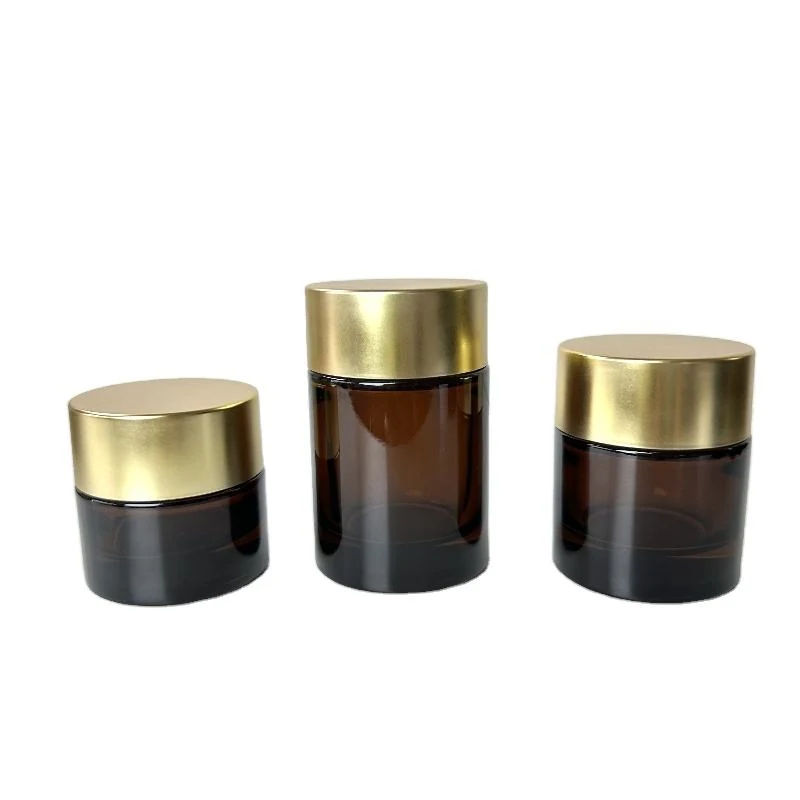
Al-Madina is a newer, more modern player that focuses on high-precision glass manufacturing. They are located in the industrial outskirts of Benghazi and were founded to bring international standards to the local market. From the start, they aimed to compete with imported glass by offering better quality and faster delivery times. Their facility uses automated systems to ensure every bottle is exactly the same shape and weight.
Their main products include high-end glass bottles for the perfume and pharmaceutical industries. They also make customized jars for honey and olive oil, which are huge export products for Libya. Instead of just making plain bottles, they offer various finishing services like frosting and silk-screen printing. This allows local brands to get a finished, labeled product from a single supplier.
Al-Madina mainly works with the cosmetic and healthcare sectors, where precision is more important than volume. They also serve the luxury food market, providing elegant packaging for high-quality oils and spices. Many small and medium enterprises (SMEs) prefer working with them because they are more open to smaller order sizes. Their focus on the "niche" market has allowed them to grow quickly.
The company uses advanced "Narrow Neck Press and Blow" technology to create lightweight but very strong bottles. This technology is quite rare in the region and gives them a significant edge. They also have a dedicated design team that uses 3D modeling to help clients visualize their custom bottles before production begins. This tech-heavy approach reduces errors and speeds up the sampling process.
They have worked hard to achieve ISO certifications to prove their quality to international buyers. They often participate in regional trade fairs to showcase their innovative designs. Their commitment to international standards makes them a favorite for companies that plan to export their products to Europe. They are quickly becoming the face of modern Libyan manufacturing.
Misrata Glass Works
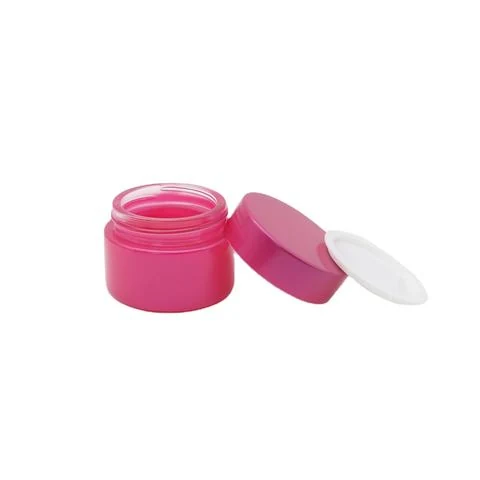
Misrata Glass Works is located in the Misrata Free Zone, which is one of the busiest trade hubs in the country. The company was founded to take advantage of the excellent logistics and port access in the area. Being in a free zone allows them to import raw materials and export finished goods with fewer tax hurdles. This makes their pricing very attractive for international B2B buyers.
They specialize in industrial-grade glass packaging, including large carboys and bulk containers for chemicals and oils. They also produce a steady stream of standard beer and soda bottles for local bottling franchises. Their production lines are designed for high-speed output, ensuring they can keep up with the peak summer demand for drinks. They are known for their consistent supply and robust logistics network.
Their primary clients are industrial chemical companies and large-scale beverage distributors. Because they are located near a major port, they also serve many clients in neighboring countries like Tunisia and Egypt. They act as a regional hub for glass packaging, moving products quickly across borders. Their ability to handle large export orders is their biggest strength.
Technically, Misrata Glass Works focuses on material strength and thermal shock resistance. Their glass can handle sudden changes in temperature, which is vital for products that are pasteurized or hot-filled. They use computer-controlled inspection systems to catch any tiny cracks or bubbles in the glass before it leaves the factory. This ensures a very low rejection rate for their customers.
The company holds several international trade and quality awards for their export performance. They are certified for food-grade safety, which is essential for their beverage and food clients. Their presence in the Free Zone gives them a level of prestige and trust that helps in securing international partnerships. They are a vital link in Libya’s trade network.
Comparative Analysis of Leading Manufacturers
Choosing the right manufacturer depends heavily on what a business needs. If a company needs millions of standard bottles at the lowest price, a large-scale veteran like Al-Ahlia is usually the best bet. However, for a high-end cosmetic brand that needs a unique, printed bottle, a smaller and more specialized factory like Al-Madina is the better choice. It is important to look at the machinery they use and their quality control processes. Most Libyan factories are now very open to factory tours and sending samples, which helps build trust with new B2B partners.
| Company | Founded | Core Products | Industries | Certifications |
|---|---|---|---|---|
| Al-Ahlia Company | 1970s | Beverage Bottles, Flat Glass | Food, Beverage, Construction | Libyan Quality Mark |
| Al-Madina Glass | 2010s | Perfume Bottles, Pharma Vials | Cosmetics, Healthcare | ISO 9001, CE |
| Misrata Glass Works | 2000s | Industrial Jars, Soda Bottles | Chemicals, Beverage | Food Safety (HACCP) |
Part 3: Trade Shows and Industry Events
The Libya Food Expo is the most important event for anyone in the glass packaging business. It takes place annually in Tripoli and brings together food producers, beverage companies, and packaging suppliers. This is where I go to see the latest trends in bottle shapes and labeling technology. It is a great place for networking, as almost every major player in the Libyan food industry attends. You can see how the glass bottles look when they are filled and labeled on the shelf.
The event usually happens in the late spring, and it draws thousands of visitors from across North Africa. It is not just about showing products; it is about making deals and finding new distributors. Many manufacturers launch their new designs at this show to get immediate feedback from the market. The energy is always high, and it is the best place to find out what competitors are doing.
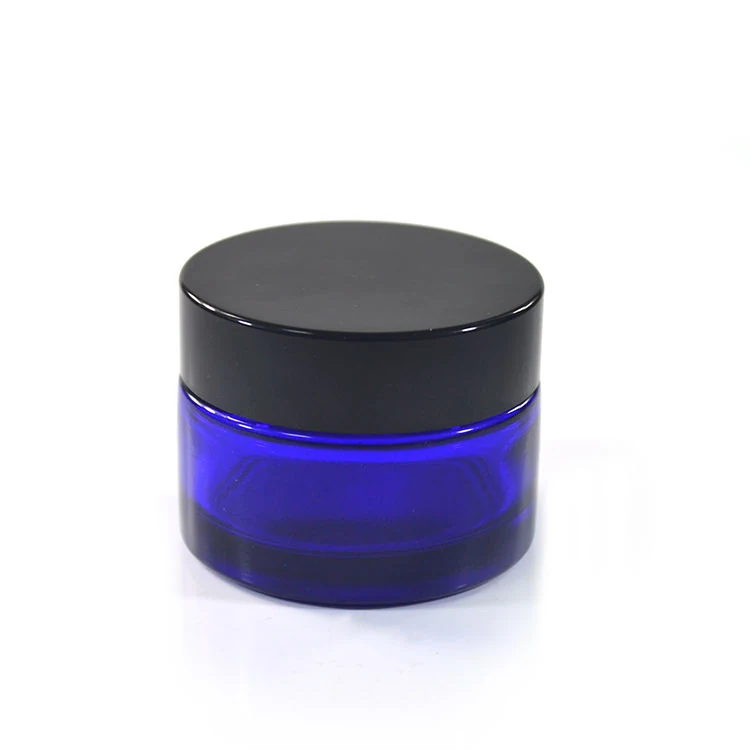
Another key event is the Libya Build Exhibition, which is the largest construction and design show in the country. While it focuses on building, it is very relevant for glass manufacturers because it includes sections for interior design and kitchenware. Glassware and decorative glass jars are often featured in the "Home and Design" pavilions. It attracts a lot of international investors and companies looking to rebuild Libya's infrastructure.
This show is typically held at the Tripoli International Fairgrounds and lasts for several days. It features huge displays of flat glass, but also specialty glass used in modern office buildings and hotels. For a glass bottle manufacturer, this is a chance to meet with hotel and restaurant procurement managers. These managers are always looking for high-quality glassware and custom-branded water bottles for their guests.
| Event | Date | Location | Highlights |
|---|---|---|---|
| Libya Food Expo | Annual (May) | Tripoli | Focus on food/beverage packaging |
| Libya Build | Annual (Oct) | Tripoli | Design, hospitality, and flat glass |
Part 4: Impact of Global Trade Policies
Global trade policies have a massive effect on how glass is produced and sold in Libya. Because Libya is working to integrate more with the global economy, trade agreements with the European Union and Arab League are very important. These agreements often reduce taxes on machinery imports, making it cheaper for local factories to upgrade. However, international sanctions in the past have taught local businesses to be very self-reliant. This has led to a strong push for "local content," where businesses try to source everything from sand to labels within the country.
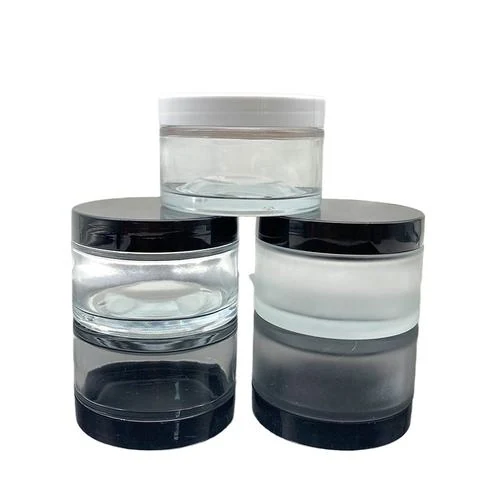
The push for local substitution is a direct response to the risk of global supply chain breaks. When global shipping prices went up recently, many Libyan companies realized they couldn't rely only on imported glass from Europe or Asia. They started investing more in their own factories to ensure they always have a steady supply. This is great for the local economy because it creates jobs and keeps money inside the country. International competition is still tough, but Libyan manufacturers are finding their edge by offering much faster local delivery and no import duties for local buyers.
Part 5: Conclusion
The future of the glass bottle industry in Libya looks very bright, especially for those who focus on quality and innovation. As the country continues to stabilize, the demand for high-quality, sustainable packaging will only go up. There is a huge opportunity for manufacturers to expand into neighboring markets in the Sahel and North Africa. The availability of cheap raw materials like silica sand gives Libya a permanent cost advantage that is hard to beat. Companies that embrace new technology and green manufacturing will likely lead the market in the coming decade.
However, there are still challenges that businesses must be careful about. The supply of steady electricity and fuel can sometimes be an issue for factories that need to keep their furnaces running 24/7. Also, the global price of soda ash, which must be imported, can fluctuate and affect production costs. Competition from plastic is still strong in the lower-end market because it is cheaper and lighter. Manufacturers need to keep educating the public on the health and environmental benefits of glass to keep their market share growing.
**Total