Skip to content
Part 1: Market Size and Growth
Liechtenstein is one of the smallest countries in Europe, yet its economy is highly industrialized and export-oriented. The country is known for precision manufacturing, financial services, and advanced engineering industries. Although large-scale glass manufacturing is limited, the demand for glass bottles exists through beverage production, specialty food exports, and cross-border trade with neighboring countries.

Many companies in Liechtenstein rely on suppliers from nearby European countries such as Switzerland, Germany, and Austria. These regions have well-established glass manufacturing industries that provide bottles and containers for food, beverage, and pharmaceutical products. Glass packaging is often preferred because it preserves product quality and supports premium branding.
Government policies that encourage innovation and high-value manufacturing also shape the packaging landscape. Liechtenstein promotes sustainable materials and efficient production processes. Glass packaging aligns well with these goals because it is recyclable, durable, and widely accepted in international markets.
Market Drivers and Industry Structure
The glass bottle market in Liechtenstein is closely connected to several industries including beverages, food products, and luxury goods packaging. These sectors require packaging that protects product integrity and supports high-end brand presentation.
Wine and specialty beverage imports represent a large portion of glass bottle consumption. Restaurants, hotels, and retailers across the country distribute bottled beverages from European producers.
Food exports also contribute to packaging demand. Specialty sauces, gourmet products, and artisanal foods often use glass containers because they protect flavor and maintain long shelf life.
Key Demand Segments
| Segment | Typical Products | Packaging Requirements |
|---|---|---|
| Beverage Distribution | Wine, spirits, specialty drinks | Premium glass bottles |
| Food Products | Sauces, gourmet foods | Glass jars and containers |
| Luxury Goods | Specialty beverages | Decorative bottles |
| Hospitality | Restaurants and hotels | Beverage bottle supply |
Because Liechtenstein is geographically small, the packaging supply chain relies heavily on regional partnerships. Companies often source bottles from nearby manufacturing centers in Central Europe.
Transportation infrastructure allows efficient cross-border trade. Suppliers in Switzerland or Austria can deliver packaging materials quickly, which helps maintain stable production schedules for local businesses.
Sustainability also plays an important role in European packaging markets. Governments and businesses increasingly prioritize recyclable materials to reduce environmental impact. Glass bottles fit well into these strategies because they can be recycled repeatedly without losing quality.
Although Liechtenstein does not host large glass bottle factories, its strong industrial base and international trade connections create steady demand for glass packaging solutions.
Part 2: Leading Companies
Liechtenstein Getr?nke AG

Liechtenstein Getr?nke AG is a beverage distribution and bottling company that supplies drinks to businesses across the country. The company plays an important role in the local beverage market by distributing bottled drinks to retailers, restaurants, and hospitality venues. Glass bottles remain a key packaging format for many of the beverages handled by the company.
The company manages a range of beverages including soft drinks, mineral water, and imported specialty drinks. Glass bottles are commonly used because they maintain product freshness and support premium presentation.
Liechtenstein Getr?nke AG serves industries such as hospitality, retail distribution, and tourism services. Hotels and restaurants depend on reliable beverage supply, which requires stable packaging logistics.
The company focuses on efficient distribution and packaging coordination. Reliable bottle supply ensures that beverages can be delivered quickly to customers throughout the country.
Getr?nke Service Liechtenstein
Getr?nke Service Liechtenstein operates as a beverage supplier and distributor serving restaurants, hotels, and event venues. The company helps ensure that local businesses have access to a wide range of bottled beverages. Glass bottles remain widely used in the hospitality industry because they enhance product presentation and customer experience.
The company distributes beverages such as mineral water, wine, and specialty drinks. Many of these products are packaged in glass bottles imported from European manufacturers.
Getr?nke Service Liechtenstein serves several industries including hospitality, food service, and retail beverage distribution. Restaurants and hotels rely on the company for consistent beverage supply.
Operational efficiency is a key focus. Reliable logistics and inventory management help maintain smooth distribution of bottled products across the country.
Alpine Packaging Solutions AG
Alpine Packaging Solutions AG operates as a supplier of packaging materials for businesses in Liechtenstein and neighboring regions. The company provides glass containers used by food producers, beverage distributors, and specialty product manufacturers. Regional packaging suppliers are essential because Liechtenstein does not have a large domestic glass manufacturing industry.
The company offers various types of glass packaging including beverage bottles, food jars, and specialty containers. These products are commonly used by gourmet food brands and beverage distributors.
Alpine Packaging Solutions serves industries such as food production, beverage distribution, and specialty goods manufacturing. Many businesses rely on the company to source high-quality packaging from European manufacturers.
Innovation within the company often focuses on supply chain efficiency and sustainable packaging solutions. By working with regional producers, the company helps ensure reliable packaging availability.
Industry Supply Chain Structure
Liechtenstein’s glass bottle market depends on a regional supply network that connects European manufacturers with local businesses. Several stages of the supply chain work together to maintain stable packaging availability.
Supply Chain Overview
| Stage | Role in the Industry |
|---|---|
| Glass Manufacturing | Large factories in Germany, Austria, Switzerland |
| Distribution | Regional packaging suppliers |
| Beverage Production | Bottling and packaging |
| Retail & Hospitality | Final consumption |
Cross-border trade plays a major role in the packaging ecosystem. Companies often purchase bottles from nearby countries where large glass factories operate.
This regional integration allows businesses in Liechtenstein to access high-quality packaging without maintaining large domestic manufacturing facilities.
Bottle design also reflects European consumer preferences. Premium beverages often use distinctive bottle shapes that communicate craftsmanship and authenticity.
| Company | Founded | Core Products | Industries | Certifications |
|---|---|---|---|---|
| Liechtenstein Getr?nke AG | 20th century | Bottled beverages | Hospitality & retail | Beverage quality standards |
| Getr?nke Service Liechtenstein | 1990s | Beverage distribution | Food service | Distribution compliance |
| Alpine Packaging Solutions AG | 2000s | Glass bottles and jars | Food & beverage packaging | Packaging quality standards |
Part 3: Trade Shows and Industry Events
Trade shows and regional exhibitions provide opportunities for packaging suppliers and beverage companies to connect across Europe. These events allow businesses to explore packaging innovations, design trends, and sustainability initiatives. Glass bottle manufacturers often showcase new bottle shapes and environmentally friendly production methods during these exhibitions.
Drinktec
Drinktec is one of the largest global trade fairs for the beverage and liquid food industry. The event attracts manufacturers, suppliers, and distributors from around the world.
The exhibition takes place in Munich, Germany, and is held every four years. Companies involved in beverage production, packaging technology, and bottling equipment attend the event.
One highlight of Drinktec is its focus on packaging innovation. Glass bottle manufacturers often introduce new lightweight designs and sustainable production methods.
FachPack
FachPack is a major European trade fair dedicated to packaging technology and materials. The event gathers companies involved in packaging design, manufacturing, and logistics.
The exhibition is typically held in Nuremberg, Germany. Participants include packaging manufacturers, equipment suppliers, and brand owners.
A key highlight of the event is its emphasis on sustainability and circular economy principles. Glass packaging is often featured because of its recyclability and long-term durability.
| Event | Date | Location | Highlights |
|---|---|---|---|
| Drinktec | Every 4 years | Munich, Germany | Beverage and packaging innovation |
| FachPack | Annual | Nuremberg, Germany | Packaging technology and sustainability |
Part 4: Impact of Global Trade Policies
Global trade policies influence Liechtenstein’s packaging market through regulations, tariffs, and environmental standards. As a member of the European Economic Area, Liechtenstein participates in European trade systems that affect packaging materials and manufacturing practices. These regulations often encourage the use of recyclable materials and environmentally responsible production methods.
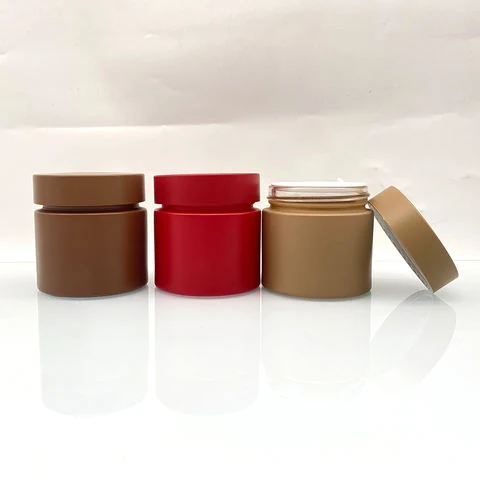
European sustainability initiatives strongly influence packaging decisions. Many businesses are transitioning toward recyclable materials to reduce environmental impact. Glass bottles benefit from this trend because they can be reused and recycled multiple times.
Cross-border logistics also shape packaging supply chains. Companies in Liechtenstein frequently source bottles from neighboring countries, which requires efficient transportation and regulatory compliance.
Energy prices represent another important factor in the glass industry. Glass manufacturing requires high temperatures, so energy costs can affect production expenses and bottle prices.
Despite these challenges, European trade integration creates opportunities for packaging suppliers. Businesses can access large regional markets while maintaining efficient supply chains.
Part 5: Conclusion
Liechtenstein’s glass bottle market reflects the country’s highly interconnected European economy. Beverage distributors, gourmet food producers, and hospitality businesses all rely on glass packaging to maintain product quality and premium presentation. Although the country does not host large glass manufacturing facilities, regional suppliers provide reliable packaging solutions.
The industry faces challenges related to energy costs, environmental regulations, and supply chain coordination. Companies that focus on sustainable packaging and efficient logistics will remain competitive. As European markets continue to prioritize recyclable materials and premium product presentation, glass bottles will remain an important packaging solution for businesses in Liechtenstein.