Skip to content
Part 1: Market Size and Growth
Luxembourg is a small European country, yet it plays a unique role in the regional packaging and logistics network. The country has a strong economy, advanced infrastructure, and close trade connections with France, Germany, and Belgium. Although Luxembourg does not host a large number of glass bottle factories, it remains closely linked to the European glass packaging industry through distribution, logistics, and beverage production.
The demand for glass bottles in Luxembourg mainly comes from beverage, wine, craft spirits, and food sectors. Premium packaging is important in these industries because European consumers often associate glass containers with quality and sustainability.

Market Demand Across Key Industries
Luxembourg’s beverage industry forms the largest source of demand for glass bottles. Wine producers in the Moselle region rely on glass containers for white wines and sparkling wines. These bottles must meet strict European packaging and quality standards.
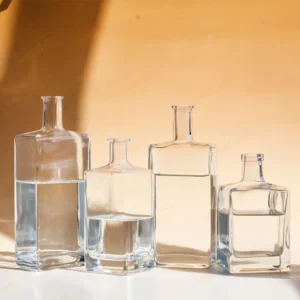
Craft beverage brands have also grown in recent years. Local breweries and small distilleries often use customized glass bottles to highlight their identity. Decorative bottle shapes, embossing, and high-clarity glass are common features in premium beverage packaging.
Food processing companies represent another segment of the market. Products such as sauces, gourmet foods, and specialty oils often use glass jars. These containers help maintain flavor stability and offer a refined appearance suitable for European retail markets.
| Application Sector | Typical Products | Packaging Needs |
|---|---|---|
| Wine Industry | White wine, sparkling wine | Elegant bottle design |
| Craft Beverages | Beer, gin, liqueurs | Customized glass bottles |
| Food Processing | Sauces, oils, condiments | Airtight glass jars |
| Premium Retail | Gourmet products | High-clarity packaging |
Regional Supply Chain and Industrial Integration
Luxembourg benefits from its location in the center of Western Europe. The country sits between several major glass manufacturing nations, including Germany, France, and Belgium. Because of this geographic position, Luxembourg often acts as a distribution hub rather than a major manufacturing center.
Many beverage and food companies in Luxembourg source glass bottles from nearby European factories. Short transportation distances help maintain stable supply chains and reduce logistics costs.
The country also offers strong logistics infrastructure, including modern highways, rail networks, and access to European ports. These systems allow companies to import glass containers and distribute packaged products across the European Union efficiently.
Sustainability and European Packaging Policies
European environmental policies strongly influence the glass packaging market in Luxembourg. The European Union promotes recycling systems and circular packaging models. Glass containers are widely accepted within these systems because they can be recycled repeatedly without losing quality.
Deposit-return systems are common in several European countries. Beverage bottles can be returned, collected, and recycled through organized recycling networks. This system improves resource efficiency and reduces waste.
Luxembourg also supports environmental initiatives that encourage sustainable packaging materials. Many beverage and food brands choose glass containers because they align with these environmental goals while maintaining premium product presentation.
Part 2: Leading Companies
Luxlait Association Agricole
Luxlait Association Agricole is a major dairy producer in Luxembourg and an important user of glass packaging. The company produces milk, dairy beverages, and specialty products distributed throughout the country and neighboring markets.
Glass bottles are often used for premium dairy products because they protect flavor and improve product presentation. The company works with regional glass suppliers to obtain high-quality bottles suitable for food packaging.
Its products are distributed through supermarkets, restaurants, and regional export markets. This distribution network requires reliable packaging supply and consistent container quality.
The company emphasizes strict quality control standards in its packaging operations. Bottling systems inspect containers before filling to ensure food safety compliance and product durability.
Brasserie Nationale
Brasserie Nationale is one of Luxembourg’s most well-known breweries. The company produces several popular beer brands distributed domestically and across neighboring European countries.
Glass bottles are an essential part of the brewery’s packaging strategy. Many beer products are packaged in reusable glass containers that circulate through return systems. These bottles are collected, cleaned, and reused multiple times.
The brewery supplies products to restaurants, supermarkets, and export distributors. Glass packaging supports both product quality and brand identity.
Technological improvements in bottling lines have helped increase efficiency and reduce breakage rates. Automated inspection equipment ensures that bottles meet strict packaging standards.
Vetropack Group Regional Supply
Vetropack Group operates as a major European glass container manufacturer. Although its main production plants are located in other European countries, the company supplies glass bottles to beverage and food producers across the region, including Luxembourg.
The company produces a wide range of glass containers such as wine bottles, beer bottles, and food jars. Many European beverage brands rely on its bottles for large-scale production.
Its customers include wineries, breweries, food producers, and beverage manufacturers. These industries require reliable packaging supply and consistent container quality.
| Vetropack invests heavily in sustainable glass manufacturing technologies. Lightweight bottle designs, energy-efficient furnaces, and recycling systems help reduce environmental impact while maintaining durability. | Company | Founded | Core Products | Industries | Certifications |
|---|---|---|---|---|---|
| Luxlait Association Agricole | 1894 | Dairy bottles and beverage containers | Dairy, food | EU food safety standards | |
| Brasserie Nationale | 1975 | Beer bottles | Beverage industry | Quality management certifications | |
| Vetropack Group | 1911 | Wine bottles, beverage bottles, jars | Beverage, food | ISO and environmental certifications |
Part 3: Trade Shows and Industry Events
Packaging Innovations Europe
Packaging Innovations Europe is one of the key events for packaging design and materials in the European market. The exhibition gathers packaging manufacturers, brand owners, and suppliers.
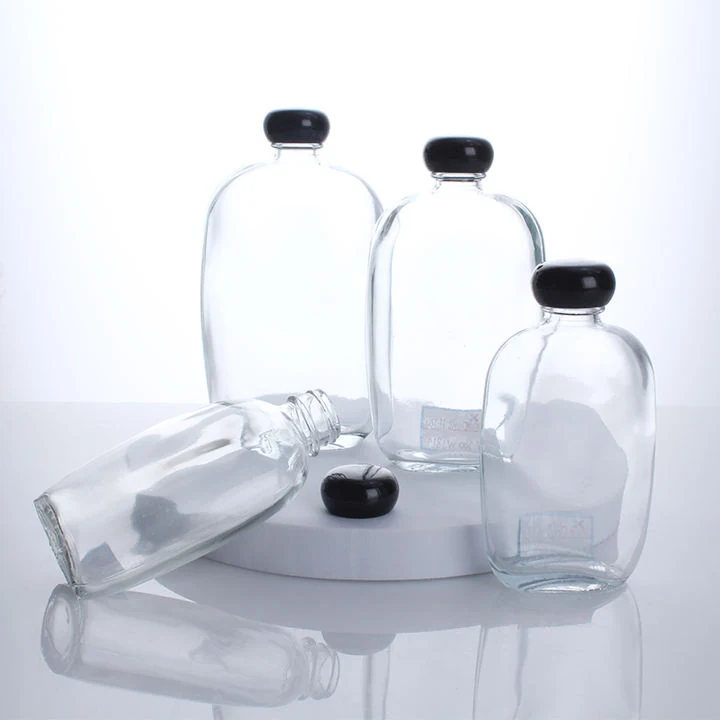
The event is usually hosted in major European cities and attracts participants from across the continent. Companies present innovations in packaging materials, sustainability solutions, and container design.
Glass bottle manufacturers often display lightweight bottles, decorative finishes, and recycling technologies. These innovations help brands improve packaging performance and environmental sustainability.
Anuga Food & Beverage Exhibition
Anuga is one of the largest food and beverage trade shows in the world. The event connects producers, distributors, and packaging suppliers from many countries.
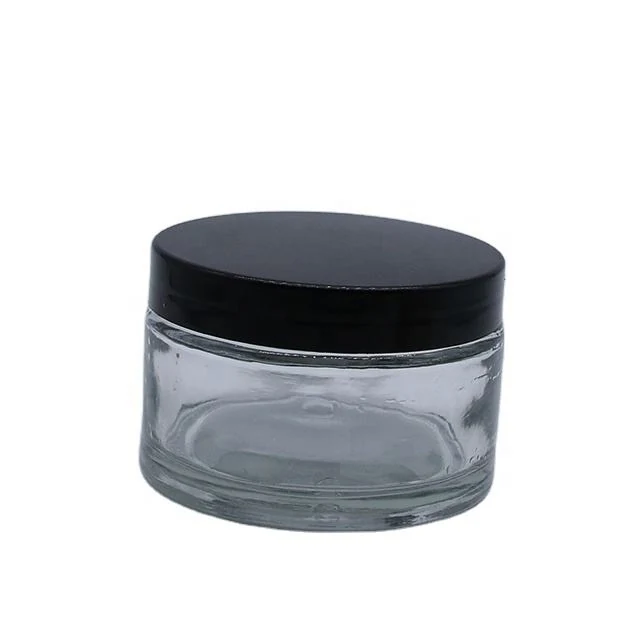
Held in Cologne, Germany, the exhibition attracts thousands of international participants. Food producers and beverage companies showcase products destined for global markets.
| Glass bottle suppliers often participate to demonstrate packaging solutions for wine, beer, and specialty food products. The event helps connect packaging manufacturers with European brands seeking reliable container suppliers. | Event | Date | Location | Highlights |
|---|---|---|---|---|
| Packaging Innovations Europe | Annual | Various European cities | Packaging design and sustainability | |
| Anuga Food & Beverage Exhibition | Biennial | Cologne, Germany | Global food and beverage trade |
Part 4: Impact of Global Trade Policies
Luxembourg’s glass bottle market is closely connected to European Union trade policies. As a member of the EU, the country benefits from free movement of goods across the single market. This system allows beverage and food producers to source glass containers from nearby manufacturing countries without tariffs.
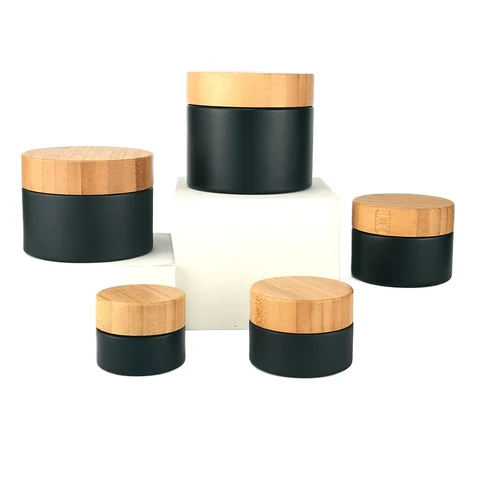
European environmental regulations also influence glass manufacturing and packaging design. Policies encourage recyclable materials, reduced packaging waste, and improved energy efficiency in industrial production.
Energy prices represent another important factor for the glass industry. Glass manufacturing requires high-temperature furnaces that consume large amounts of energy. Changes in electricity or natural gas prices can affect production costs across European glass factories.
Global competition also plays a role in the market. Glass containers are produced worldwide, and international manufacturers compete to supply European beverage brands. Companies that invest in technology, sustainability, and design innovation often maintain stronger positions in the market.
Part 5: Conclusion
Luxembourg may not host a large number of glass bottle manufacturing plants, but it remains closely connected to the European glass packaging industry. Beverage producers, wineries, breweries, and food companies continue to rely on glass containers for product quality and brand presentation. The country’s strong logistics network and central location allow it to access glass packaging from leading European manufacturers.
Future opportunities will likely come from sustainable packaging innovation and growing demand for premium beverages and gourmet foods. However, companies must also manage challenges related to energy costs, environmental regulations, and international competition in the glass packaging sector.