Skip to content

Part 1: Market Size and Growth
Madagascar has a growing demand for glass bottles due to changes in food, beverage, and packaging industries. Local breweries, rum distilleries, and food processors need reliable packaging that protects quality and supports branding. Glass bottles remain a trusted material because they are recyclable, safe for food contact, and resistant to chemical reactions.

The market is still developing, yet it shows strong potential. Madagascar imports many packaging materials, and this creates space for local manufacturing. Glass bottles are widely used in beer, rum, mineral water, sauces, and pharmaceutical products. As local brands grow and tourism increases, the demand for premium packaging continues to rise.

Government policies that support industrialization also shape the sector. Investment in packaging production reduces reliance on imports and strengthens supply chains. Industrial zones around Antananarivo and coastal ports attract investors who want easier logistics and export access.
Industry Demand Drivers
Several industries in Madagascar drive the demand for glass bottles. Beverage companies represent the largest share because rum, beer, and soft drinks require durable and safe packaging.
| Sector | Typical Bottle Use | Market Role |
|---|---|---|
| Alcohol & Spirits | Rum, craft spirits | Premium branding |
| Beer & Soft Drinks | Carbonated beverages | High volume demand |
| Food Processing | Sauces, oils | Shelf stability |
| Pharmaceuticals | Syrups, medicines | Safety and hygiene |
Tourism also has an indirect effect. Resorts, restaurants, and local craft producers want packaging that reflects quality and local identity. Glass bottles support this image because they look premium and sustainable.
Regional Supply Challenges
The glass packaging industry in Madagascar faces several structural limits. Raw material supply, energy costs, and transport infrastructure can affect production capacity. Many factories rely on imported machinery and specialized materials.
Still, this situation also creates opportunity. Companies that invest in modern furnaces and efficient production lines gain strong advantages. Local production shortens delivery times and reduces shipping costs for beverage brands.
Another factor is recycling. Glass is highly recyclable, yet collection systems are still improving. Expanding recycling programs can reduce production costs and improve environmental impact. This also helps manufacturers build a circular packaging ecosystem.
Part 2: Leading Companies
Socolait
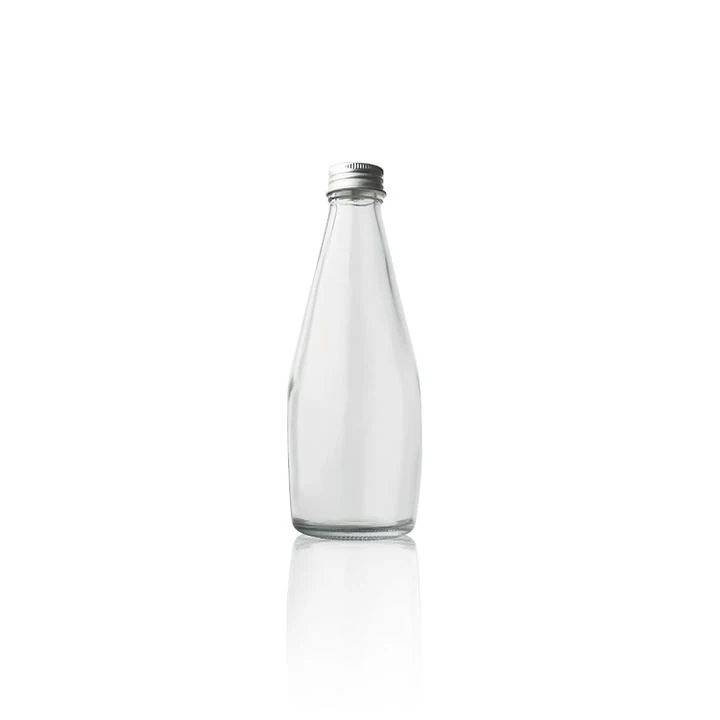
Socolait is one of Madagascar’s best known industrial companies. The company was founded in Antsirabe and started with dairy and food processing. Over time it expanded into packaging and bottle production to support its internal supply chain and regional partners.
The company produces a range of glass bottles used for beverages and food products. These bottles support dairy drinks, juices, sauces, and flavored beverages. Socolait also works with local beverage producers who need reliable packaging supply.
Many local industries rely on Socolait because it combines food production and packaging expertise. The company invests in production stability and quality control to meet food safety standards. This approach helps local brands maintain consistent packaging across product lines.
Star Madagascar (THB Brewery)

Star Madagascar, known for producing the famous THB beer, plays a key role in the glass bottle ecosystem. The company was founded in Antananarivo and has become one of the country’s largest beverage producers. Its large-scale beer production requires a stable supply of glass bottles.
The company works with bottle manufacturers and packaging partners to maintain consistent production. Beer bottles must meet strict durability standards because they handle pressure and carbonation. Star Madagascar uses standardized bottle designs that support recycling and reuse systems.
The brewery’s scale influences the entire packaging market. Many suppliers align their production capacity with beverage industry demand. This creates a stable base market for glass bottle manufacturing in Madagascar.
Vidrala Group (Regional Supplier)

Vidrala Group is a European glass packaging company that supplies bottles to global beverage markets. While its main factories are located in Europe, the company participates in African packaging supply through export and partnerships.
The company produces bottles for wine, spirits, beer, and food products. Many African beverage brands import bottles from international manufacturers when local supply is limited. Vidrala’s experience in high-quality glass manufacturing helps meet premium packaging standards.
Technology is one of the company’s key strengths. Vidrala invests in energy efficient furnaces and lightweight bottle designs that reduce material use. These innovations help beverage brands lower shipping costs and improve sustainability.
The company also focuses on recycling and circular packaging systems. Many of its factories operate with high recycled glass content. This model provides an example for emerging markets that want to develop sustainable packaging industries.
| Company | Founded | Core Products | Industries | Certifications |
|---|---|---|---|---|
| Socolait | 1970s | Beverage and food bottles | Dairy, beverages | Food safety standards |
| Star Madagascar | 1950s | Beer bottles | Brewing industry | Beverage quality standards |
| Vidrala Group | 1965 | Glass bottles for wine, spirits, food | Global beverage industry | ISO and sustainability certifications |
Industry Structure and Supplier Networks
Madagascar’s bottle manufacturing sector works through a mix of local production and international supply. Local factories mainly support beverage brands and food companies. Imported bottles fill gaps when domestic capacity cannot meet demand.
Many beverage brands prefer stable long-term suppliers. Glass bottles require strict consistency because filling machines depend on precise dimensions. A small variation in bottle height or neck design can disrupt an entire production line.
Manufacturers therefore focus on standard molds and high quality control. Some factories also offer customized bottle designs for premium spirits or craft beverages. These custom bottles help brands stand out on store shelves.
Energy use is another important factor in glass production. Furnaces operate at very high temperatures and require stable fuel supply. Efficient production systems reduce energy costs and make local manufacturing more competitive.
The future growth of the sector depends on investment in technology and recycling systems. As Madagascar’s beverage market expands, packaging demand will likely follow the same path.
Part 3: Trade Shows and Industry Events
Foire Internationale de Madagascar (FIM)
The Foire Internationale de Madagascar is one of the country’s largest business exhibitions. The event brings together manufacturers, distributors, and international investors who want to explore opportunities in the Malagasy market.
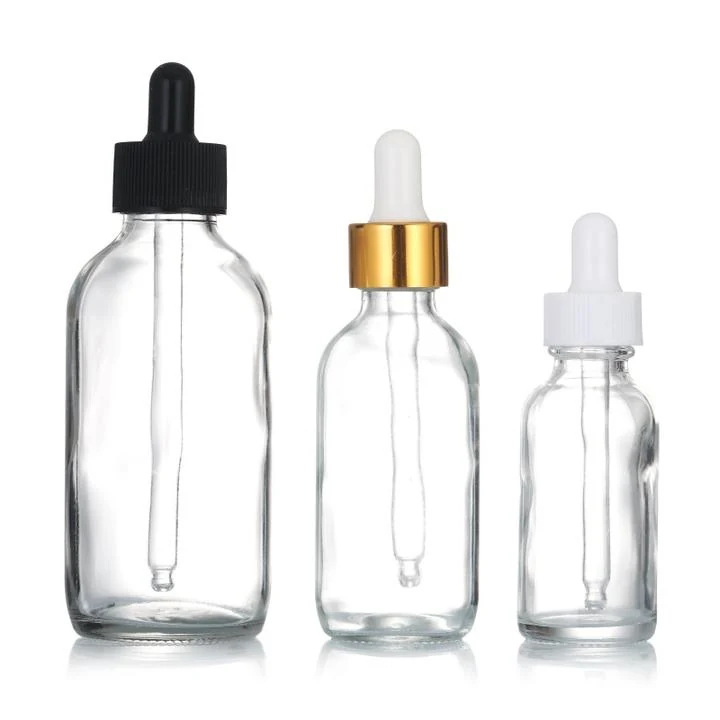
The exhibition usually takes place in Antananarivo and attracts companies from many industries including food processing, packaging, construction, and consumer goods. Glass packaging suppliers often attend to connect with beverage producers and retailers.
The event highlights local manufacturing capabilities and international trade partnerships. Packaging companies use the exhibition to showcase bottle designs, labeling solutions, and sustainable materials. For glass manufacturers, the show provides direct access to beverage brands that need reliable packaging.
Africa Food Manufacturing Expo
The Africa Food Manufacturing Expo is a regional industry event that focuses on food production, packaging technology, and supply chain solutions. Companies from across Africa attend to explore equipment, materials, and packaging innovations.

Glass bottle producers participate because food and beverage packaging remains a major focus. Manufacturers present new bottle shapes, lightweight designs, and improved production processes.
The expo also provides educational sessions about food safety and sustainable packaging. Industry experts discuss recycling systems, energy efficiency, and new materials. These discussions help emerging markets build stronger packaging industries.
| Event | Date | Location | Highlights |
|---|---|---|---|
| Foire Internationale de Madagascar | Annual | Antananarivo | Local manufacturing and trade partnerships |
| Africa Food Manufacturing Expo | Annual | Various African cities | Packaging technology and food industry networking |
Role of Trade Shows in Industry Development
Trade shows play a key role in the growth of packaging industries. They create a meeting point for manufacturers, buyers, and technology providers. Companies can see new equipment, compare suppliers, and discuss future partnerships.
In emerging markets like Madagascar, these events also help local producers learn global standards. Many glass manufacturers discover new furnace technologies, bottle molds, and recycling methods during such exhibitions.
Another benefit is relationship building. Packaging supply chains depend heavily on trust and long-term cooperation. Face-to-face meetings often lead to new supply agreements and joint investments.
Trade exhibitions also help international companies understand regional demand. Beverage brands in Africa often require different bottle sizes or designs compared with European markets. These insights help manufacturers adapt their products to local preferences.
Part 4: Impact of Global Trade Policies
Global trade policies strongly affect the glass bottle industry. Import tariffs, shipping costs, and regional trade agreements all influence how bottles move between countries.

Madagascar participates in several trade frameworks that encourage exports and industrial development. Agreements with African and international markets allow companies to access broader supply networks. These policies can reduce costs for imported machinery and production materials.
Supply Chain Risks
Glass manufacturing depends on stable raw materials and energy supply. Sand, soda ash, and limestone are key ingredients. If these materials must be imported, global price changes can affect production costs.
Shipping disruptions also create risk. Many African manufacturers rely on maritime transport for both raw materials and finished bottles. Delays at ports or rising freight prices may increase costs for beverage producers.
Local production helps reduce some of these risks. When bottles are produced within the country, transportation distances become shorter and delivery times improve.
Local Substitution Opportunities
Many governments encourage domestic manufacturing to reduce dependence on imports. Madagascar’s packaging industry can benefit from this policy direction. Building local bottle factories helps create jobs and strengthens supply chains.
Investors who build modern glass plants can support both domestic demand and regional exports. Nearby island markets and East African countries may require similar packaging products.
Another advantage is customization. Local manufacturers understand regional beverage styles and packaging preferences. They can produce bottle designs that match local brands and cultural identity.
Global Competition and Collaboration
The glass packaging industry operates on a global scale. Large multinational manufacturers supply bottles to many regions. Their advanced technology and production scale allow high efficiency.
However, smaller regional factories also play an important role. They provide flexibility, shorter delivery times, and local market knowledge. Collaboration between global technology providers and local producers often creates the best results.
Madagascar’s market may continue to grow as beverage production increases. Local manufacturers, international suppliers, and recycling systems will shape the future of this industry.
Part 5: Conclusion
The glass bottle manufacturing sector in Madagascar is still developing, yet it holds clear potential. Beverage companies, food processors, and tourism businesses all rely on reliable packaging. As local industries expand, the demand for quality glass bottles will likely increase.
Challenges remain in energy supply, recycling systems, and production capacity. Yet investment in technology, trade partnerships, and local manufacturing can reduce these limits. With steady development, Madagascar could strengthen its position in regional packaging supply chains.