Skip to content
Part 1: Market Size and Growth
Mauritania is not widely known as a large industrial manufacturing country, yet its packaging demand has grown steadily in recent years. The country’s beverage sector, food processing industry, and expanding retail market have all increased the need for reliable packaging solutions. Glass bottles remain an important packaging option because they protect product quality and provide a premium appearance for beverages and specialty food products.
In Mauritania, glass bottles are commonly used for soft drinks, bottled water, edible oils, sauces, and pharmaceutical liquids. Many companies rely on imported bottles because the country does not yet have a large domestic glass manufacturing base. However, demand continues to rise as local brands develop stronger identities and require packaging that meets international standards.
Economic growth and urbanization have also played a role in the development of packaging markets. Cities such as Nouakchott and Nouadhibou have experienced rising demand for packaged consumer goods. Government policies aimed at improving industrial capacity and encouraging investment may gradually support the development of local glass production in the future. For now, Mauritania’s glass bottle market is driven by imports, distributors, and beverage bottling operations.
Industry Structure
The glass bottle supply chain in Mauritania is relatively simple compared with larger manufacturing economies. Local beverage companies, importers, and packaging distributors work together to ensure a steady supply of containers.
| Segment | Main Focus | Typical Customers | Growth Driver |
|---|---|---|---|
| Beverage Bottlers | Filling and packaging | Soft drink and water brands | Consumer demand |
| Packaging Importers | Bottle supply and logistics | Food and beverage companies | Trade links |
| Distributors | Packaging distribution | Retail and small producers | Urban growth |
Key Growth Drivers
Several trends support the development of the glass bottle market in Mauritania.
Urban Consumer Demand
As more consumers in urban areas purchase packaged food and beverages, demand for safe and durable packaging increases.
Expansion of Beverage Brands
Local beverage companies continue to expand their product ranges, including soft drinks, bottled water, and flavored beverages.
Regional Trade
Mauritania’s trade connections with neighboring countries in West Africa help supply packaging materials and industrial goods.
Logistics and Supply Chain
Because Mauritania imports a large share of its packaging materials, efficient logistics are essential. Ports such as Nouakchott serve as entry points for glass containers and other industrial products.
Transportation networks then distribute these bottles to beverage factories and food producers across the country. While this system adds logistical complexity, it also allows Mauritanian businesses to access a wide variety of bottle designs and packaging solutions from international suppliers.
Part 2: Leading Companies
Mauritania Bottling Company
Mauritania Bottling Company is one of the key beverage production companies operating in the country. The company produces bottled beverages that serve both local markets and regional distribution channels.
The company’s operations require a steady supply of glass bottles for beverages such as soft drinks and flavored drinks. Glass packaging helps maintain beverage freshness while also offering a familiar format for consumers.
Mauritania Bottling Company supplies products to supermarkets, small retailers, restaurants, and hospitality businesses. Its distribution network extends across several cities and urban markets.
Innovation within the company focuses on improving bottling efficiency, packaging consistency, and supply chain management. Maintaining reliable packaging quality is essential because beverage production relies heavily on standardized bottle designs.
Brakna Beverage Industries
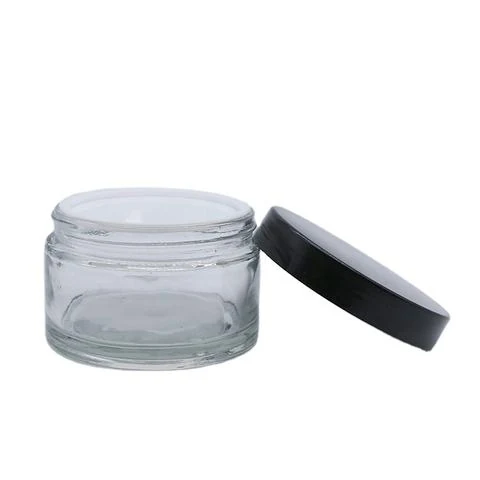
Brakna Beverage Industries is another company involved in beverage production and packaging operations within Mauritania. The company focuses on providing bottled drinks and consumer beverage products to local markets.
Glass bottles are commonly used for certain beverage lines because they provide durability and preserve flavor. In addition, glass containers can enhance product presentation, which helps brands attract consumers in retail stores.
The company serves supermarkets, restaurants, and food service businesses across the country. As Mauritania’s beverage market grows, companies like Brakna Beverage Industries continue to expand their production capabilities.
Technological improvements often focus on bottling line efficiency, product safety, and quality control processes. Reliable packaging ensures that beverages remain protected during transportation and storage.
Nouakchott Food and Beverage Packaging
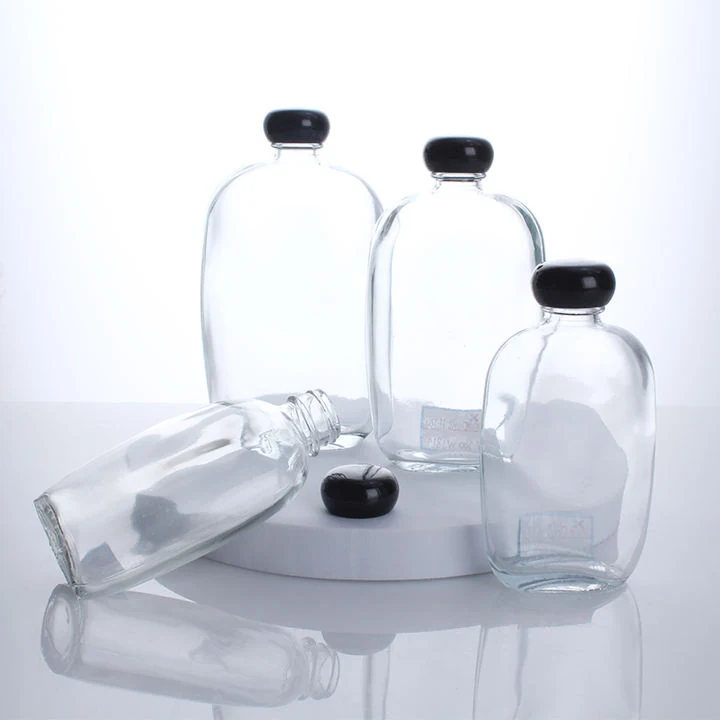
Nouakchott Food and Beverage Packaging represents a group of packaging suppliers and distributors operating in the capital city. These companies provide packaging materials including glass bottles, plastic containers, and closures.
Packaging distributors play an important role in Mauritania’s supply chain because many glass bottles are imported. They coordinate shipments from international manufacturers and distribute containers to beverage producers and food processing companies.
The industries served include bottled water producers, soft drink companies, food processors, and pharmaceutical manufacturers. By offering different bottle sizes and shapes, distributors help businesses choose packaging that suits their product lines.
Innovation in this sector focuses on improving logistics, reducing shipping damage, and offering more diverse packaging options. Distributors often act as intermediaries between global glass manufacturers and local companies.
Company Comparison
| Company | Founded | Core Products | Industries | Certifications |
|---|---|---|---|---|
| Mauritania Bottling Company | 20th century | Soft drinks, bottled beverages | Beverage, retail | Food safety standards |
| Brakna Beverage Industries | 2000s | Packaged beverages | Beverage, hospitality | Quality control certifications |
| Nouakchott Food and Beverage Packaging | 2000s | Glass bottles, packaging supply | Food, beverage | Packaging compliance standards |
Part 3: Trade Shows and Industry Events
Mauritania International Trade Fair
The Mauritania International Trade Fair is one of the main business events held in the country. The exhibition showcases products and services from various industries including manufacturing, food processing, and consumer goods.
The event typically takes place in Nouakchott and attracts companies from across West Africa and international markets. Businesses use the exhibition to promote products and explore potential partnerships.
For packaging suppliers, the trade fair provides an opportunity to connect with beverage producers, distributors, and retailers who require packaging materials such as glass bottles.
West Africa Packaging and Food Expo
Although Mauritania does not host many specialized packaging exhibitions, companies often participate in regional events such as the West Africa Packaging and Food Expo. These exhibitions bring together manufacturers, packaging suppliers, and food producers.
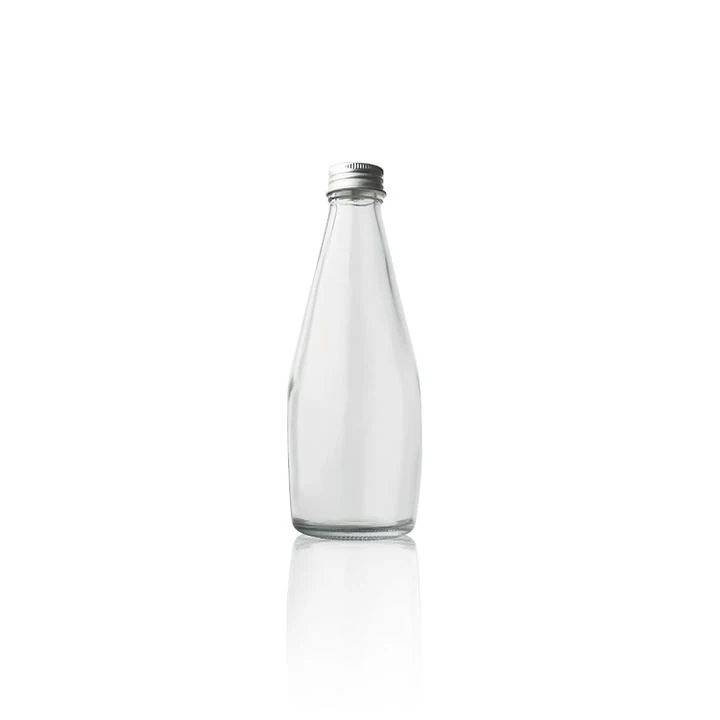
The event usually takes place in larger West African markets and attracts international exhibitors. Companies from Mauritania attend to discover new packaging technologies and supplier partnerships.
Glass bottle manufacturers and distributors often showcase new container designs, labeling technologies, and sustainable packaging solutions.
Event Summary
| Event | Date | Location | Highlights |
|---|---|---|---|
| Mauritania International Trade Fair | Annual | Nouakchott | Business networking and industrial showcase |
| West Africa Packaging and Food Expo | Annual | West Africa region | Packaging and food industry innovations |
Part 4: Impact of Global Trade Policies
Global trade policies play a major role in Mauritania’s glass bottle supply chain. Since the country imports many packaging materials, changes in international trade conditions can affect availability and pricing. Shipping costs, tariffs, and global supply disruptions all influence the cost of glass bottles used by local beverage companies.

Import Dependence
Mauritania relies heavily on imported glass containers from larger manufacturing countries. Suppliers in Europe, Asia, and neighboring African countries often provide bottles for beverage and food companies.
This dependence means that local businesses must carefully manage logistics and shipping schedules. Delays in supply chains can affect production timelines.
Opportunities for Regional Partnerships
Regional cooperation within West Africa provides opportunities for Mauritanian businesses to source packaging from nearby markets. Partnerships with manufacturers in countries such as Morocco or Senegal can reduce transportation distances.
Shorter supply chains help companies control costs and ensure consistent packaging supply.
Sustainability and Recycling
Environmental policies and waste management initiatives are gradually gaining attention in Mauritania. Recycling programs and sustainable packaging strategies may influence the future of the glass bottle industry.
Glass is highly recyclable, which makes it attractive for companies that want to reduce environmental impact. As sustainability awareness grows, demand for glass packaging may continue to increase.
Part 5: Conclusion
Mauritania’s glass bottle market is still developing, but it plays an important role in supporting the country’s beverage and food industries. Local companies depend heavily on imported packaging materials while focusing their efforts on bottling, distribution, and brand development. Glass bottles remain valuable because they provide durability, product protection, and a premium appearance.
Looking ahead, the industry may evolve as economic growth and industrial investment expand. Improved logistics infrastructure and regional trade partnerships could support more efficient packaging supply chains. If local manufacturing capacity increases in the future, Mauritania could gradually strengthen its position within the West African packaging market.