Skip to content

Part 1: Market Size and Growth
The glass bottle market in Micronesia is small but important for several industries. The region consists of island nations where manufacturing is limited, so most packaging materials come from imports. Even with this structure, glass bottles remain essential for beverages, food products, and tourism-related businesses.
The beverage sector creates the largest demand for glass bottles across Micronesia. Beer, soft drinks, bottled water, and imported spirits are commonly packaged in glass containers. Glass bottles are preferred because they protect flavor, maintain carbonation, and create a premium appearance for products sold in hotels and resorts.

Tourism development also affects the packaging market. Many islands depend on visitors, and hotels, restaurants, and bars consume large quantities of bottled beverages. This demand encourages distributors to maintain steady supplies of glass bottles imported from regional manufacturing hubs such as the Philippines, China, and Australia.
Key Demand Drivers Across the Islands
The beverage industry remains the strongest force behind glass bottle demand in Micronesia. Imported beer brands, local craft beverages, and bottled drinks are commonly packaged in glass containers. Restaurants and hotels prefer glass bottles because they maintain quality and provide a refined presentation.
Food processing is another contributor to the market. Small producers package products such as coconut oil, sauces, pickled vegetables, and honey in glass jars. These products are often sold in local markets or offered as souvenirs to tourists.
Cosmetic and wellness products also use glass containers. Natural oils, fragrances, and spa products produced on the islands frequently rely on small glass bottles to enhance product appeal.
The table below summarizes the industries that create demand for glass bottles in Micronesia.
| Industry | Bottle Types | Main Applications |
|---|---|---|
| Beverage | Beer bottles, soda bottles | Restaurants and retail |
| Food Processing | Jars and containers | Coconut oil, sauces, honey |
| Hospitality | Beverage bottles | Hotels and resorts |
| Cosmetics | Small glass bottles | Oils and fragrances |
Import-Based Supply System
Micronesia relies heavily on imported glass bottles because large-scale manufacturing is not feasible on most islands. Glass production requires continuous furnace operation, stable energy supply, and significant industrial infrastructure. These conditions are difficult to maintain in small island economies.
Most glass containers arrive through regional trade networks. Suppliers from China, the Philippines, and Southeast Asia provide bottles to distributors who operate in Pacific island markets. These distributors maintain inventories of common bottle types for beverage companies and food producers.
Shipping logistics play a major role in supply chains. Because the islands are spread across a large ocean area, glass bottles must be transported carefully to avoid damage. Specialized packaging and container shipping systems are used to protect fragile goods during long-distance transportation.
Future Market Potential
The future growth of the glass bottle market in Micronesia depends largely on tourism and local entrepreneurship. As tourism expands, demand for bottled beverages and packaged food products will increase. Hotels and resorts will continue to prefer glass containers for their premium appearance.
Local food producers may also create new opportunities. Small businesses that produce coconut oil, sauces, and specialty foods often choose glass packaging because it looks natural and high quality. These products are attractive to tourists and export markets.
Environmental awareness could also influence packaging choices. Glass is recyclable and reusable, which makes it appealing in regions that prioritize environmental protection. Recycling initiatives in island communities may support the continued use of glass containers.
Part 2: Leading Companies
Coca-Cola Bottling Company Micronesia
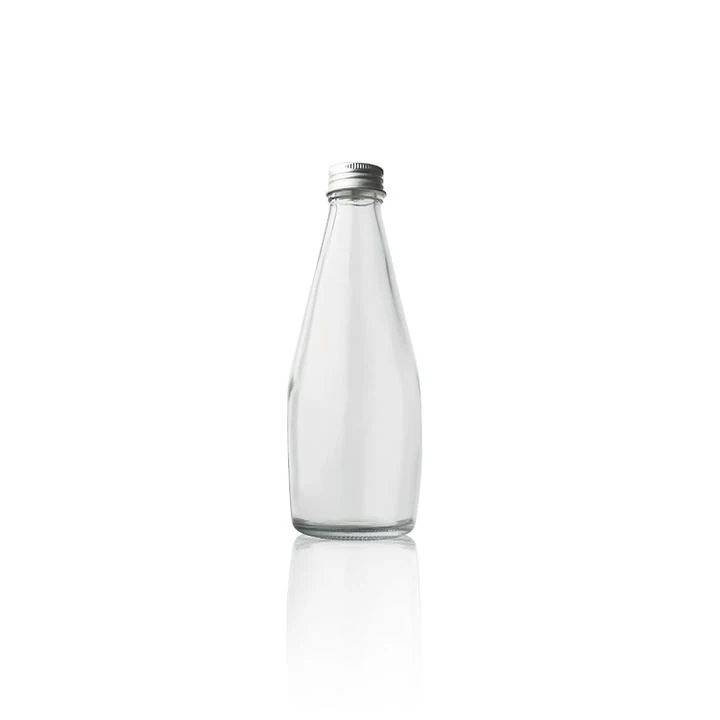
Coca-Cola Bottling Company Micronesia is one of the most prominent beverage bottlers operating in the region. The company distributes soft drinks and bottled beverages across several Pacific islands.
The company uses both glass and other packaging materials for beverage distribution. Glass bottles are commonly used for certain products because they maintain carbonation and deliver a classic presentation.
Its distribution network covers supermarkets, hotels, and restaurants across Micronesia. Reliable packaging supply is essential for maintaining consistent beverage availability.
The company operates under international beverage production standards and emphasizes quality control throughout the bottling process.
Pacific Island Food Producers

Many small food producers operate across Micronesia’s islands. These businesses produce coconut oil, sauces, honey, and preserved foods that are packaged in glass jars or bottles.
Glass packaging is often selected because it protects product freshness and enhances visual appeal. Tourists purchasing local specialty foods often prefer products packaged in clear glass containers.
These producers usually source bottles from regional packaging distributors. This supply structure allows them to purchase packaging in smaller quantities.
Innovation in product design and labeling is becoming more common as small businesses attempt to compete in international markets.
Pacific Packaging Importers

Packaging importers play a critical role in supplying glass bottles to businesses across Micronesia. These companies import containers from large manufacturing countries and distribute them to local producers.
Importers often maintain warehouses where common bottle types are stored. Beverage companies, food processors, and cosmetic producers purchase bottles through these distributors.
The logistics expertise of these importers is essential. They coordinate shipping schedules and protect fragile goods during long-distance transport.
Some distributors have also begun offering customized bottle designs and labeling services to help local brands create stronger identities.
| Company | Founded | Core Products | Industries | Certifications |
|---|---|---|---|---|
| Coca-Cola Bottling Company Micronesia | 1980s | Soft drink bottling | Beverage industry | International beverage standards |
| Pacific Island Food Producers | Various | Bottled food products | Food processing | Local food safety compliance |
| Pacific Packaging Importers | Various | Imported glass bottles | Packaging distribution | Import and logistics licensing |
Part 3: Trade Shows and Industry Events
Pacific Islands Trade Expo
The Pacific Islands Trade Expo is a regional event that promotes commerce among island nations. Businesses from tourism, food production, and packaging industries often participate in the exhibition.
The expo rotates among different Pacific locations and attracts participants from across Oceania and Asia. Packaging suppliers frequently showcase glass containers and packaging technologies during the event.
The event provides valuable networking opportunities for small businesses seeking reliable suppliers.
Pacific Food and Beverage Exhibition
The Pacific Food and Beverage Exhibition focuses on food production, beverage manufacturing, and packaging innovations. Companies across the Pacific region attend the event to explore new product ideas and supply chain solutions.
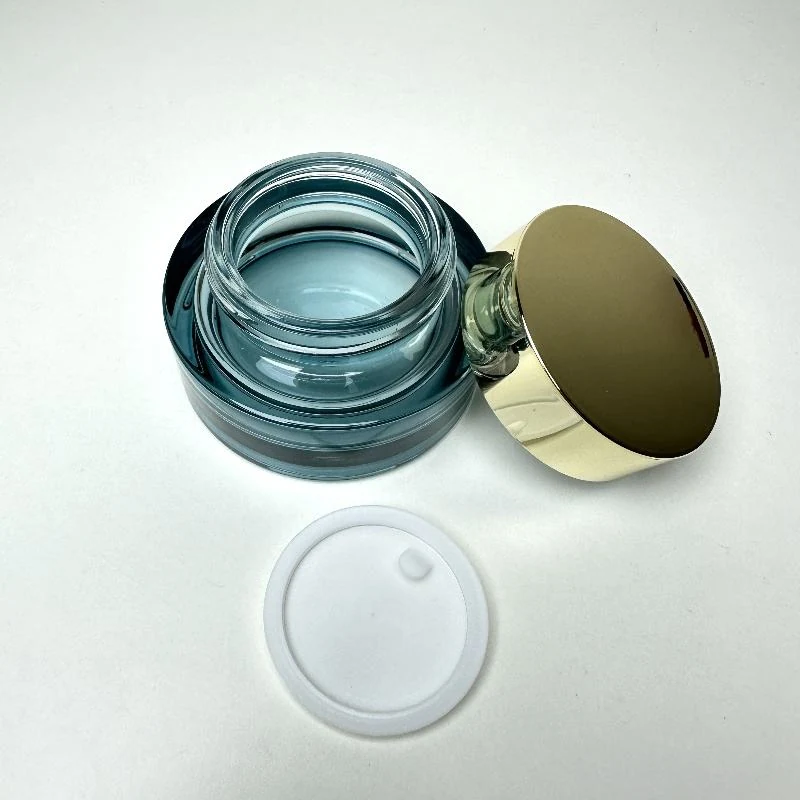
Glass packaging is often highlighted at the exhibition because it is widely used in beverage and specialty food products. Suppliers present bottle designs, labeling systems, and packaging materials.
The exhibition also encourages collaboration among producers and distributors across island economies.
| Event | Date | Location | Highlights |
|---|---|---|---|
| Pacific Islands Trade Expo | Annual | Pacific region | Regional trade and packaging suppliers |
| Pacific Food and Beverage Exhibition | Annual | Oceania region | Food production and packaging innovations |
Part 4: Impact of Global Trade Policies
Global trade policies significantly affect the glass bottle market in Micronesia. Since most bottles are imported, international shipping conditions and trade agreements influence supply chains.

Regional trade partnerships in the Pacific help reduce barriers to importing packaging materials. These agreements allow businesses to source bottles from large manufacturing countries.
Transportation costs remain an important factor. Glass bottles are heavy and fragile, which increases shipping expenses across long distances.
Supply Chain Constraints
Island geography creates several logistical challenges. Bottles must travel by sea freight to reach different islands within the region.
Handling fragile goods requires strong packaging and careful transportation management. Distributors must ensure that products arrive safely without excessive breakage.
Opportunities from Tourism and Exports
Tourism growth offers significant opportunities for beverage and food producers. Visitors often purchase locally produced drinks and specialty foods that require attractive packaging.
Glass bottles help create a premium image for these products. Businesses that invest in good packaging design can strengthen their brand identity and attract international buyers.
| Factor | Impact on Industry | Opportunity |
|---|---|---|
| Import reliance | Limited local manufacturing | Partnerships with global suppliers |
| Shipping costs | Higher packaging expenses | Efficient logistics planning |
| Tourism growth | Increased beverage consumption | Premium packaging demand |
| Sustainability trends | Interest in recyclable packaging | Growth of glass containers |
Part 5: Conclusion
The glass bottle market in Micronesia is shaped by its island geography and import-based supply chains. Beverage companies, food producers, and hospitality businesses rely heavily on glass containers for packaging. Glass bottles remain popular because they preserve product quality and present a premium image for tourists and local consumers.
Local manufacturing of glass bottles is limited, so distributors and importers play a critical role in maintaining supply. Regional trade networks ensure that businesses can access packaging materials from larger manufacturing countries.
Future growth will likely come from tourism expansion and the development of local specialty food products. Businesses that invest in attractive packaging and reliable supply chains will be well positioned to succeed in Micronesia’s evolving market.