Skip to content
Part 1: Market Size and Growth
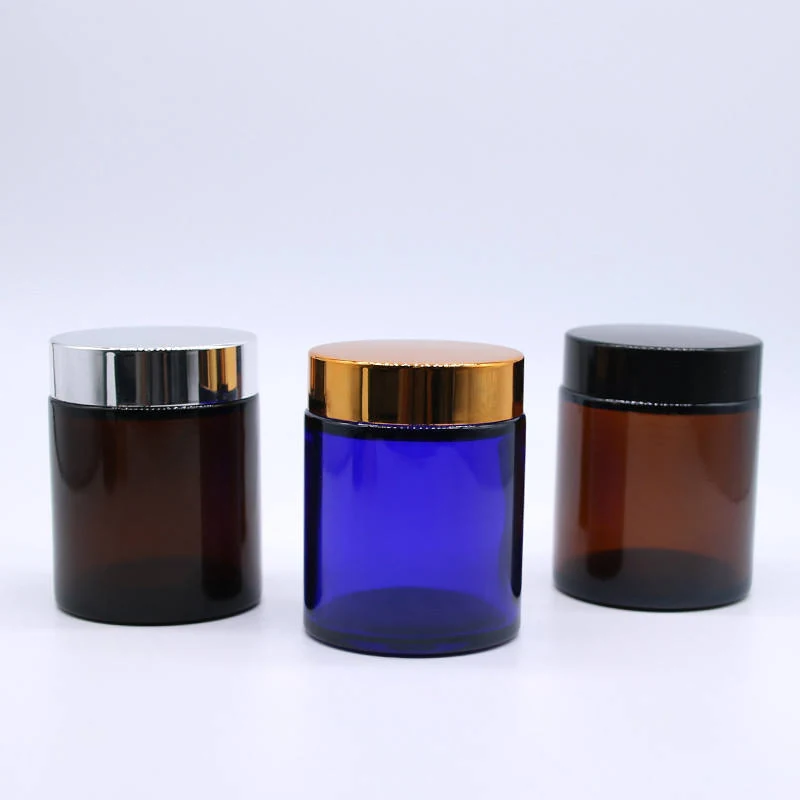
Morocco’s glass bottle manufacturing industry has developed steadily as the country expands its food processing, beverage, and pharmaceutical sectors. Glass packaging plays an important role in Morocco because it preserves product quality, supports long shelf life, and strengthens brand presentation. Local manufacturers supply bottles and containers to domestic industries while also serving export markets across North Africa and Europe.
The beverage industry is one of the main drivers of glass bottle demand in Morocco. Soft drinks, mineral water, juices, and traditional beverages are often packaged in glass containers because glass helps maintain flavor and product stability.
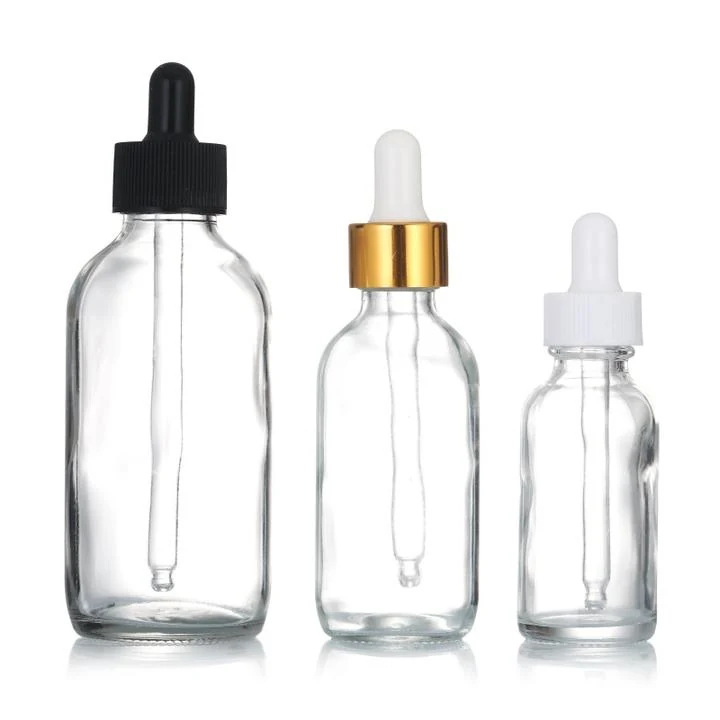
Morocco also has a growing food processing sector. Olive oil, sauces, preserved vegetables, honey, and specialty foods are commonly packaged in glass bottles or jars. Glass packaging is especially popular for premium food products because it protects taste and provides an attractive presentation for consumers.
The country’s olive oil industry alone generates strong demand for glass bottles. Morocco is a major olive producer, and many olive oil brands prefer dark glass bottles that protect the oil from light exposure.
Morocco’s strategic location between Europe and Africa also strengthens its packaging industry. The country has strong trade connections with the European Union, which allows manufacturers to export packaging materials and finished goods.
Industrial zones in Casablanca, Tangier, and Kenitra host many manufacturing companies, including glass production facilities. These areas offer access to seaports, transportation networks, and industrial infrastructure.
Availability of raw materials such as silica sand supports domestic glass production. Combined with relatively competitive labor costs, this allows Moroccan manufacturers to operate efficiently within regional markets.
Sustainability has become an increasingly important issue for the glass industry in Morocco. Many companies focus on recycling initiatives and energy-efficient production methods.
Recycled glass, known as cullet, is often integrated into the production process. This reduces energy consumption and helps manufacturers lower environmental impact.
Technological upgrades are also improving manufacturing efficiency. Automated forming equipment and digital inspection systems allow factories to maintain consistent product quality during large production runs.
As Morocco continues expanding its food processing and beverage industries, demand for glass packaging is expected to remain stable and gradually increase.
Part 2: Leading Companies
Sovirel Maroc
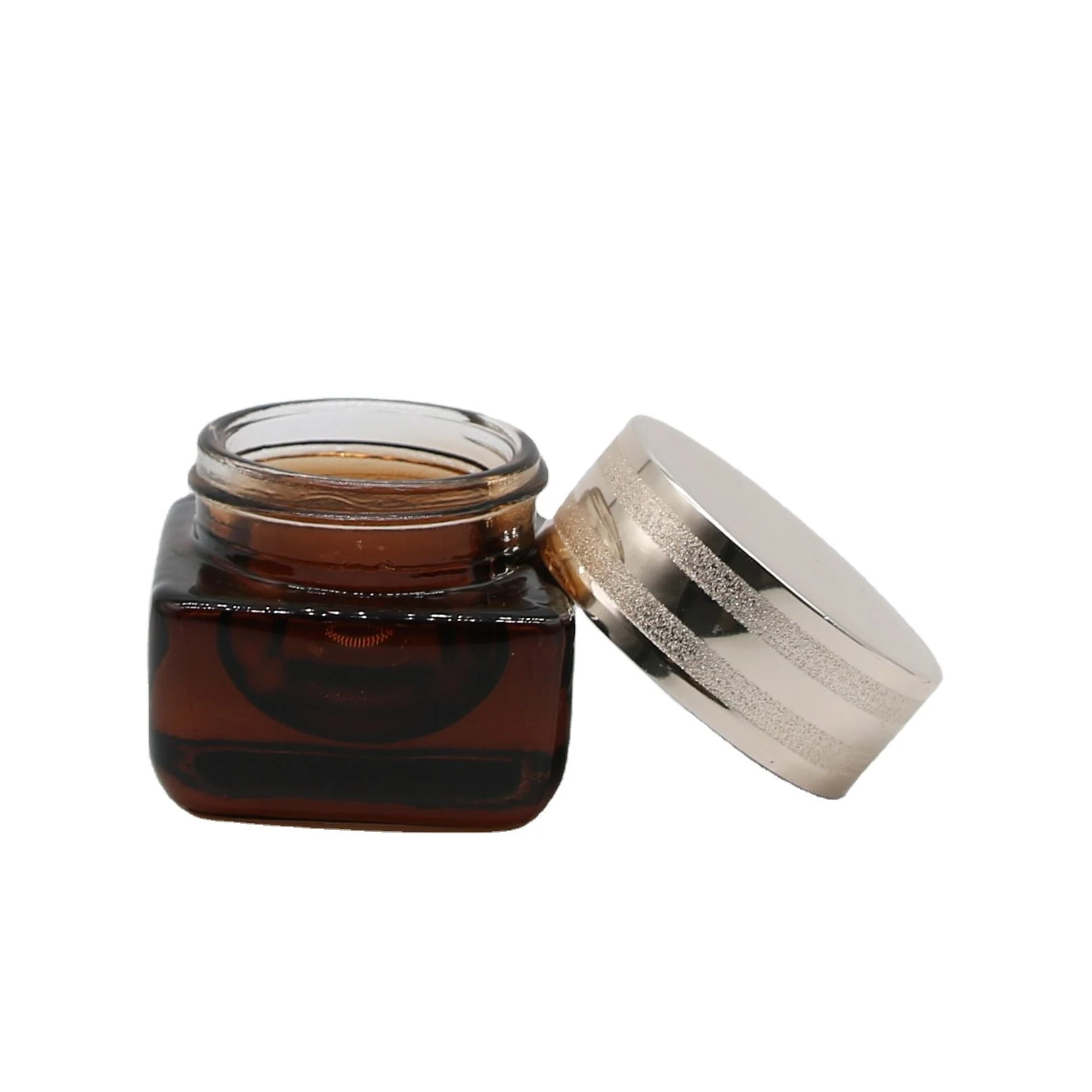
Sovirel Maroc is one of the most recognized glass container manufacturers in Morocco. The company has developed strong expertise in producing glass bottles and jars used across several industries.
The company manufactures containers for beverages, food products, cosmetics, and pharmaceutical applications. Its product range includes bottles for juices, sauces, oils, and other consumer goods.
Sovirel Maroc supplies many domestic brands and regional distributors that require reliable packaging solutions. The company’s containers are widely used by food processors and beverage producers throughout Morocco.
Modern production facilities allow the company to produce glass containers with consistent quality and durability. Furnace technology, forming machines, and inspection systems support efficient manufacturing operations.
Innovation and product design are also part of the company’s strategy. Custom bottle shapes and decorative features help brands differentiate their products on retail shelves.
Sovirel Maroc has received certifications related to quality management and manufacturing standards. These recognitions strengthen its reputation within Morocco’s packaging industry.
SGV Maroc (Société Générale du Verre)
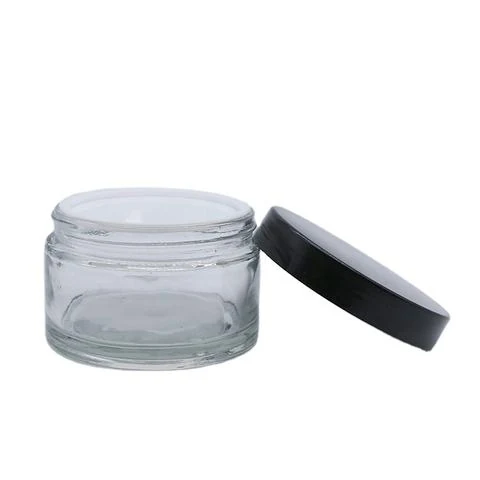
SGV Maroc, also known as Société Générale du Verre, is another important glass container manufacturer in the country. The company focuses on producing packaging solutions for beverage and food industries.
Its product range includes glass bottles for mineral water, juices, oils, and specialty beverages. Food jars and containers for preserved foods are also part of its manufacturing portfolio.
The company serves industries such as food processing, beverage production, and consumer goods manufacturing. These sectors require durable packaging that protects products during transportation and storage.
SGV Maroc operates production facilities equipped with modern furnace systems and container forming machines. These technologies help maintain stable production quality.
The company also offers design services that allow customers to develop customized packaging solutions. Decorative glass colors, embossing, and specialized shapes help create distinctive product packaging.
Environmental responsibility remains an important focus. Recycling programs and energy management systems support sustainable production.
Industry certifications related to quality assurance and environmental management further support the company’s credibility in the packaging market.
Induverre Maroc
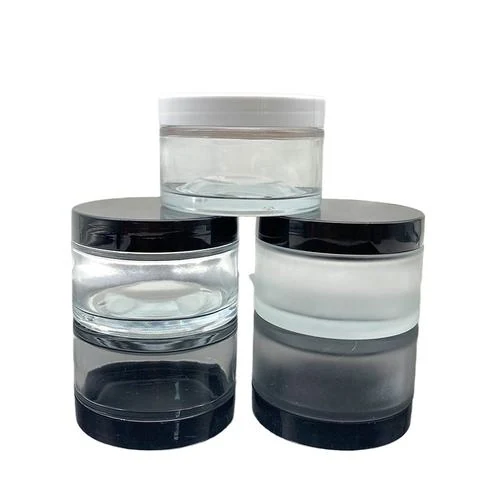
Induverre Maroc is a Moroccan manufacturer involved in glass packaging production and distribution. The company supplies glass containers used by food processors, beverage companies, and cosmetic brands.
Its product portfolio includes bottles for oils, sauces, beverages, and specialty food products. Glass jars for preserved foods and honey are also common items produced by the company.
Induverre Maroc serves industries such as food packaging, cosmetics, and beverage production. These industries require packaging materials that provide both safety and strong visual presentation.
The company’s production facilities incorporate modern glass forming technology and quality control procedures. These systems help maintain product consistency and durability.
Bottle design and mold development services allow customers to create packaging that matches brand identity and marketing goals.
Energy efficiency and recycling initiatives also support the company’s manufacturing operations. Recycled glass materials help reduce production costs and environmental impact.
Quality management certifications and manufacturing standards strengthen the company’s reliability within Morocco’s packaging industry.
| Company | Founded | Core Products | Industries | Certifications |
|---|---|---|---|---|
| Sovirel Maroc | 1970s | Glass bottles and jars | Food, beverage | Quality certifications |
| SGV Maroc | 1980s | Beverage bottles, food jars | Food processing | Environmental certifications |
| Induverre Maroc | 1990s | Oil bottles, food containers | Cosmetics, food | Quality management certifications |
Part 3: Trade Shows and Industry Events
Morocco SIEMA Food Expo
The Morocco SIEMA Food Expo is an important event for food processing and packaging industries in the region. The exhibition gathers manufacturers, distributors, and suppliers involved in food production and packaging.
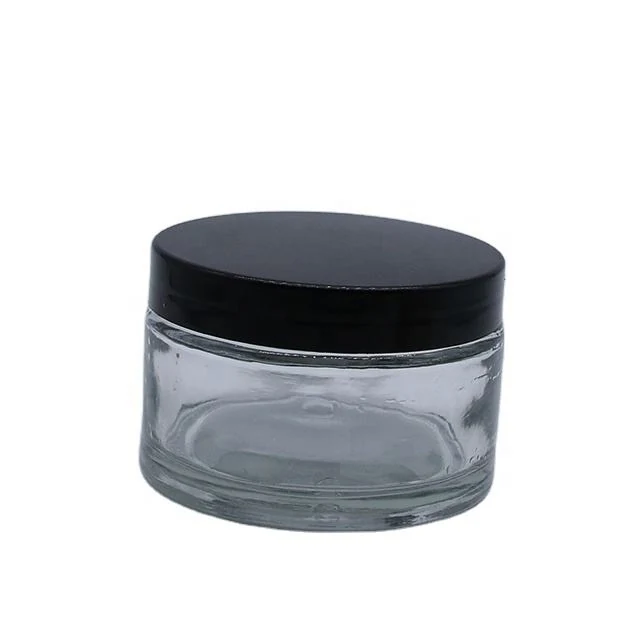
The event is usually held in Casablanca and attracts participants from Morocco, Europe, and other African countries.
Glass packaging companies participate to showcase bottle designs, packaging innovations, and container solutions for food and beverage products.
Visitors often explore packaging machinery, food processing equipment, and packaging materials that improve manufacturing efficiency.
Morocco Packaging Expo
Morocco Packaging Expo focuses specifically on packaging technologies and materials used in multiple industries.
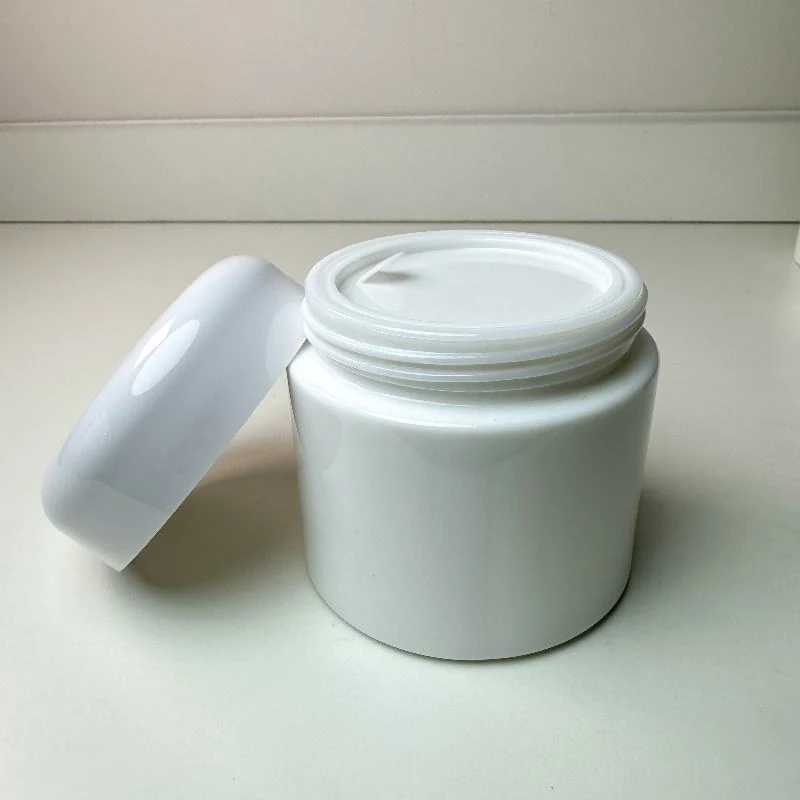
The exhibition typically gathers packaging manufacturers, equipment suppliers, and consumer goods companies interested in packaging innovation.
Glass bottle manufacturers attend the event to present new bottle designs, decorative glass techniques, and sustainable packaging solutions.
The exhibition also highlights automation equipment, labeling systems, and packaging technologies that improve industrial production processes.
| Event | Date | Location | Highlights |
|---|---|---|---|
| Morocco SIEMA Food Expo | Annual | Casablanca | Food processing and packaging solutions |
| Morocco Packaging Expo | Annual | Casablanca | Packaging materials and technology |
Part 4: Impact of Global Trade Policies
Global trade policies influence Morocco’s glass bottle manufacturing industry in several ways. Trade agreements, import regulations, and regional supply chains all affect how manufacturers source materials and distribute packaging products.

Morocco maintains strong trade relationships with the European Union through several economic agreements. These partnerships allow Moroccan manufacturers to export goods more easily to European markets.
For packaging producers, this creates opportunities to supply glass containers used in food exports such as olive oil, sauces, and preserved foods.
Energy costs remain an important factor in glass manufacturing. Furnaces require continuous high temperatures, so fluctuations in fuel prices can affect production costs.
Environmental regulations are also becoming stricter. Manufacturers must improve recycling systems, reduce emissions, and increase energy efficiency.
Regional trade within North Africa also influences supply chains. Packaging manufacturers sometimes collaborate with suppliers in neighboring countries to obtain raw materials or specialized equipment.
Despite these challenges, Morocco’s strategic location between Europe and Africa provides long-term opportunities for industrial development.
Investments in infrastructure, renewable energy, and manufacturing technology could help strengthen the country’s glass bottle industry in the future.
Part 5: Conclusion
Morocco’s glass bottle manufacturing industry continues to support the country’s food processing, beverage, and consumer goods sectors. Glass packaging remains valuable because it protects product quality while offering a premium appearance for packaged goods.
Growing exports of products such as olive oil and specialty foods help maintain demand for glass containers.
However, manufacturers must adapt to rising energy costs, stricter environmental standards, and global competition.
Continued investment in automation, recycling technologies, and energy-efficient furnaces will help strengthen the industry’s long-term sustainability.
As Morocco’s manufacturing sector continues to expand, glass bottle producers are likely to remain an important part of the country’s packaging and industrial ecosystem.