Skip to content
Part 1: Market Size and Growth
Myanmar’s glass bottle market has grown steadily alongside the expansion of its beverage, food processing, and pharmaceutical industries. The country has a population of more than 50 million people, and consumer demand for packaged products continues to increase. Glass bottles remain an important packaging choice because they preserve product quality and offer a clean, premium appearance.
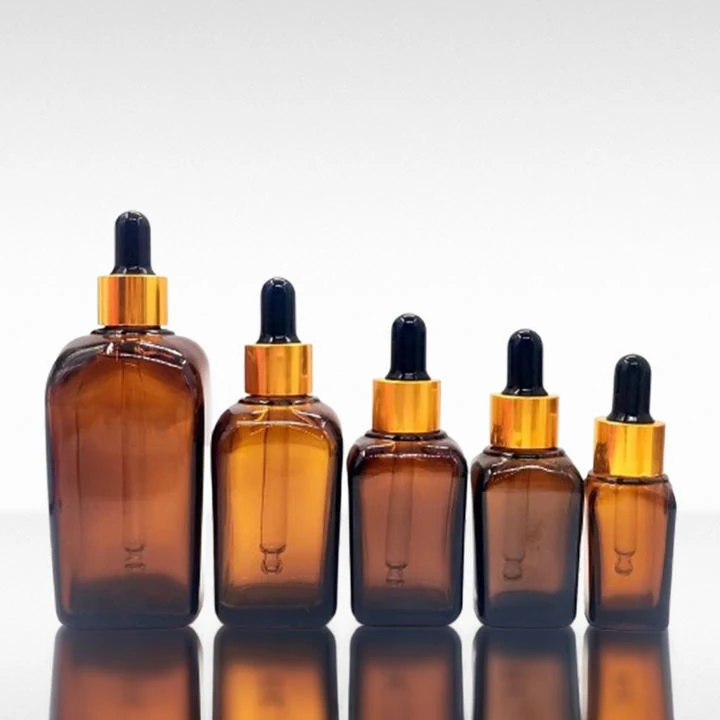
Beer breweries, soft drink manufacturers, bottled water producers, and food brands are major consumers of glass containers. Products such as sauces, cooking oils, herbal medicines, and cosmetics are also packaged in glass bottles. Glass containers are widely trusted because they are reusable, recyclable, and resistant to chemical reactions.
Myanmar’s manufacturing sector has gradually developed over the past two decades. Industrial zones in cities such as Yangon and Mandalay have encouraged investment in packaging production and food processing. As local manufacturing expands, the demand for reliable glass bottle supply continues to grow.
Structure of Demand in Myanmar’s Packaging Industry
Myanmar’s packaging market is shaped largely by the beverage sector. Beer, soft drinks, and bottled water require high volumes of glass bottles for filling and distribution. Breweries in particular rely on reusable glass bottles that circulate through return systems.
Food processing companies also contribute significantly to glass container demand. Local brands produce sauces, condiments, fermented foods, and preserved fruits that are packaged in glass jars and bottles.
The main industries that rely on glass bottles include:
| Industry | Packaging Use | Growth Driver |
|---|---|---|
| Beverage | Beer bottles, soda bottles, bottled water | Rising consumer demand |
| Food Processing | Sauce bottles, oil bottles, jars | Local food brands |
| Pharmaceutical | Medicine bottles, laboratory containers | Healthcare expansion |
| Cosmetics | Perfume bottles, skincare containers | Growing beauty market |
Restaurants, hotels, and tourism-related businesses also increase demand for glass packaging. Premium beverages, imported wines, and specialty foods often use glass containers to enhance brand image. As tourism recovers and domestic consumption rises, packaging demand continues to strengthen.
Domestic Production and Supply Chain
Myanmar has several domestic glass manufacturing facilities that produce bottles and containers for local industries. These factories typically focus on beverage bottles, food jars, and pharmaceutical containers.
However, local production does not always meet the full range of market needs. Some specialized bottles, such as premium liquor bottles or decorative cosmetic containers, are imported from other countries. Importers bring these products mainly from China, Thailand, and Vietnam.
The supply chain usually involves several steps. Domestic glass factories supply large beverage companies directly, while distributors provide bottles and jars to smaller businesses. Importers also maintain inventories of specialized glass containers.
Transportation infrastructure has improved gradually, which helps packaging suppliers distribute bottles across the country. Even so, logistics costs and energy supply remain important considerations for glass manufacturers.
Despite these challenges, the presence of domestic factories provides Myanmar with a more stable supply of glass packaging compared with many smaller developing markets.
Opportunities for International Suppliers
International glass bottle manufacturers still have opportunities in Myanmar’s packaging market. Some beverage companies require unique bottle designs that local factories may not produce.
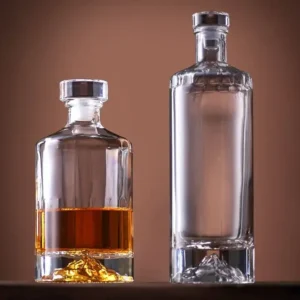
Premium packaging is particularly important in the spirits and cosmetics industries. Imported bottles with embossed logos, decorative finishes, and custom shapes help brands stand out on retail shelves.
Foreign manufacturers can succeed in the market by focusing on several strategies:
| Strategy | Benefit |
|---|---|
| Custom bottle molds | Distinctive brand identity |
| High clarity glass | Premium product presentation |
| Flexible order quantities | Support smaller brands |
| Reliable logistics | Stable supply chain |
Myanmar’s economy continues to evolve, and consumer markets are gradually expanding. As new food and beverage brands enter the market, the demand for high-quality glass packaging will likely continue to grow.
Part 2: Leading Companies
Myanmar has a number of companies involved in glass bottle manufacturing and packaging supply. Some focus on large-scale bottle production for beverage companies, while others specialize in distribution and packaging services.
Myanmar Glass Industries
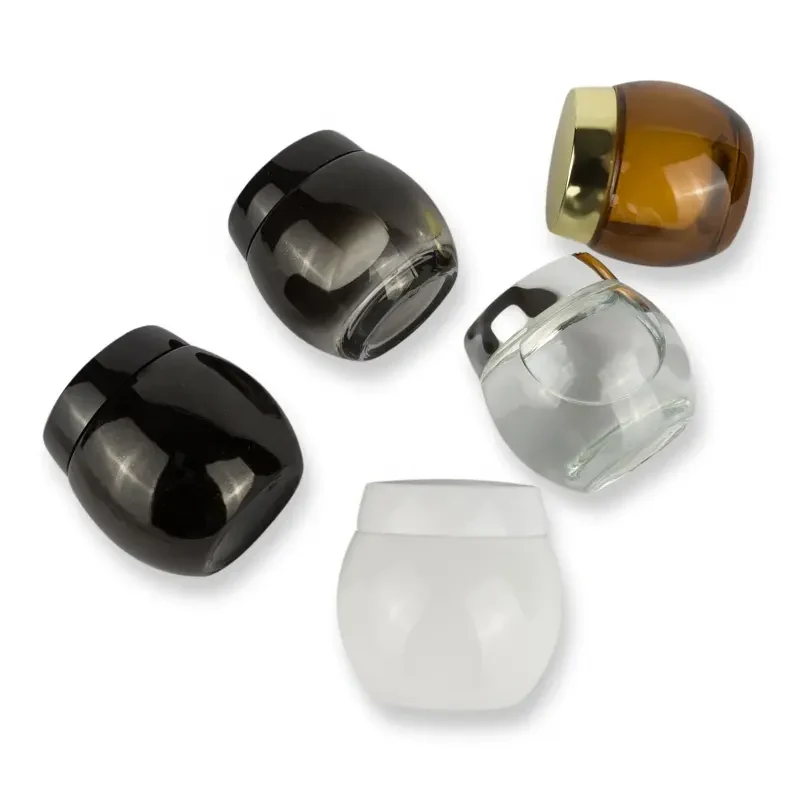
Myanmar Glass Industries is one of the notable domestic producers of glass containers. The company was established to support local manufacturing industries and reduce reliance on imported packaging.
The company produces beverage bottles, food jars, and pharmaceutical containers. Many local beverage brands rely on these products because they are produced within the country and can be delivered quickly. Domestic production helps reduce transportation costs and supply delays.
Myanmar Glass Industries serves industries such as beverage production, food processing, and healthcare packaging. Its manufacturing facilities focus on mass production of standard bottle designs.
The company continues to upgrade its production lines and furnace technology to improve efficiency and glass quality. These improvements help increase output and reduce production waste.
Yangon Glass Factory
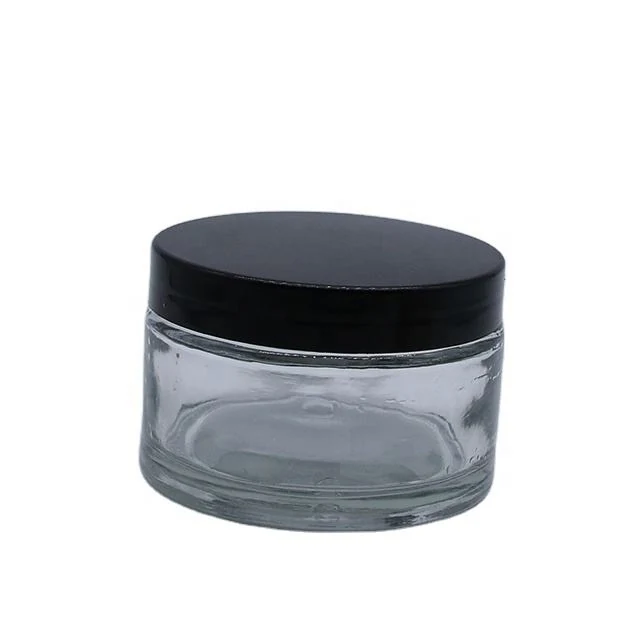
Yangon Glass Factory operates in one of Myanmar’s largest industrial cities. The company focuses on manufacturing glass bottles for beverages and food products.
Its production facility supplies beer breweries, soft drink companies, and food processors. The factory produces a range of bottle sizes and shapes that meet the needs of domestic manufacturers. Local beverage producers benefit from having a nearby source of packaging materials.
Yangon Glass Factory emphasizes quality control and production consistency. Its technical teams work to improve bottle strength and transparency.
The company also participates in recycling programs that reuse broken glass in the manufacturing process. This approach helps reduce raw material consumption and production costs.
Golden Myanmar Packaging Supply
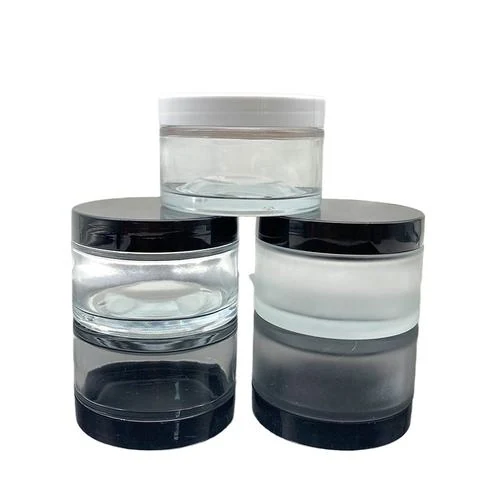
Golden Myanmar Packaging Supply functions primarily as a distributor of packaging materials. The company imports glass bottles and containers from international manufacturers and supplies them to businesses across the country.
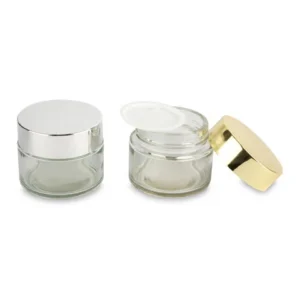
Its catalog includes beverage bottles, cosmetic containers, pharmaceutical bottles, and decorative glass jars. Many small businesses rely on this distributor because it allows them to purchase packaging in smaller quantities.
Golden Myanmar Packaging Supply serves industries such as cosmetics, food processing, and beverage bottling. Its distribution network helps local brands access a wide variety of packaging designs.
The company continues to expand its supplier network to provide more container options and packaging solutions. These efforts support the development of Myanmar’s growing consumer product market.
Company Comparison
| Company | Founded | Core Products | Industries | Certifications |
|---|---|---|---|---|
| Myanmar Glass Industries | 1990s | Beverage bottles, jars | Beverage, food | National manufacturing standards |
| Yangon Glass Factory | 2000s | Beer bottles, food containers | Beverage, food | Industrial quality certifications |
| Golden Myanmar Packaging Supply | 2010s | Glass containers, cosmetic bottles | Food, cosmetics | Packaging quality compliance |
Part 3: Trade Shows and Industry Events
Trade exhibitions and industrial events play an important role in Myanmar’s manufacturing ecosystem. These events allow local businesses to connect with international suppliers and explore new packaging technologies.
Myanmar International Industry Fair
The Myanmar International Industry Fair is one of the country’s largest industrial exhibitions. It showcases manufacturing equipment, packaging materials, and industrial technology.
The event typically takes place in Yangon and attracts participants from Asia and other regions. Packaging suppliers, machinery manufacturers, and industrial investors attend the exhibition.
Companies often display glass containers, labeling equipment, and bottling machinery. Beverage producers and food manufacturers visit the fair to discover new packaging solutions.
Seminars held during the event focus on industrial modernization and manufacturing investment. These discussions highlight the importance of packaging technology in supporting product exports.
Myanmar Food and Beverage Expo
The Myanmar Food and Beverage Expo focuses on companies involved in food production, beverage manufacturing, and hospitality.
The exhibition brings together producers, distributors, and packaging suppliers. Glass bottle manufacturers often present their products at the event to connect with beverage brands.
Participants showcase bottled drinks, packaged foods, and processing equipment. Packaging design and branding solutions are also common topics at the exhibition.
Networking sessions allow companies to build partnerships and explore new supply agreements. These connections often lead to long-term collaborations between manufacturers and packaging suppliers.
Trade Event Summary
| Event | Date | Location | Highlights |
|---|---|---|---|
| Myanmar International Industry Fair | Annual | Yangon | Industrial technology and packaging solutions |
| Myanmar Food and Beverage Expo | Annual | Yangon | Food processing and beverage industry networking |
Part 4: Impact of Global Trade Policies
Global trade policies influence Myanmar’s glass bottle market in several ways. Import tariffs, shipping regulations, and international logistics costs all affect the price of glass containers.
Regional trade partnerships in Southeast Asia allow Myanmar to import packaging materials more easily from neighboring countries. These agreements support supply chains for industries such as beverages and food processing.
Changes in global logistics conditions can also influence packaging availability. Shipping delays or rising transportation costs may affect bottle supply for local manufacturers.
Domestic production helps reduce some of these risks. Local factories can provide essential bottle supplies for large beverage companies even when imports are disrupted.
At the same time, global trends toward sustainable packaging continue to strengthen the role of glass containers. Glass is recyclable and environmentally friendly compared with many plastic alternatives. Many beverage and cosmetic brands therefore choose glass packaging to improve both product quality and sustainability image.
Part 5: Conclusion
Myanmar’s glass bottle industry plays an important role in supporting the country’s beverage, food processing, and pharmaceutical sectors. Domestic glass factories and packaging distributors help maintain a steady supply of containers for manufacturers. As consumer markets expand, the demand for glass packaging is expected to grow further.
The presence of local glass manufacturing facilities provides an advantage for Myanmar compared with some neighboring markets. These factories reduce dependence on imports and support domestic production.
However, the industry still faces challenges such as energy costs, logistics infrastructure, and economic uncertainty. These factors can influence production capacity and packaging supply.
Even with these challenges, the long-term outlook remains positive. Rising consumer demand and expanding manufacturing industries will continue to increase the need for glass containers. Glass bottles will remain a vital part of Myanmar’s packaging and consumer goods sectors in the years ahead.