Skip to content

Part 1: Market Size and Growth
Nepal’s glass bottle industry is small but slowly growing. The demand comes mainly from beverage companies, pharmaceutical producers, and food packaging businesses. In recent years, local producers and importers have started to focus more on sustainable packaging, and glass has become a strong option.
The growth of breweries, distilleries, and food brands has pushed demand for glass bottles. Craft beer brands, herbal medicine companies, and honey or sauce producers all need safe packaging. Glass bottles protect taste and quality, which makes them attractive for premium products.
Government policies also play a role in the market. Nepal relies heavily on imports for glass packaging, especially from India and China. However, local manufacturing projects and industrial zones are slowly encouraging domestic production. Investors see opportunities in reducing import dependence and building a stronger packaging supply chain.
Demand Drivers in Nepal’s Packaging Sector
The Nepali market has several industries that push the demand for glass bottles. The beverage sector is the largest user. Local beer companies, whisky brands, and soft drink producers all require reliable packaging. These companies prefer glass because it does not react with the liquid and it keeps the flavor stable.
Pharmaceutical companies also need glass bottles. Many herbal medicines and syrups are packaged in amber or clear glass bottles. These bottles protect products from light and contamination. Nepal has a growing traditional medicine industry, which increases the need for pharmaceutical glass containers.
Food products are another major driver. Honey producers, pickle brands, spice companies, and jam manufacturers often choose glass packaging. Glass helps the product look more premium on store shelves. It also allows customers to see the product inside.
Below is a simple overview of the industries that use glass bottles in Nepal.
| Industry | Common Bottle Types | Reason for Using Glass |
|---|---|---|
| Beverage | Beer bottles, liquor bottles | Flavor protection and premium image |
| Pharmaceutical | Syrup bottles, medicine containers | Safety and chemical stability |
| Food | Honey jars, sauce bottles | Transparency and freshness |
| Cosmetics | Oil bottles, perfume containers | Brand image and product protection |
Import Dependence and Regional Supply
Nepal imports a large share of its glass bottles from nearby countries. India is the main supplier because of geographic proximity and lower transportation costs. Chinese manufacturers also supply many products, especially decorative bottles and customized packaging.
Local factories face several challenges. Energy costs are high, and glass production requires stable electricity and fuel. Transport inside mountainous regions also raises logistics costs. Because of these factors, many companies still prefer to import bottles instead of producing them locally.
However, the situation is slowly changing. The government has started to support industrial development and manufacturing projects. Small glass processing plants and packaging companies are appearing in industrial areas near Kathmandu and other major cities.
Future Growth Potential
The future of Nepal’s glass bottle industry looks promising. The tourism sector and hospitality businesses are recovering, which increases beverage consumption. Craft breweries and boutique distilleries are becoming more popular, and these brands prefer stylish glass packaging.
Environmental awareness is another driver. Many consumers now prefer reusable and recyclable packaging. Glass fits well into this trend because it can be recycled without losing quality. Some local companies have started bottle return programs.
The country’s manufacturing ecosystem is still developing, but new investments could change the market structure. If Nepal builds more domestic glass production capacity, the industry could reduce import dependence and create new opportunities for regional exports.
Part 2: Leading Companies
Himalayan Glassworks Pvt. Ltd.

Himalayan Glassworks Pvt. Ltd. is one of the few companies involved in glass container production in Nepal. The company was established to support domestic packaging needs, especially for beverage and pharmaceutical sectors. It operates with a focus on supplying bottles to local manufacturers.
The company produces various glass containers such as beverage bottles, medicine bottles, and food jars. Its products are designed for durability and basic packaging requirements. Many small and medium beverage brands rely on these bottles for their packaging needs.
Himalayan Glassworks mainly serves breweries, distilleries, and pharmaceutical companies in Nepal. The company focuses on standard bottle designs rather than highly customized shapes. This strategy helps maintain stable production and affordable prices for local clients.
The company continues to improve its manufacturing processes and quality control systems. It has invested in modern furnace technology and basic testing equipment to ensure product consistency. Its goal is to strengthen Nepal’s local packaging supply chain.
Bhaktapur Glass Industries
Bhaktapur Glass Industries is known for its long history in glass production. The company originally focused on traditional glass items and later expanded into packaging containers. Its location near Kathmandu provides convenient access to major distribution routes.
The company manufactures glass bottles and jars used in food packaging, beverages, and household products. Its production lines focus on medium-scale manufacturing, which helps supply regional businesses. Many small food brands and honey producers source packaging from this company.
Bhaktapur Glass Industries serves local food processors, spice companies, and small beverage brands. These customers often prefer simple and reliable bottle designs rather than expensive custom molds. The company’s flexible production capacity supports these needs.
The company has gradually improved its production equipment and product quality. It works with packaging distributors and wholesalers to expand its market reach. Through steady upgrades, it aims to compete with imported glass containers.
Nepal Glass Company
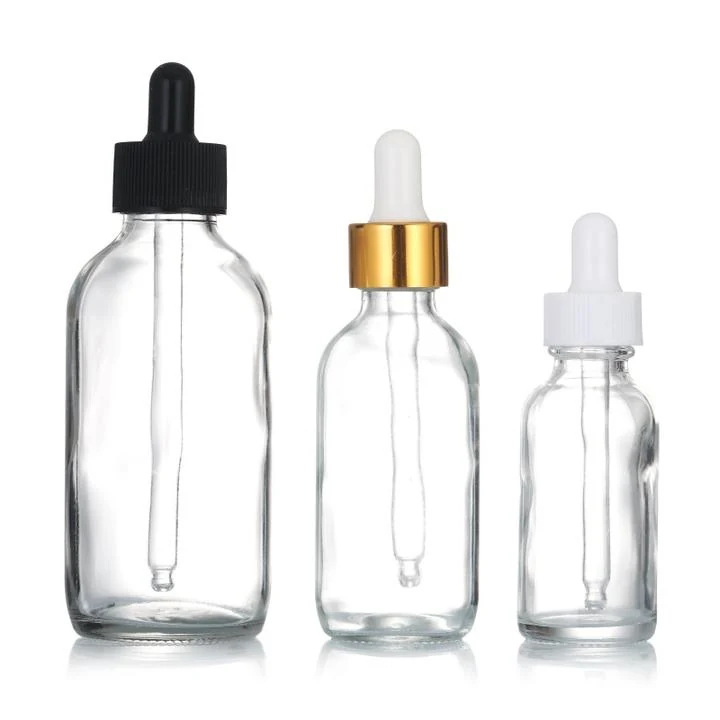
Nepal Glass Company is another participant in the local glass manufacturing sector. The company started as a small industrial operation and expanded its product range over time. Its focus is mainly on supplying packaging containers for local industries.
The company produces different types of glass bottles, including beverage bottles and food jars. It also manufactures some decorative glass products for the domestic market. This diversified product line helps balance seasonal demand changes.
Nepal Glass Company serves beverage companies, food processors, and small manufacturing businesses. These customers often require stable supply and cost-effective packaging solutions. The company works with distributors to deliver products across Nepal.
The company focuses on improving production efficiency and reducing breakage during transportation. Packaging improvements and better quality inspection systems have helped it maintain customer trust. It continues to explore partnerships with international equipment suppliers.
| Company | Founded | Core Products | Industries | Certifications |
|---|---|---|---|---|
| Himalayan Glassworks Pvt. Ltd. | Early 2000s | Beverage bottles, medicine bottles | Beverage, pharmaceutical | Local quality compliance |
| Bhaktapur Glass Industries | 1990s | Food jars, beverage bottles | Food processing, beverage | Local manufacturing standards |
| Nepal Glass Company | 2000s | Glass bottles, decorative glass | Beverage, food, household | Domestic quality inspection |
Part 3: Trade Shows and Industry Events
Nepal International Trade Fair
The Nepal International Trade Fair is one of the country’s largest industrial and commercial exhibitions. It gathers manufacturers, distributors, and international suppliers across many industries, including packaging and glass products. The event provides an important platform for Nepali companies to connect with global suppliers.

The fair usually takes place in Kathmandu and attracts businesses from South Asia and beyond. Many packaging suppliers display glass containers, labeling solutions, and food packaging technologies. Local beverage brands often attend to search for new packaging partners.
One highlight of the event is the strong presence of international exhibitors. Companies from India, China, and other Asian countries bring new packaging products and manufacturing equipment. This creates opportunities for Nepali businesses to explore modern packaging solutions.
Propak Asia
Propak Asia is one of the most influential packaging and processing exhibitions in Asia. Although it is held in Thailand, many Nepali companies visit the exhibition to discover new suppliers and packaging technology.
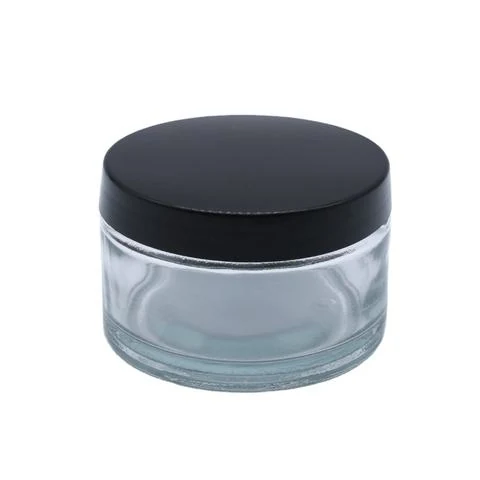
The event gathers thousands of packaging professionals, machinery manufacturers, and raw material suppliers. Glass bottle manufacturers, mold makers, and packaging design companies often showcase their latest innovations at the exhibition.
Nepali beverage and food brands use this event to explore modern packaging trends. Many companies also search for equipment suppliers to upgrade their production facilities. For glass packaging, the exhibition offers insights into lightweight bottles, improved recycling systems, and energy-efficient manufacturing technologies.
| Event | Date | Location | Highlights |
|---|---|---|---|
| Nepal International Trade Fair | Annual | Kathmandu, Nepal | Local manufacturing and packaging suppliers |
| Propak Asia | Annual | Bangkok, Thailand | Advanced packaging technology and global suppliers |
Part 4: Impact of Global Trade Policies
Global trade policies have a strong influence on Nepal’s glass bottle market. The country imports a large portion of its packaging materials from neighboring countries. Changes in tariffs, logistics costs, or regional trade agreements can quickly affect supply chains.
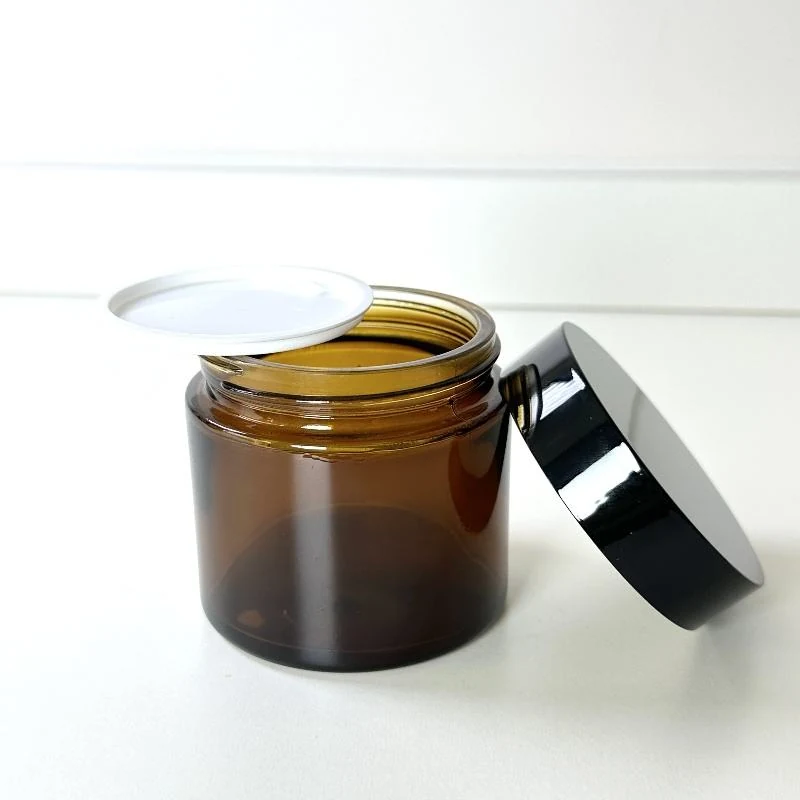
Trade relationships with India and China are especially important. These two countries supply most of Nepal’s glass packaging products. When transport costs rise or border policies change, Nepali companies often face higher packaging expenses.
Local production is sometimes seen as a solution to reduce import dependence. Government initiatives that encourage manufacturing investment could strengthen domestic supply. If local factories grow stronger, the country may reduce supply risks and create more jobs.
International competition also shapes the industry. Large glass manufacturers from Asia have advanced production technology and lower costs. Nepali companies must improve efficiency and product quality to remain competitive.
Sustainability policies may also influence the industry in the future. Many global brands are shifting toward recyclable packaging. Glass bottles fit well into these environmental goals, which could increase demand across Asia.
Supply Chain Risks
Nepal’s geography creates several supply chain challenges. The country relies on road transportation through mountainous terrain. Delays and logistics costs can affect the price of imported bottles.
Energy availability also affects local manufacturing. Glass production requires continuous high temperatures. Reliable electricity and fuel supply are necessary for stable production.
Opportunities in Regional Trade
Despite these challenges, regional trade also creates opportunities. Nepal sits between two of the world’s largest manufacturing economies. This location allows companies to access raw materials, machinery, and packaging expertise.
Cross-border collaboration could help develop Nepal’s packaging sector. Joint ventures and technology partnerships may allow local factories to upgrade their production capabilities.
| Factor | Impact on Industry | Opportunity |
|---|---|---|
| Import dependence | High reliance on foreign bottles | Local manufacturing investment |
| Logistics challenges | Higher transport cost | Regional distribution hubs |
| Sustainability policies | Demand for recyclable packaging | Growth in glass packaging |
| Regional trade | Competition from large producers | Technology partnerships |
Part 5: Conclusion
Nepal’s glass bottle industry is still developing, but the demand for glass packaging continues to grow. Beverage brands, food companies, and pharmaceutical producers all rely on reliable containers. Glass bottles provide durability, safety, and a premium appearance, which makes them valuable for many products.
The industry still faces several challenges. Local production capacity is limited, and imports remain dominant in the market. However, new investments, technology partnerships, and stronger manufacturing infrastructure could gradually change the situation.
Nepal’s growing beverage and food sectors create strong long-term opportunities for packaging suppliers. As sustainability becomes more important, glass bottles may gain even greater popularity among brands and consumers.
At the same time, companies must address energy costs, transportation challenges, and international competition. Businesses that invest in efficiency, quality control, and innovation will be better positioned to succeed in this evolving market.