Skip to content
Part 1: Market Size and Growth
The Netherlands has a strong reputation in Europe for logistics, manufacturing efficiency, and sustainable industry. These strengths also shape the glass bottle manufacturing sector. The country supports many beverage, food, and pharmaceutical companies that rely on glass packaging. Glass bottles remain one of the most trusted packaging formats because they protect product quality and support recycling.
The Dutch packaging market grows steadily as beverage exports expand across Europe. Wine importers, craft beer producers, and premium spirit brands all require reliable bottle suppliers. Many Dutch manufacturers focus on precision production and stable supply chains to meet these demands.
Government policies and sustainability programs also support the growth of glass packaging. The Netherlands promotes circular economy practices that encourage recycling and reuse. Investment in energy-efficient furnaces and modern manufacturing lines allows producers to improve capacity while lowering environmental impact.
Market Structure
The glass bottle market in the Netherlands is closely linked to the European packaging supply chain. Many beverage brands distribute products across multiple countries, so they require standardized bottle designs and consistent production quality. Dutch manufacturers respond to this demand by investing in automated production systems and strict quality inspection.
Several companies operate both domestically and internationally. They supply bottles to breweries, wineries, distilleries, and food brands. Some manufacturers focus on mass production for beverage brands, while others specialize in premium packaging with customized designs.
Because the Netherlands is a logistics hub in Europe, glass bottle manufacturers benefit from efficient ports and transportation networks. This advantage allows them to export products quickly to nearby markets such as Germany, Belgium, France, and the United Kingdom.
Demand from Beverage Industry
The beverage industry drives most of the demand for glass bottles in the Netherlands. Beer remains a major category because Dutch breweries produce both global brands and local craft beers. Glass bottles help maintain flavor stability and create strong brand identity on retail shelves.
Spirits and specialty drinks also contribute to market growth. Gin, vodka, and premium liqueur brands prefer glass bottles because they provide a premium appearance. Bottle shape, weight, and decoration play an important role in communicating brand value.
Wine import and distribution companies also require glass packaging for private label products. Many Dutch distributors bottle wine locally before exporting it to supermarkets and restaurants. This process increases demand for standardized wine bottles produced by regional manufacturers.
Sustainability and Recycling System
Sustainability is a central theme in the Dutch packaging industry. Consumers and government institutions strongly support recycling systems. Glass bottles are collected through deposit return programs and recycling centers across the country.
Recycled glass, also known as cullet, becomes a key raw material for bottle production. When manufacturers use cullet in their furnaces, they reduce the need for raw materials such as sand and soda ash. This process also lowers energy consumption because recycled glass melts more easily.
Many glass producers in the Netherlands aim to increase the percentage of recycled content in their products. Some companies now produce bottles with more than half of the material coming from recycled sources. This approach supports climate goals while maintaining strong packaging performance.
Technology and Production Innovation
Technology plays an important role in modern glass bottle manufacturing. Dutch factories often operate with automated production lines that control temperature, shaping, and inspection processes. These systems ensure consistent bottle thickness and reduce defects.
Digital inspection cameras check each bottle during production. They detect cracks, shape variations, or surface imperfections. When a defect appears, the system removes the bottle immediately. This method helps manufacturers maintain strict quality standards.
Manufacturers also invest in furnace upgrades and energy management systems. Modern furnaces operate more efficiently and produce fewer emissions. These improvements help companies comply with European environmental regulations while keeping production costs under control.
Part 2: Leading Companies
O-I Glass Netherlands
O-I Glass Netherlands operates as part of one of the largest glass packaging companies in the world. The company runs advanced manufacturing facilities that supply glass bottles to beverage and food brands across Europe. Its Dutch plants play an important role in the European production network.
The company produces a wide range of bottles including beer bottles, wine bottles, and food containers. Its design teams work with beverage companies to develop customized bottle shapes that strengthen brand identity. These designs often include embossed logos, textured surfaces, and unique bottle silhouettes.
O-I Glass serves industries such as beer, wine, spirits, and packaged food. The company invests heavily in sustainability programs and lightweight bottle design. It has received industry recognition for environmental performance and advanced glass manufacturing technologies.
Ardagh Glass Packaging Netherlands
Ardagh Glass Packaging operates production facilities in the Netherlands as part of its European glass manufacturing network. The company supplies glass bottles and jars to food and beverage companies across the region. Its operations focus on large-scale production combined with strict quality control.
The company produces bottles for beer, wine, spirits, and soft drinks. It also manufactures glass jars used for sauces, condiments, and preserved foods. Many international brands rely on Ardagh’s supply chain stability and large production capacity.
Ardagh Glass Packaging supports several industries including beverage, food, and household products. The company invests in furnace modernization, energy efficiency, and recycling initiatives. Its factories operate under recognized quality and environmental certification systems.
Vetropack Group Netherlands

Vetropack Group operates glass packaging facilities that serve the Dutch and European beverage markets. The company focuses on producing high-quality glass bottles that combine functional design with sustainable manufacturing processes.
Vetropack produces bottles for beer, mineral water, wine, and spirits. The company collaborates with beverage brands to develop packaging that supports marketing and product identity. Custom bottle shapes and decoration techniques help brands stand out in competitive retail environments.
The company serves beverage producers across Europe and invests strongly in sustainability technology. Vetropack promotes recycled glass usage, energy-efficient furnaces, and reduced carbon emissions. The company has received multiple industry certifications for environmental management and production quality.
Company Comparison
| Company | Founded | Core Products | Industries | Certifications |
|---|---|---|---|---|
| O-I Glass Netherlands | 1903 | Beer bottles, wine bottles | Beverage, food | ISO quality standards |
| Ardagh Glass Packaging Netherlands | 1932 | Glass bottles, food jars | Beverage, food | ISO, environmental standards |
| Vetropack Group Netherlands | 1911 | Beverage glass bottles | Beer, water, spirits | ISO, sustainability certifications |
Part 3: Trade Shows and Industry Events
Empack Den Bosch
Empack Den Bosch is one of the most recognized packaging exhibitions in the Netherlands. The event gathers packaging manufacturers, equipment suppliers, and brand owners from across Europe. It provides a platform where companies present new materials, packaging technologies, and production solutions.
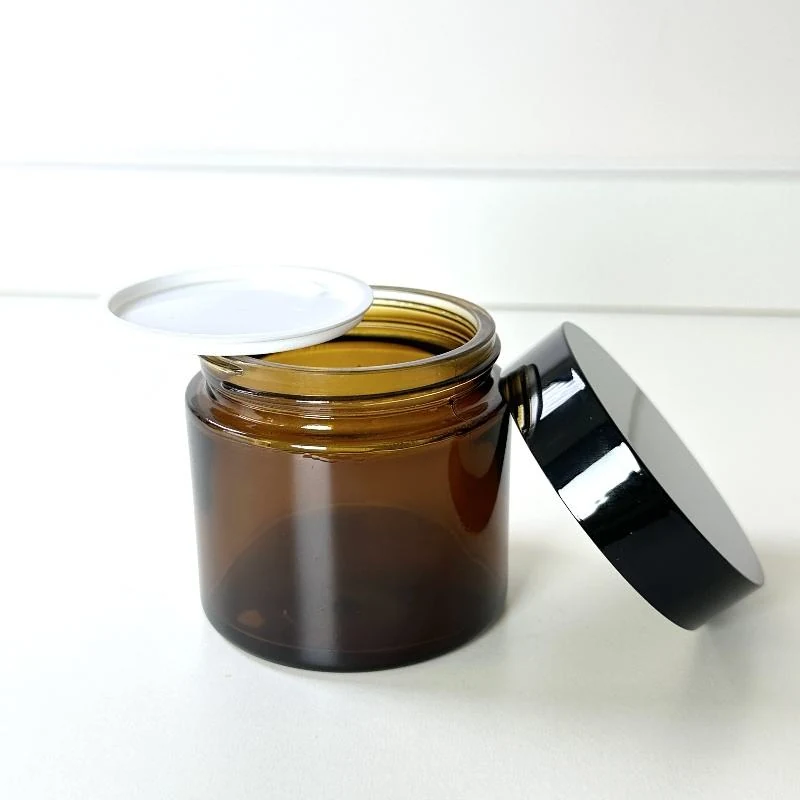
The exhibition takes place annually in the city of Den Bosch and attracts thousands of professionals from the packaging industry. Glass bottle manufacturers participate to display new bottle designs and sustainable packaging innovations.
Visitors include beverage companies, food brands, logistics firms, and packaging designers. The event also hosts seminars and workshops where experts discuss trends such as recyclable packaging, lightweight bottles, and circular economy practices.
BrauBeviale
BrauBeviale is a major beverage industry exhibition that also attracts many Dutch manufacturers and distributors. The show focuses on beverage production, packaging technologies, and brewing equipment. Glass bottle suppliers often attend to connect with breweries and beverage producers.
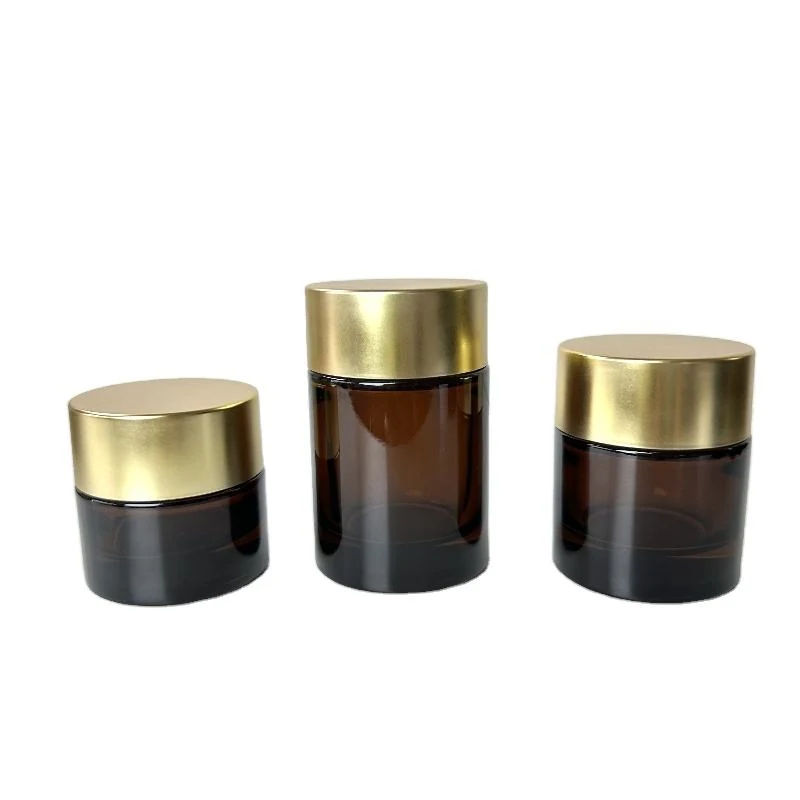
The exhibition usually takes place annually in Europe and gathers thousands of exhibitors and visitors from the global beverage industry. Dutch companies often participate because the event provides access to international beverage brands.
Glass packaging innovations often appear at the exhibition. Manufacturers present lightweight bottles, decorative finishes, and improved recycling systems that support sustainable beverage packaging.
Event Summary
| Event | Date | Location | Highlights |
|---|---|---|---|
| Empack Den Bosch | April | Den Bosch, Netherlands | Packaging technology and materials |
| BrauBeviale | November | Europe | Beverage packaging and brewing innovation |
Part 4: Impact of Global Trade Policies
Global trade policies influence the glass bottle manufacturing industry in many ways. Energy regulations, carbon emission rules, and international tariffs affect production costs and export strategies. Manufacturers must constantly adjust operations to stay competitive.
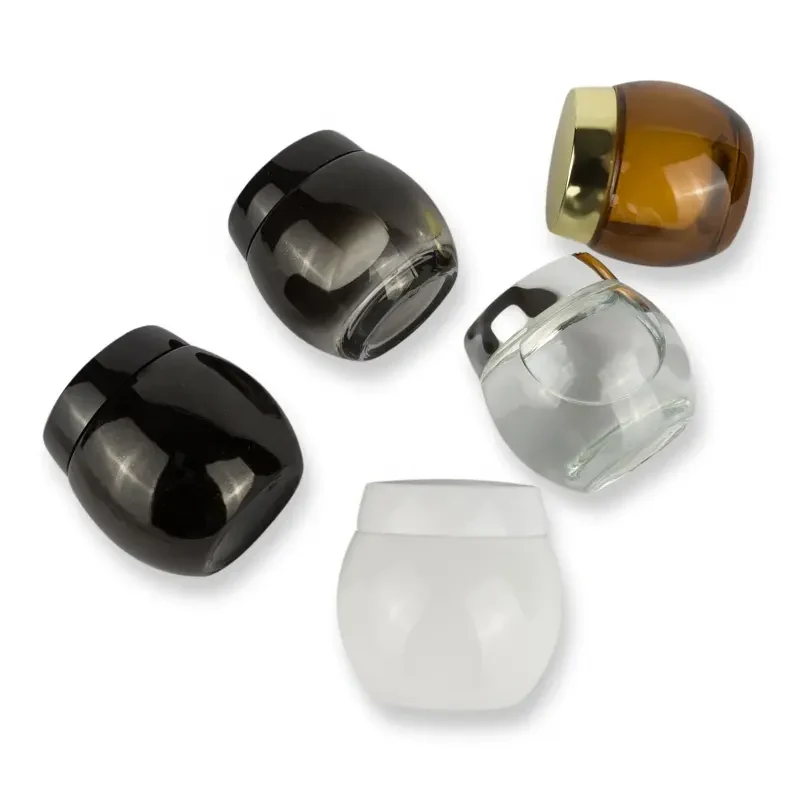
European environmental policies push companies to adopt cleaner production technologies. Many glass factories invest in electric furnaces, energy recovery systems, and improved recycling programs. These investments help reduce emissions and meet regulatory targets.
Trade agreements within the European Union create advantages for Dutch manufacturers. Because goods move freely across EU markets, glass bottles produced in the Netherlands can reach customers in neighboring countries without complex tariffs.
However, global supply chains also bring risks. Raw material prices, transportation disruptions, and energy market fluctuations can affect production stability. Manufacturers respond by diversifying suppliers and improving energy efficiency in their facilities.
Part 5: Conclusion
The glass bottle manufacturing sector in the Netherlands continues to grow as beverage and food brands expand across Europe. Glass packaging remains highly valued because it protects product quality while supporting recycling systems. Manufacturers that combine efficient production with sustainable practices are well positioned for long-term growth.
The industry also faces several challenges such as rising energy costs and strict environmental regulations. Companies must invest in modern technology and recycling infrastructure to remain competitive. Those that adapt quickly and maintain strong partnerships with beverage brands will continue to play an important role in the European packaging market.