Skip to content
Part 1: Market Size and Growth
Nigeria has one of the largest consumer markets in Africa, and that scale creates strong demand for packaging materials. Glass bottles remain an important packaging solution for beverages, pharmaceuticals, and food products because they protect product quality and support premium branding. As urban populations grow and consumer spending increases, the need for reliable packaging continues to rise.
The beverage sector is one of the strongest drivers of glass bottle demand. Nigeria has a large market for beer, soft drinks, malt beverages, and bottled water. Many of these products rely on glass bottles because glass preserves flavor and maintains carbonation. Breweries and beverage brands often prefer glass containers for returnable bottle systems, which help reduce packaging costs over time.

Food packaging also contributes to the growth of the glass container market. Products such as sauces, condiments, preserved foods, and cooking ingredients are frequently packaged in glass jars. Consumers often associate glass packaging with higher product quality and better hygiene. Because of this perception, many food brands choose glass containers to build consumer trust.
Government policies encouraging local manufacturing also influence the industry. Nigeria imports many industrial products, but there is growing interest in developing domestic manufacturing capacity. Local glass factories help reduce dependence on imported packaging while supporting employment and industrial development.
Recycling and sustainability have also started to influence packaging decisions. Glass is fully recyclable and can be reused many times without losing quality. Some Nigerian manufacturers are exploring glass recycling programs to reduce production costs and energy consumption. These initiatives also align with global sustainability trends in the packaging industry.
Part 2: Leading Companies
Nigeria’s glass bottle manufacturing industry is relatively concentrated, with a few major companies supplying large portions of the market. These manufacturers operate large furnaces and automated production lines capable of producing millions of bottles each day. Their customers include breweries, food companies, pharmaceutical firms, and beverage producers.
Beta Glass Plc
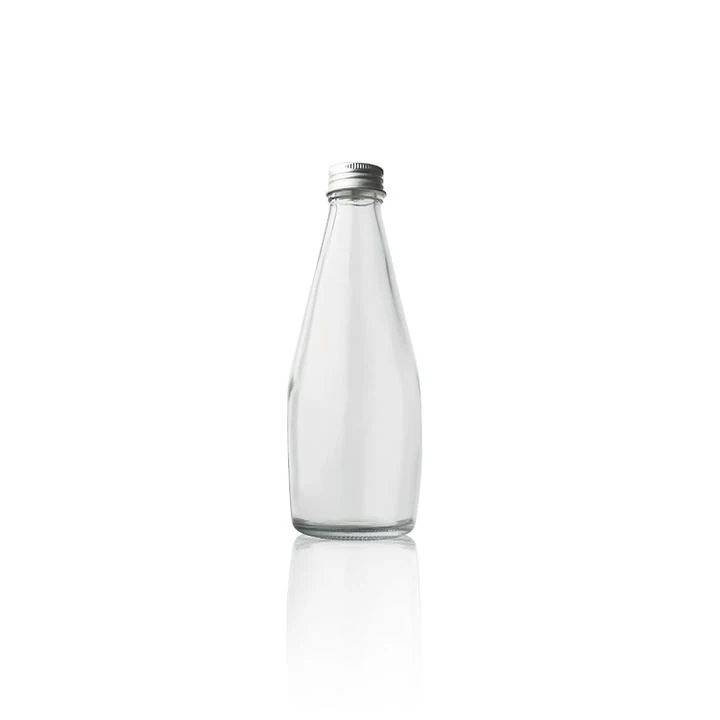
Beta Glass Plc is widely recognized as one of the leading glass container manufacturers in Nigeria. The company was established in the 1970s and has grown into a major supplier of glass packaging for several industries. Its production facilities supply bottles and jars to beverage, pharmaceutical, and food manufacturers across West Africa.
The company produces a wide range of glass containers, including beer bottles, soft drink bottles, pharmaceutical bottles, and food jars. These products are used by large beverage brands and consumer goods companies operating in Nigeria. Beta Glass focuses on large-scale production and high-volume supply, which helps major manufacturers maintain stable packaging availability.
Technology and production efficiency are key priorities for the company. Modern furnace systems and automated forming machines help maintain consistent bottle quality. These systems allow the company to produce bottles with precise dimensions, which is essential for automated filling lines used by beverage producers.
Another important area of focus is sustainability. Beta Glass invests in glass recycling and energy-efficient manufacturing processes. By reusing glass cullet and optimizing furnace operations, the company works to reduce energy consumption and environmental impact.
The company also emphasizes quality management systems and international production standards. Reliable quality control helps ensure that bottles meet strict safety and durability requirements, especially for pharmaceutical and beverage applications.
Frigoglass Industries Nigeria Limited

Frigoglass Industries Nigeria Limited is another important player in the Nigerian glass packaging market. The company operates as part of the international Frigoglass Group, which provides packaging and cooling solutions for beverage companies. Its Nigerian operations focus on glass container manufacturing for major beverage brands.
The company’s factory produces returnable glass bottles primarily used in the beer and soft drink industries. Returnable bottle systems are widely used in Nigeria because they help reduce packaging costs and support recycling practices. Beverage companies collect empty bottles, clean them, and refill them multiple times before recycling the glass.
Frigoglass invests in advanced glass forming technology and automated inspection systems. These systems help detect defects during production and ensure consistent bottle quality. High-quality bottles are critical for beverage producers because bottles must withstand filling pressure and transportation stress.
Another strength of the company is its connection with international beverage brands. By working closely with global beverage companies, Frigoglass gains experience in meeting international packaging standards. This experience helps the company maintain strong relationships with large multinational customers.
The company also focuses on sustainability and resource efficiency. Glass recycling programs and energy optimization help reduce production costs while supporting environmentally responsible manufacturing practices.
Nigerian Foundries and Glass Manufacturing Companies (Regional Producers)
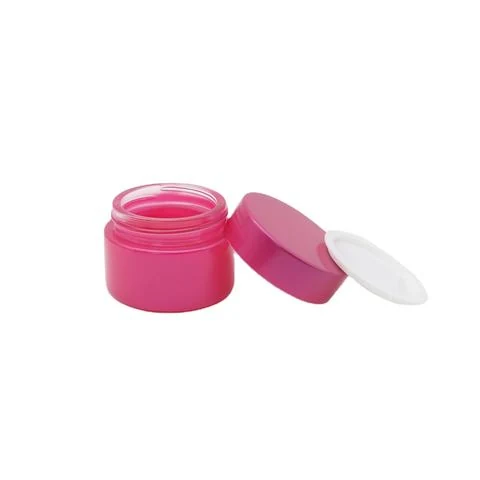
In addition to large industrial manufacturers, Nigeria also has several smaller glass and packaging producers that contribute to the local supply chain. These companies often focus on specialized packaging or smaller production volumes. They support regional food producers, pharmaceutical firms, and niche beverage brands.
Some of these companies produce glass jars for food products such as sauces, spices, and preserved foods. Others manufacture pharmaceutical bottles used by local medicine manufacturers. Although their production capacity is smaller than large factories, these companies play an important role in serving local markets.
Smaller manufacturers often emphasize flexibility and customization. They may offer short production runs or specialized bottle shapes designed for local brands. This flexibility allows them to work with small and medium-sized businesses that require customized packaging solutions.
Many of these regional producers are gradually upgrading their equipment and production processes. Investments in new forming machines and quality inspection systems help improve product consistency. These improvements allow smaller manufacturers to compete more effectively in the growing packaging market.
| Company | Founded | Core Products | Industries | Certifications |
|---|---|---|---|---|
| Beta Glass Plc | 1974 | Beer bottles, food jars, pharmaceutical containers | Beverage, food, pharma | ISO quality management |
| Frigoglass Industries Nigeria | 1990s operations | Returnable beverage bottles | Beer, soft drinks | International beverage standards |
| Regional Glass Producers | Various | Glass jars, specialty bottles | Food, pharma, local beverages | Local industry certifications |
Part 3: Trade Shows and Industry Events
Trade exhibitions provide an important platform for packaging manufacturers in Nigeria. These events allow suppliers, distributors, and brand owners to explore new packaging technologies and materials. For glass bottle manufacturers, exhibitions offer a chance to present new bottle designs and connect with potential customers.
Propak West Africa
Propak West Africa is one of the most influential packaging and processing exhibitions in the region. The event takes place in Lagos and attracts companies involved in packaging, manufacturing, and industrial processing. Glass container manufacturers use the exhibition to showcase bottle designs, production technologies, and packaging solutions.
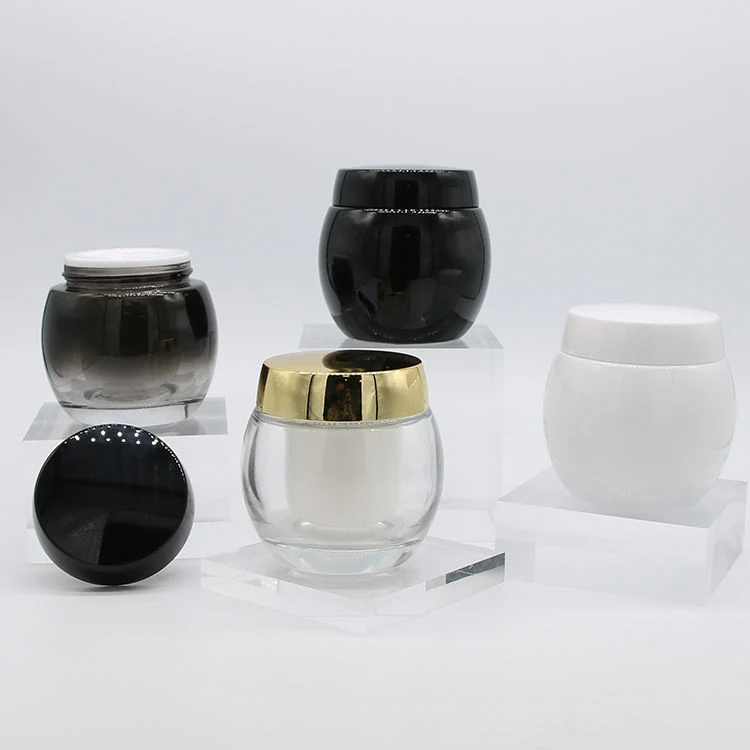
The exhibition brings together international equipment suppliers, packaging companies, and local manufacturers. Visitors include food producers, beverage companies, pharmaceutical firms, and logistics providers. This diverse audience creates valuable networking opportunities for packaging suppliers.
One highlight of Propak West Africa is the focus on industrial innovation. Exhibitors present new packaging machinery, automation technologies, and sustainable packaging materials. These discussions help manufacturers understand emerging trends in the packaging sector.
The event also hosts conferences and technical seminars that explore industry challenges. Topics such as supply chain efficiency, sustainability, and packaging regulations are commonly discussed.
Agrofood Nigeria
Agrofood Nigeria is another major industry event that connects food production with packaging technology. The exhibition focuses on the entire food supply chain, including processing equipment, ingredients, and packaging solutions. Glass bottle manufacturers attend the event to connect with food and beverage producers seeking reliable packaging suppliers.
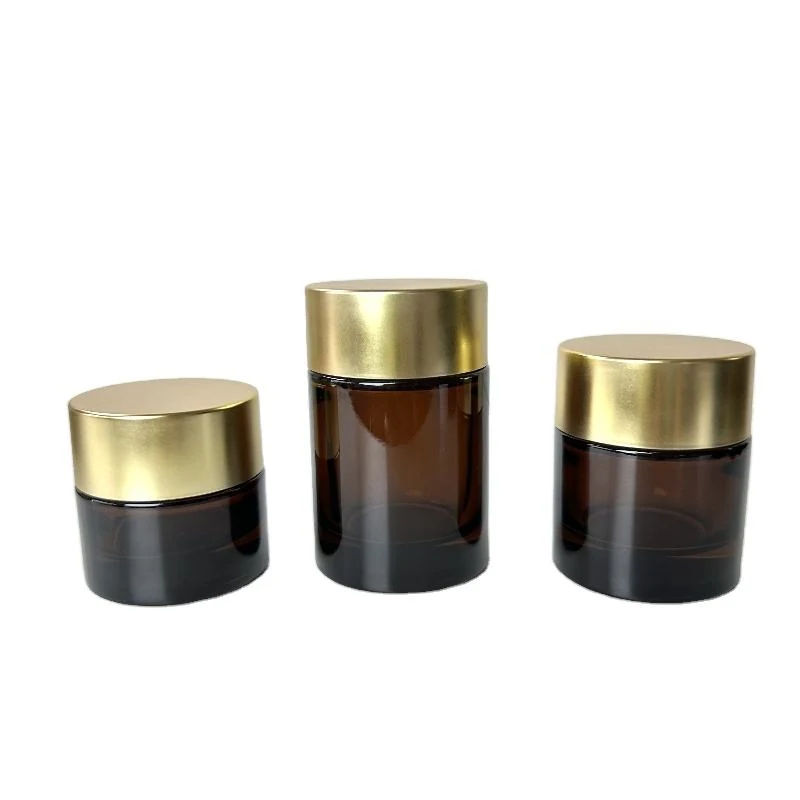
The event takes place annually in Lagos and attracts both domestic and international companies. Food manufacturers, distributors, and retail businesses attend the exhibition to discover new suppliers and technologies.
Packaging companies play an important role in the event because food producers constantly search for better packaging solutions. Glass bottles and jars are often highlighted for their safety, durability, and ability to preserve product quality.
The exhibition also provides insight into consumer trends in the Nigerian food market. Understanding these trends helps packaging manufacturers develop containers that meet the needs of local brands.
| Event | Date | Location | Highlights |
|---|---|---|---|
| Propak West Africa | Annual | Lagos, Nigeria | Largest packaging and processing exhibition in West Africa |
| Agrofood Nigeria | Annual | Lagos, Nigeria | Major food production and packaging industry event |
Part 4: Impact of Global Trade Policies
Global trade policies have a noticeable impact on Nigeria’s glass bottle manufacturing sector. Many raw materials, production machines, and spare parts are imported from international suppliers. Changes in import regulations, tariffs, and currency exchange rates can influence production costs for local manufacturers.
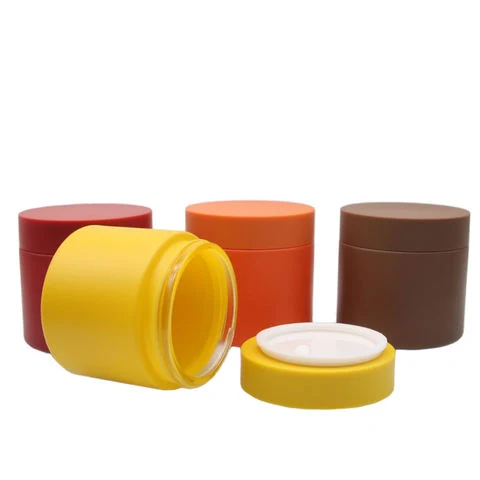
Currency fluctuations often affect manufacturing operations. When the national currency weakens, imported machinery and materials become more expensive. This situation can increase the cost of upgrading production equipment or expanding factory capacity.
At the same time, trade policies that encourage local manufacturing create opportunities for domestic producers. Import restrictions on finished packaging products can help protect local manufacturers from foreign competition. This protection allows domestic companies to supply more bottles to local beverage and food producers.
Regional trade agreements within Africa also create potential growth opportunities. As logistics networks improve across West Africa, Nigerian manufacturers may increase exports to neighboring countries. Access to regional markets can help factories expand production and improve economies of scale.
However, manufacturers must also manage energy costs, transportation challenges, and infrastructure limitations. Reliable electricity and efficient logistics are essential for large-scale glass production. Companies that invest in energy management and supply chain optimization will likely maintain stronger competitiveness in the long term.
Part 5: Conclusion
Nigeria’s glass bottle manufacturing industry plays a crucial role in supporting the country’s beverage, food, and pharmaceutical sectors. Strong domestic demand ensures that glass packaging remains an important part of the industrial supply chain. Major manufacturers continue to invest in modern production technology and sustainable manufacturing practices.
At the same time, the industry must navigate challenges such as energy costs, currency fluctuations, and infrastructure limitations. Companies that focus on efficiency, recycling, and reliable supply will remain competitive in the growing packaging market. As Nigeria’s consumer economy expands, demand for high-quality glass bottles is likely to continue rising across multiple industries.