Skip to content
Part 1: Market Size and Growth
Pakistan has a developing but increasingly important glass packaging industry. The demand for glass bottles mainly comes from beverages, pharmaceuticals, food processing, and cosmetics. Glass containers remain popular because they provide strong protection, chemical stability, and a premium appearance for packaged products.
Beverage producers represent the largest consumers of glass bottles in Pakistan. Soft drinks, juices, traditional beverages, and energy drinks frequently rely on glass packaging. Pharmaceutical companies also create strong demand because glass bottles offer safe storage for medicines and syrups.
Government industrial policies and regional manufacturing hubs influence the growth of this sector. Industrial zones around Karachi, Lahore, and Islamabad host most glass factories. These locations provide access to logistics networks, raw materials, and major consumer markets.
Development of the Glass Container Industry in Pakistan
Pakistan’s glass manufacturing industry has evolved steadily over several decades. Early production focused mainly on simple containers for food and pharmaceuticals. Over time, factories adopted more advanced forming machines and furnace technologies.
Today, the industry produces a wide range of glass containers. Manufacturers supply bottles for beverages, pharmaceutical products, cosmetics, and food packaging. The sector also produces specialty containers used in chemical and laboratory applications.
Domestic demand continues to grow as Pakistan’s population increases. More consumers purchase packaged beverages and processed foods than in previous decades. This shift creates stable demand for glass packaging across multiple sectors.
Role of the Beverage Industry
The beverage industry remains the most important customer group for glass bottle manufacturers in Pakistan. Carbonated drinks, fruit juices, and flavored beverages require reliable packaging materials. Glass bottles help preserve flavor while maintaining product freshness.
Traditional beverage products also rely on glass containers. Many herbal drinks, syrups, and cultural beverages use glass bottles because they maintain product purity. Glass packaging also improves product presentation in retail markets.
Craft beverage brands have also started to appear in major cities. Small beverage startups often prefer glass packaging because it gives their products a more premium image. This trend creates new opportunities for glass bottle manufacturers.
Pharmaceutical Packaging Demand
Pakistan has a strong pharmaceutical manufacturing sector. Many pharmaceutical companies require high-quality glass bottles for medicines and syrups. Glass provides excellent chemical resistance, which helps protect pharmaceutical formulations.
Manufacturers must follow strict quality standards when producing pharmaceutical containers. These bottles require consistent thickness, accurate shapes, and contamination-free surfaces. Advanced inspection systems therefore play an important role in the production process.
Pharmaceutical packaging also requires special amber glass bottles that protect medicines from light exposure. Many Pakistani manufacturers produce these specialized containers for domestic pharmaceutical companies.
Sustainability and Recycling Trends
Glass packaging supports sustainability goals because it can be recycled repeatedly without losing quality. Pakistan continues to develop recycling systems that collect used bottles and containers.
Recycled glass materials reduce energy consumption during production. When cullet is mixed into the melting process, furnaces require less heat to produce new bottles. Many manufacturers therefore incorporate recycled glass into their production lines.
Environmental awareness also influences consumer behavior. Many food and beverage companies highlight recyclable packaging as part of their sustainability strategy. This trend strengthens the long-term role of glass containers in Pakistan’s packaging industry.
Industry Segments
The Pakistani glass bottle market serves several key industries. Each sector has specific requirements related to bottle design and material properties.
| Sector | Typical Products | Market Characteristics |
|---|---|---|
| Beverage | Soft drinks, juices, syrups | Largest volume demand |
| Pharmaceutical | Medicine bottles, syrups | Strict quality standards |
| Food | Sauces, oils, condiments | Stable domestic demand |
| Cosmetics | Perfume, skincare | Premium packaging needs |
Beverage and pharmaceutical sectors together represent the majority of glass container consumption. Food and cosmetics markets provide additional growth opportunities for packaging manufacturers.
Production Technology and Industrial Development
Glass bottle manufacturing requires high-temperature furnaces and automated forming equipment. Many Pakistani factories operate continuous furnaces that melt raw materials into molten glass.
The molten glass is then shaped into bottles using molding machines. These machines form bottles through controlled processes that ensure uniform shape and wall thickness. Precision in this stage is essential to maintain packaging quality.
Inspection technology plays a crucial role in modern production lines. Automated systems detect defects such as cracks, air bubbles, or uneven glass thickness. These systems help ensure that bottles meet safety and packaging standards.
Manufacturers also invest in energy-efficient furnace technology. Since glass production consumes large amounts of energy, improving furnace efficiency reduces production costs and environmental impact.
Part 2: Leading Companies
Tariq Glass Industries Ltd.
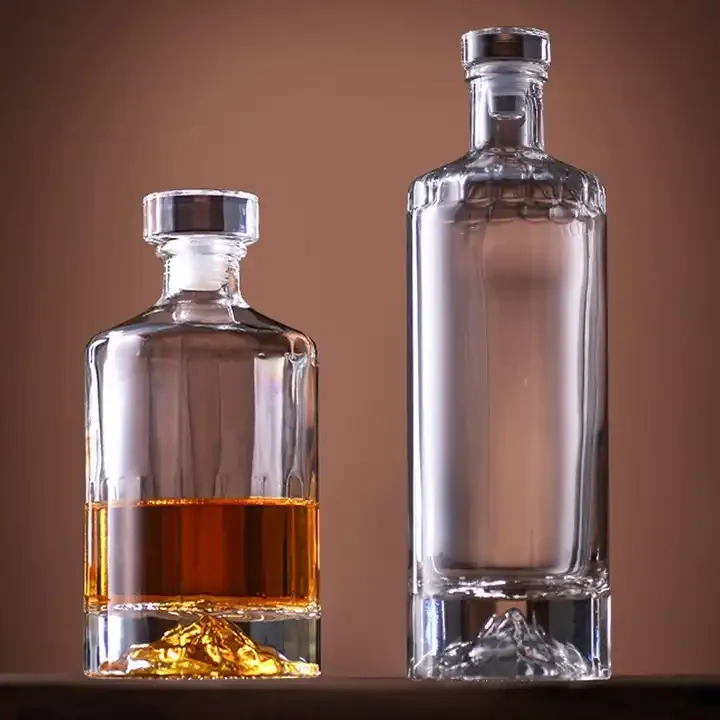
Tariq Glass Industries Ltd. is one of the most recognized glass manufacturers in Pakistan. The company was founded in 1980 and gradually developed into a major producer of glass tableware and container glass. Its production facilities combine modern manufacturing equipment with large-scale industrial capacity.
The company manufactures glass bottles, jars, and household glassware products. Its container glass division supplies packaging for beverages, food products, and consumer goods industries. Advanced production lines allow the company to maintain consistent quality across high production volumes.
Tariq Glass Industries also focuses on product innovation and design development. Engineers and designers collaborate to create durable and visually appealing glass containers for various industries.
The company serves beverage producers, packaged food companies, and household consumer markets. Its manufacturing operations also support export activities to several international markets.
Tariq Glass Industries has received several quality management certifications and manufacturing recognitions. These achievements highlight the company’s commitment to reliable production and high product standards.
Ghani Glass Limited
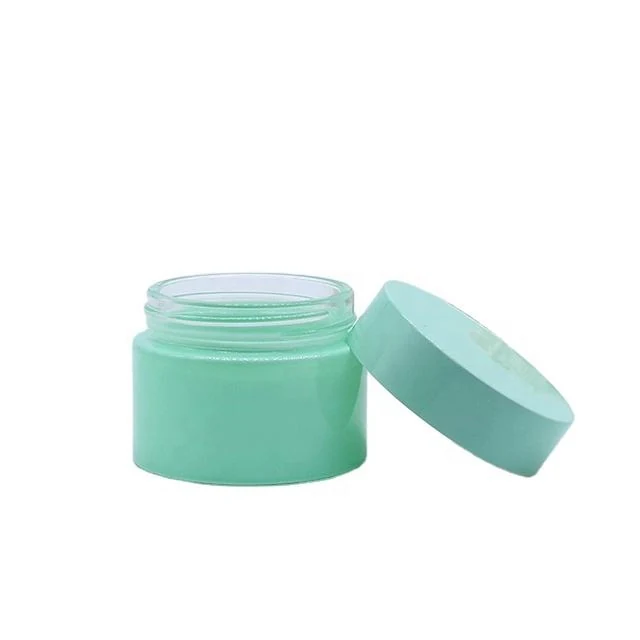
Ghani Glass Limited represents another major player in Pakistan’s glass manufacturing sector. The company was established in 1992 and expanded into multiple glass production segments. It operates one of the largest glass container manufacturing facilities in the country.
The company produces glass bottles and containers for beverages, pharmaceuticals, and food products. Its manufacturing facilities include modern furnaces, automated forming machines, and inspection systems.
Ghani Glass supplies packaging solutions to many domestic beverage brands and pharmaceutical manufacturers. These industries rely on stable bottle supply to support large-scale production.
The company also invests in research and development activities that improve glass quality and manufacturing efficiency. New bottle designs and material improvements help meet changing market requirements.
Ghani Glass serves industries including beverage production, pharmaceutical manufacturing, and packaged food processing. The company has received several international quality and environmental certifications.
Balochistan Glass Limited
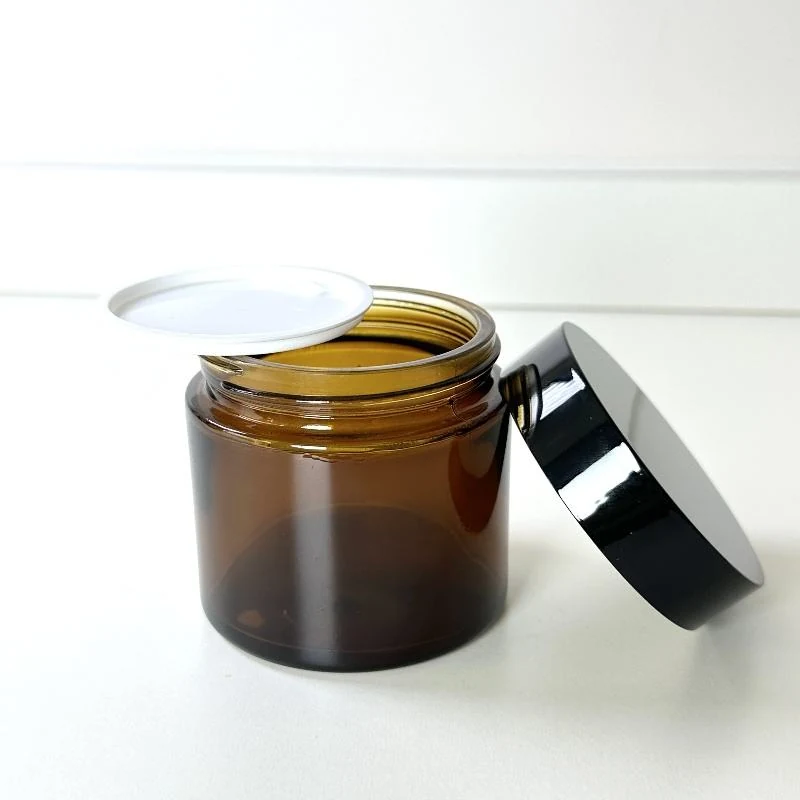
Balochistan Glass Limited is another established glass container manufacturer in Pakistan. The company began operations in the 1980s and developed a strong reputation in container glass production. Its factories supply bottles to beverage producers, pharmaceutical companies, and food packaging industries.
The company produces glass bottles, jars, and pharmaceutical containers. Its manufacturing facilities use automated forming equipment and inspection systems that help maintain stable production quality.
Balochistan Glass works closely with beverage companies and pharmaceutical manufacturers that require reliable packaging solutions. The company offers bottle designs suited for different industrial applications.
Its product portfolio includes amber pharmaceutical bottles, beverage containers, and food packaging jars. These products serve both domestic markets and export opportunities.
Balochistan Glass follows industrial quality standards and manufacturing regulations required for packaging production. These certifications help maintain trust with pharmaceutical and beverage companies.
Company Comparison
| Company | Founded | Core Products | Industries | Certifications |
|---|---|---|---|---|
| Tariq Glass Industries Ltd. | 1980 | Glass bottles, jars, tableware | Beverage, food | ISO quality standards |
| Ghani Glass Limited | 1992 | Container glass, pharmaceutical bottles | Beverage, pharmaceutical | International quality certifications |
| Balochistan Glass Limited | 1980s | Glass bottles, jars | Beverage, pharmaceutical | Industrial manufacturing certifications |
Part 3: Trade Shows and Industry Events
Pakistan Food & Beverage Expo
The Pakistan Food & Beverage Expo represents one of the most important trade events for food processing and beverage industries in the country. The exhibition brings together manufacturers, packaging suppliers, and distributors. Glass bottle manufacturers attend the event to connect with beverage companies and packaged food brands.
The exhibition usually takes place in major cities such as Karachi or Lahore. It attracts industry professionals including beverage producers, food processors, and packaging suppliers.
The event highlights new processing equipment, packaging technologies, and sustainable packaging materials. Glass container manufacturers often display new bottle designs and packaging innovations during the exhibition.
Pharma Asia International Exhibition
Pharma Asia International Exhibition focuses on pharmaceutical manufacturing and medical technologies. The event gathers pharmaceutical companies, equipment suppliers, and packaging manufacturers. Glass bottle producers participate to present pharmaceutical packaging solutions.
The exhibition typically takes place in Karachi and attracts pharmaceutical industry professionals from across South Asia. Participants include medicine manufacturers, laboratory suppliers, and packaging companies.
Glass container manufacturers present specialized pharmaceutical bottles during the exhibition. Amber glass bottles and laboratory containers are common products displayed at the event.
Trade Show Overview
| Event | Date | Location | Highlights |
|---|---|---|---|
| Pakistan Food & Beverage Expo | Annual | Karachi / Lahore | Food processing and packaging |
| Pharma Asia International Exhibition | Annual | Karachi | Pharmaceutical industry technology |
Part 4: Impact of Global Trade Policies
Global trade policies influence Pakistan’s glass bottle manufacturing industry in several ways. Import duties on raw materials and manufacturing equipment can affect production costs. Glass manufacturing depends heavily on raw materials such as silica sand, soda ash, and limestone.
Energy prices also have a strong impact on the industry. Glass furnaces operate continuously and require large amounts of fuel or electricity. Changes in energy prices therefore directly influence manufacturing expenses.
International trade relationships affect export opportunities as well. Pakistani manufacturers sometimes export glass containers to neighboring countries and regional markets.
Supply chain disruptions can also influence raw material availability and logistics costs. Manufacturers must maintain stable procurement networks to avoid production interruptions.
Local substitution trends also support domestic manufacturers. Beverage companies often prefer local bottle suppliers because transportation costs for glass containers can be high. Shorter supply chains also reduce delivery risks.
Part 5: Conclusion
Pakistan’s glass bottle manufacturing industry continues to grow alongside the country’s beverage, pharmaceutical, and food sectors. Expanding consumer demand for packaged goods supports steady growth in glass container production. Glass packaging remains widely trusted because it protects product quality and provides strong environmental advantages.
At the same time, manufacturers face challenges including rising energy costs, supply chain uncertainties, and international competition. Companies that invest in modern production technology and sustainable manufacturing practices will maintain stronger market positions. With continued industrial development, Pakistan’s glass bottle industry is expected to remain an important part of the country’s packaging sector.