Skip to content
Part 1: Market Size and Growth
Portugal has developed a strong reputation in the European glass packaging industry, especially in the production of glass bottles for wine, spirits, and food products. The country’s long history in winemaking has played a major role in shaping the glass bottle manufacturing sector. Wine producers require reliable glass packaging to preserve flavor and ensure product stability during storage and export.
Demand for glass bottles in Portugal remains stable due to the strength of the beverage industry. Portugal exports large quantities of wine, olive oil, and specialty food products each year. Glass packaging is widely preferred because it protects product quality while also communicating authenticity and tradition to consumers.
The country’s strategic location on the Atlantic coast also supports international trade. Portuguese glass bottle manufacturers supply packaging to markets across Europe, Africa, and the Americas. Modern production facilities and strong logistics networks allow companies to export glass containers efficiently to global beverage and food brands.
Historical Development of the Glass Industry
Portugal’s glass manufacturing history dates back several centuries. Traditional glassmaking workshops originally served local wine producers and domestic markets. Over time, technological development and industrial expansion transformed the sector into a modern packaging industry.
Large glass factories began appearing in the twentieth century as beverage production increased. Wine exporters required standardized bottles that could protect products during international shipping. This demand encouraged investment in modern glass furnaces and automated forming technology.
Today, the industry combines traditional craftsmanship with modern engineering. Portuguese manufacturers produce both standard bottles and custom-designed packaging for premium brands.
Key Industries Driving Bottle Demand
The wine industry remains the most important driver of glass bottle demand in Portugal. The country produces several well-known wine varieties that are exported worldwide. Wine bottles must meet strict standards related to durability, clarity, and sealing performance.
Spirits and craft beverage producers also contribute to glass bottle consumption. Distilleries producing brandy, gin, and other spirits often rely on decorative glass bottles to differentiate their products in competitive markets.
The olive oil industry represents another significant source of demand. Premium olive oil brands often choose dark glass bottles to protect the oil from light exposure and maintain product freshness.
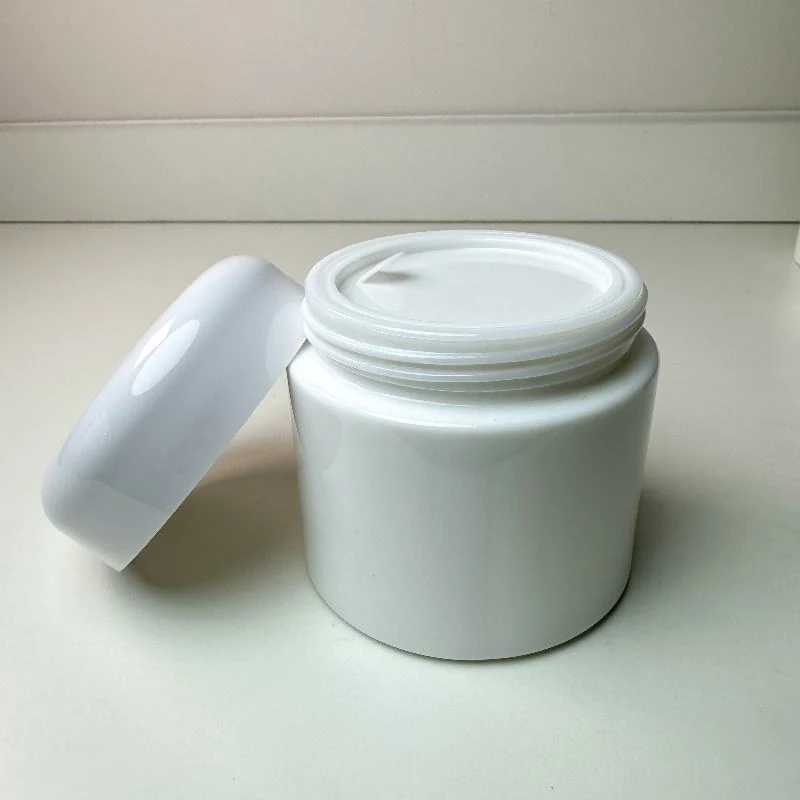
Food packaging also plays a role in the market. Glass jars are commonly used for honey, sauces, fruit preserves, and gourmet food products that target premium consumers.
Sustainability and Recycling Initiatives
Sustainability has become an important focus for the glass packaging industry in Portugal. Glass bottles are widely recognized as environmentally friendly packaging because they can be recycled repeatedly without losing quality.
Portugal operates national glass recycling programs that collect used bottles from households and businesses. These bottles are sorted, cleaned, and processed into cullet that can be reused in glass manufacturing.
Many Portuguese glass manufacturers incorporate recycled glass into their production processes. This approach reduces the need for raw materials and lowers energy consumption during melting.
Manufacturers also invest in energy-efficient furnace technology. Modern furnaces reduce fuel consumption and improve emission control, helping companies meet strict European environmental standards.
These sustainability efforts support Portugal’s position as a responsible producer within the European packaging industry.
Part 2: Leading Companies
BA Glass
BA Glass is one of the largest glass container manufacturers in Europe and a major player in Portugal’s glass packaging sector. The company operates several production facilities across Europe, including significant operations in Portugal. Its large manufacturing capacity allows it to supply glass bottles and jars to beverage and food industries worldwide.
The company produces a wide range of glass packaging products including wine bottles, beer bottles, spirits bottles, and food jars. Automated production lines and advanced inspection systems help maintain high levels of quality and consistency.
BA Glass supplies packaging to industries such as wine, beer, spirits, and food processing. Many international beverage brands rely on the company’s containers for large-scale production.
The company also emphasizes sustainability and energy efficiency. Its facilities incorporate recycled glass and modern furnace technology to reduce environmental impact.
Vidrala Group (Portugal Operations)
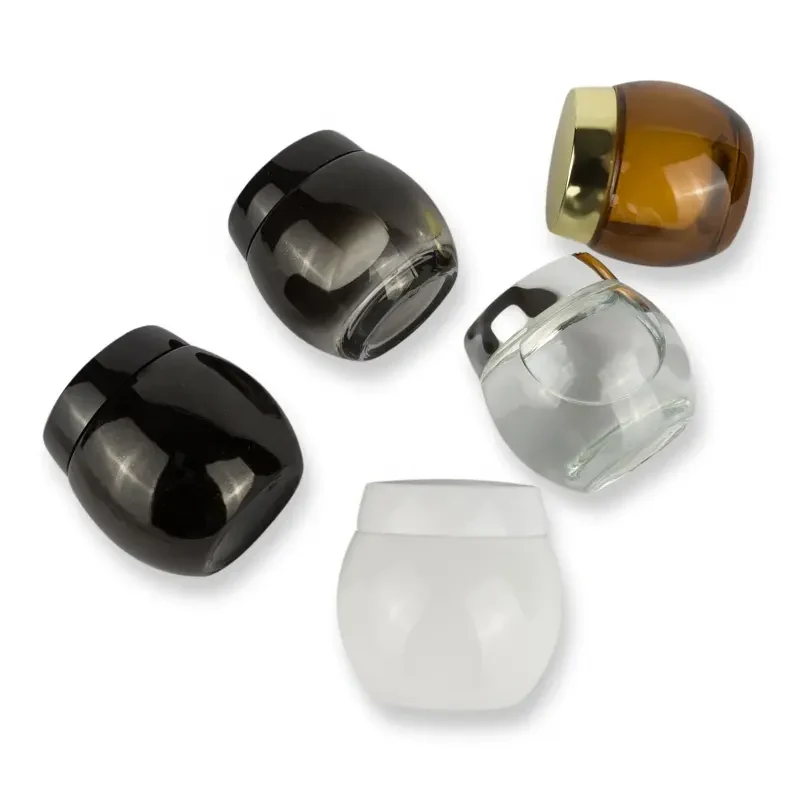
Vidrala Group is an international glass packaging manufacturer with production facilities in several European countries, including Portugal. The company focuses on producing high-quality glass containers for beverage and food brands. Its Portuguese operations support regional wine producers and export markets across Europe.
The company manufactures glass bottles used for wine, beer, spirits, and non-alcoholic beverages. It also produces glass jars for food packaging applications.
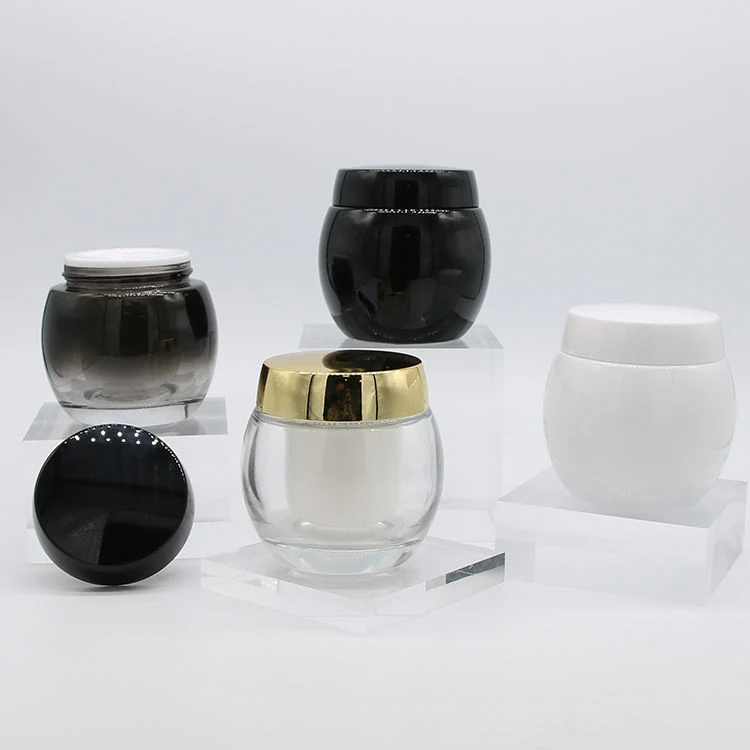
Vidrala works closely with beverage brands to develop customized bottle designs that enhance brand identity. These designs often include unique shapes, embossed logos, and decorative finishes.
The company has received numerous certifications related to quality management, environmental performance, and sustainable manufacturing practices.
Santos Barosa Glass
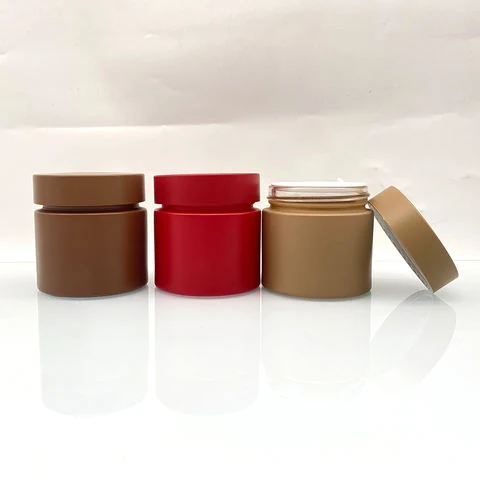
Santos Barosa Glass is a well-known Portuguese glass container manufacturer with a long history in the industry. The company has developed strong expertise in producing glass bottles for wine and beverage markets. Its production facilities focus on delivering high-quality containers that meet the needs of both domestic wineries and international customers.
The company manufactures glass bottles for wine, spirits, beer, and other beverages. It also produces specialty containers designed for premium packaging applications.
Santos Barosa Glass serves industries including wine production, beverage manufacturing, and food packaging. Many wineries rely on the company’s bottles to package products destined for export markets.
| The company emphasizes innovation and efficiency in its manufacturing processes. Modern equipment and quality inspection systems help ensure consistent bottle strength and clarity. | Company | Founded | Core Products | Industries | Certifications |
|---|---|---|---|---|---|
| BA Glass | 1970s | Wine bottles, beer bottles, food jars | Beverage, food | ISO quality and environmental standards | |
| Vidrala Group | 1965 | Beverage bottles, food containers | Beverage, food | International sustainability certifications | |
| Santos Barosa Glass | 1889 | Wine bottles, spirits bottles | Wine, beverage | Quality and environmental certifications |
Part 3: Trade Shows and Industry Events
Packaging Première & PCD Milan
Packaging Première & PCD Milan is a major European exhibition dedicated to luxury and premium packaging solutions. Portuguese glass bottle manufacturers often participate in this event to showcase decorative bottle designs and high-end packaging concepts. The exhibition focuses on packaging used in cosmetics, luxury beverages, and premium consumer products.
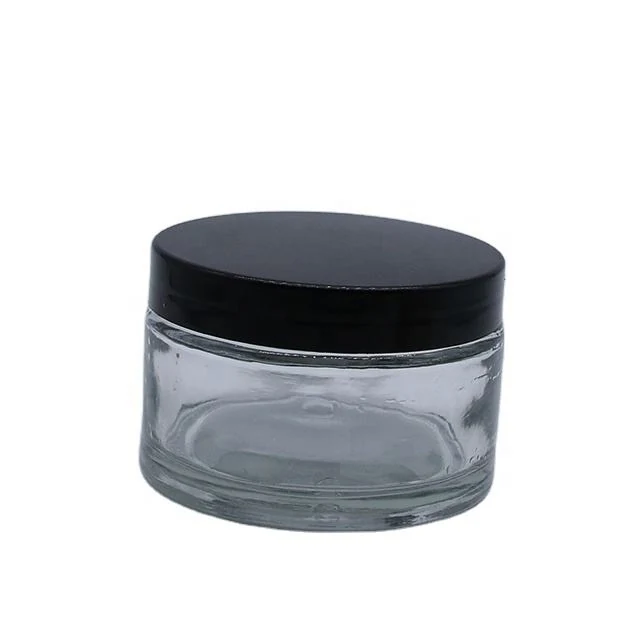
The event takes place annually in Milan and attracts packaging designers, brand owners, and manufacturers from across Europe. Many Portuguese companies attend to present new glass bottle designs aimed at premium wine and spirits brands.
A key highlight of the exhibition is design innovation. Companies display bottles with unique shapes, embossing, and decorative finishes that enhance brand identity.
Industry discussions and presentations also explore trends in sustainable packaging and premium product presentation.
SIMEI International Enological Exhibition
SIMEI is one of the world’s most important trade fairs dedicated to wine technology and equipment. The event attracts wineries, packaging suppliers, and equipment manufacturers from around the globe. Glass bottle manufacturers attend to connect with wine producers and showcase bottle designs tailored for the wine industry.

The exhibition takes place in Milan and is held every two years. Thousands of industry professionals attend to explore innovations in winemaking technology and packaging solutions.
A major highlight of the event is its focus on wine packaging. Glass bottle suppliers present new bottle shapes, improved glass strength, and decorative finishes designed for premium wines.
| The event also includes conferences and technical sessions that explore trends in wine production, sustainability, and packaging efficiency. | Event | Date | Location | Highlights |
|---|---|---|---|---|
| Packaging Première & PCD Milan | Annual | Milan, Italy | Luxury packaging and design innovation | |
| SIMEI International Enological Exhibition | Biennial | Milan, Italy | Wine technology and packaging solutions |
Part 4: Impact of Global Trade Policies
Global trade policies influence the glass bottle industry in Portugal, particularly because many beverage products are exported worldwide. Export tariffs, trade agreements, and packaging regulations all affect how glass bottles move through international supply chains. Manufacturers must follow strict European Union standards related to packaging safety and environmental sustainability.
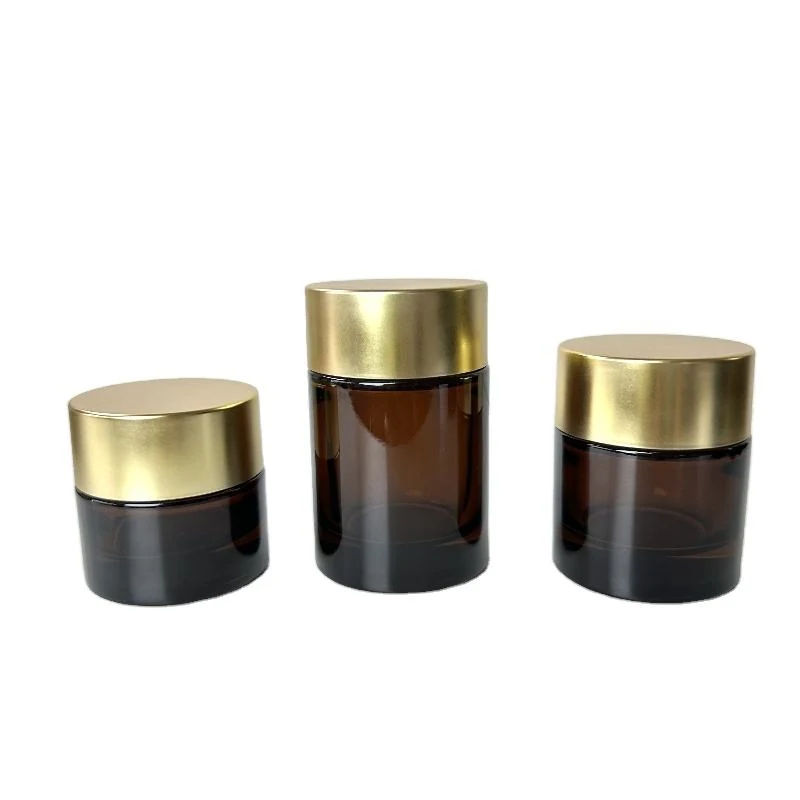
European Union policies strongly encourage the use of recyclable packaging materials. Glass bottles benefit from these policies because they fit well within circular economy systems and recycling programs.
Energy policy also plays a significant role in glass manufacturing. Glass furnaces require continuous high-temperature operation, which means energy costs directly affect production expenses.
Global competition also influences the market. Glass manufacturers from Asia and Eastern Europe compete in international packaging markets by offering lower production costs.
Portuguese companies respond by focusing on quality, design flexibility, and strong relationships with beverage producers. These strategies help them maintain a strong position within the European packaging industry.
Part 5: Conclusion
Portugal’s glass bottle manufacturing industry continues to grow alongside the country’s strong wine and food export sectors. Glass packaging remains essential for preserving product quality and enhancing brand value. Portuguese manufacturers combine modern production technology with long-standing expertise in beverage packaging.
At the same time, the industry must adapt to global competition and rising energy costs. Companies that invest in sustainability, innovation, and efficient manufacturing will continue to strengthen Portugal’s position in the international glass packaging market.