Skip to content
Part 1: Market Size and Growth
The glass bottle industry in Russia has a long industrial history. Many factories began during the Soviet era and later modernized their production lines. Glass remains one of the most trusted packaging materials for beverages, food, and pharmaceuticals. Because of this, Russian manufacturers continue to invest in automation and furnace upgrades.
The market is driven by strong demand from beer, vodka, and food packaging sectors. Russia has one of the largest beverage markets in Eastern Europe. Beer, mineral water, and spirits rely heavily on glass bottles because glass protects flavor and supports premium branding. Food companies also prefer glass for sauces, baby food, and preserved products.
Government policy and industrial investment also shape the industry. Russia encourages local production and reduces dependence on imported packaging materials. Regional industrial clusters in areas such as Moscow, Tatarstan, and the Volga region support glass manufacturing through logistics networks and energy infrastructure. These factors help manufacturers maintain stable production capacity and supply.
Part 2: Leading Companies
Russia has several major glass bottle manufacturers that serve domestic and international beverage brands. Many of these companies operate multiple factories and supply large breweries, distilleries, and food producers. Their focus is on large-scale automated production, energy efficiency, and consistent bottle quality.
Vetropack Gostomel / Vetropack Russia
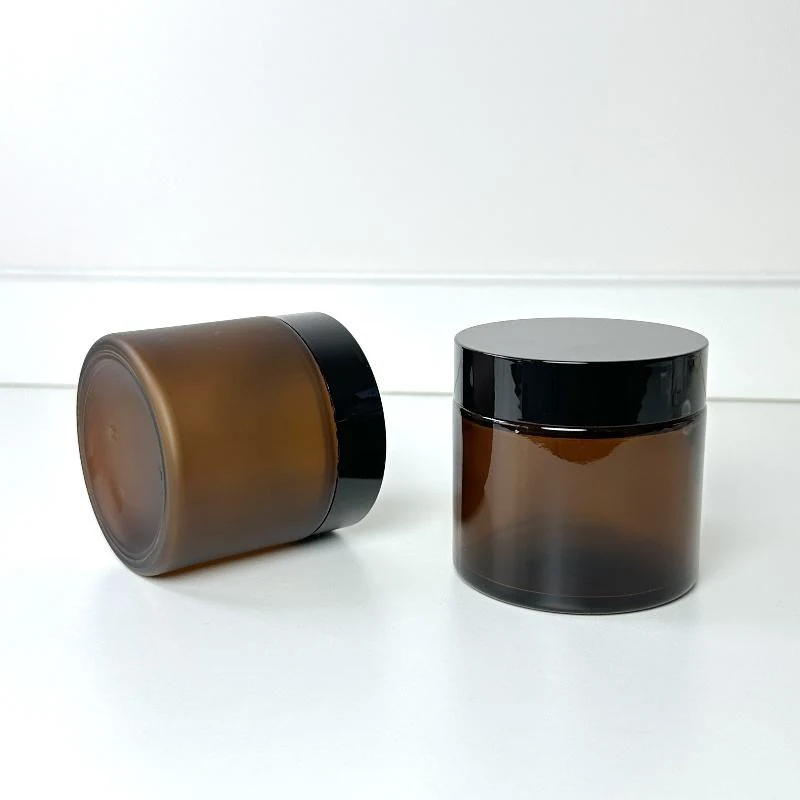
Vetropack Russia operates as part of the international Vetropack Group, a well-known European glass packaging manufacturer. The company expanded into Eastern Europe to serve beverage companies that require consistent bottle supply. Its Russian facilities use modern furnace technology and automated quality inspection systems.
The company produces bottles for beer, soft drinks, mineral water, and spirits. Many large beverage brands rely on its production because the company focuses on stable quality and reliable logistics. Vetropack also develops lightweight bottles to reduce transportation costs and environmental impact.
Its technical strengths include precision molding and advanced glass melting systems. The company often works closely with beverage brands to design custom bottle shapes that support brand identity. Vetropack facilities also follow international quality standards and environmental management certifications.
Ruscam Glass
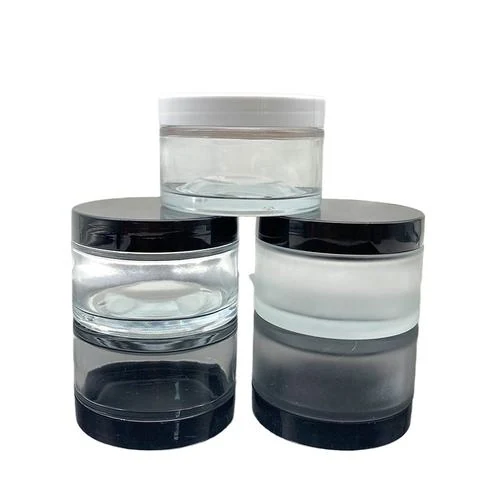
Ruscam Glass is one of the largest glass container manufacturers in Russia. The company operates several production plants and serves both domestic beverage producers and international brands operating in Russia. Its production network allows large-scale supply of beer bottles and beverage containers.
The company focuses heavily on beer bottle manufacturing because Russia has a strong beer market. Ruscam also produces bottles for soft drinks, water, and food packaging. Its factories use high-speed forming machines that support mass production with stable quality.
Ruscam invests in energy-efficient furnaces and recycling systems. Glass cullet recycling plays an important role in reducing production costs and energy use. The company also participates in sustainability initiatives related to packaging waste reduction.
Glass Décor
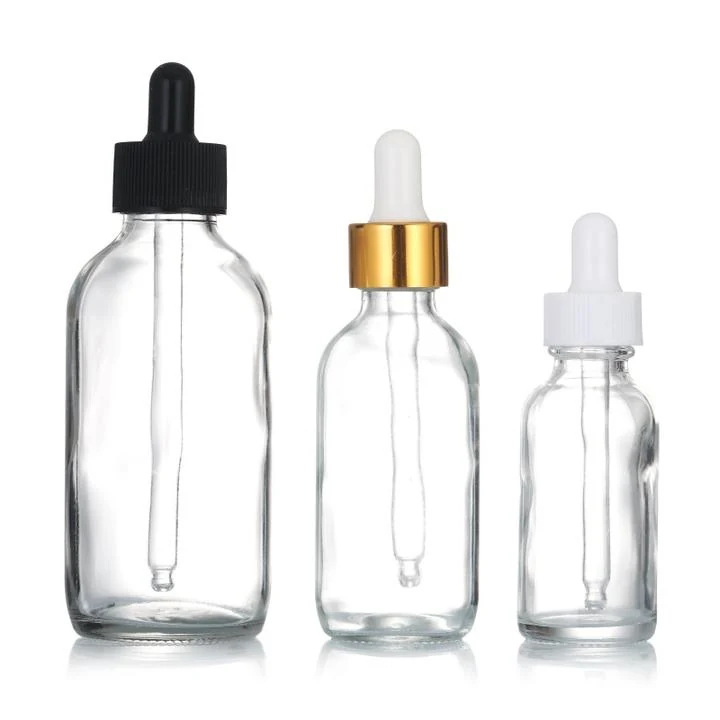
Glass Décor is a Russian manufacturer that focuses on premium glass bottles and decorative packaging. The company is known for producing bottles used in vodka, whiskey, and other spirits packaging. Its strength lies in decorative techniques that enhance brand image.
The company provides services such as bottle decoration, screen printing, coating, and embossing. Many alcohol brands choose these services because packaging design strongly influences consumer perception in the spirits market. Glass Décor combines manufacturing with design customization.
The company also works with perfume and cosmetic brands. These industries require small-batch production and complex bottle shapes. Glass Décor’s production lines support detailed finishing processes that help brands create distinctive packaging.
Kavminsteklo
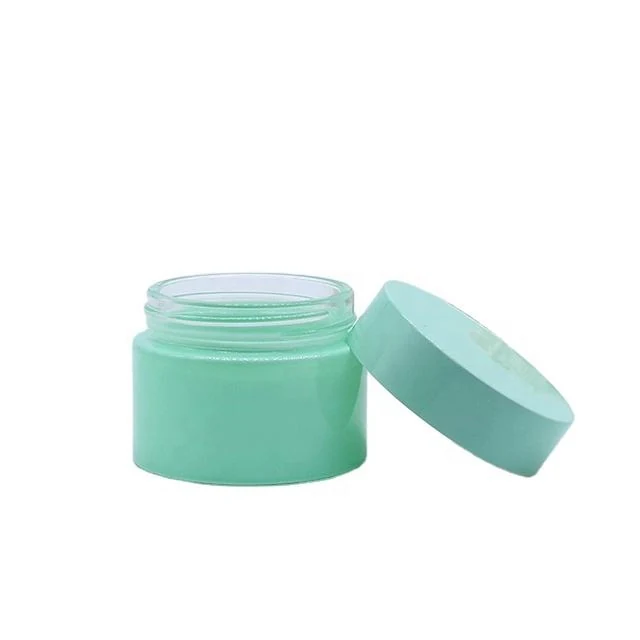
Kavminsteklo is another important Russian glass container manufacturer. The company mainly produces bottles for beverages and food packaging. Its facilities focus on reliable large-scale production with consistent bottle specifications.
The company supplies glass bottles to mineral water brands, breweries, and food processors. Russia has a strong market for bottled water due to its large geography and distribution networks. Kavminsteklo therefore plays an important role in supplying standard bottle formats.
The company continues to modernize its production equipment and furnace systems. Energy efficiency and automation are key priorities because glass production requires large amounts of energy. Kavminsteklo also emphasizes quality control to meet beverage industry standards.
| Company | Founded | Core Products | Industries | Certifications |
|---|---|---|---|---|
| Vetropack Russia | 1990s expansion | Beer bottles, beverage bottles | Beer, soft drinks, mineral water | ISO quality standards |
| Ruscam Glass | 1999 | Beer bottles, beverage containers | Breweries, beverages, food | Environmental and quality certifications |
| Glass Décor | 2008 | Decorative glass bottles | Spirits, cosmetics | Packaging and quality standards |
| Kavminsteklo | 1960s | Standard glass bottles | Water, beverages, food | Industry quality certifications |
Part 3: Trade Shows and Industry Events
Russia hosts several packaging and beverage industry events where glass bottle manufacturers connect with buyers and beverage brands. These exhibitions allow companies to showcase new bottle designs, decoration technologies, and production capabilities. Trade shows remain important for building partnerships and exploring export opportunities.
RosUpack
RosUpack is the largest packaging industry exhibition in Russia and Eastern Europe. The event attracts manufacturers of packaging materials, equipment, and finished packaging products. Glass bottle producers use the exhibition to present new bottle designs and sustainable packaging technologies.
The exhibition usually takes place annually in Moscow. Thousands of visitors attend, including beverage companies, food manufacturers, and packaging distributors. Many international companies also participate because the Russian market remains important for beverage and food packaging.
One highlight of RosUpack is the focus on packaging innovation. Companies present lightweight glass bottles, new decoration methods, and improved recycling solutions. Industry discussions also cover sustainability, supply chain efficiency, and packaging regulations.
Prodexpo
Prodexpo is one of the largest food and beverage exhibitions in Russia. Although the event mainly focuses on food products, packaging suppliers play a significant role. Glass bottle manufacturers attend to connect with beverage producers and spirits brands.
The exhibition takes place every year in Moscow and attracts producers from many countries. Beverage brands often launch new products during the event. Packaging suppliers therefore gain opportunities to showcase bottle designs and customization options.
One key feature of Prodexpo is its strong presence of alcohol producers. Vodka, wine, and spirits brands often require unique glass bottles to support premium branding. This creates strong demand for glass bottle design and decoration services.
| Event | Date | Location | Highlights |
|---|---|---|---|
| RosUpack | June annually | Moscow, Russia | Largest packaging exhibition in Russia |
| Prodexpo | February annually | Moscow, Russia | Major food and beverage trade show |
Part 4: Impact of Global Trade Policies
Global trade policies have changed the landscape of Russia’s glass bottle industry. Sanctions and trade restrictions affect supply chains, technology imports, and export opportunities. These factors push Russian manufacturers to rely more on domestic equipment and regional partnerships.
Many glass factories previously depended on European equipment suppliers. When international trade restrictions increased, companies began looking for alternatives. Some manufacturers started working with Asian machinery suppliers or investing in domestic engineering capabilities.
Local substitution has become an important strategy. Russian beverage companies prefer domestic bottle suppliers to reduce logistics risks. This shift creates stable demand for local manufacturers and encourages investment in new production capacity.
At the same time, export opportunities still exist in neighboring markets. Countries in Central Asia and parts of Eastern Europe continue to import glass packaging from Russia. Manufacturers therefore balance domestic demand with regional trade partnerships.
Part 5: Conclusion
The Russian glass bottle manufacturing industry remains an important part of the country's packaging sector. Demand from beer, spirits, mineral water, and food industries continues to drive production. Modernization of factories and automation helps manufacturers improve efficiency and product consistency.
However, the industry also faces challenges such as energy costs, supply chain disruptions, and changing trade policies. Companies that invest in energy efficiency, recycling systems, and innovative bottle design will have stronger long-term competitiveness. Glass packaging will likely remain a key solution for premium beverage and food packaging in the Russian market.