Skip to content
Part 1: Market Size and Growth
When I look at Rwanda’s glass bottle market, I do not see a mature container-glass manufacturing base yet. I see a fast-growing demand market led by breweries, water brands, and food processors that need stronger packaging choices. That is the key point: Rwanda’s glass bottle story is growing first through demand, not through a long list of local furnace operators.
The shift is easy to understand. Rwanda has pushed harder on environmental rules, packaging standards, and better product presentation, and that has made glass more attractive in beverages and premium food. Glass bottles fit the country’s push for quality, reuse, and cleaner branding, especially in beer, spirits, and bottled water.
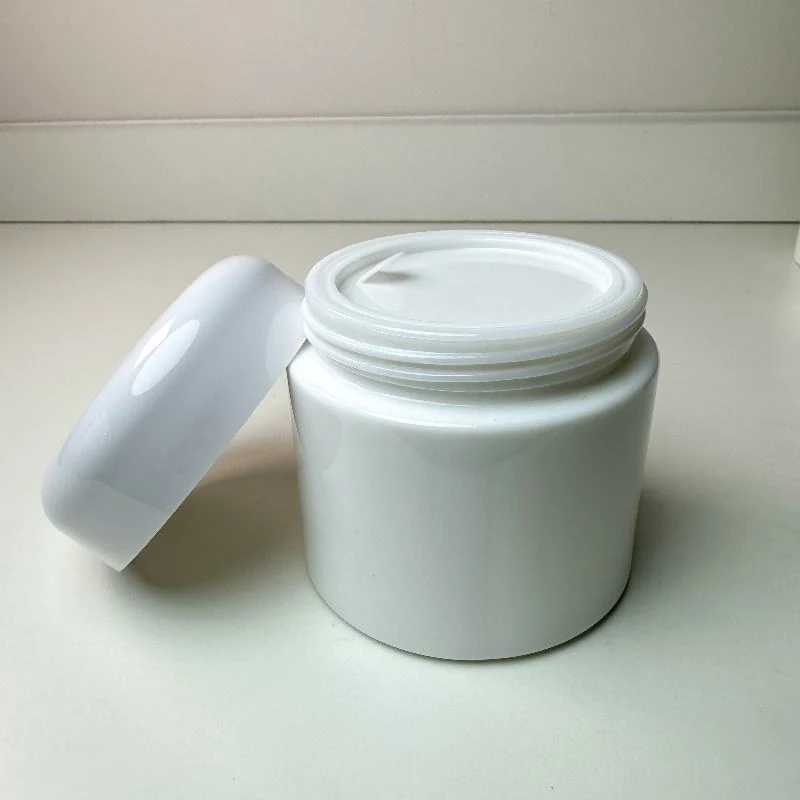
What makes this market interesting is the gap between demand and supply. Local companies are using more glass, but the country has also had to depend on imports because domestic container-glass production has not kept up. That gap creates a real opening for investors, suppliers, and factory projects that can offer stable bottle supply with shorter lead times.
I also see growth coming from the kind of products Rwanda wants to sell. Beer, carbonated drinks, mineral water, hospitality products, and higher-end food items all need packaging that looks safe and premium. In that setting, a good glass bottle is not just a container; it becomes part of the brand promise.
The market is also shaped by practical factory needs. Beverage lines need stable bottle dimensions, good neck finish, low breakage, and reliable return systems where refill is possible. Once a producer builds a line around one bottle design, the supplier relationship becomes long term, and that gives the glass segment more staying power.
So the growth path in Rwanda is clear to me. Demand is already here, policy is moving in favor of more sustainable packaging, and local manufacturers want more control over supply. That mix makes Rwanda less of a finished glass-bottle market today, but more of a very serious future market.
Part 2: Leading Companies
In Rwanda, the companies shaping the glass bottle market are often beverage manufacturers rather than pure glass bottle factories. That may sound unusual at first, but it is the right way to read this market. The strongest players are the ones creating bottle demand, building reuse systems, and pushing suppliers to deliver better packaging.
BRALIRWA
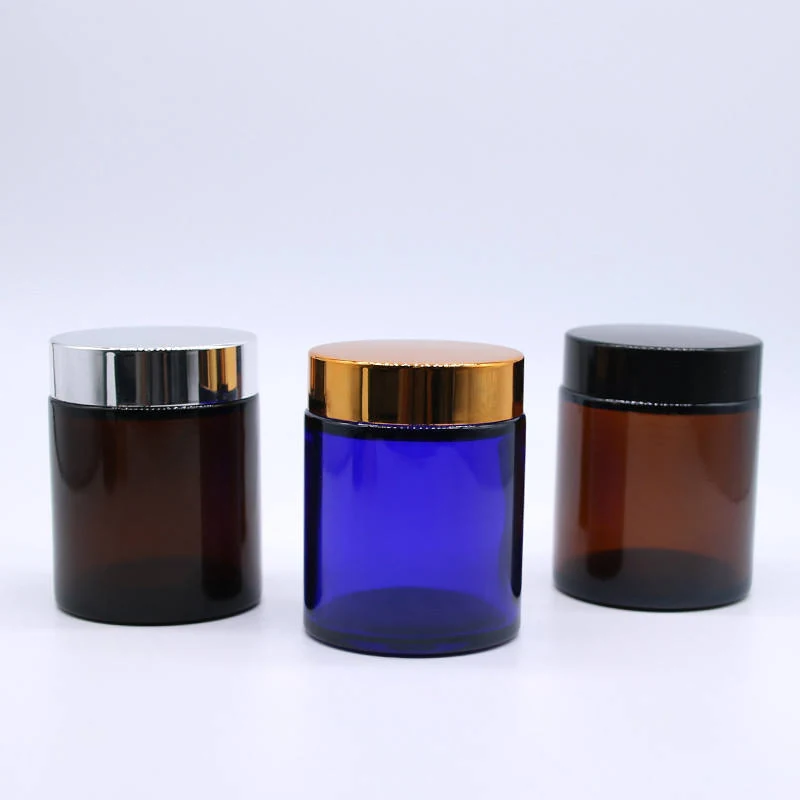
BRALIRWA is one of the most important names in Rwanda’s beverage industry, and it sits near the center of the country’s glass bottle story. The company started in 1957 and grew into Rwanda’s largest brewer and soft drinks producer, with brewing operations in Gisenyi and soft drinks production in Kigali. When a company works at this scale, it does not only buy bottles; it shapes the bottle market around it.
Its products cover beer and soft drinks, and that means glass matters in both brand image and line efficiency. BRALIRWA has long used returnable glass bottle systems, and that gives it a practical role in reuse, collection, washing, and refill circulation. This system supports bars, restaurants, wholesalers, supermarkets, and neighborhood retail channels across Rwanda.
The company’s main service industries include brewing, soft beverages, hospitality, retail, and distribution. Its technical strength is not about making glass itself, but about demanding bottle consistency, refill durability, and strong supply planning from packaging partners. That pressure helps raise standards for the whole market, because a large buyer usually forces the supply chain to improve.
BRALIRWA also matters because it connects Rwanda to international beverage discipline through Heineken and Coca-Cola systems. That usually means tighter quality control, more predictable packaging needs, and stronger alignment with regulated beverage production. In practical terms, it is one of the clearest examples of how Rwanda’s glass bottle market is being built from the buyer side.
SKOL Brewery Ltd
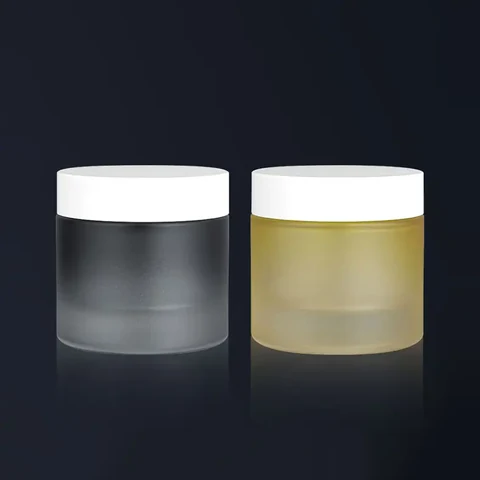
SKOL Brewery Ltd is another major force in Rwanda’s bottle ecosystem. The company has operated in Rwanda since 2009 and has built a strong position in beer and malt beverages, while also moving into bottled water with Virunga. Its role became even more important when it introduced the first locally produced water packed in returnable glass bottles in Rwanda.
That move matters because it showed the market that glass was not limited to beer and alcohol. SKOL used glass to push a cleaner and more reusable image for packaged water, and that made the conversation around sustainable packaging much more visible. In a market that is still building local supply, that kind of product decision can shift buyer habits very quickly.
The company serves beverage retail, hospitality, modern trade, events, and daily consumption channels. Its technical value comes from high-volume filling, bottle return discipline, and a growing focus on cleaner production methods. A company like SKOL does not need to own a bottle furnace to influence the future of glass bottles in Rwanda. Its production choices already do that.
SKOL also brings an innovation signal to the market. It shows that reuse can be modern, not outdated, and that glass can support premium water positioning as well as beer. That is useful for Rwanda because new demand often begins when one strong operator proves that a different packaging model can work at scale.
Inyange Industries

Inyange Industries is one of Rwanda’s best-known food and beverage manufacturers, and it adds another important layer to the glass bottle story. The Inyange brand has been operating since 1997, and the company began operations in 1999 before expanding into mineral water processing and packaging in 2001. Its role in glass became more visible when it introduced mineral water in glass bottles as part of its move toward greener packaging.
This matters because Inyange reaches a broad consumer base, not only a niche premium segment. The company serves households, hotels, restaurants, cafés, supermarkets, and institutional buyers. When a mass-market brand starts using glass in part of its range, it sends a signal that glass is becoming commercially relevant beyond a narrow luxury space.
Its product mix includes dairy, juices, and bottled water, but the glass discussion is strongest around water and hospitality use. Glass helps Inyange present a cleaner and more premium image in hotels, events, and high-visibility service settings. That kind of placement is important because hospitality often becomes the testing ground for wider packaging shifts.
From a technical view, Inyange helps push demand for better bottle sourcing, cleaner filling operations, and packaging that matches Rwanda’s environmental direction. The company’s move into glass also supports a wider market lesson: even when local bottle manufacturing is limited, local brands can still create demand strong enough to justify future factory investment.
| Company | Founded | Core Products | Industries | Certifications |
|---|---|---|---|---|
| BRALIRWA | 1957 | Beer, soft drinks, returnable glass bottle formats | Brewing, retail, hospitality, beverage distribution | Beverage quality and compliance systems tied to large international brand operations |
| SKOL Brewery Ltd | 2009 | Beer, malt drinks, Virunga water in returnable glass bottles | Brewing, hospitality, retail, events | Public sustainability leadership through reusable glass packaging initiatives |
| Inyange Industries | Brand since 1997; operations from 1999 | Mineral water, food and beverage products, selected glass bottle formats | Water, hospitality, retail, food processing | Food and beverage compliance systems and public green-packaging positioning |
When I compare these three companies, the pattern becomes clear. Rwanda’s bottle market is being shaped by strong beverage buyers that need glass, not by a large domestic list of bottle-making factories. That does not weaken the market; it actually shows where the real opportunity sits: supply, reuse, logistics, and future local production.
Part 3: Trade Shows and Industry Events
Rwanda International Trade Fair
The Rwanda International Trade Fair is the country’s largest annual trade exhibition, and it matters a lot for the packaging and beverage sectors. It brings together local and foreign exhibitors, buyers, service providers, and manufacturers in one place. For glass bottles, this kind of event matters because packaging decisions are usually made where product, machinery, branding, and supply all meet.
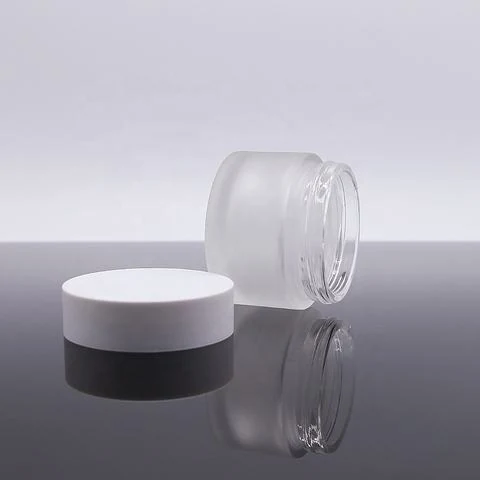
The fair is held in Kigali and has become one of the clearest business platforms for companies that want to present new products, test market response, and build B2B relationships. Beverage brands can show how their packaging supports shelf appeal, while suppliers can discuss bottle sourcing, closures, labels, and transport concerns. The biggest highlight is not just the traffic; it is the business contact across many industries at once.
Made in Rwanda Exhibition
The Made in Rwanda Exhibition is another useful event for understanding where bottle demand is heading. The exhibition highlights locally made products and supports the wider national push for domestic production, stronger brands, and import substitution. When local producers want to look more competitive, packaging always becomes part of the conversation.
This event usually gives food and beverage companies a chance to present products in a more polished way to buyers, policymakers, and the public. That makes it valuable for glass packaging because bottles often signal quality before a customer even reads the label. A strong highlight here is the way the event links manufacturing ambition with practical product presentation.
| Event | Date | Location | Highlights |
|---|---|---|---|
| Rwanda International Trade Fair | Annual | Kigali | Large national trade platform, B2B networking, product display, packaging visibility |
| Made in Rwanda Exhibition | Recurring national exhibition | Kigali | Local manufacturing promotion, brand building, import substitution, packaging improvement |
I think these events matter more than they first appear to matter. In a market that is still building packaging depth, exhibitions are where companies see what competitors are doing, what buyers expect, and where supply gaps remain. For glass bottle businesses, trade fairs are often where a demand trend becomes a real purchase conversation.
Part 4: Impact of Global Trade Policies
Global trade policy affects Rwanda’s glass bottle market very directly because the country still relies heavily on imported glass packaging. Import flows, freight rates, regional trade rules, and customs treatment all affect how quickly bottles can reach beverage plants and how much they cost once they arrive. When domestic supply is thin, trade policy stops being abstract and becomes part of factory economics.
There is also a strong policy push inside Rwanda that changes the market from the demand side. Restrictions on some single-use plastics, stronger standards for certain beverage packaging, and public support for more sustainable materials have all helped glass gain attention. That does not automatically create a local glass bottle industry, but it does make the business case for one much stronger.
I also see supply chain risk as a major part of the story. Glass is heavy, breakable, and expensive to move, so long import routes can create delays, higher landed cost, and more pressure on margins. For breweries and water bottlers, a late bottle shipment can slow filling schedules and affect distribution plans very quickly.
That is why local substitution matters so much. If Rwanda can attract container-glass investment, build better recycling loops, and support stable bottle supply near beverage factories, the market becomes more resilient. A local bottle plant would not only replace imports; it would also give beverage brands more control over lead time, design, and cost.
At the same time, international competition will stay strong. Large suppliers from other countries can offer scale, design libraries, and technical support that a new local plant may take time to match. So Rwanda’s best path may be to focus first on the bottle types it already uses most: beer, bottled water, spirits, and selected food containers.
This is where I see the long-term opportunity. Rwanda already has demand, supportive packaging policy, and strong beverage companies willing to try reusable glass. If trade conditions stay supportive and local investment improves, the country can move from being a glass bottle buyer to becoming a more serious regional packaging producer.
Part 5: Conclusion
Rwanda’s glass bottle market is still in a building phase, but the direction is easy to read. Demand is growing, beverage brands are using glass more deliberately, and policy is pushing the market toward more sustainable packaging. That gives the country a real chance to turn today’s supply gap into tomorrow’s manufacturing opportunity.
The challenge is that Rwanda still depends heavily on imports for container glass, and that leaves the market exposed to freight cost, delays, and limited local flexibility. Still, the base is already there: strong beverage producers, active trade platforms, and growing interest in reusable formats. For me, the most important point is simple: Rwanda does not need to create glass bottle demand from nothing. It already has the demand, and now it needs the supply base to match it.