Skip to content

Part 1: Market Size and Growth
Senegal has one of the more active beverage markets in West Africa. Urban growth, tourism, and expanding retail channels have increased the demand for packaged drinks and food products. Glass bottles remain an important packaging choice because they preserve product quality and create a premium appearance for beverages and specialty foods.
Beer, soft drinks, and fruit beverages represent the largest users of glass containers in the country. Local beverage producers and multinational brands operate bottling facilities that rely on steady supplies of glass packaging.
Market Demand Across Key Industries
The beverage industry dominates the glass bottle market in Senegal. Breweries, soft drink manufacturers, and bottled water companies require large volumes of durable glass containers. Many beer brands use refillable glass bottles that circulate through local distribution networks.
Food processing also contributes to demand for glass jars and bottles. Senegal produces sauces, condiments, and preserved foods that are sold both domestically and across West Africa. Glass packaging helps maintain product freshness and improves shelf presentation.
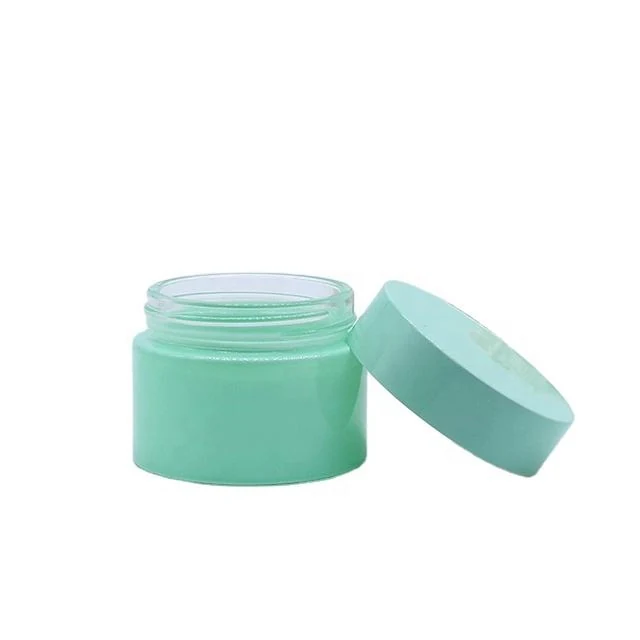
The cosmetics sector has also started to grow in the region. Perfumes, natural oils, and beauty products often use small glass containers. These products benefit from glass packaging because it prevents chemical reactions and protects sensitive ingredients.
| Application Sector | Typical Products | Packaging Needs |
|---|---|---|
| Beer & Soft Drinks | Beer, soda, flavored drinks | Durable refillable bottles |
| Food Processing | Sauces, condiments, jams | Airtight preservation |
| Bottled Water | Mineral water | Clean food-grade containers |
| Cosmetics | Perfume, natural oils | Small decorative bottles |
Industrial Development and Manufacturing Landscape
Senegal’s glass manufacturing capacity is limited compared with larger industrial nations. However, the country hosts several beverage bottling operations that create stable demand for glass containers. Many glass bottles used in Senegal are imported from Europe, North Africa, and Asia.
The port of Dakar plays a crucial role in the packaging supply chain. As one of the major logistics hubs in West Africa, the port connects Senegal with international shipping routes. Packaging materials and empty bottles are often imported through this port before being distributed to beverage factories.
Industrial zones near Dakar and other urban areas support food processing and beverage production. These facilities often operate bottling lines that handle imported glass bottles. The combination of local bottling and imported packaging allows companies to maintain stable production.
Sustainability and Reusable Bottle Systems
Reusable glass bottles remain common in Senegal’s beverage industry. Many breweries and soft drink producers operate bottle return systems that allow containers to be reused multiple times. This approach helps reduce packaging costs while also limiting environmental waste.
Consumers often return empty bottles to retailers in exchange for deposits. These bottles are collected, cleaned, and inspected before returning to bottling lines. This system has been used for decades in many African beverage markets.
Environmental awareness has also grown in recent years. Governments and businesses are exploring ways to improve recycling infrastructure and waste management systems. Glass containers fit well into these initiatives because they can be recycled indefinitely without losing quality.
Part 2: Leading Companies
Société des Brasseries de l’Ouest Africain (SOBOA)
Société des Brasseries de l’Ouest Africain, commonly known as SOBOA, is one of the most prominent beverage producers in Senegal. The company operates major brewing and bottling facilities that serve the domestic beverage market.
Glass bottles are central to the company’s packaging system. Many beer and soft drink products are packaged in refillable glass containers designed for durability and repeated use.
SOBOA supplies beverages to supermarkets, restaurants, and bars across Senegal. Its distribution network reaches both urban and rural markets, which creates steady demand for glass packaging.
The company also focuses on quality control within its bottling operations. Automated inspection systems check bottles for damage before filling, ensuring safe and consistent beverage packaging.
Kirène Group
Kirène Group is a major Senegalese beverage and food company known for producing bottled water, juices, and dairy products. The company has built a strong presence in the West African beverage market.
Glass bottles are used for several premium beverage products within the company’s portfolio. These containers help maintain product freshness and provide an upscale appearance for retail markets.
The company distributes products through supermarkets, restaurants, and export channels across West Africa. Reliable packaging supply plays a key role in maintaining consistent product availability.
Kirène Group invests in modern bottling technology and quality control systems. These technologies ensure that glass containers meet food safety and packaging standards.
Castel Africa Senegal Operations

Castel Africa operates across multiple African countries and has a strong presence in Senegal’s beverage market. The company manages brewing and bottling operations that supply beer and soft drinks.
Glass bottles are widely used for its beverage products. Many of these containers are part of refillable packaging systems designed to support high-volume distribution.
The company serves breweries, beverage distributors, and hospitality industries across Senegal and neighboring countries. Its large production capacity requires reliable access to glass packaging.
| Continuous improvements in bottling technology help the company maintain efficient production. Automated inspection equipment and modern filling systems improve packaging consistency and reduce defects. | Company | Founded | Core Products | Industries | Certifications |
|---|---|---|---|---|---|
| SOBOA | 1929 | Beer bottles and beverage containers | Beverage industry | Food safety certification | |
| Kirène Group | 2001 | Bottled water and beverage containers | Beverage, food | Quality management certification | |
| Castel Africa Senegal | 20th century | Beer and soft drink bottles | Beverage industry | International production standards |
Part 3: Trade Shows and Industry Events
Dakar International Trade Fair (FIDAK)
The Dakar International Trade Fair, often called FIDAK, is one of the largest commercial exhibitions in West Africa. The event brings together manufacturers, distributors, and suppliers from many industries.
Held annually in Dakar, the exhibition attracts companies from across Africa, Europe, and Asia. Businesses showcase products ranging from food and beverages to industrial equipment.
Packaging suppliers often attend the fair to present new container solutions. Glass bottle packaging for beverages and food products is frequently displayed during the event.
West African Food & Beverage Expo
The West African Food & Beverage Expo connects food producers, beverage manufacturers, and packaging suppliers throughout the region. The event highlights trends in food processing and packaging technology.

The exhibition rotates among major West African cities and attracts regional and international participants. Companies present new products, packaging materials, and manufacturing technologies.
| Glass bottle suppliers often use the event to introduce containers designed for premium beverages and specialty foods. These exhibitions help strengthen partnerships between packaging companies and local manufacturers. | Event | Date | Location | Highlights |
|---|---|---|---|---|
| Dakar International Trade Fair (FIDAK) | Annual | Dakar, Senegal | Regional trade and industrial exhibition | |
| West African Food & Beverage Expo | Annual | West Africa | Food processing and packaging innovation |
Part 4: Impact of Global Trade Policies
Global trade policies play an important role in Senegal’s glass bottle supply chain. Since the country imports many glass containers, international trade agreements influence packaging costs and availability.
Regional trade organizations such as ECOWAS support cross-border trade within West Africa. These agreements help reduce tariffs and simplify logistics between neighboring countries.
Energy prices also affect the glass manufacturing industry. Glass production requires high-temperature furnaces that consume large amounts of energy. When fuel prices increase, manufacturing costs often rise as well.
International competition is another factor shaping the market. Glass bottle manufacturers in Europe, Asia, and North Africa compete to supply packaging materials to African beverage companies.
To manage these challenges, many beverage producers maintain relationships with multiple packaging suppliers. This strategy helps ensure stable supply and reduces the risk of production delays.
Part 5: Conclusion
Senegal’s glass bottle market continues to grow alongside the country’s beverage and food industries. Breweries, bottled water companies, and food processors rely on glass containers to protect product quality and enhance brand value. Reusable glass bottle systems and regional trade networks help maintain stable packaging supply across the country.
Future growth may come from expanding beverage consumption, tourism development, and improved recycling systems. At the same time, manufacturers and distributors must manage challenges such as import dependence, logistics costs, and international competition within the global packaging industry.