Skip to content
Part 1: Market Size and Growth
Serbia has a long history in glass production that goes back many decades. Today, the country is becoming a key hub for glass packaging in the Balkan region. Many European companies look at Serbia because it has a great location and lower costs. The demand for glass bottles is rising because people want to stop using plastic. This shift is helping local factories grow faster than ever before.
The market size for glass containers in Serbia is driven by the food and drink industry. Local wineries and breweries need millions of bottles every year to pack their products. Also, the pharmaceutical sector uses glass for medicine because it is very safe. Serbia exports a large portion of its glass products to neighboring countries like Romania and Hungary. This makes the glass industry a vital part of the national economy.
International investors are putting a lot of money into Serbian glass plants lately. The government provides special support to attract these large industrial projects. Most factories are located near energy sources and transport routes to save money. These industrial clusters help suppliers and makers work closely together. As a result, the supply chain for glass in Serbia is becoming very strong and reliable.
Deep Dive into the Serbian Glass Landscape
The growth of the Serbian glass sector is not just about luck. It is about a smart strategy to replace old machines with new technology. Many factories now use automated systems to check every bottle for tiny cracks. This high level of quality control helps Serbian brands compete with German or Italian makers. Buyers from the UK and USA are noticing this improvement in quality. They see Serbia as a high-value alternative to more expensive European suppliers.
| Metric | Growth Rate (Est.) | Primary Driver | Export Focus |
|---|---|---|---|
| Market Expansion | 5.5% Annually | Sustainability Trends | EU & Balkans |
| Production Capacity | +20% by 2027 | Foreign Direct Investment | Global Markets |
When we look at the logistics, Serbia sits right in the middle of Europe and Asia. This means shipping glass bottles to Germany or France is much cheaper than shipping from Asia. For a procurement manager, this means shorter lead times and lower freight costs. Many big brands are moving their supply chains closer to home to avoid global shipping delays. Serbia fits perfectly into this "near-shoring" trend that is happening globally right now.
Part 2: Leading Companies
Vetropack Stra?a
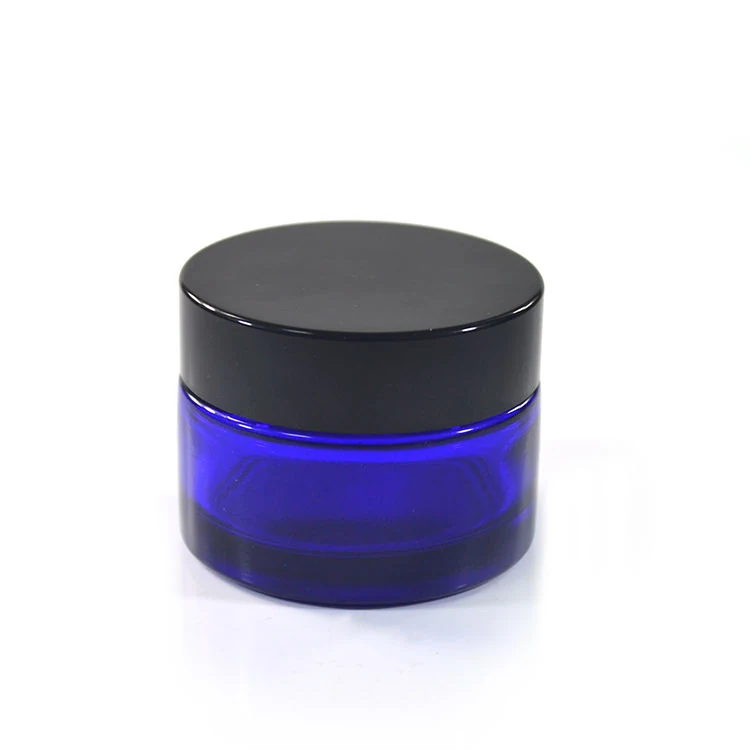
Vetropack is one of the most important names in the Serbian glass industry today. They operate a massive facility that produces glass for many different types of drinks. The company has a very long history of making glass in this specific region. They focus on making containers that are strong but also very light in weight. This helps their customers save money on shipping costs and reduces carbon emissions.
Their product range is quite large and covers almost everything a beverage company needs. They make bottles for mineral water, beer, juice, and various spirits like rakija. Each bottle is designed to look good on a store shelf while protecting the contents inside. They offer custom shapes for brands that want to stand out from their competitors. This flexibility is why many famous European brands choose them as a primary supplier.
The company mostly serves the food and beverage sectors across Central and Eastern Europe. They also provide glass jars for preserved foods like jams and pickled vegetables. Innovation is a big part of their daily work at the factory. They are currently testing new ways to use more recycled glass in their melting furnaces. This makes their production process much greener and helps them meet strict EU environmental rules.
Srpska Fabrika Stakla (SFS) Para?in
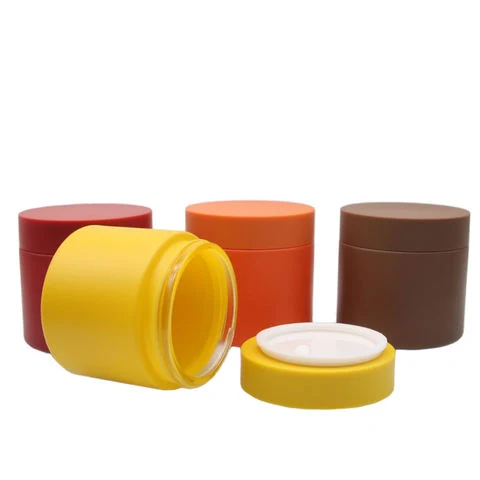
This factory is a legendary part of Serbia's industrial history located in the town of Para?in. It was founded over a century ago and has gone through many changes and upgrades. Recently, new owners have invested millions of dollars to modernize the entire production line. It is now one of the largest glass bottle manufacturers in the Balkan peninsula. They focus on high-volume production for large scale industrial clients.
They produce a wide variety of glass packaging including wine bottles and food jars. Their machines can run 24 hours a day to produce thousands of units every hour. They have specific lines for clear glass and colored glass like green or amber. This variety is essential for winemakers who need dark glass to protect their wine from light. The factory also produces glassware for household use, making them a very versatile manufacturer.
SFS Para?in serves the domestic Serbian market but also exports heavily to the surrounding region. Their products are found in supermarkets across Montenegro, Bosnia, and North Macedonia. They are known for having very competitive prices for bulk orders. Many distributors like working with them because they can handle very large shipments easily. They hold several ISO certifications that prove their commitment to quality management.
Staklo Pak
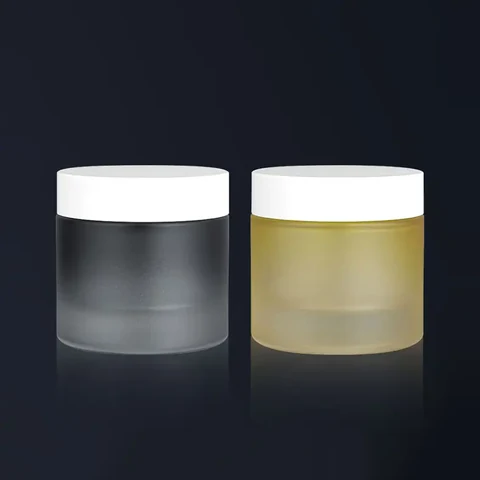
Staklo Pak is a major player that focuses on the distribution and finishing of glass products. They work closely with factories to provide complete packaging solutions to their customers. They are based in Serbia but have a very international outlook on the glass market. They specialize in finding the right glass container for unique or specialized products. This makes them a great partner for small and medium-sized businesses.
Their services include more than just selling empty bottles to customers. They offer custom printing, labeling, and specialized caps or closures for the glass. This means a customer can get a "ready-to-fill" bottle delivered to their warehouse. They carry a huge stock of different designs, so they can ship orders very quickly. Their portfolio includes bottles for oils, vinegars, perfumes, and high-end alcoholic drinks.
The company serves the cosmetics, food, and spirits industries with great success. They are particularly good at helping brands create a premium look for their products. By offering low minimum order quantities on some items, they support new startups. They are always looking for new designs that follow the latest global fashion trends. Their reputation for being reliable and helpful is very well known in the Serbian market.
Comparison of Leading Serbian Glass Suppliers
| Company | Founded | Core Products | Industries | Certifications |
|---|---|---|---|---|
| Vetropack Stra?a | 1860s | Beverage Bottles | Food & Drink | ISO 9001, 14001 |
| SFS Para?in | 1907 | Wine & Food Glass | Industrial F&B | ISO 22000 |
| Staklo Pak | 2001 | Custom Packaging | Cosmetics & Spirits | Quality Assured |
Part 3: Trade Shows and Industry Events
Belgrade International Fair (UFI)
The Belgrade Fair is the most important venue for industrial events in Serbia. It hosts several exhibitions every year where glass manufacturers show their latest products. Many international buyers come here to meet Serbian suppliers face-to-face. It is a great place to see the actual quality of the glass bottles in person. The events often include seminars about new packaging technologies and recycling.
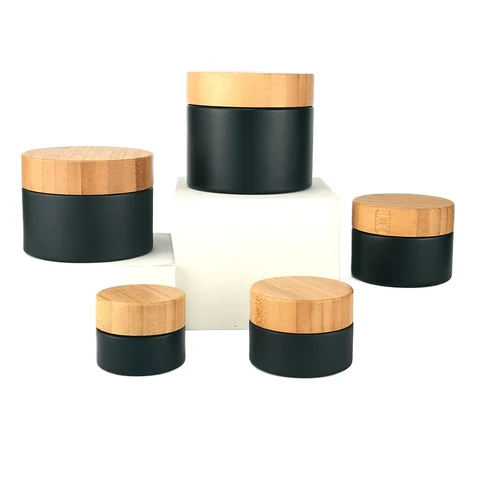
The main event usually happens in the spring or autumn and lasts for several days. It attracts thousands of visitors from all over the Balkan region and Europe. Manufacturers set up large booths to display their full catalog of bottles and jars. It is a very busy environment with lots of networking and business deals. Most major Serbian glass companies consider this a "must-attend" event every year.
Wine Vision by Open Balkan
This is a specialized event that focuses on the wine industry and its suppliers. Since Serbia is a major wine producer, this show is huge for bottle makers. It brings together winemakers from Serbia, Albania, and North Macedonia. Glass manufacturers use this show to launch new bottle designs specifically for premium wines. It is a very high-end event with many international experts attending.
The event is held in Belgrade and features hundreds of exhibitors from many countries. It has become one of the largest wine fairs in South-East Europe recently. For glass makers, it is the perfect time to sign long-term contracts with large wineries. The focus here is on elegance, design, and how glass can help sell a bottle of wine. It also highlights the importance of sustainable glass packaging in the modern wine world.
Industry Event Summary
| Event | Date | Location | Highlights |
|---|---|---|---|
| Belgrade Fair | Various (Spring/Fall) | Belgrade, Serbia | B2B Networking, New Tech |
| Wine Vision | November | Belgrade, Serbia | Premium Designs, Export Focus |
Part 4: Impact of Global Trade Policies
Global trade policies have a massive impact on how glass is made and sold in Serbia. Since Serbia is not yet in the EU but has many trade deals, it is in a unique spot. This allows Serbian factories to import raw materials easily and export finished goods. However, new carbon taxes in Europe are making production more challenging for everyone. Factories must invest in green energy to keep their prices competitive in the global market.
Local companies are also working hard to find local sources for sand and energy. This reduces the risk of supply chain breaks when global politics become difficult. Many buyers are switching from Chinese glass to Serbian glass to avoid high import tariffs. This shift has created a huge opportunity for Serbian manufacturers to take more market share. The focus is now on stability and making sure bottles are always available for customers.
Part 5: Conclusion
The Serbian glass bottle industry is in a very strong position for future growth. With massive investments and a focus on sustainability, it is becoming a top choice for European buyers. The combination of high quality and competitive pricing is very hard to beat right now. As more industries move away from plastic, the demand for glass will only keep going up. This represents a great opportunity for businesses to find reliable partners in the heart of the Balkans.
However, there are still some risks that companies must watch out for in the coming years. Energy prices can be unpredictable, and this directly affects the cost of making glass. There is also a lot of competition from other Eastern European countries like Poland or Bulgaria. Factories must keep innovating and upgrading their technology to stay ahead of the pack. If they can manage these challenges, the future of Serbian glass manufacturing looks very bright indeed.