Skip to content
Part 1: Market Size and Growth
The glass bottle industry in Somalia is gradually gaining attention as both local demand and export potential increase. With urbanization and the growth of the food and beverage sector, glass bottles are becoming a preferred choice over plastics due to durability and safety. Over the past few years, small to medium manufacturers have started expanding operations in Mogadishu and surrounding industrial areas.

Local businesses and beverage producers are driving the market for glass bottles, including soft drinks, juices, and alcoholic beverages. Companies are exploring both standard sizes and customized solutions to meet unique client requirements. The growth is modest but steady, with foreign buyers showing interest in Somali-made glass for regional distribution.
Government initiatives and foreign investments have started to support the glass manufacturing sector. Policies encouraging industrial growth, coupled with improved access to electricity and industrial zones, are helping establish manufacturing clusters. This environment encourages new entrants while also enabling existing producers to scale their operations.
Part 2: Leading Companies
Somali Glass Works
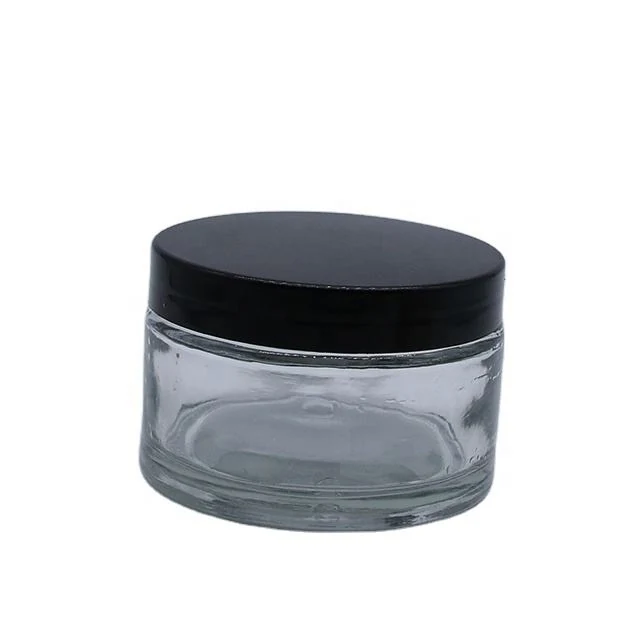
Somali Glass Works was founded in 2010 in Mogadishu. It began as a small factory producing standard beverage bottles for local breweries and juice companies. The company has steadily expanded its production capacity and modernized equipment to meet regional standards.
The company produces a wide range of glass bottles, including clear, amber, and green glass. They also provide customized labeling and branding services for clients looking to differentiate their products. Somali Glass Works primarily serves the beverage and food packaging industry, supplying bottles to soft drink manufacturers, water producers, and local breweries.
The company invests in modern glass-blowing and molding technologies to improve efficiency and reduce waste. Its efforts have earned recognition from regional trade associations. Somali Glass Works holds ISO 9001 certification, reflecting its commitment to quality management.
Hargeisa Bottle Company
Founded in 2012 in Hargeisa, Hargeisa Bottle Company initially focused on producing bottles for water and soft drinks. The company now serves clients across Somalia and neighboring countries. Its growth is driven by investments in automated production lines and consistent quality control.
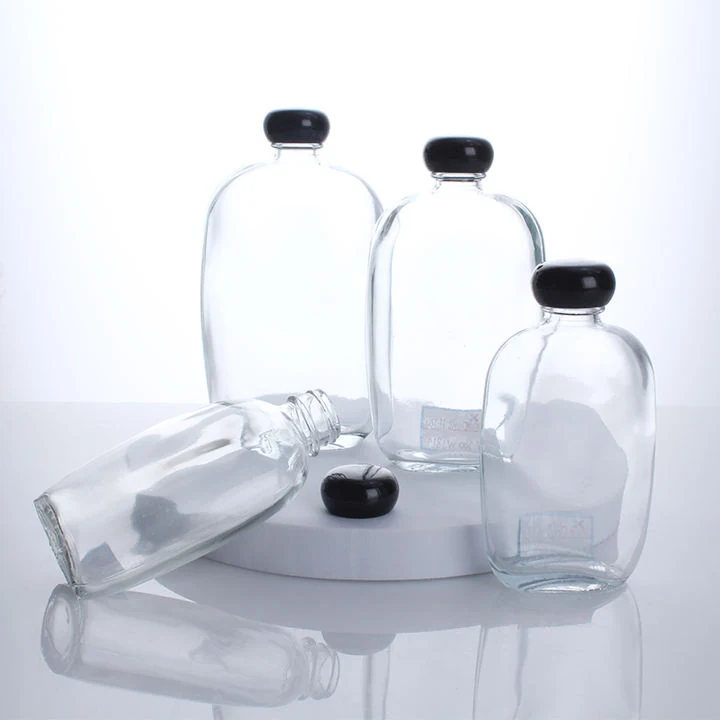
The company produces glass bottles in various shapes and sizes, including soda bottles, water bottles, and specialty packaging for premium beverages. They also offer bulk supply for industrial clients. The primary industries served include beverage, food, and pharmaceuticals.
Innovation in design and production is a key focus for Hargeisa Bottle Company. They have developed energy-efficient kilns and introduced lightweight glass formulations that reduce shipping costs. The company has received national awards for manufacturing excellence and sustainability initiatives.
Mogadishu Glass Limited
Mogadishu Glass Limited was established in 2015 and quickly became known for producing high-quality glass bottles. Located near key port facilities, the company benefits from easy access to shipping routes. They emphasize flexible production, allowing clients to request custom shapes, colors, and sizes.
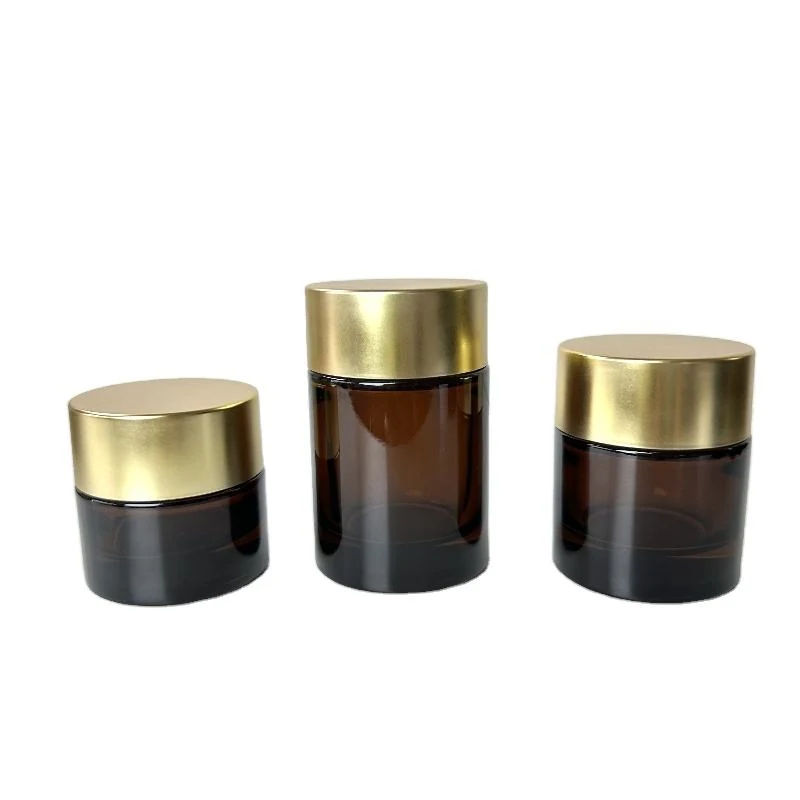
Products include beverage bottles, food jars, and decorative glass containers. The company serves both domestic and export markets, especially small-scale beverage producers looking for affordable and reliable packaging solutions. Mogadishu Glass Limited primarily serves food and beverage, cosmetics, and specialty retail industries.
The company is recognized for technological upgrades, including digital molds and online quality monitoring. They have earned certifications for product safety and environmental management. Mogadishu Glass Limited has ISO 14001 and HACCP certifications, reflecting its focus on safety and environmental responsibility.
| Company | Founded | Core Products | Industries | Certifications |
|---|---|---|---|---|
| Somali Glass Works | 2010 | Beverage bottles, custom glass | Beverage, Food | ISO 9001 |
| Hargeisa Bottle Company | 2012 | Soda and water bottles, specialty bottles | Beverage, Food, Pharmaceutical | National Manufacturing Awards |
| Mogadishu Glass Limited | 2015 | Beverage bottles, jars, decorative glass | Beverage, Food, Cosmetics | ISO 14001, HACCP |
Part 3: Trade Shows and Industry Events
Mogadishu Industrial Expo
Mogadishu Industrial Expo is an annual event showcasing the country's manufacturing capabilities, including glass bottle producers. The expo attracts both local and regional buyers looking for packaging solutions.

The expo usually takes place in late August at the Mogadishu Exhibition Center. Over 100 exhibitors participate, representing different industrial sectors, including food and beverage, construction, and manufacturing. Highlights include live demonstrations of glass production techniques and workshops on packaging design.
Hargeisa Trade Fair
The Hargeisa Trade Fair is a regional platform for manufacturers and suppliers to present products and establish partnerships. Glass bottle manufacturers participate to reach beverage companies and industrial clients.
Held in early November, this fair draws over 70 exhibitors and thousands of attendees. Key features include business matchmaking sessions, networking events, and seminars on industry trends. It provides insight into market demand and emerging packaging technologies.
| Event | Date | Location | Highlights |
|---|---|---|---|
| Mogadishu Industrial Expo | August | Mogadishu Exhibition Center | Glass production demos, packaging workshops |
| Hargeisa Trade Fair | November | Hargeisa Convention Hall | Business matchmaking, industry seminars |
Part 4: Impact of Global Trade Policies
Global trade policies impact Somalia's glass bottle industry significantly. Import tariffs, sanctions, and trade agreements influence both the cost of raw materials and export opportunities. Manufacturers often face challenges importing high-quality sand, chemicals, and machinery, which can affect production timelines.
Local substitutes and supply chain diversification have become critical. Companies are exploring regional sources for raw materials and collaborating with neighboring countries to secure glass-making supplies. This strategy helps reduce dependency on distant suppliers and mitigates risks from global trade disruptions.
International competition is another factor. Somali manufacturers compete with imported glass bottles from the Middle East and Asia. While local production costs may be higher initially, the advantage lies in faster delivery, customization, and supporting local industries. Export opportunities remain, particularly for niche markets and environmentally conscious buyers seeking locally produced packaging.
Part 5: Conclusion
The glass bottle sector in Somalia is growing steadily, offering opportunities for manufacturers, investors, and regional distributors. Rising demand from beverages, food, and specialty markets, combined with trade support and industrial growth, indicates potential for expansion. Local companies have room to innovate, especially in customized solutions and sustainable production.
However, challenges remain. Import reliance, infrastructure limitations, and competition from cheaper imports could constrain growth. Manufacturers must focus on quality, efficiency, and adaptability to capture new markets and maintain competitiveness. Strategic investments in technology and partnerships will determine who thrives in Somalia's evolving glass bottle industry.