Skip to content
Part 1: Market Size and Growth
South Africa has one of the most developed glass packaging industries in Africa. The country produces a large volume of glass bottles for beverages, food products, pharmaceuticals, and cosmetics. Glass packaging remains widely used because it is recyclable, durable, and suitable for premium products. Many beverage companies in South Africa still prefer glass bottles to maintain taste quality and brand value.
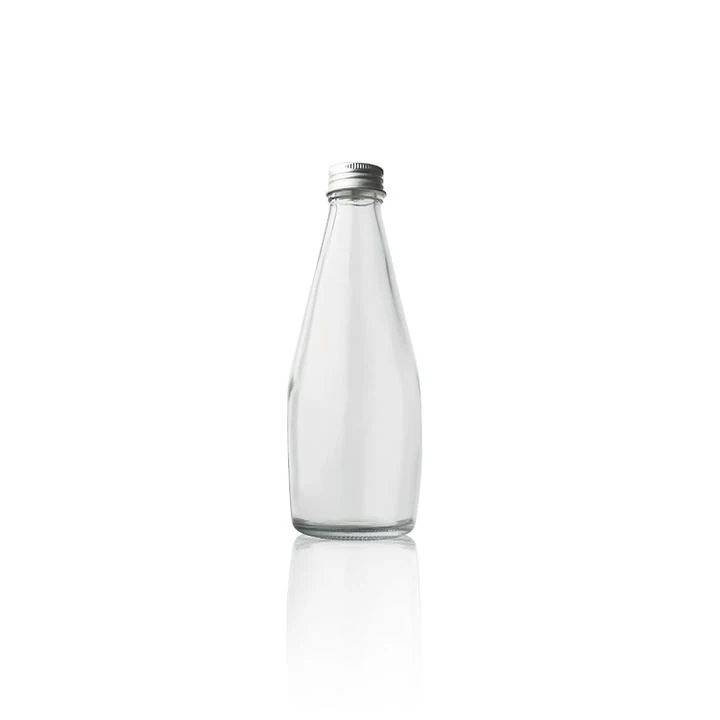
The market for glass bottles in South Africa continues to grow with the expansion of the beverage sector. Beer, wine, cider, and soft drinks are major contributors to packaging demand. The country also has a strong wine industry, which requires large volumes of high-quality glass bottles every year. Premium spirits and craft beverage brands are also pushing demand for custom glass packaging.
Government policies and environmental awareness also influence the growth of the glass industry. Recycling programs and sustainability initiatives are expanding across South Africa. At the same time, manufacturers are investing in modern furnaces and automated production systems. Industrial regions such as Gauteng and Western Cape have become important centers for glass manufacturing and packaging supply.
Key Market Drivers
The growth of the glass bottle industry in South Africa is supported by several important factors. These drivers come from both domestic consumption and export markets.
| Driver | Description |
|---|---|
| Beverage Industry | Strong beer, wine, and spirits production |
| Sustainability | Glass is recyclable and environmentally friendly |
| Premium Branding | Luxury beverage brands prefer glass packaging |
| Export Markets | Wine exports increase demand for bottles |
South Africa exports large volumes of wine and beverages to Europe, Asia, and North America. These exports require reliable packaging solutions. Glass bottles remain the preferred choice for protecting product quality during international transportation.
Industry Structure
The glass bottle industry in South Africa is dominated by several large manufacturers. These companies operate large-scale production plants that supply bottles to breweries, wineries, and food processors.
Many factories operate high-capacity furnaces that run continuously. Automated forming machines produce thousands of bottles every hour. These production systems help manufacturers maintain consistent quality and meet the high demand from beverage companies.
At the same time, smaller manufacturers also operate in niche segments. Some companies focus on decorative glass containers, specialty packaging, and smaller production runs. These businesses often serve craft beverage brands and premium product companies.
Recycling and Circular Packaging
Recycling plays an important role in the South African glass industry. Glass can be recycled many times without losing quality. Because of this, recycled glass materials are widely used in manufacturing.
Recycled glass is called cullet. When cullet is added to the furnace, it melts faster than raw materials. This reduces energy consumption and lowers production costs. Many manufacturers aim to increase the percentage of recycled glass used in their products.
| Material | Role in Production |
|---|---|
| Silica Sand | Primary ingredient for glass |
| Soda Ash | Reduces melting temperature |
| Limestone | Stabilizes glass structure |
| Recycled Glass | Improves sustainability and reduces energy use |
The recycling ecosystem also creates economic opportunities. Waste glass collection programs support recycling businesses and environmental initiatives across the country.
Part 2: Leading Companies
Consol Glass (Ardagh Glass Packaging Africa)

Consol Glass is one of the largest glass packaging manufacturers in Africa. The company was founded in South Africa in 1944 and has played a central role in the development of the region’s glass industry. In recent years, the company became part of Ardagh Glass Packaging Africa, strengthening its global presence.
The company produces a wide range of glass bottles and containers for beverages, food, and household products. Its product portfolio includes beer bottles, wine bottles, spirit bottles, food jars, and pharmaceutical containers. Large automated production lines allow the company to produce millions of bottles for major beverage brands.
Consol serves industries such as breweries, wineries, soft drink companies, and food producers. Many well-known beverage brands in South Africa rely on its packaging solutions. The company also works closely with craft beverage companies that require smaller production runs or custom bottle designs.
Sustainability is a core focus for the company. Consol Glass invests heavily in recycling programs and energy-efficient furnace technology. The company promotes glass recycling through partnerships with environmental organizations. These initiatives help increase the use of recycled glass and reduce environmental impact.
Nampak Glass
Nampak Glass is another important manufacturer in the South African packaging industry. The company operates as part of the Nampak Group, one of the largest packaging companies in Africa. Nampak has decades of experience in providing packaging solutions to food and beverage producers.
The company manufactures a variety of glass containers including beer bottles, wine bottles, spirit bottles, and food jars. Its manufacturing facilities use automated production lines and advanced quality inspection systems. These technologies help ensure consistent bottle strength and shape.
Nampak Glass supplies packaging to breweries, beverage companies, food processors, and household product manufacturers. Many regional beverage brands rely on the company for reliable packaging supply.
The company continues to invest in innovation and sustainability. It promotes the use of recycled glass materials and energy-efficient production processes. These efforts support both environmental goals and operational efficiency.
Isanti Glass

Isanti Glass is a modern glass manufacturing company based in South Africa. The company focuses on producing high-quality glass bottles for beverage producers. Its production facility is designed with advanced furnace technology and modern forming equipment.
The company produces bottles primarily for the beer, cider, and soft drink industries. Its customers include both large beverage companies and regional craft producers. By focusing on beverage packaging, the company has built strong expertise in bottle design and manufacturing.
Isanti Glass emphasizes production efficiency and quality control. Its automated systems help ensure consistent bottle thickness and durability. These factors are important for beverage companies that require reliable packaging for large distribution networks.
The company also promotes sustainability through recycling and energy-efficient manufacturing. Increasing the use of recycled glass helps reduce the environmental footprint of bottle production.
Company Comparison
| Company | Founded | Core Products | Industries | Certifications |
|---|---|---|---|---|
| Consol Glass | 1944 | Beverage bottles, food jars | Beer, wine, food processing | Sustainability and environmental standards |
| Nampak Glass | 1968 | Glass bottles and containers | Beverage, food packaging | Manufacturing quality certifications |
| Isanti Glass | 2017 | Beer and beverage bottles | Breweries, beverage companies | Industry quality standards |
Part 3: Trade Shows and Industry Events
Propak Africa
Propak Africa is one of the largest packaging and processing exhibitions on the African continent. The event focuses on packaging materials, manufacturing technologies, and processing equipment used across many industries.
The exhibition takes place in Johannesburg and attracts thousands of industry professionals from across Africa and international markets. Glass bottle manufacturers participate to showcase packaging solutions for beverage and food industries.
One of the major highlights of Propak Africa is its focus on innovation. Exhibitors present new packaging technologies, automated manufacturing equipment, and sustainable packaging materials. Industry conferences also discuss trends in recycling, sustainability, and packaging regulations.
Food & Drink Technology Africa (FDT Africa)
Food & Drink Technology Africa is another major trade event related to packaging and food processing. The exhibition focuses on technologies used in beverage production, food processing, and packaging solutions.

The event is held in Johannesburg and attracts food producers, beverage companies, packaging suppliers, and equipment manufacturers. Glass packaging companies often attend to connect with beverage brands and showcase new bottle designs.
The exhibition features seminars, technology demonstrations, and networking sessions. These activities help companies explore new partnerships and learn about developments in packaging technology and sustainability.
Event Summary
| Event | Date | Location | Highlights |
|---|---|---|---|
| Propak Africa | Biennial | Johannesburg, South Africa | Packaging innovation and processing technology |
| Food & Drink Technology Africa | Annual | Johannesburg, South Africa | Food processing and packaging solutions |
Part 4: Impact of Global Trade Policies
Global trade policies play an important role in shaping South Africa’s glass bottle industry. The country participates in several international trade agreements that influence manufacturing and exports. These agreements affect the movement of raw materials, packaging products, and finished goods.

South Africa exports wine and beverages to many countries including the United Kingdom, Europe, and the United States. Because of this export activity, glass bottle supply is closely connected to global beverage trade. Packaging manufacturers must maintain stable production to support these export markets.
However, global supply chains also face several risks. Energy prices, transportation costs, and currency fluctuations can influence production expenses. Glass furnaces require large amounts of energy, which makes fuel costs a major factor for manufacturers.
Supply Chain Challenges
The glass bottle industry depends on stable access to raw materials and logistics networks. Changes in international trade policies or supply disruptions can affect manufacturing operations.
| Risk Factor | Impact |
|---|---|
| Energy costs | Higher furnace operating expenses |
| Raw material supply | Delays in production |
| Shipping costs | Increased export expenses |
| Trade policies | Tariffs or export regulations |
Manufacturers often respond by improving production efficiency and increasing recycling rates. Using recycled glass helps reduce raw material dependence and energy consumption.
Competitive Environment
South Africa competes with glass manufacturers in Europe, Asia, and other regions. International suppliers sometimes export bottles to African markets. However, local manufacturers have strong advantages.
Domestic production allows faster delivery to beverage companies. Transportation costs are also lower compared with imported bottles. Because glass is heavy and fragile, local manufacturing often remains the most efficient solution.
For this reason, many beverage companies prefer to work with local glass manufacturers in South Africa. The proximity of production facilities helps ensure stable packaging supply.
Part 5: Conclusion
The glass bottle manufacturing industry in South Africa continues to grow with the expansion of beverage production and export markets. Strong demand from breweries, wineries, and food companies supports the development of the sector. Sustainability initiatives and recycling programs also strengthen the long-term role of glass packaging.
At the same time, the industry faces challenges such as energy costs and global competition. Companies that invest in modern technology, efficient production systems, and sustainable materials will remain competitive. As beverage markets continue to expand, glass bottle manufacturers in South Africa are expected to play an important role in the region’s packaging industry.