Skip to content
Part 1: Market Size and Growth
The demand for glass containers in South Sudan is growing as the nation builds its local beverage and food sectors. Most businesses currently rely on imports from neighboring countries like Kenya or Uganda to meet their packaging needs. This creates a huge opening for local production to reduce costs and improve supply chain speed for domestic brands.
The market size is primarily driven by the beer, soft drink, and pharmaceutical industries which require durable and hygienic packaging. As urbanization increases in cities like Juba, more consumers are moving toward bottled products rather than bulk goods. This shift is encouraging small-scale bottling plants to look for reliable glass sources that can handle high-pressure carbonated drinks.
Government efforts to diversify the economy away from oil are slowly creating a better environment for manufacturing investments. Recent trade agreements within the East African Community (EAC) have also made it easier to move raw materials across borders. While infrastructure challenges remain, the long-term outlook for the glass industry is positive due to the rising middle class and industrial expansion.
Deep Dive into Regional Consumption Patterns
When we look at how glass is used across the region, we see a clear preference for returnable glass bottles (RGB). This is because they are more cost-effective for local breweries and soda companies compared to one-way plastic. In South Sudan, the heat and transport conditions make glass a superior choice for preserving the taste and quality of drinks over long distances.
The table below shows the estimated distribution of glass usage across different sectors in the local market.
| Sector | Usage Percentage | Primary Glass Type |
|---|---|---|
| Beverage (Beer & Soda) | 65% | Amber and Flint Glass |
| Food & Condiments | 15% | Wide-mouth Jars |
| Pharmaceuticals | 10% | Vials and Small Bottles |
| Cosmetics/Others | 10% | Decorative Glass |
Many local entrepreneurs are now exploring how to set up small recycling centers to collect used glass. This "cullet" can then be processed or exported back to large furnaces, creating a circular economy. The focus on sustainability is becoming a key selling point for new projects in the region. By reducing the reliance on expensive new raw materials, manufacturers can keep prices low for the end consumer.
Part 2: Leading Companies
South Sudan Beverage Limited (SSBL)
This company was established shortly after independence and operates a major facility in Juba. While they are primarily a brewery, they manage a massive inventory of glass bottles and have their own internal quality control standards. They play a critical role in the glass ecosystem by managing the return and sterilization of thousands of glass units every day.
Their focus is on high-volume production of beer and malt drinks packaged in 330ml and 500ml glass bottles. They serve the entire domestic market and have faced various challenges regarding logistics and power supply over the years. Their expertise lies in high-speed bottling lines and maintaining strict hygiene levels for food-grade containers.
The company has invested heavily in modernizing its lines to reduce breakage during the filling process. They often lead the way in setting industry standards for glass thickness and durability in the country. Their operations have received several local awards for industrial contribution and employment of the local workforce.
Nile Glass Distribution & Logistics

Founded in 2018 in Juba, this company serves as the main bridge between international glass manufacturers and local South Sudanese businesses. They specialize in sourcing high-quality flint glass for the growing spirits and food sectors. They started as a small trading firm but have expanded into a major logistics hub with specialized storage for fragile goods.
They offer a wide range of products including honey jars, spirit bottles, and pharmaceutical containers. Instead of just selling products, they provide consulting on bottle design and labeling for new startups. This helps local brands compete with imported goods by having professional-looking packaging that stands out on the shelf.
Their main clients include local juice makers and artisanal oil producers who need small to medium quantities. They focus on providing flexible shipping options and ensuring that the glass reaches the customer without cracks or chips. They are currently working toward ISO certification to prove their commitment to international quality standards.
Juba Industrial Packaging Solutions
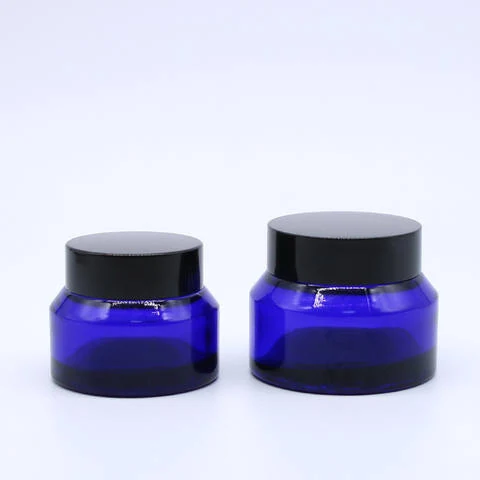
This is a newer player in the market that focuses on the assembly and distribution of specialized packaging, including glass components. Established in 2021, they recognized the gap in the market for high-end cosmetic and medical glass. They operate out of a modern facility that emphasizes precision and careful handling of delicate materials.
Their product line includes glass vials, perfume bottles, and custom-designed jars for the luxury market. They work closely with clients to develop unique shapes that represent the brand's identity. This level of customization was previously unavailable within South Sudan, forcing companies to look much further abroad.
They primarily serve the health and beauty industry which is seeing a surge in local production. Their technical team uses CAD software to help clients visualize their products before placing large orders. Innovation in design and customer service is what sets this company apart from traditional traders. They have been recognized by local business forums for their entrepreneurial spirit.
Comparison of Key Players
| Company | Founded | Core Products | Industries | Certifications |
|---|---|---|---|---|
| SSBL | 2011 | Beer Bottles | Beverage | National Standards |
| Nile Glass | 2018 | Food Jars | Food & Spirit | Quality Assured |
| Juba Packaging | 2021 | Cosmetic Glass | Beauty & Health | Pending ISO |
Part 3: Trade Shows and Industry Events
The South Sudan Trade and Investment Forum
This is the premier event for all industrial players in the country, held annually in Juba. It brings together government officials, international investors, and local manufacturers to discuss the future of the economy. For the glass industry, it is a vital place to find partners for raw material supply and machinery upgrades.
The event usually takes place in the last quarter of the year and sees hundreds of attendees from across East Africa. There are dedicated sessions for the manufacturing sector where glass packaging is a hot topic. Networking here often leads to major supply contracts and joint venture agreements. It provides a clear picture of where the market is headed and what the government’s priorities are for the coming year.
Juba International Trade Fair
This fair is a massive exhibition where companies from various sectors showcase their latest products to the public and trade buyers. It is a great opportunity for glass distributors to display their new bottle designs and meet potential clients face-to-face. The atmosphere is energetic and focused on immediate business growth and brand awareness.
The fair typically occurs in the mid-year and attracts a diverse crowd of business owners and consumers. Exhibitors show off everything from heavy machinery to delicate glassware used in homes. Many visitors look for new packaging solutions that can help them launch their own small businesses. It is a key date on the calendar for anyone involved in the glass supply chain.
Event Summary Table
| Event | Date | Location | Highlights |
|---|---|---|---|
| Trade Forum | October | Juba | Investment Focus |
| Int'l Trade Fair | June | Juba | Product Showcase |
Part 4: Impact of Global Trade Policies
Global trade policies have a direct impact on how glass is handled in South Sudan. Since the country is landlocked, it relies on the trade rules of its neighbors to access international ports. Any changes in customs duties or transit fees in Kenya can immediately raise the price of glass bottles in Juba.
The move toward regional integration through the East African Community is helping to lower these barriers. Common external tariffs are making it easier for glass to flow within the region without excessive taxes. However, global supply chain disruptions still cause delays in getting specialized glass colors or high-tech manufacturing equipment from overseas.
Developing a local manufacturing base is seen as a way to protect against global market shocks. By producing glass within the country, South Sudan can reduce its vulnerability to currency fluctuations and international shipping crises. This shift is supported by new investment laws that offer tax breaks to companies setting up factories on home soil.
Part 5: Conclusion
The glass manufacturing and distribution sector in South Sudan is full of potential for those willing to navigate its unique challenges. Rising demand from the food and beverage sectors ensures a steady market for quality packaging. As the infrastructure improves, we expect to see more advanced production techniques entering the local market.
However, high energy costs and logistics hurdles remain significant risks for new investors. Success in this industry requires a deep understanding of the local landscape and a commitment to building strong partnerships. Those who invest early in sustainable and efficient glass solutions will likely lead the market in the years to come.