Skip to content
Part 2: Market Size and Growth
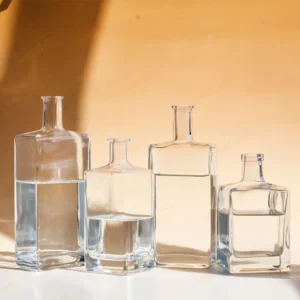
The glass bottle market in Sudan is seeing a big change right now. Sudan has a large population and many people need bottled drinks, medicine, and food. Local factories are trying to meet this need so they do not have to buy everything from other countries. The market is growing because more people live in cities and want packaged goods.
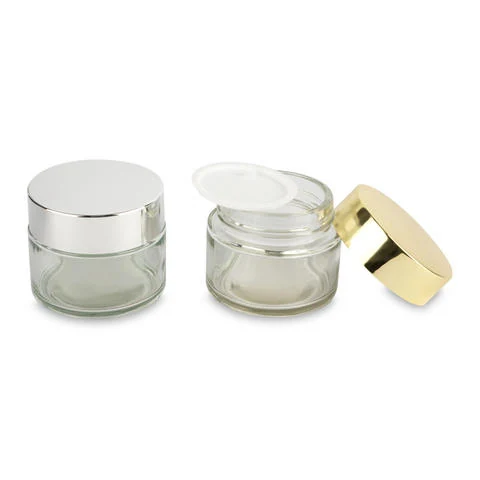
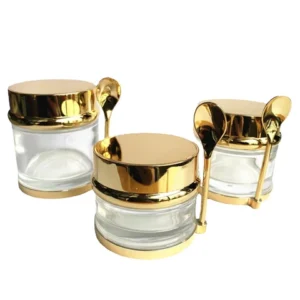
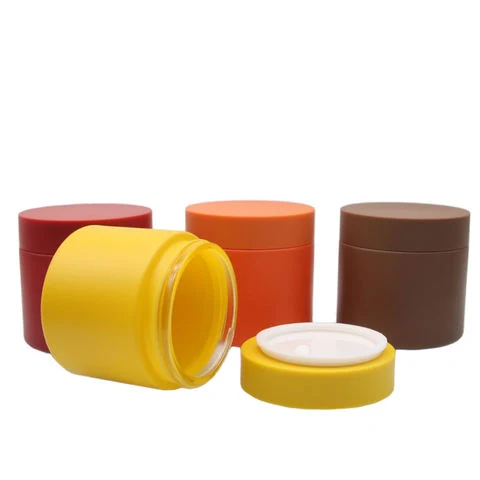
Most of the glass bottles in Sudan are used for soda, water, and juice. There is also a small but important part of the market for glass jars used in honey and jam. Because glass is easy to clean and recycle, it is becoming more popular than plastic. Companies like to use glass to show that their products are high quality and safe for the environment.
The government in Sudan wants to help local businesses grow more. They are trying to make it easier for factories to get power and raw materials. Many investors are looking at Sudan because it has the sand needed to make glass. This help from the government and new money is making the industry much stronger than before.
Understanding the Sudan Glass Demand
The demand for glass in Sudan is not just about simple bottles. It involves a complex network of logistics and supply chains. To understand this, we must look at how different industries interact. For example, the pharmaceutical industry requires very specific types of glass that can withstand heat and chemical reactions. This means manufacturers must invest in better machines and better training for their workers.
I have seen how local shops struggle when they cannot get enough bottles. This shows that the market has a lot of room to grow. If a factory can produce consistently, they will win many customers. The shift toward sustainable packaging is another huge factor. People are starting to realize that plastic waste is a problem for the Nile River and their farmland.
| Market Segment | Usage Rate | Growth Potential | Primary Material |
|---|---|---|---|
| Beverage | High | 8% Annual | Soda-lime Glass |
| Pharmaceutical | Medium | 12% Annual | Borosilicate Glass |
| Food Jars | Medium | 5% Annual | Flint Glass |
| Cosmetic | Low | 15% Annual | Specialty Glass |
The Role of Infrastructure
Infrastructure plays a massive role in how glass is made and moved. In Sudan, the proximity to the Nile and major roads helps with transport. However, the cost of energy is a major concern for every factory owner. Making glass requires a lot of heat, which means you need a steady supply of fuel or electricity.
When infrastructure improves, the cost of making a single bottle goes down. This allows local manufacturers to compete with cheap imports from Egypt or China. I believe that as the power grid becomes more stable, we will see even more factories opening up. It is a slow process, but the direction is very clear for the future of the country.
Part 2: Leading Companies
Nile Glass Factory
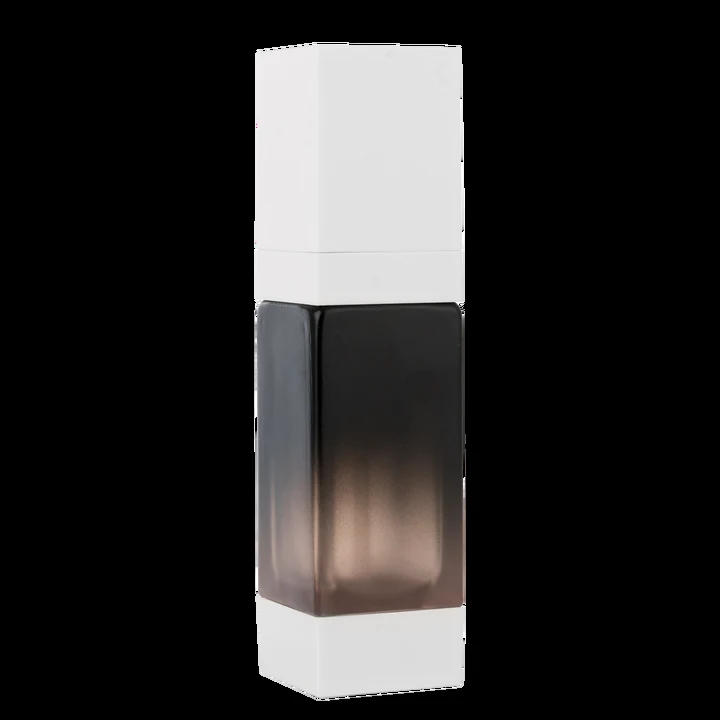
Nile Glass Factory is one of the oldest and most famous names in the country. It was started many years ago in Khartoum to help the local beverage industry. They have a long history of working with big soda brands. The factory was built to reduce the need for expensive imports from neighboring countries.
They mostly make clear glass bottles for water and carbonated drinks. They also produce some colored glass for specialized juice brands. Their service is focused on high-volume buyers who need millions of units every month. They are a key player in the supply chain for the entire East Africa region.
The company serves the beverage and food processing sectors primarily. They have recently started looking into the pharmaceutical market as well. Their technical team is working on ways to make the glass lighter while keeping it strong. They hold several local quality awards and follow basic international safety standards for food packaging.
Khartoum Glass Manufacturing
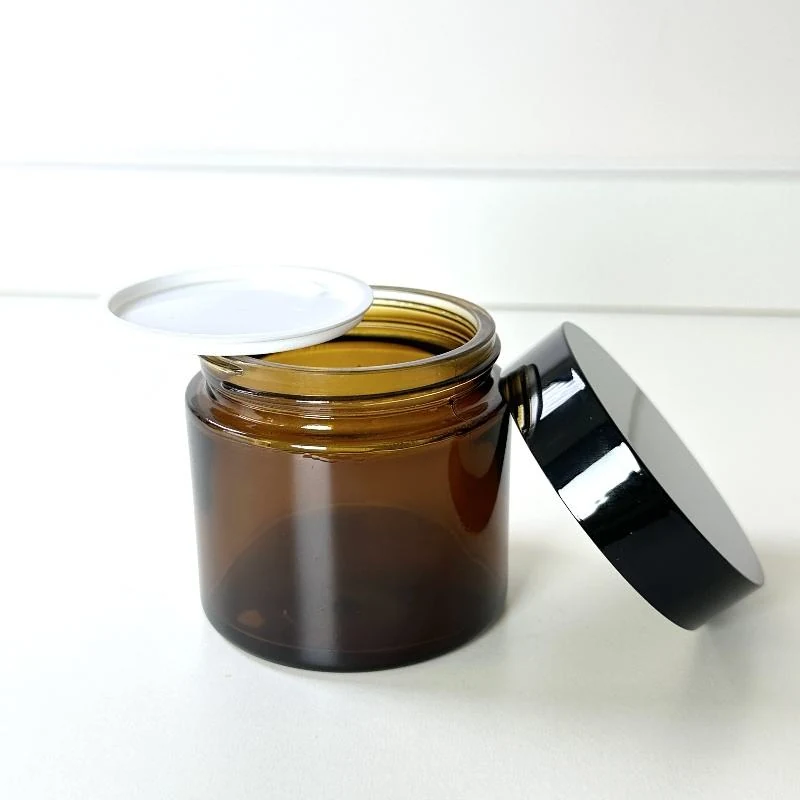
This company is located in the heart of the industrial zone in Khartoum. It was established to bring modern glass-blowing technology to Sudan. They focus on using local raw materials like high-quality silica sand. The background of the founders is in industrial engineering and international trade.
Their main products are glass jars for the food industry and glass containers for medicines. They offer custom shapes for brands that want to stand out on the shelf. You can find their jars in almost every kitchen in Sudan. They provide both wholesale and semi-custom options for medium-sized businesses.
They serve the food, health, and beauty industries across the country. One of their big innovations is a new cooling process that makes the glass more resistant to breaking. They have received ISO certifications which help them export to other African markets. Their goal is to become the top exporter of glass in the region.
White Nile Glass Works
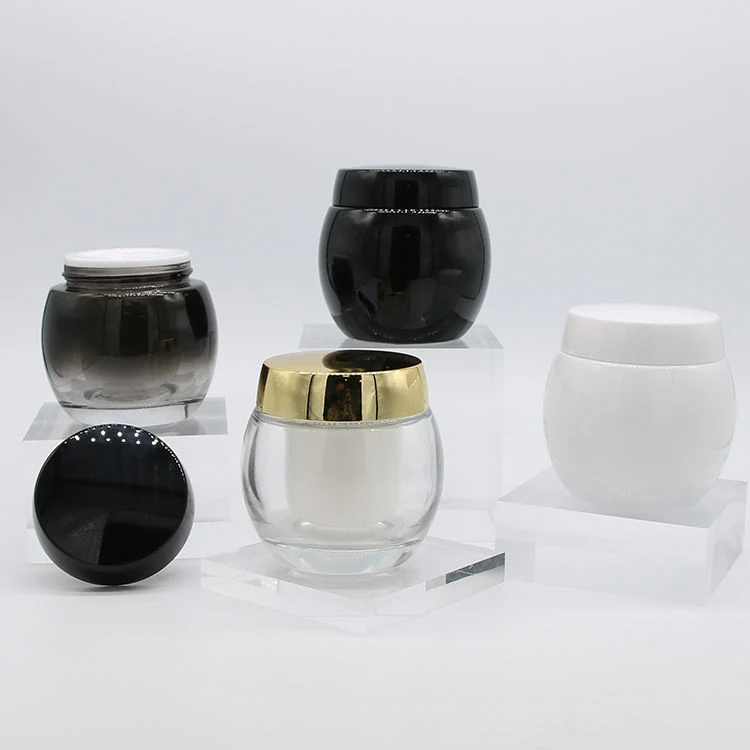
White Nile Glass Works is a newer company that focuses on high-tech glass production. It was set up with help from international partners to ensure high standards. The factory is located near major transport routes to make shipping easier. They use a lot of automation in their production lines to keep quality the same.
They produce a wide range of bottles, including those for premium oils and spirits. They also make glass for household items like bowls and simple glassware. Their focus is on high clarity and very smooth finishes. This makes their products very popular with high-end brands in the city.
The company serves the retail, hospitality, and gift industries. They are currently testing new ways to recycle old glass into new bottles. This green initiative has earned them praise from environmental groups. They are certified for safety and have won awards for their modern factory design.
Comparison of Top Manufacturers
| Company | Founded | Core Products | Industries | Certifications |
|---|---|---|---|---|
| Nile Glass Factory | 1970s | Beverage Bottles | Drinks, Water | National Quality Std |
| Khartoum Glass | 1995 | Jars & Vials | Food, Pharma | ISO 9001 |
| White Nile Glass | 2012 | Premium Bottles | Retail, Decor | Environmental Safety |
Part 3: Trade Shows and Industry Events
Sudan International Agriculture and Food Exhibition
This is one of the biggest events where glass packaging is shown. Many food producers come here to find new ways to pack their goods. It is a great place for factory owners to meet buyers face-to-face. I have found that these meetings often lead to long-term business deals.
The event usually happens once a year in Khartoum at the International Fairgrounds. Thousands of people attend from all over Africa and the Middle East. It covers everything from farming to the final packaging on the store shelf. Manufacturers show off their latest bottle designs and talk about new technology.
The highlight of the show is the networking gala where leaders discuss the future. There are also workshops on how to improve packaging for export markets. Many companies use this time to sign big contracts for the coming year.
Khartoum International Fair
The Khartoum International Fair is a general trade event but very important for glass. It features companies from many different sectors, including construction and manufacturing. Since glass is used in so many ways, it has a big presence here. You can see everything from window glass to tiny perfume bottles.
It takes place every January and lasts for about two weeks. It attracts international exhibitors from Europe, Asia, and other African nations. This diversity makes it a perfect place to see global trends. People come to see the newest machines and talk about trade policies.
The main highlight is the international pavilion where foreign tech is displayed. Local glass makers often visit these booths to learn about better furnaces. It is a hub for innovation and learning in the heart of Sudan.
| Event | Date | Location | Highlights |
|---|---|---|---|
| Ag Food Expo | Annually (Nov) | Khartoum | Packaging Innovation |
| Khartoum Int. Fair | Every January | Khartoum | International Tech |
Part 4: Impact of Global Trade Policies
Global trade policies have a huge effect on how we make glass in Sudan. When there are sanctions or trade barriers, it is hard to get spare parts for machines. This makes the cost of production go up for everyone. However, when trade agreements are signed, it opens up new markets for Sudanese glass.
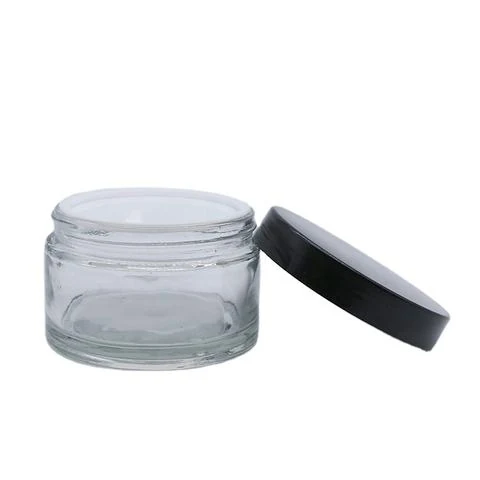
Local companies are now trying to make more things at home. This is called "local substitution" and it helps protect the economy. If we can make our own bottles, we do not worry as much about the price of the US dollar. It also creates many jobs for people in the local community.
The competition from international brands is still very strong. Many cheap bottles come in from overseas and make it hard for local shops to survive. But the opportunity is there because Sudan is a gateway to other landlocked countries. If we can produce high-quality glass, we can sell it to our neighbors and grow the whole region.
Part 5: Conclusion
The glass industry in Sudan has a bright future with many opportunities. As the population grows and more people move to cities, the need for bottles will stay high. The shift towards eco-friendly packaging is a big win for glass manufacturers. I believe that with the right investment, Sudan can become a major hub for glass in Africa. It is an exciting time to be part of this industry and watch it change every day.
However, there are still many challenges that we must face together. High energy costs and unstable power can make production very difficult at times. The competition from foreign imports also requires local factories to be very efficient. We must focus on better quality and lower prices to stay ahead of the game. If we can solve these problems, the industry will be strong for many years to come.