Skip to content
Part 1: Market Size and Growth
The market for glass containers in Suriname is seeing steady growth because of the rising demand in the beverage and food sectors. As more local businesses focus on sustainable packaging, glass has become a top choice over plastic. I notice that the local economy relies heavily on imports, but there is a clear shift toward strengthening local supply chains to reduce costs.

The current market size is shaped by the expansion of the domestic juice, beer, and condiment industries which require high-quality glass bottles. Many small-scale producers in Paramaribo are looking for reliable partners who can provide customized shapes and sizes. This creates a unique environment where demand for specialized glass items like honey jars and spirit bottles is consistently high.
Government policies and regional trade agreements like CARICOM are making it easier for businesses to move goods across borders. There is a lot of talk about green energy and reducing waste, which pushes companies to invest more in recyclable glass materials. I see that international investors are looking at the Caribbean as a hub for light manufacturing, and Suriname is positioned well due to its natural resources and growing industrial clusters.
The glass packaging sector in Suriname is not just about simple containers anymore but involves a mix of functionality and branding. Companies are now looking for bottles that can withstand high pressure for carbonated drinks or high temperatures for hot-fill juices. This technical requirement means that manufacturers must focus on durability and thermal shock resistance to keep up with the modern food safety standards required for export.
Market Dynamics Table
| Category | Market Trend | Driver | Future Outlook |
|---|---|---|---|
| Beverage Packaging | High Demand | Rise in local craft beer and juice production | Shift to lightweight glass |
| Food Jars | Growing | Increased home-based food processing | Focus on decorative and reusable lids |
| Pharmaceutical | Emerging | Expansion of local healthcare and labs | Need for amber and flint glass |
Part 2: Leading Companies
Suriname Glass Solutions
This company was established in 2012 in the capital city of Paramaribo to fill the gap in specialized glass distribution and finishing. They started as a small workshop focusing on basic glass cutting but quickly grew into a major player in the industrial packaging scene. Their background is rooted in providing logistical support for the beverage industry across the country.
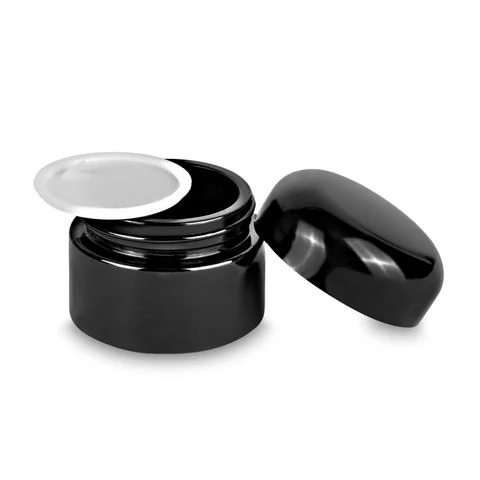
They offer a wide range of products including standard beer bottles, heavy-duty spirit decanters, and various types of jars for the food industry. Instead of just selling the glass, they provide value-added services like custom labeling and cap fitting for local startups. Their team works closely with clients to ensure the glass thickness meets the specific safety requirements for different liquid types.
The company mainly serves the food and beverage industry, but they also have a strong presence in the hospitality sector. They supply high-quality glassware to hotels and restaurants that need durable items for daily use. Their ability to handle both large bulk orders and smaller custom batches makes them a favorite for local business owners who are just starting out.
Innovation is a key part of their strategy, and they are currently exploring ways to incorporate more recycled cullet into their production process. They have recently invested in new machinery that allows for more precise molding of intricate bottle designs. This focus on technology helps them reduce waste and provide more consistent quality across every production run they complete.
They hold several local quality certifications and have been recognized by regional trade bodies for their contribution to the local manufacturing sector. Their commitment to international safety standards ensures that their bottles are safe for food contact and can be exported to neighboring countries without issues. They take great pride in being a reliable link in the Caribbean supply chain.
Tropical Container Corp
Tropical Container Corp began its operations in the early 2000s and is located near the main port area to facilitate easy shipping. The company was founded by a group of engineers who wanted to modernize the way glass is handled in the region. They have a long history of working with international glass technology to bring the best practices to the local market.
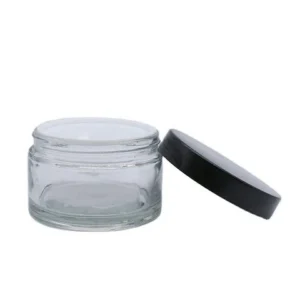
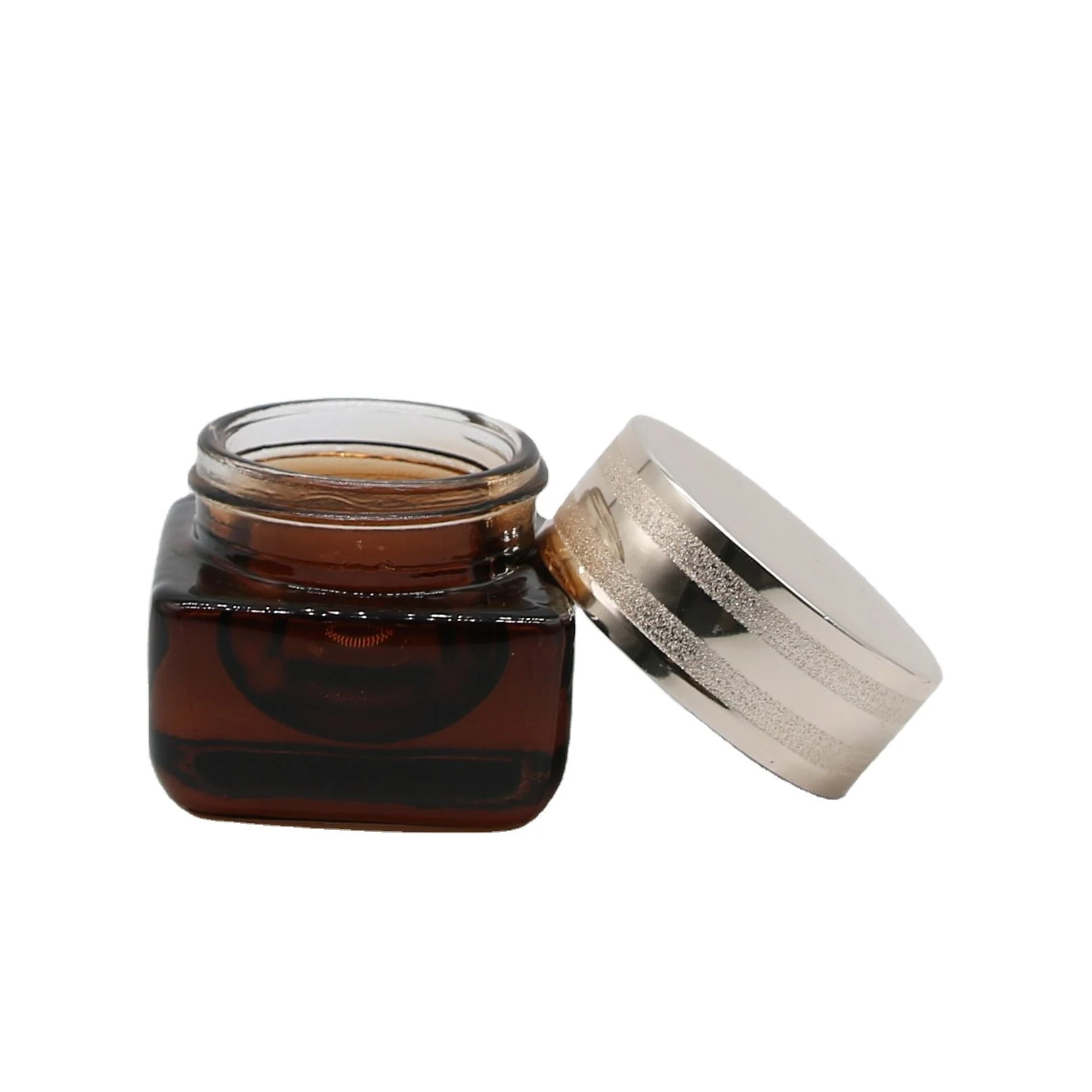
Their product line is extensive and covers everything from small cosmetic jars to large 1-liter juice bottles. They focus heavily on the structural integrity of the glass, ensuring that every piece can survive long-distance transport on bumpy roads. Their production process involves rigorous testing for clarity and strength to meet the high expectations of their global clients.
The primary industries they serve include the alcoholic beverage sector and the pharmaceutical market. They provide specialized amber glass that protects sensitive contents from UV light, which is crucial in a tropical climate like Suriname. Their products are used by some of the largest soda manufacturers in the region who require millions of units every year.
Technical innovation at this company is centered on lightweighting, which means making bottles thinner but just as strong. This helps reduce shipping costs and lowers the carbon footprint of the packaging. They also use advanced computer-aided design to help customers visualize their custom bottle shapes before the mold is even created.
They have achieved ISO certifications for quality management and environmental safety, which has helped them secure contracts with multinational brands. Their reputation for being on time with deliveries has earned them multiple "Supplier of the Year" awards from their biggest clients. They continue to set a high bar for excellence in the Caribbean glass manufacturing industry.
Amazonia Glassworks

Amazonia Glassworks is a newer player, founded in 2018 in the Wanica District, with a focus on high-end and artisanal glass products. They saw a need for more beautiful and unique glass containers that could help premium brands stand out on the shelf. The background of the founders is in creative design and industrial engineering, combining art with utility.
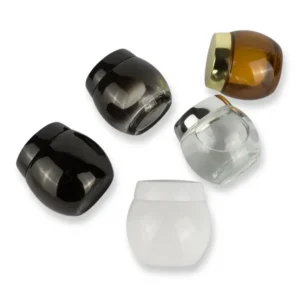
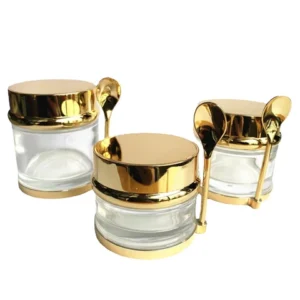
Their products include elegantly designed wine bottles, decorative storage jars, and unique glass items for the home decor market. They use a mix of traditional techniques and modern automation to create glass that has a distinct look and feel. Each product is crafted to be aesthetically pleasing while still being practical for high-volume commercial use.
They primarily serve the luxury gift market, boutique beverage brands, and the interior design industry. Many of their clients are looking for limited-edition packaging for special product launches. They also provide customized glass solutions for corporate gifts, where logos and brand names are etched directly into the glass surface with high precision.
The company focuses on using eco-friendly melting processes and has integrated solar power into their manufacturing facility. They are constantly experimenting with new colors and textures that are not usually found in standard industrial glass. This creative approach allows them to offer products that are truly unique in the Suriname market and beyond.
They have won several awards for design innovation and are certified by local environmental groups for their sustainable practices. Their focus on niche markets has allowed them to grow quickly and establish a strong brand identity. They are often featured in regional business magazines as a model for modern, sustainable manufacturing in South America.
Company Comparison Table
| Company | Founded | Core Products | Industries | Certifications |
|---|---|---|---|---|
| Suriname Glass Solutions | 2012 | Beer & Spirit Bottles | F&B, Hospitality | Local Trade Quality |
| Tropical Container Corp | 2005 | Pharmaceutical & Soda Bottles | Medical, Beverage | ISO 9001, ISO 14001 |
| Amazonia Glassworks | 2018 | Artisanal & Luxury Jars | Giftware, Premium F&B | Eco-Sustainable Award |
Part 3: Trade Shows and Industry Events
The Suriname Business Forum and Trade Fair is one of the most important events for the local manufacturing sector. It brings together producers from all over the country to showcase their latest products and find new business partners. I believe this event is the best place to see how the glass industry is evolving and meeting new market demands.
This event usually takes place every year in Paramaribo at the Chamber of Commerce and Industry grounds. It attracts thousands of visitors, including government officials, international buyers, and local entrepreneurs. The atmosphere is very energetic, with many live demonstrations of new manufacturing technologies and networking sessions that last all day.
The highlights of the fair include workshops on export readiness and panels on sustainable packaging solutions. For glass manufacturers, it is a chance to show off their custom molding capabilities and meet with potential clients face-to-face. Many deals are signed right on the trade show floor, making it a critical date on the industrial calendar.
The CARICOM Business Expo is another major event that impacts the glass industry in Suriname. This expo focuses on trade between Caribbean nations and helps local manufacturers reach a wider audience outside of their home country. It is a massive gathering that moves to different member countries, but Suriname always has a very strong presence.
The expo features hundreds of exhibitors and provides a platform for high-level discussions on regional trade policies. It is a great opportunity for glass producers to learn about the specific packaging needs of other islands and territories. The connections made here often lead to long-term export contracts that help local factories expand their production capacity.
Key highlights of this event include the focus on "Made in the Caribbean" products and the push for regional self-sufficiency. There are often specialized zones for packaging and industrial materials where glass manufacturers can network with food and beverage giants. The scale of the event makes it a must-attend for anyone serious about the regional glass market.
Industry Events Summary
| Event | Date | Location | Highlights |
|---|---|---|---|
| Suriname Business Forum | Annual (Oct/Nov) | Paramaribo | Local B2B networking, export workshops |
| CARICOM Business Expo | Biennial | Rotating Locations | Regional trade, packaging innovations |
Part 4: Impact of Global Trade Policies
Global trade policies play a huge role in how the glass industry operates in Suriname. Changes in import tariffs on raw materials like soda ash and silica sand can quickly change the cost of production for local factories. I see that international trade agreements are becoming more complex, and businesses must stay informed to remain competitive in the global market.
The trend toward local substitution is growing as companies try to avoid the risks of long global supply chains. By sourcing more glass containers locally, businesses in Suriname can protect themselves from the price spikes and delays seen in international shipping. This shift is creating more jobs and encouraging local factories to upgrade their technology to match the quality of imported goods.
International competition is tough, especially with large manufacturers from Asia and Europe entering the regional market. However, Suriname has the advantage of being close to other South American and Caribbean markets. This proximity allows for faster delivery times and lower transport costs, which is a major selling point for clients who need their bottles delivered on a tight schedule.
Part 5: Conclusion
The glass manufacturing industry in Suriname is full of opportunities as the region moves away from plastic packaging. With a growing focus on sustainability and high-quality food production, the demand for glass bottles and jars will only continue to rise. I believe that companies that invest in new technology and focus on customer service will find a very bright future here.
However, there are still challenges such as the high cost of energy and the need for more skilled labor in the factories. Global economic shifts and fluctuating raw material prices can also put pressure on profit margins. Despite these risks, the strength of the local market and the drive for regional trade make Suriname a very interesting place for the glass business right now.