Skip to content
Part 1: Market Size and Growth
Switzerland has a smaller glass bottle manufacturing sector compared with larger European countries. Yet the country plays an important role in high-quality packaging and precision manufacturing. Swiss industries such as pharmaceuticals, food, beverages, and luxury cosmetics rely heavily on reliable glass packaging. Glass bottles remain a preferred choice because they protect product quality and support a premium brand image.
Swiss manufacturing culture places strong focus on precision, safety, and long product life. This mindset influences the glass packaging sector as well. Many producers focus on durable bottles, stable supply, and strict quality control. The industry often serves high-value markets rather than mass-volume production.
The demand for glass containers in Switzerland is closely tied to the country’s beverage and pharmaceutical sectors. Wine producers, mineral water brands, and specialty beverage companies all depend on glass bottles for packaging. Glass offers chemical stability and strong protection, which makes it suitable for sensitive liquids such as medicine and premium beverages.
Swiss consumers also place high value on environmental responsibility. Glass bottles fit well with this mindset because they are fully recyclable. Many local recycling programs collect and reuse glass containers efficiently. As a result, recycled glass plays an important role in the supply chain of bottle production.
Key Demand Drivers
Several market factors support the steady demand for glass bottles in Switzerland. The country has strong pharmaceutical companies that require high-purity glass containers for medical products. Food and beverage producers also prefer glass because it preserves taste and freshness.
| Demand Factor | Industry Impact |
|---|---|
| Pharmaceutical production | Need for sterile glass containers |
| Beverage and mineral water brands | High demand for durable bottles |
| Sustainability goals | Increased recycled glass use |
| Premium product branding | Growth of custom bottle design |
Another important driver is the premium nature of Swiss consumer goods. Many companies focus on high-quality positioning rather than low prices. Glass packaging helps communicate this message to consumers. The clarity, weight, and appearance of glass bottles often enhance the perceived value of a product.
Industrial Structure and Production Model
Switzerland does not host a large number of glass bottle factories. The country’s high energy costs and limited industrial space make large-scale production challenging. Instead, the industry focuses on specialized manufacturing and advanced packaging solutions.
Some companies concentrate on pharmaceutical glass, which requires strict safety standards and precise chemical composition. Others focus on beverage bottles for mineral water and premium drinks. These producers often work closely with local brands to develop tailored packaging designs.
Automation plays a significant role in Swiss glass manufacturing. Modern production lines use sensors, robotics, and digital monitoring systems to maintain consistent quality. These technologies reduce waste and help manufacturers maintain strict regulatory standards.
Recycling and Environmental Strategy
Recycling systems in Switzerland are among the most efficient in Europe. Many communities have dedicated glass collection stations. Consumers sort glass by color, which improves the quality of recycled material.
Manufacturers often use recycled glass, also called cullet, as a raw material. This practice reduces energy consumption because cullet melts at lower temperatures than new raw materials. Using recycled glass helps companies reduce carbon emissions while maintaining product quality.
Environmental regulations also encourage companies to improve furnace efficiency and reduce industrial emissions. Some plants have invested in electric melting technology and advanced filtration systems. These changes support national sustainability goals while maintaining strong manufacturing capacity.
Export and International Trade
Swiss glass bottle manufacturers operate in a highly globalized market. Many companies export specialty containers to other European countries and international markets. Pharmaceutical packaging, in particular, has strong export demand because of Switzerland’s reputation for precision and safety.
At the same time, Switzerland imports a significant number of glass bottles from neighboring countries such as Germany, France, and Italy. These imports help meet large-volume demand for beverages and food packaging. Local producers therefore focus more on specialized or premium segments.
Trade agreements between Switzerland and the European Union help facilitate cross-border supply chains. These agreements allow manufacturers to source raw materials and export finished products with fewer barriers.
Even though the domestic market is relatively small, the Swiss glass bottle sector remains important for several industries. High standards, technological expertise, and environmental awareness continue to shape the development of this industry.
Part 2: Leading Companies
Vetropack Group

Vetropack Group is one of the most prominent glass packaging manufacturers in Switzerland. The company was founded in 1911 and is headquartered in Bülach. Over the decades it has expanded across Europe and built several production facilities in different countries.
The company focuses on glass containers for beverages and food products. Its product portfolio includes beer bottles, wine bottles, mineral water bottles, and jars for preserved foods. Vetropack works closely with beverage producers to develop bottle shapes that balance design and durability.
Many breweries and beverage brands rely on Vetropack for stable supply and consistent quality. The company uses advanced furnace technology and automated inspection systems to ensure each bottle meets strict standards. These systems help reduce defects and maintain high production efficiency.
Vetropack also places strong emphasis on sustainability. The company invests in energy-efficient production and recycled glass usage. Its environmental programs aim to reduce emissions while maintaining high-quality glass packaging.
Stoelzle Glass Group
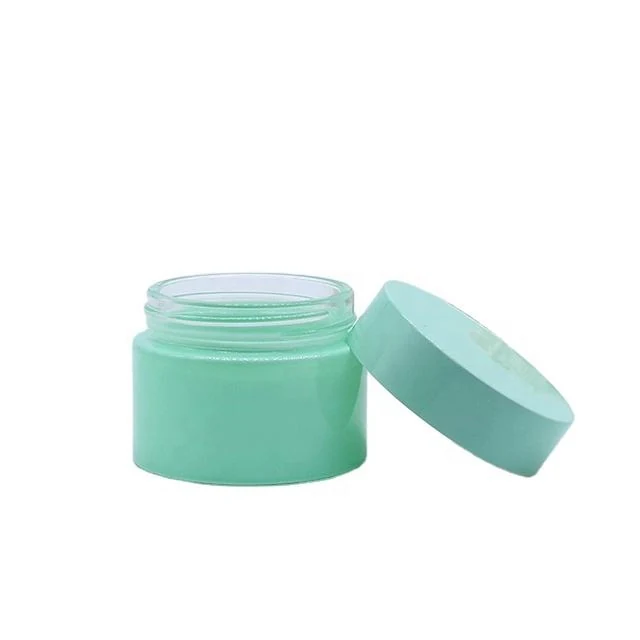
Stoelzle Glass Group is an international glass container manufacturer with strong operations connected to Switzerland. The company has a long history in the glass industry and focuses mainly on premium packaging solutions.
The company produces glass bottles for spirits, cosmetics, and pharmaceutical products. Many luxury brands select Stoelzle containers because of their high clarity and refined design. The bottles often feature thick bases and detailed shapes that highlight product value.
Stoelzle also provides decoration services such as embossing, coating, and printing. These techniques allow brands to create distinctive packaging without changing the basic bottle structure. The company works closely with designers and marketing teams during product development.
Innovation is a key element of Stoelzle’s strategy. The company invests in lightweight glass technology and improved production efficiency. These innovations help reduce material use while maintaining the premium appearance required by luxury brands.
Müller + Krempel AG

Müller + Krempel AG is a Swiss company known for supplying glass containers and packaging solutions. The company focuses on distributing and developing packaging products for pharmaceutical, food, and cosmetic industries.
The company offers a wide range of glass bottles, jars, and laboratory containers. Many pharmaceutical firms rely on its packaging because it meets strict regulatory requirements. Quality control and traceability are essential parts of its operations.
Müller + Krempel works with manufacturers and clients to develop packaging solutions that fit specific applications. This approach helps companies reduce packaging risks and ensure compatibility with filling equipment.
The company also emphasizes sustainable packaging strategies. Many of its glass products are recyclable and designed for long product life. These characteristics align with the environmental expectations of the Swiss market.
| Company | Founded | Core Products | Industries | Certifications |
|---|---|---|---|---|
| Vetropack Group | 1911 | Beverage bottles and food jars | Beverage, food | Environmental and quality certifications |
| Stoelzle Glass Group | 1800s origins | Premium glass bottles | Spirits, cosmetics, pharmaceutical | Packaging quality and sustainability standards |
| Müller + Krempel AG | 20th century | Glass packaging containers | Pharmaceutical, food, cosmetics | Safety and quality certifications |
Part 3: Trade Shows and Industry Events
FachPack
FachPack is a well-known European packaging trade fair that attracts companies from many packaging sectors, including glass container manufacturing.
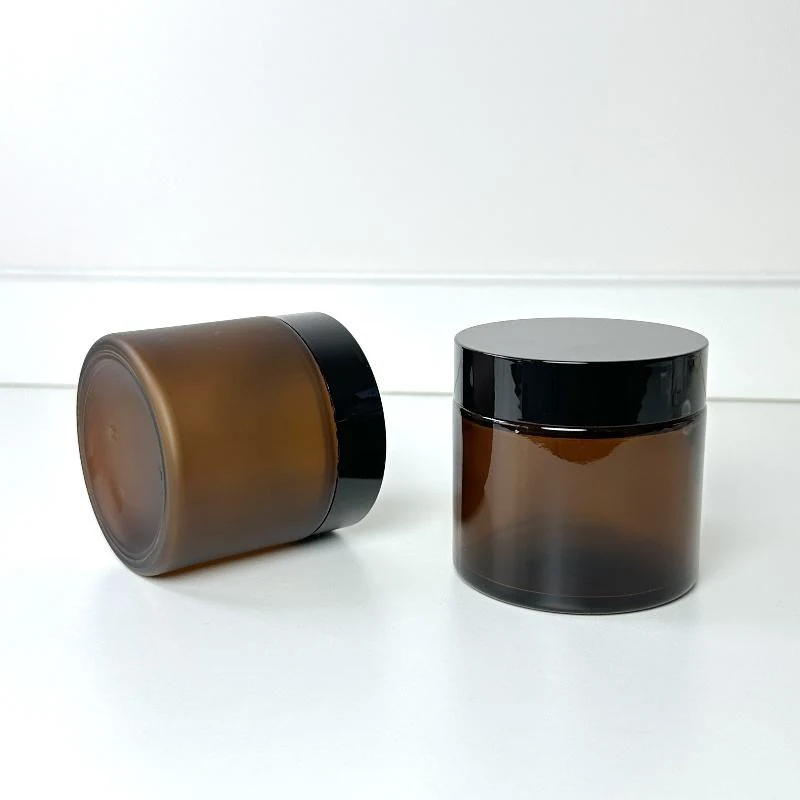
The exhibition usually takes place in Nuremberg, Germany. Swiss companies frequently attend the event because it connects packaging suppliers with food, beverage, and pharmaceutical producers.
FachPack focuses on packaging materials, logistics, and technology. Glass bottle manufacturers use the event to showcase new designs and sustainable production methods. Visitors can explore automation systems, packaging materials, and recycling solutions.
Luxe Pack Monaco
Luxe Pack Monaco is a major international exhibition dedicated to luxury packaging. Many companies involved in premium glass bottles participate in this event.
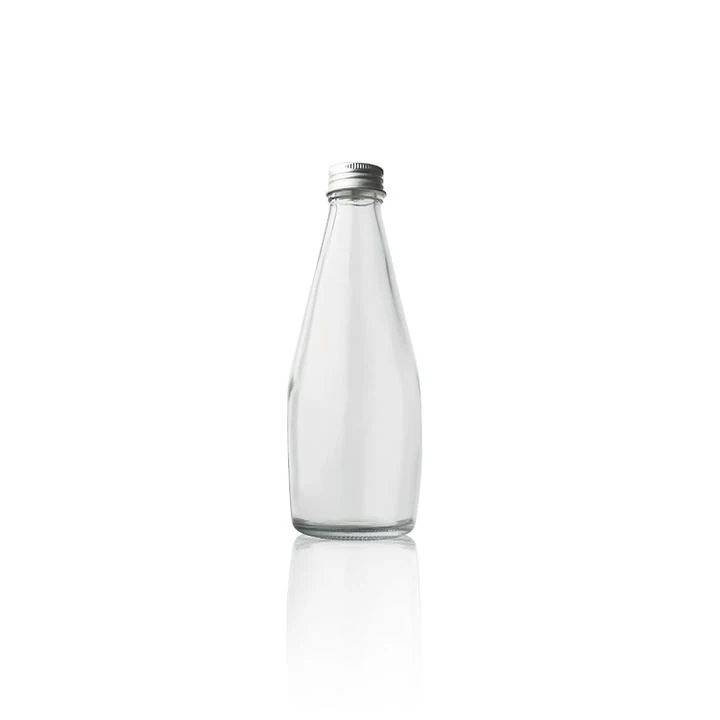
The exhibition takes place annually in Monaco and attracts luxury brand owners from around the world. Cosmetics, perfumes, and spirits brands often attend to explore new packaging designs.
Glass bottle manufacturers showcase decorative techniques, innovative shapes, and high-end materials at the event. These features help luxury brands create distinctive packaging that supports premium product positioning.
| Event | Date | Location | Highlights |
|---|---|---|---|
| FachPack | Annual | Nuremberg, Germany | Packaging technology and materials |
| Luxe Pack Monaco | Annual | Monaco | Luxury packaging and design innovation |
Part 4: Impact of Global Trade Policies
Global trade policies influence the Swiss glass bottle industry in several ways. Because Switzerland has a small domestic market, many companies depend on international trade. Changes in tariffs or logistics costs can affect production strategies.
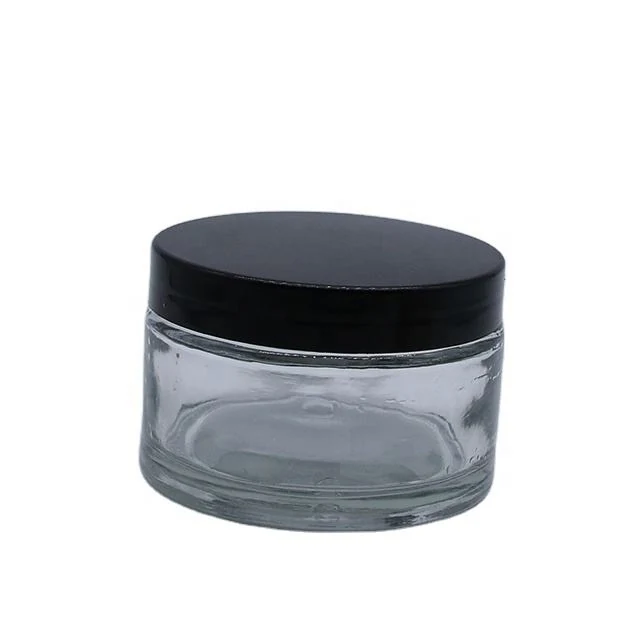
Switzerland maintains close economic relationships with the European Union. Trade agreements allow relatively smooth movement of goods between Switzerland and EU countries. These agreements help glass packaging companies export products and source raw materials efficiently.
Energy policy also has a strong impact on glass production. Glass furnaces require extremely high temperatures, which means energy costs are a major factor in manufacturing expenses. Swiss energy regulations encourage companies to improve efficiency and reduce emissions.
Another influence comes from environmental policies related to recycling and packaging waste. Many governments now encourage recyclable materials, which supports the demand for glass containers. Glass bottles can be reused or recycled without losing quality, making them attractive under sustainability policies.
Global competition is also increasing. Manufacturers in Asia and Eastern Europe often produce glass containers at lower cost. Swiss companies respond by focusing on specialized products, high quality standards, and strong customer relationships.
Despite competitive pressure, Swiss glass packaging retains a strong reputation for reliability and precision. This reputation helps manufacturers maintain long-term partnerships with global brands.
Part 5: Conclusion
The glass bottle manufacturing sector in Switzerland reflects the country’s broader industrial strengths. Precision engineering, strong environmental awareness, and strict quality standards shape the development of this industry. Glass packaging remains essential for beverages, pharmaceuticals, and luxury goods produced in Switzerland.
Looking forward, sustainability and technological innovation will continue to influence the industry. Companies must balance environmental regulations, energy costs, and global competition. Those that invest in efficient production, recycled materials, and creative packaging design are likely to remain competitive in the global market.