Skip to content
Part 1: Market Size and Growth
The packaging industry in Timor-Leste is undergoing a significant transformation as the nation builds its industrial base. Historically dependent on imports, the country is now seeing a surge in local beverage production and food processing. This shift is creating a robust demand for high-quality glass bottles that meet international standards. As the government pushes for economic diversification, glass has become a symbol of the move toward a more formal and sustainable private sector.

The market size for glass containers is growing rapidly, driven primarily by the brewing and soft drink sectors. While the population is relatively small, the presence of major international players has professionalized the supply chain. Local manufacturers of coconut oil, coffee products, and traditional sauces are also moving away from plastic. Glass is increasingly favored for its ability to preserve product integrity in the tropical climate of Dili.
Government investment and foreign partnerships are the primary catalysts for this industrial growth. The strategic development plan for 2011-2030 prioritizes the creation of a mature private sector through manufacturing. Local industrial clusters are forming around the capital, supported by improved logistics and trade agreements with neighboring ASEAN nations. New tax incentives are successfully attracting global glass suppliers to establish a footprint in the local market.
Deep Dive into the Timor-Leste Industrial Landscape
The rise of the glass industry in Timor-Leste is deeply connected to the nation's goal of reducing its reliance on expensive finished goods from abroad. By establishing local bottling and packaging capabilities, businesses can significantly lower their operational costs over time. This is especially true for the beverage industry, where the weight of glass makes long-distance shipping a major expense. Local production allows for a more responsive supply chain that can adapt to seasonal demands.
| Component | Market Specification | Impact on Local Industry |
|---|---|---|
| Glass Type | Soda-lime flint and amber | Standardizes beverage and food safety |
| Recycling | Returnable bottle systems | Reduces environmental waste in coastal areas |
| Design | Customized embossing | Helps local brands stand out in regional markets |
| Transport | Localized distribution hubs | Lowers breakage rates and shipping overheads |
Furthermore, the integration of modern manufacturing technology is helping local workers gain specialized skills in glass handling and quality control. This educational aspect is vital for the long-term sustainability of the sector. As more businesses adopt glass packaging, the demand for ancillary services like labeling and specialized logistics also grows. The move toward glass is not just about packaging; it is about building a modern industrial ecosystem from the ground up.
Part 2: Leading Companies
Several key organizations and distributors are leading the way in providing glass packaging solutions within Timor-Leste. These companies provide the essential infrastructure for the country’s growing manufacturing sector.
HEINEKEN Timor-Leste

HEINEKEN Timor-Leste represents one of the largest foreign investments in the country's manufacturing history. Located near Dili, this massive facility includes sophisticated glass bottling lines that produce global brands like Tiger and Bintang. They have a long heritage of brewing excellence and have successfully introduced local brands that resonate with Timorese culture. Their presence has set a high benchmark for glass packaging and industrial safety in the region.
The company specializes in high-volume production using returnable glass bottles, which is a key part of their sustainability strategy. Their product line includes standard beer bottles and soft drink containers designed for multiple refill cycles. This approach minimizes waste and ensures a steady supply of packaging for their beverage products. They use advanced glass-filling technology to maintain the highest quality and freshness for every unit produced.
HEINEKEN serves the entire retail and hospitality landscape of Timor-Leste, from upscale hotels to rural markets. Their distribution network is one of the most developed in the country, ensuring that glass-bottled products reach even the most remote areas. By focusing on local production, they have significantly reduced the country's need to import bottled beverages. Their operations provide hundreds of direct and indirect jobs for the local community.
Innovation at the plant includes the use of water-efficient processes and energy-saving bottling equipment. They are constantly looking for ways to lighten the weight of their glass bottles without sacrificing durability. This helps in reducing the carbon footprint associated with transporting heavy glass across the island. Their commitment to sustainable manufacturing makes them a leader in the Pacific beverage industry.
The company holds prestigious international certifications for food safety and environmental management. These awards highlight their dedication to maintaining a world-class production environment in a developing market. They are often recognized by the government for their contribution to the national Strategic Development Plan. Professionalism and operational excellence are the core pillars of their business in Timor-Leste.
Honiara Distribution (Timor-Leste Branch)
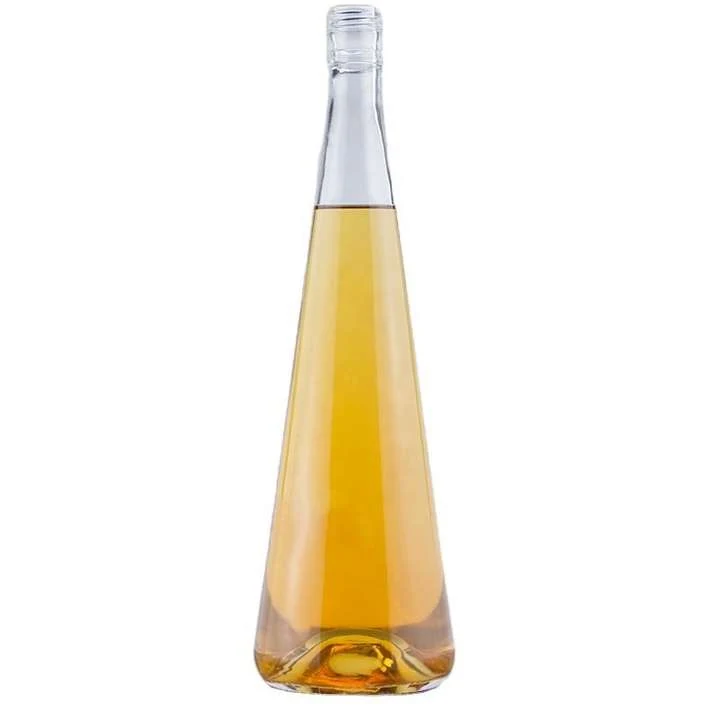
This distributor plays a vital role in supplying diverse glass containers to small and medium enterprises across the country. They specialize in sourcing a wide variety of jars and bottles that are not produced locally at high volumes. Their background is in logistics and regional trade, making them a reliable partner for many start-ups. They act as a bridge between international glass manufacturers and the local Timorese market.
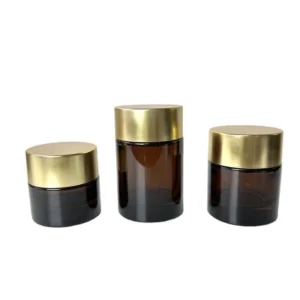
Their product range is exceptionally diverse, covering everything from amber medicine bottles to clear glass jars for organic honey. They provide specialized closures and caps that are essential for maintaining a vacuum seal in food packaging. This variety allows local producers to find the perfect packaging to match their brand identity. They offer both bulk shipping and smaller quantities to accommodate businesses of all sizes.
The company primarily serves the food processing, cosmetic, and pharmaceutical industries in Timor-Leste. They help local coffee roasters and oil producers find high-quality glass jars that appeal to international tourists. By maintaining local inventory, they help businesses avoid the long lead times associated with sea freight. Their expertise in customs and logistics makes them an essential part of the local supply chain.
Technologically, they focus on advanced inventory management systems to track glass shipments and minimize loss through breakage. They also provide consultation services on how to choose the right glass thickness and color for specific product types. This helps local entrepreneurs avoid common mistakes when selecting their packaging materials. Their focus on customer education has helped many local brands improve their market presentation.
The distributor is known for its reliability and its ability to source specific glass designs upon request. They have built a strong reputation for ethical business practices and support for the local community. Their certifications in trade and logistics ensure that all imported glass meets national safety standards. Consistency and deep market knowledge are the hallmarks of their service in Dili.
Timor Packaging Solutions

Timor Packaging Solutions is a specialized provider that focuses on the customization and branding of glass containers. They help local companies turn standard glass bottles into premium branded products through advanced labeling and etching techniques. Their mission is to elevate the "Made in Timor" brand by providing world-class aesthetic solutions. They are a key partner for companies looking to export their goods to the global market.
The company offers services such as screen printing, heat-shrink labeling, and custom glass engraving. These services allow local brands to achieve a professional look that can compete with imported products on supermarket shelves. They work with a variety of glass shapes, from sleek wine bottles to robust preserve jars. Their focus on design innovation helps local businesses create a lasting impression on their customers.
They serve a wide range of clients, including boutique wineries, traditional medicine producers, and premium gift companies. By providing low-MOQ (Minimum Order Quantity) options for customization, they make it possible for even the smallest producers to have branded glass. This has been a game-changer for the local artisanal sector in Timor-Leste. Their creative solutions are helping to modernize the visual identity of Timorese products.
In terms of innovation, they are exploring eco-friendly ink systems and recycled glass options for their clients. They use digital design tools to provide rapid prototyping, allowing businesses to see their finished product before committing to a large order. This speed and flexibility are crucial for companies launching new products in a competitive market. Their dedication to modern technology keeps them at the forefront of the local packaging industry.
The company is widely respected for its creative approach and its commitment to quality. They have received multiple local awards for business innovation and their support of Timorese entrepreneurship. Their work is a testament to the potential of local manufacturing when combined with professional design services. Quality, creativity, and local pride are the driving forces behind their success.
| Company | Founded | Core Products | Industries | Certifications |
|---|---|---|---|---|
| HEINEKEN Timor | 2016 | Beer/Soda Bottles | Beverage, Retail | ISO 14001, HACCP |
| Honiara Dist. | 2010 | Jars, Phials, Caps | Food, Pharma | Local Trade Permit |
| Timor Packaging | 2018 | Custom Labeled Glass | Cosmetics, Gifts | Creative Industry Award |
Part 3: Trade Shows and Industry Events
Trade shows are the lifeblood of the industrial sector in Timor-Leste, providing a platform for local businesses to see global innovations. These events facilitate the transfer of knowledge and technology from more developed markets to the local economy. For glass manufacturers and buyers, these gatherings are essential for building trust and negotiating long-term contracts. Active participation in trade events is a sign of a company’s commitment to growth.
The Dili International Trade Expo is the most significant business event in the country, attracting exhibitors from all over Southeast Asia. It features a wide range of sectors, with a growing focus on manufacturing and packaging technology. Businesses use this event to showcase their latest glass designs and to meet with potential distribution partners. The expo is a critical hub for networking and discovering new market trends.
Another important event is the ASEAN-Timor Business Forum, which focuses on integrating the country into the regional economy. This forum often discusses the harmonization of packaging standards and the reduction of trade barriers for industrial goods. The highlights include specialized workshops on sustainable glass production and the future of the circular economy in the Pacific. This event helps local manufacturers align their products with international export requirements.

| Event | Date | Location | Highlights |
|---|---|---|---|
| Dili International Expo | Annual | Dili Convention Centre | Local branding, B2B matchmaking |
| ASEAN-Timor Forum | Biennial | Honiara/Dili | Trade policy, sustainability focus |
Part 4: Impact of Global Trade Policies
Global trade policies significantly influence the glass bottle market in Timor-Leste, as the country continues its journey toward WTO and ASEAN membership. These international agreements are designed to lower tariffs on raw materials and manufacturing equipment, making it cheaper to produce glass locally. However, changes in global maritime laws can also affect shipping costs, which directly impacts the price of imported glass. Navigating these complex policies is essential for maintaining a competitive edge.

The focus on local substitution is a strategic response to global supply chain disruptions that have occurred in recent years. By encouraging the development of local glass processing and recycling facilities, the government aims to shield the economy from external shocks. This policy not only protects local businesses but also creates a more resilient and self-sufficient nation. Reducing import dependency is a core goal of the national economic agenda.
International competition from larger regional players like Indonesia and Vietnam keeps the local market dynamic. While this competition can be challenging for new start-ups, it also drives them to adopt more efficient technologies and higher quality standards. By meeting these international benchmarks, Timorese glass products become more attractive for export to neighboring islands. Global competition is a powerful catalyst for local industrial excellence.
Part 5: Conclusion
The future of the glass bottle industry in Timor-Leste is bright, with numerous opportunities for growth and innovation. As the hospitality and beverage sectors continue to expand, the demand for premium, sustainable glass packaging will remain high. Businesses that invest in modern technology and strong regional partnerships will be well-positioned to capitalize on these trends. The ongoing industrialization of the country provides a solid foundation for long-term success.
Despite the positive outlook, companies must remain vigilant about the challenges of high logistics costs and limited infrastructure. Success in this market requires a deep understanding of local needs combined with a global perspective on quality and sustainability. By focusing on resilience and efficiency, the glass industry can continue to play a vital role in the economic development of Timor-Leste. Strategic planning and local expertise are the keys to thriving in this evolving landscape.