Skip to content
Part 1: Market Size and Growth
The demand for glass containers in Togo is currently seeing a significant upward trend as the local beverage and pharmaceutical sectors expand. While Togo has historically relied on glass imports from neighboring regional giants like Nigeria and Ghana, the push for industrial sovereignty is changing the landscape. The government is actively encouraging local manufacturing to reduce the trade deficit and support the booming agro-industry in the West African region.
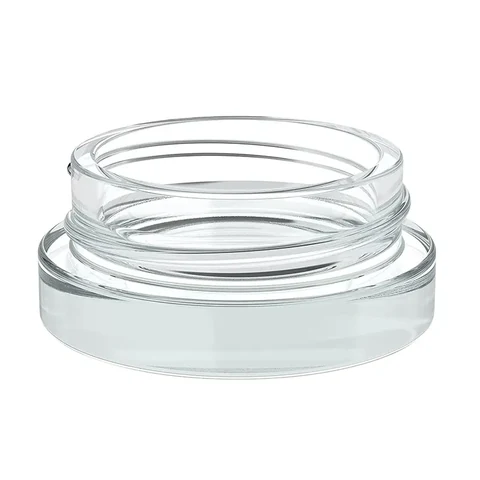
As the middle class in Lome and other urban centers grows, consumer preference is shifting toward glass packaging due to its perceived health benefits and premium feel. The beverage industry, including beer and carbonated soft drinks, remains the largest consumer of glass bottles in the country. This growth is further supported by the increasing global awareness of plastic pollution, pushing brands to adopt infinitely recyclable glass solutions.
Regional trade agreements within the ECOWAS block have also simplified the movement of raw materials and finished glass goods across borders. This has turned Togo into a strategic transit hub for glass packaging destined for landlocked neighbors like Burkina Faso and Niger. The focus on sustainable packaging is no longer just a trend but a core requirement for doing business in Togo today.
Deep Dive into Industrial Dynamics
When we analyze the local market, we see that the reliance on the "Returnable Glass Bottle" (RGB) system is extremely high among Togo's major beverage producers. This circular model allows companies to keep packaging costs low while maintaining a consistent supply for their production lines. For new entrants, the challenge lies in setting up efficient collection networks to gather used glass for recycling or washing.
The table below highlights the primary sectors driving glass demand within the Togolese market.
| Sector | Growth Rate (Est.) | Primary Bottle Type | Demand Driver |
|---|---|---|---|
| Alcoholic Beverages | 6.5% | Amber & Green Glass | Local Brewery Expansion |
| Food & Condiments | 4.2% | Wide-mouth Jars | Export of Processed Goods |
| Pharmaceuticals | 5.8% | Flint & Amber Vials | Local Medicine Packaging |
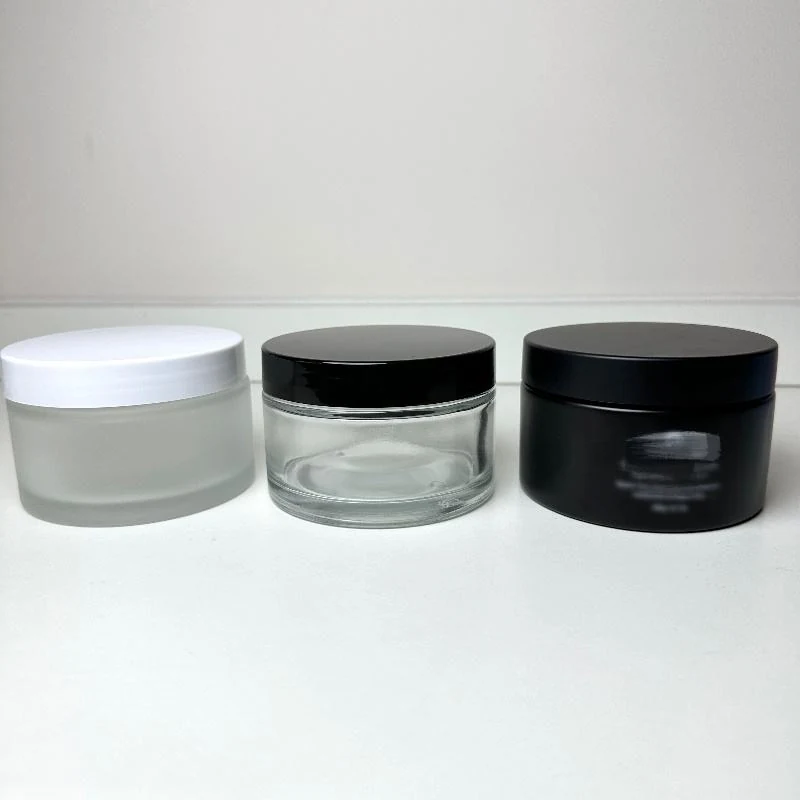
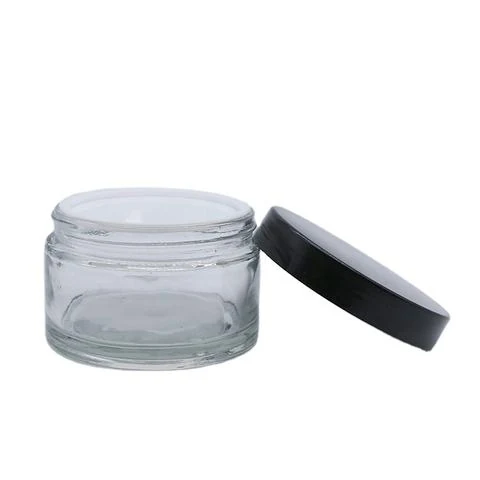
| Personal Care | 3.5% | Clear Cosmetic Jars | Boutique Beauty Brands |
Investing in glass manufacturing in Togo requires a focus on energy efficiency, as power costs can be a major hurdle for furnace operations. Many companies are now looking at hybrid energy solutions to keep their production running smoothly. The transition to modern, automated glass blowing machines is essential for maintaining the high-quality standards required by international brands. By bridging the gap between high demand and local supply, manufacturers can secure a dominant position in the market.
Part 2: Leading Companies
Beta Glass (West Africa Operations)

As the largest glass container manufacturer in the West and Central African region, Beta Glass is a primary supplier for the Togolese market. Although their main furnaces are located in neighboring countries, they maintain a massive distribution network and representative presence in Togo. They have decades of experience in high-volume production, serving the biggest names in the global beverage industry.
They offer a comprehensive range of glass containers in white flint, amber, and emerald green colors, ranging from small 30ml vials to large 1.5-liter bottles. Their production process is highly automated, ensuring that every unit meets strict international quality and safety standards. They are known for their technical innovation and ability to produce complex bottle shapes that help brands stand out.
The company is heavily committed to sustainability, integrating a high percentage of recycled cullet into their glass batches. This approach not only reduces energy consumption but also aligns with the environmental goals of their multinational clients. Their operations are certified under various ISO standards, reflecting their commitment to excellence and regulatory compliance across Africa.
BB Lomé (Brasseries du Bénin)

BB Lomé is the cornerstone of the beverage and glass packaging ecosystem in Togo, having been established in 1964. While they are primarily a brewery, they operate one of the most sophisticated glass management and bottling infrastructures in the country. They are the leading player in the circular glass economy, managing the lifecycle of millions of bottles every year.
They specialize in the handling and sterilization of returnable glass bottles for beers, soft drinks, and mineral water. Their facility in Lomé uses advanced inspection technology to ensure that every glass bottle is structurally sound before it is refilled. This dedication to quality has made them the exclusive partner for major global brands operating within the Togolese borders.
The company has received numerous awards for its industrial leadership and contribution to the national economy. They continue to invest in eco-friendly practices, such as water recycling and energy-efficient lighting within their plants. Their deep-rooted presence in the market makes them a vital partner for any business looking to understand the glass supply chain in Togo.
Ardagh Glass Packaging (Regional Division)

Ardagh Group is a global leader in glass packaging that has significantly expanded its footprint across Africa to serve emerging markets like Togo. They provide high-end, sustainable glass solutions that cater to the premium wine, spirits, and food sectors. Their focus is on delivering world-class packaging that combines aesthetics with superior barrier performance.
Their product catalog is vast, featuring innovative designs that are both functional and visually striking. They work closely with local Togolese spirit producers to develop custom bottles that reflect the heritage and quality of the local products. By offering "turnkey" solutions, they handle everything from initial design to final delivery, simplifying the process for their clients.
Technical excellence is at the heart of their operations, with a workforce that is trained in the latest glass-making technologies. They prioritize the use of infinitely recyclable materials, ensuring that their products contribute to a better world. Their commitment to quality and customer-centric service has earned them a reputation as a top-tier supplier in the region.
Company Comparison Table
| Company | Role in Market | Core Products | Primary Industries | Certifications |
|---|---|---|---|---|
| Beta Glass | Manufacturer | Flint/Amber Bottles | Beverage & Pharma | ISO 9001, CSR |
| BB Lomé | Bottler/Manager | Returnable Glass | Beer & Soft Drinks | National Quality |
| Ardagh Group | Global Supplier | Premium Glassware | Spirits & Food | ISO 22000, FSSC |
Part 3: Trade Shows and Industry Events
Foire Internationale de Lomé (Lomé International Fair)
The Lomé International Fair is the biggest trade event in Togo, held annually at the CETEF center. It serves as a massive platform for manufacturers, including those in the glass and packaging sectors, to showcase their innovations. For anyone in the B2B glass business, this is the best place to meet local distributors and large-scale buyers in one location.

The event usually takes place between November and December, attracting thousands of visitors from across West Africa. Exhibitors display a wide range of products, from industrial glass containers to decorative glassware for the home. The networking opportunities here are unmatched, often leading to long-term supply contracts and regional partnerships. It is a vibrant event that highlights the growing industrial strength of Togo.
Togo Manufacturing & Packaging Expo
This specialized event focuses on the technical aspects of production, including the latest machinery for glass blowing and bottling. It attracts industry leaders, engineers, and investors who are looking to modernize the local manufacturing landscape. Attendees can explore new technologies in automation, quality control, and sustainable packaging materials.
The expo provides a space for deep technical discussions and live demonstrations of new equipment. It usually features seminars on regional trade policies and the benefits of adopting a circular economy in the glass industry. For businesses looking to enter the Togolese market, this event offers vital insights into the local regulatory environment and technical requirements.
Event Summary Table
| Event | Date | Location | Highlights |
|---|---|---|---|
| Int'l Fair of Lomé | Nov - Dec | CETEF, Lomé | General Trade & B2B |
| Manufacturing Expo | Varies | Lomé | Technical & Machinery |
Part 4: Impact of Global Trade Policies
Global trade policies and regional agreements play a massive role in shaping the glass industry in Togo. As a member of the West African Economic and Monetary Union (UEMOA), Togo benefits from standardized customs duties that facilitate the trade of glass products. These policies are designed to protect local industries while encouraging the flow of high-quality goods across the region.

However, international sanctions or shifts in global shipping costs can quickly impact the price of imported raw materials like soda ash. This volatility highlights the importance of the "Made in Togo" initiative, which aims to build more resilient local supply chains. By reducing reliance on outside sources, the local glass industry can maintain more stable pricing for its customers.
The push for "local content" laws is also encouraging multinational companies to source their packaging from within the region. This creates a protective shield for local manufacturers against cheaper, lower-quality imports from outside the continent. As Togo continues to position itself as a logistics hub, these trade policies will be the foundation for future growth in the glass sector.
Part 5: Conclusion
The glass bottle industry in Togo is at a turning point, with massive opportunities for growth and modernization. As local brands scale up their production, the need for high-quality, sustainable glass packaging will only intensify. Companies that can provide flexible MOQ options and rapid delivery will find a very welcoming market in this part of West Africa.
Despite the bright future, manufacturers must be prepared for challenges like fluctuating energy prices and the need for specialized technical talent. Success will come to those who invest in both modern technology and strong local relationships. The future of packaging in Togo is clearly glass, and the journey toward a more sustainable industrial sector is just beginning.