Skip to content
Part 1: Market Size and Growth
The glass bottle market in Tonga is entering a unique phase of development as the nation focuses on sustainability. As a small island kingdom, Tonga relies heavily on imported goods, which has traditionally included pre-packaged beverages in plastic and glass. However, new environmental policies are pushing local businesses to rethink their packaging strategies in favor of more durable materials.
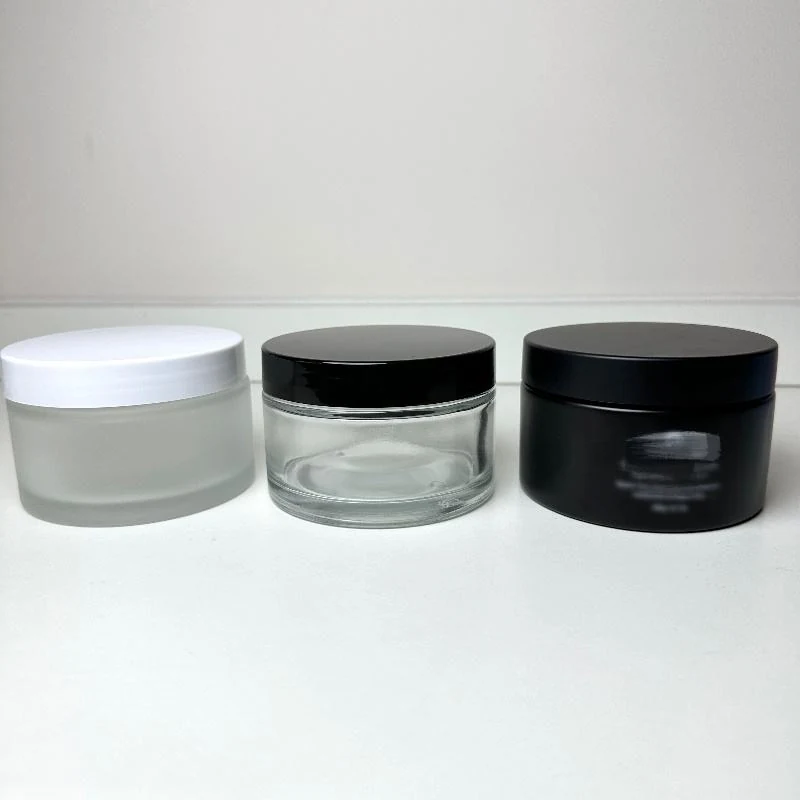
Most glass containers used in Tonga today are imported from major regional hubs like New Zealand, Australia, and China. The local market demand is driven primarily by the beverage sector, including local beer production and the growing artisanal juice market. We are seeing a steady increase in the preference for glass over plastic due to its superior preservation qualities and lower environmental impact on island ecosystems.
Government initiatives and international partnerships are now focusing on creating a circular economy for glass within the Pacific. While large-scale manufacturing plants are limited by the small domestic population, there is a rising trend in "cullet" processing and specialized recycling. These efforts aim to reduce the carbon footprint of shipping heavy glass and to support local bottling companies in maintaining a steady supply.
The Strategic Importance of Local Bottling
In my experience, the logistical challenges of island life make glass a strategic asset for any beverage brand. Shipping empty bottles across the ocean is expensive, which has led many Tongan companies to look for regional suppliers who offer flexible shipping terms. The beverage industry here is not just about soda; it includes traditional kava drinks and specialized health tonics that require high-quality glass to maintain their potency and flavor.
By using glass, local producers can target the premium tourism market, which expects high-standard packaging in hotels and resorts. This shift is creating a small but high-value niche for glass bottle distributors who can manage the supply chain efficiently. I believe that as the tourism sector continues to recover and grow, the demand for sophisticated glass designs will only increase, providing a solid foundation for regional trade.
| Market Factor | Current Status | Projected Growth (2026) | Primary Driver |
|---|---|---|---|
| Beverage Packaging | High Demand | 6.5% Increase | Local Brewing & Soft Drinks |
| Pharmaceutical | Emerging | 4.0% Increase | Traditional Medicine Exports |
| Food Jars | Medium | 5.2% Increase | Coconut Oil & Honey Exports |
| Recycling Rates | Improving | 12.0% Increase | Government Sustainability Subsidy |
Sustainability and Infrastructure Challenges
Infrastructure in Tonga is evolving to better handle the weight and volume of glass products at the Nuku'alofa port. The current focus is on improving the handling facilities to reduce the breakage rates that often plague long-distance shipping. When a shipment arrives with high breakage, it can stall production for weeks, making reliable logistics a top priority for every procurement manager I know.
Furthermore, the introduction of glass crushing technology is changing how we view "waste" on the islands. Instead of glass ending up in landfills, it is being repurposed for construction and road-making. This dual-use capability makes glass even more attractive to the government, as it solves two problems at once: waste management and the need for building materials.
Part 2: Leading Companies
Royal Beer Co. (Tonga)
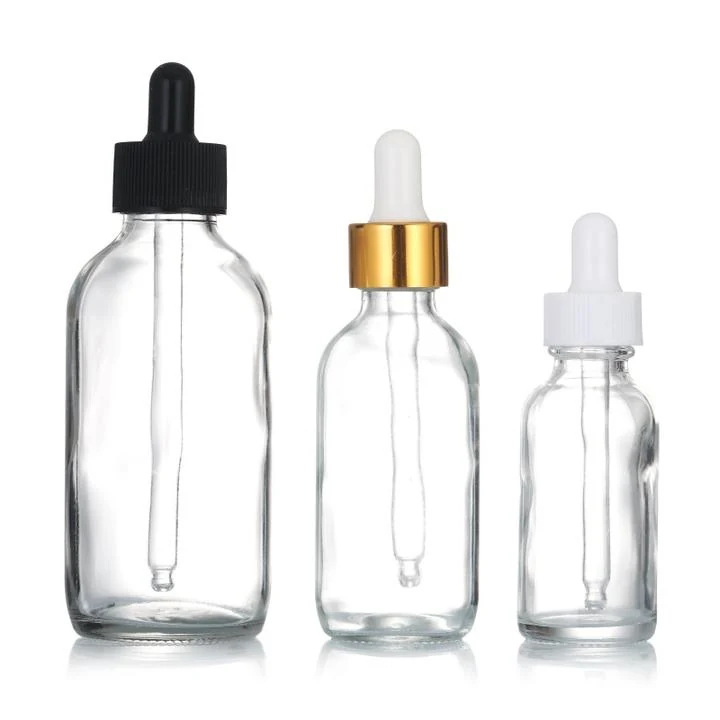
Royal Beer Company is the most prominent user and distributor of glass bottles within the Kingdom. Founded as a flagship brewery for the nation, they have established a sophisticated bottling line that handles thousands of units daily. They are based in Nuku'alofa and represent a major part of the local industrial heritage.
The company focuses on standardized amber and green glass bottles that protect their product from UV light. Their bottling operations are a model for other local businesses looking to scale their production. They have invested heavily in cleaning and refilling technologies to maximize the lifespan of each glass container they put into the market.
They primarily serve the hospitality and retail sectors across all the Tongan islands. Their technical innovation lies in their water-efficient bottle washing systems, which are crucial in an island environment with limited freshwater. They hold national quality certifications and are recognized for their commitment to local employment and industrial growth.
Tonga Recycling Association (TRA)
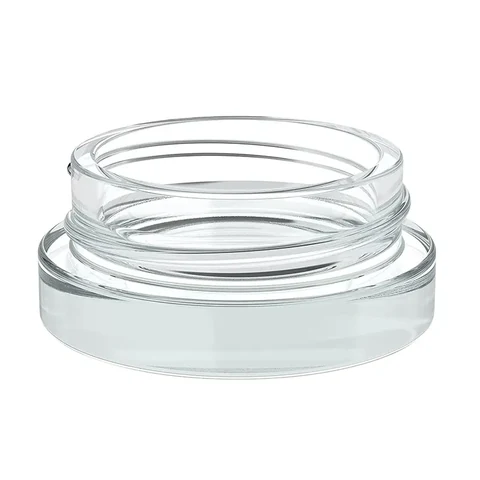
While not a "manufacturer" in the traditional sense, the Tonga Recycling Association is the backbone of the glass lifecycle in the country. This organization was formed to manage the vast amount of glass and plastic that enters the kingdom annually. They operate a central hub in Tongatapu where glass is collected, sorted, and prepared for its next phase.
They provide the vital service of "cullet" production, where glass is crushed into small pieces for use in other industries. This process is essential for companies that want to prove their environmental credentials. By working with TRA, businesses can ensure their glass bottles do not contribute to the pollution of the surrounding coral reefs.
The association serves the government, the construction industry, and international environmental partners. Their innovation is the "Okinawa Model" of recycling, which they adapted with help from Japanese experts to suit the specific needs of the Pacific. They have received several environmental awards and are a key part of Tonga's 2026 sustainability roadmap.
South Pacific Glass Distributors
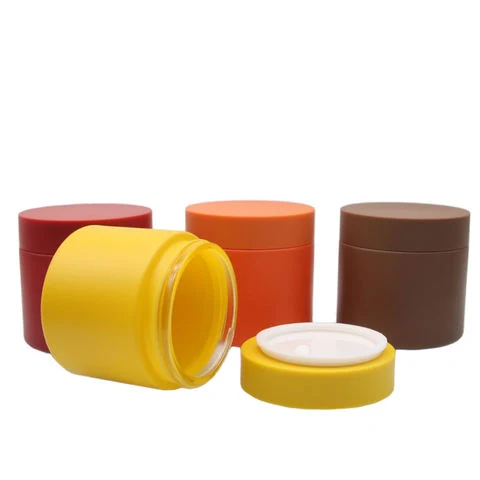
South Pacific Glass Distributors acts as the primary link between global glass factories and Tongan businesses. This company was established to simplify the complex task of importing heavy glassware into the region. They maintain a warehouse in the capital to ensure that local brands have access to stock without waiting for months on international shipments.
They offer a wide range of products, from 330ml beer bottles to high-end 750ml wine and spirit containers. Their catalog includes specialized jars for Tonga’s famous virgin coconut oil and organic honey. They are the go-to partner for small to medium-sized businesses that cannot afford to buy full containers of glass at once.
The company serves the food and beverage, cosmetic, and craft industries. Their technical highlight is their specialized packaging and crating system, which significantly reduces breakage during inter-island transit. They are known for their excellent logistics management and have become a trusted name in the regional supply chain.
Comparison of Glass Industry Leaders
| Company | Founded | Core Products | Industries | Certifications |
|---|---|---|---|---|
| Royal Beer Co. | 1987 | Beer & Soft Drink Bottles | Beverage, Tourism | National Food Safety |
| Tonga Recycling | 2018 | Glass Cullet & Crushed Glass | Construction, Gov | Eco-Pacific Award |
| SP Distributors | 2005 | Custom Jars & Bottles | Cosmetic, Food, Craft | Regional Trade Cert |
Part 3: Trade Shows and Industry Events
The Heilala Festival Trade Fair
The Heilala Festival is the most important cultural and commercial event in the Kingdom. During this time, a massive trade fair is held where local manufacturers and importers display their latest innovations. It is the perfect opportunity for glass suppliers to showcase new bottle designs to the general public and business owners.
The event takes place every July in Nuku'alofa and attracts visitors from across the Pacific region. It features a mix of traditional crafts and modern industrial products. For anyone in the packaging industry, it is the best time to see how consumers react to new glass shapes and styles.
South Pacific Business Development Expo
This expo focuses on the growth of small and medium enterprises in the Pacific islands. It is a key event for those involved in the supply of raw materials and packaging. Here, you can find the latest trends in sustainable glass and meet with distributors from Australia and New Zealand.
The expo usually occurs in the capital city and features workshops on export standards and packaging regulations. It is highly attended by entrepreneurs who are looking to take their local products to the global market. The focus is always on how to make island-based businesses more competitive and resilient.
| Event | Date | Location | Highlights |
|---|---|---|---|
| Heilala Trade Fair | July (Annual) | Nuku'alofa | Local Brand Showcases |
| SPBD Expo | Biennially | Tongatapu | SME Growth & Packaging |
Part 4: Impact of Global Trade Policies
Global trade policies are the invisible hand that guides the glass industry in Tonga. Because the country imports its raw glass materials, fluctuations in international shipping rates and fuel surcharges have a direct impact on the price of a single bottle. Recent trade agreements within the Pacific Islands Forum have helped to lower some of these costs by reducing tariffs on essential packaging.
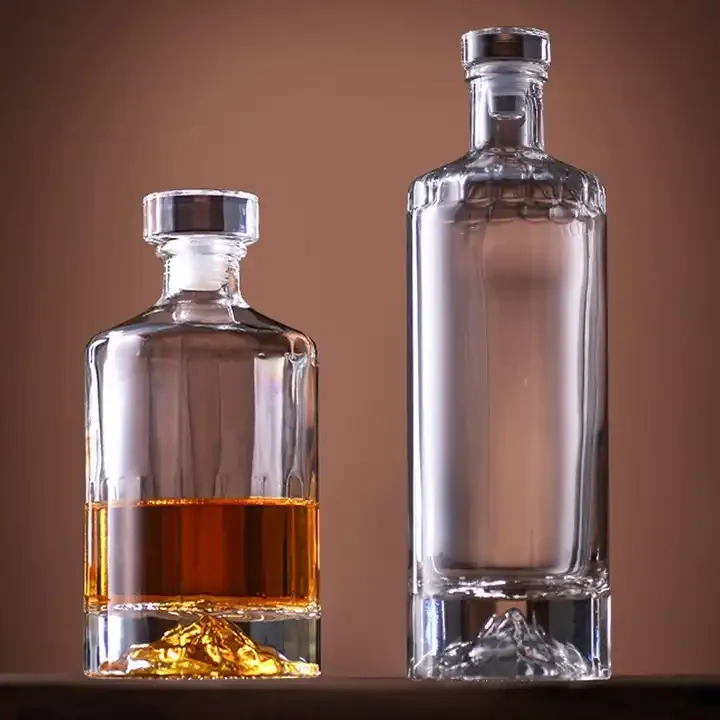
The push for a "Plastic-Free Pacific" is a major policy driver that is currently favoring the glass industry. As governments move to ban single-use plastics, glass has become the most viable alternative for high-quality liquids. This shift is not just about the environment; it is also about creating a more self-reliant economy that uses materials that can be recycled or repurposed locally.
However, international sanctions and global supply chain disruptions still pose a risk to the steady flow of goods. Tongan companies must be very strategic about their inventory levels and choose partners who have strong regional networks. I have noticed that businesses are now focusing more on "near-shoring" their supply, looking to Australia and Southeast Asia rather than relying on more distant markets.
Part 5: Conclusion
The future of the glass bottle industry in Tonga is tied to the nation's commitment to the environment. There is a massive opportunity for companies that can provide lightweight, durable glass that is easy to transport across the islands. As the local beverage and cosmetic sectors continue to mature, the demand for sophisticated and customized glass will only get stronger. I am optimistic that the current investments in recycling and local bottling will create a more sustainable and profitable industry for everyone involved.
At the same time, we must remain realistic about the challenges of operating in a small, isolated market. High energy costs and the logistical difficulty of shipping heavy glass remain significant hurdles for any new business. The key to success in Tonga will be collaboration between the government, the private sector, and international partners. If we can continue to innovate and reduce the costs of the glass lifecycle, the Kingdom will serve as a model for other island nations in the Pacific.