Skip to content
Part 1: Market Size and Growth
The glass bottle industry in Yemen is currently navigating a complex period of transformation and recovery. Despite the ongoing regional challenges, the demand for glass packaging remains surprisingly steady across several essential sectors. Local food production and the beverage industry continue to drive the need for reliable containers that can preserve goods in a hot climate. Most businesses are looking for ways to reduce their reliance on expensive imports by supporting domestic manufacturing efforts.

Currently, the market size is heavily influenced by the consumption of soft drinks, juices, and mineral water. Glass is often preferred over plastic in Yemen for premium honey products and traditional medicine, which are major export goods for the country. Small to medium enterprises are increasingly seeking glass bottles that offer better hygiene and a longer shelf life for their products. This shift toward sustainable packaging is slowly gaining momentum as global awareness reaches local markets.
The growth of this sector is closely tied to local investment initiatives and the rebuilding of industrial clusters in safer zones. International trade agreements and regional aid programs have started to focus on revitalizing the manufacturing base to create jobs. While the infrastructure still needs significant improvement, the presence of raw materials like high-quality silica sand within the country provides a strong foundation for future expansion. Many local players are now looking to upgrade their machinery to meet international quality standards and compete with regional neighbors.
Detailed Market Segmentation Analysis
To understand the Yemeni glass market, we must look at where the products actually go. The largest portion of the market is held by the beverage sector, followed by the pharmaceutical and food processing industries. Each of these segments requires specific types of glass, ranging from soda-lime flint glass to amber glass for light-sensitive liquids.
| Industry Segment | Primary Product Type | Growth Potential | Main Driver |
|---|---|---|---|
| Beverage | Soda & Juice Bottles | Moderate | Population Growth |
| Food | Honey & Jam Jars | High | Export Demand |
| Pharmaceutical | Medicine Vials | Steady | Healthcare Needs |
| Cosmetics | Perfume Bottles | Low | Luxury Consumption |
The Role of Raw Materials and Energy
Manufacturing glass is an energy-intensive process that requires a stable supply of fuel and raw materials. Yemen has an advantage because it possesses natural deposits of sand and limestone, which are essential for glass production. However, the high cost of energy and logistics often offsets these benefits. Manufacturers are trying to find a balance by implementing more efficient furnace designs and recycling scrap glass to lower their production costs.
Part 2: Leading Companies
The landscape of glass manufacturing in Yemen consists of a few established players and several distributors that are transitioning into production. These companies are the backbone of the local supply chain for the food and beverage sectors.
Yemen Glass Manufacturing Co.

Yemen Glass Manufacturing Co. was established in the late 1990s and is located in the industrial outskirts of Sana'a. It began as a small operation focused on simple glass jars but has since expanded its reach significantly. The company was founded to provide local farmers and honey producers with affordable packaging options that did not require shipping from overseas. Over the last two decades, it has become a primary supplier for the domestic market.
The company produces a wide range of flint glass bottles and wide-mouth jars. Their product line includes containers for juices, soft drinks, and the famous Yemeni sidr honey. They offer various sizes ranging from 100ml to 1000ml to cater to different customer needs. Instead of just selling standard shapes, they provide some level of customization for local brands that want a unique look for their products.
They mainly serve the food and beverage industry along with the local pharmaceutical sector. Their bottles are widely used by small-scale factories that bottle water and traditional condiments. By focusing on the domestic market, they have built a reputation for reliability and quick turnaround times. Their logistics network covers most of the major cities, ensuring that even remote producers can access quality glass packaging.
In terms of innovation, they have recently started exploring lightweight glass technology to reduce shipping weights and costs. This move is intended to make their products more competitive against imported plastic alternatives. They use semi-automated production lines that allow for consistent quality control across large batches. The company holds local quality certifications and is working toward ISO standards to facilitate future exports to neighboring Gulf countries.
Al-Amal Glass & Mirror Factory
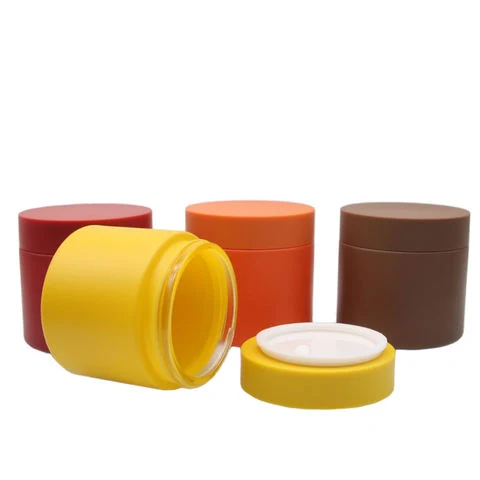
Al-Amal Glass & Mirror Factory is based in Aden and has been operating for over fifteen years. While they initially focused on architectural glass and mirrors, they have diversified into specialized glass container production. The strategic location near the port has allowed them to access global technology and raw materials more easily than inland competitors. This background in diverse glass types gives them a unique technical edge in the local market.
Their product catalog features high-clarity glass bottles designed for the cosmetic and perfume industries. They also produce sturdy glass containers for the catering and hotel sectors in the southern regions. The company emphasizes the aesthetic quality of their glass, ensuring that every bottle has a smooth finish and high transparency. They provide both clear and tinted glass options depending on the specific requirements of the client.
The primary service industries for Al-Amal include the hospitality sector and the growing local beauty industry. They are a favorite among boutique oil and perfume makers who require small, high-quality vials. Their ability to handle smaller order quantities makes them an ideal partner for startups and craft producers. They also supply glass components for lighting fixtures and decorative home items.
Technologically, the factory uses modern melting furnaces that are more environmentally friendly than older models. They have invested in precision cutting and polishing equipment to ensure that their glass products meet strict dimensional tolerances. This focus on detail has earned them several local awards for industrial excellence. They are currently seeking international partnerships to bring advanced coating technologies to their production facility.
National Glass & Plastic Industries
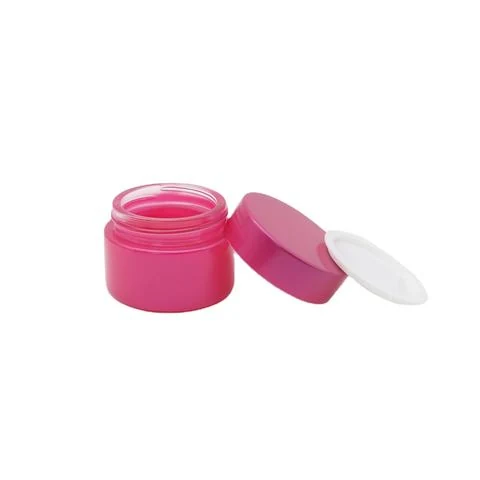
National Glass & Plastic Industries is a large-scale conglomerate that operates multiple facilities across Yemen. Founded over 25 years ago, the company was created to modernize the packaging industry in the region. They have grown into a massive enterprise that handles everything from raw material processing to final product distribution. Their presence is felt in almost every grocery store and pharmacy in the country.
They offer a massive variety of glass packaging, including heavy-duty bottles for the carbonated drink industry and specialized vials for medical use. Their glass is known for its durability and resistance to thermal shock, which is vital in Yemen's varied climate. They manage large-scale OEM projects for international brands that distribute products within the local market. Their service is comprehensive, covering design, manufacturing, and labeling.
The company serves the largest beverage bottling plants and major pharmaceutical distributors in the country. Because they operate at such a high volume, they can offer competitive pricing that few others can match. They are the primary choice for industrial-scale operations that need millions of units per year. Their distribution network is the most extensive in the industry, reaching across borders into East Africa.
Innovation at National Glass is focused on automation and high-speed production. They utilize fully automated forming machines that can produce thousands of bottles per hour with minimal human intervention. They have an in-house laboratory for testing glass strength and chemical resistance. Their commitment to quality is backed by multiple international certifications, including ISO 9001, making them a trusted partner for global corporations.
Comparative Analysis of Leading Manufacturers
When choosing a supplier, it is helpful to see how these companies compare in terms of their focus and scale. The following table summarizes the key aspects of the top glass manufacturers in Yemen.
| Company | Founded | Core Products | Industries | Certifications |
|---|---|---|---|---|
| Yemen Glass Mfg | 1998 | Honey Jars, Juice Bottles | Food & Beverage | Local Quality Std |
| Al-Amal Glass | 2008 | Perfume Vials, Mirrors | Cosmetics & Decor | Industrial Excellence |
| National Glass | 1996 | Soda Bottles, Pharma Vials | Industrial Beverage | ISO 9001, HACCP |
Part 3: Trade Shows and Industry Events
Trade shows play a vital role in connecting Yemeni manufacturers with international technology providers and regional buyers. These events are the primary platforms for showcasing new designs and networking with potential distributors.
Yemen International Food & Packaging Expo
The Yemen International Food & Packaging Expo is the most significant event for the glass container industry in the country. It brings together manufacturers, suppliers of raw materials, and food production companies under one roof. The event serves as a hub for discussing the latest trends in sustainable packaging and food safety. Many local glass factories use this show to launch their new bottle designs to the public.
The event usually takes place annually in Sana'a or Aden, depending on the current regional situation. It attracts hundreds of exhibitors from across the Middle East and East Africa, along with thousands of professional visitors. Attendees include procurement managers from major bottling plants and small business owners looking for packaging solutions. The atmosphere is highly professional and focused on building long-term trade relationships.
Highlights of the expo include live demonstrations of packaging machinery and seminars on modern manufacturing techniques. There are often dedicated zones for innovative packaging materials where glass manufacturers can showcase their eco-friendly initiatives. The event also provides a space for government officials to discuss new industrial policies and investment opportunities. It is the best place to see the future of the Yemeni manufacturing sector in person.
The Gulf Glass Exhibition
While not held within Yemen, the Gulf Glass Exhibition in neighboring Dubai is a crucial event for Yemeni glass manufacturers. It is the largest specialized glass trade show in the region and provides access to global technology that is not yet available domestically. Yemeni business owners often travel to this event to meet with furnace manufacturers and mold suppliers from Europe and Asia.
This massive event occurs every two years and attracts exhibitors from over 30 countries. It covers every aspect of the glass industry, from flat glass for buildings to container glass for liquids. For Yemeni companies, it is a vital source of inspiration and a place to find technical partners for facility upgrades. The scale of the event allows for deep networking with the world's leading glass experts.
The main highlights include workshops on energy efficiency in glass melting and the latest digital printing technologies for glass bottles. Yemeni delegates often focus on finding affordable automation solutions that can be implemented in their local factories. The exhibition also features a "Glass Performance Days" forum where technical papers on glass science are presented. It is an essential event for any company that wants to remain competitive on an international level.

Event Summary Table
| Event | Date | Location | Highlights |
|---|---|---|---|
| Food & Packaging Expo | Annual | Sana'a/Aden | Local networking, food safety |
| Gulf Glass | Biennial | Dubai, UAE | Global tech, automation, energy |
Part 4: Impact of Global Trade Policies
Global trade policies and regional stability have a profound impact on the glass manufacturing sector in Yemen. Trade restrictions and changes in import duties can significantly alter the cost of raw materials and machinery. Because the industry relies on specialized parts from abroad, any disruption in international shipping routes directly affects production schedules. However, these challenges have also pushed the industry toward greater self-sufficiency.

Local manufacturers are increasingly focusing on "import substitution" to protect themselves from currency fluctuations and high transport costs. By producing more glass locally, they help the country reduce its trade deficit and create stable jobs for the community. Governments in the region are starting to recognize this and are offering incentives for factories that use local raw materials. This shift is creating a more resilient supply chain that is less vulnerable to external shocks.
International competition remains a major factor, as cheap glass products from larger industrial nations often flood the market. To survive, Yemeni manufacturers must focus on their proximity to the customer and their ability to provide flexible, small-batch orders. Trade agreements within the Arab League can provide some protection and easier access to neighboring markets. The future success of the industry depends on how well it can adapt to these global economic shifts while maintaining high quality.
Part 5: Conclusion
The glass bottle manufacturing industry in Yemen shows remarkable resilience and potential for future growth. There are significant opportunities for companies that can provide high-quality, sustainable packaging for the food and beverage sectors. As local brands look to expand their exports of honey and traditional goods, the demand for premium glass containers will only increase. For investors and partners, the market offers a chance to be part of a rebuilding process that prioritizes local production and industrial modernization.
However, the industry must also face serious challenges, including high energy costs and a need for more skilled labor. The aging infrastructure in some regions makes it difficult to maintain consistent quality and meet high-volume demands. Political instability remains a risk that can disrupt supply chains and deter long-term investment. Despite these hurdles, the steady demand for essential glass packaging ensures that the industry will continue to be a vital part of Yemen's economic landscape.```