Skip to content
Part 1: Market Size and Growth
The glass bottle industry in Zambia is growing fast because more people want cold drinks and beer. Local factories are trying to keep up with the demand from beverage companies that used to buy bottles from other countries. Urban areas are seeing a big change in how people buy liquid products. This shift creates a massive need for strong and safe glass packaging across the country.
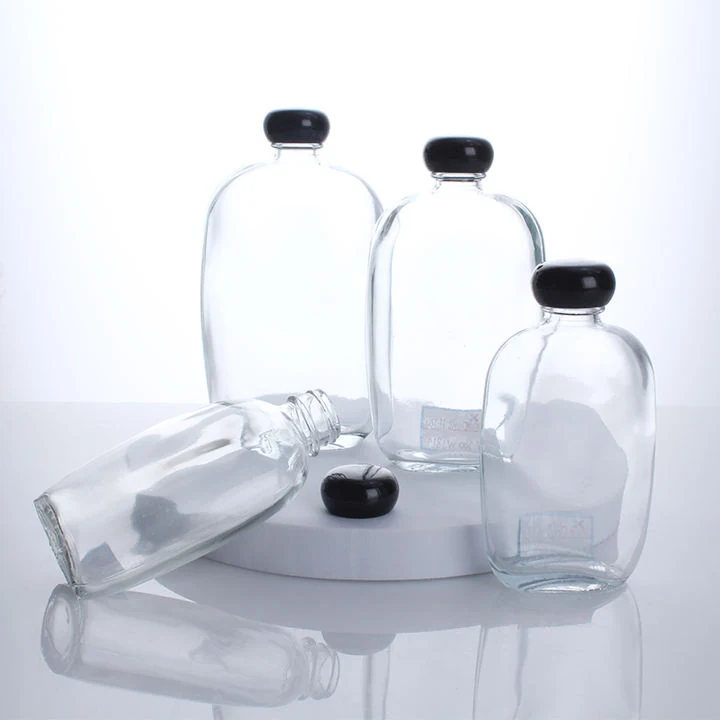
The market size is expanding as the food and pharma sectors look for better ways to store their goods. Glass is becoming the favorite choice because it is easy to recycle and keeps the taste of drinks fresh for a long time. Many small businesses in Zambia now prefer glass over plastic to look more professional. This trend helps local glass makers plan for bigger production lines in the coming years.
Government policies now encourage building more factories inside Zambia to reduce imports from South Africa. Investors are putting money into the manufacturing sector because Zambia has the raw materials like silica sand. New industrial zones make it easier for glass plants to get electricity and transport their goods. These clusters of factories help the whole supply chain move faster and cost less.
Deep Dive into the Zambian Glass Market
The demand for glass in Zambia is not just about soda or beer anymore. We see a huge rise in the use of glass for honey, cooking oil, and even traditional medicines. Many local entrepreneurs are starting their own brands and they need custom bottles to stand out. When a brand uses glass, consumers feel the product is of higher quality. This psychological factor drives the sales of glass bottles even when they cost a bit more than plastic.
Zambia is also a gateway to other neighboring countries like the DRC and Malawi. This means a factory in Zambia can sell to millions of people across the borders. The logistics industry is improving, making it cheaper to ship heavy glass crates over long distances. Exporting glass bottles is becoming a key part of the national trade strategy. Companies that set up shops here are looking at the whole regional market, not just the local city.
| Factor | Impact Level | Description |
|---|---|---|
| Beverage Demand | High | Growing soda and beer consumption needs more bottles. |
| Sustainability | Medium | People want to move away from single-use plastics. |
| Export Potential | High | Zambia can supply glass to DRC and Malawi easily. |
| Raw Materials | High | Local availability of silica sand reduces costs. |
The technology used in Zambian glass plants is also getting an upgrade. Old machines are being replaced by automated systems that can make thousands of bottles per hour. Automation helps reduce the number of broken bottles during the cooling process. This efficiency is vital for keeping prices low for the end user. As we look at the future, the integration of green energy like solar power into these factories will be a game changer for the environment.
Part 2: Leading Companies
Kapiri Glass Manufacturing
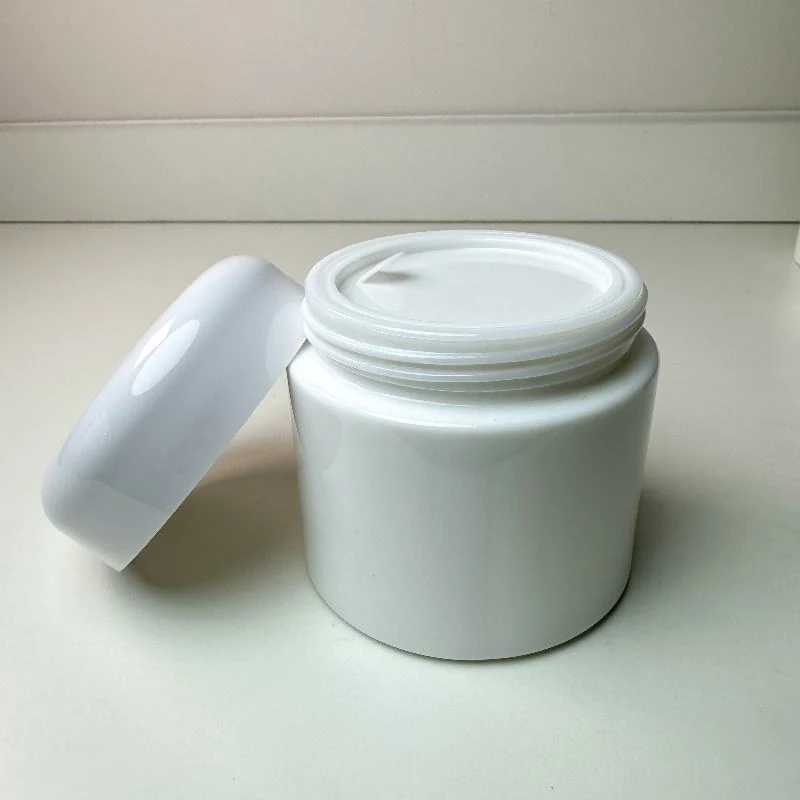
Kapiri Glass is one of the most famous names in the history of Zambian industry. It is located in the town of Kapiri Mposhi, which is a major transport hub for the country. The factory was built to take advantage of the local high-quality sand found in the area. This company has deep roots in the community and provides many local jobs. It has gone through different ownership stages but remains a symbol of Zambian making.
They produce a wide range of flint and amber glass bottles for the beverage industry. Their main products include beer bottles and soda bottles that are used by the biggest bottling plants in Africa. The glass they make is known for being very thick and durable for reuse. This makes their bottles perfect for the "returnable bottle" system used by many drink brands. They also make smaller jars for food storage and preservation.
The primary industries served by Kapiri Glass are the alcoholic beverage and soft drink sectors. They work closely with large international brands that have branches in Zambia. Their products are essential for the local supply chain of the brewing industry. Because of their location, they can easily send products by rail or road to Lusaka and the Copperbelt. This geographic advantage helps them stay competitive against imported glass.
The technical focus here is on improving the melting process to save energy and reduce waste. They use modern furnaces that can handle high heat and produce very clear glass. Innovation at this plant involves finding ways to use more recycled glass in the mix. This reduces the need for new sand and lowers the carbon footprint of every bottle. They hold several national quality certifications that prove their glass is safe for food and drinks.
Zambian Breweries (Internal Glass Support)
While primarily a beer producer, Zambian Breweries plays a huge role in the glass bottle ecosystem. They are part of a large global group and have been operating in Zambia for decades. They invest heavily in the lifecycle of the glass bottles they use every day. Their influence helps shape how glass is collected and reused across the entire country. They act as a major coordinator for glass manufacturing requirements.
Their service involves managing a massive fleet of returnable glass bottles that circulate through the market. They do not just buy bottles; they design them to be lighter and stronger. Using lighter glass helps reduce transport costs and fuel usage. They also work with manufacturers to ensure the bottle necks fit perfectly with modern capping machines. This technical cooperation ensures that the production line never stops moving.
They serve the hospitality, retail, and entertainment industries across every province in Zambia. Their bottles are found in the smallest village shops and the largest city hotels. The scale of their operations makes them the largest consumer of glass in the region. By demanding high standards, they force the manufacturers to improve their quality every year. They are a driving force for industrial standards in the packaging world.
Innovation for them means creating a "circular economy" where no bottle is ever thrown away. They have setup collection points to bring back old glass to be cleaned or crushed for new production. Their focus on sustainability has earned them awards for environmental leadership. They follow international standards for safety and corporate responsibility. This makes them a key partner for any glass factory looking to enter the Zambian market.
South African Glass Imports (Regional Suppliers)
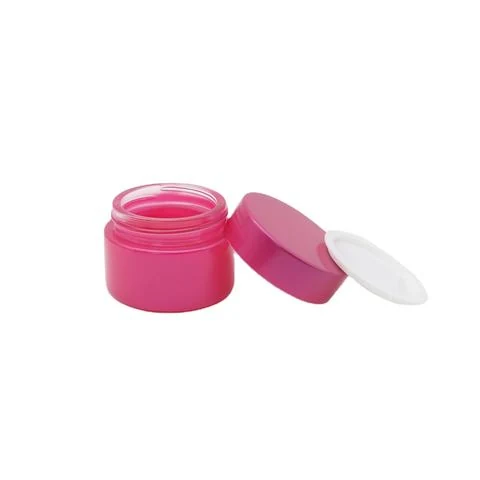
Many businesses in Zambia still rely on large suppliers based in South Africa for specialized glass needs. These companies have established offices and warehouses in Lusaka to serve the local market quickly. They bridge the gap when local production cannot meet specific design needs. They provide a very wide variety of shapes and colors that are not yet made locally. This variety is very important for premium brands.
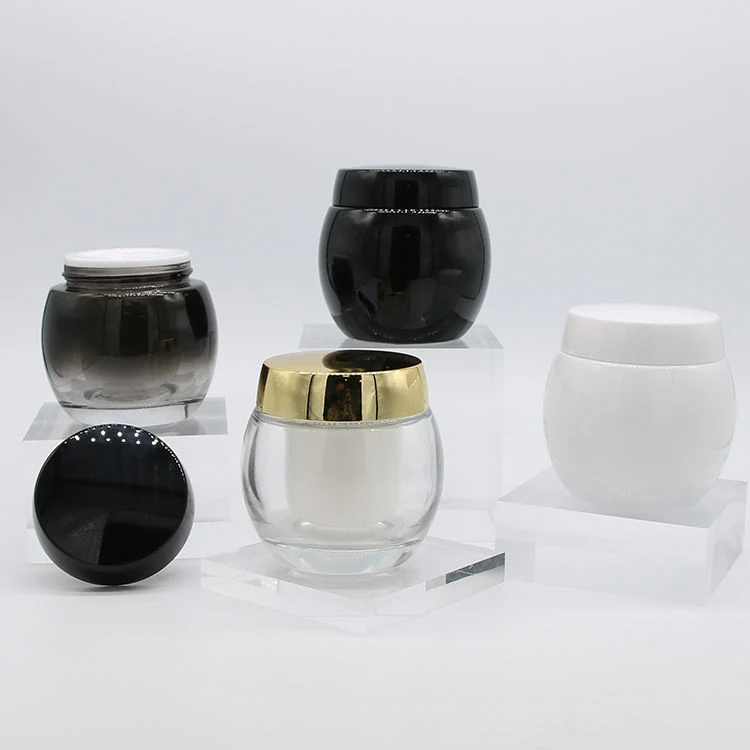
They offer everything from high-end wine bottles to small pharmaceutical vials and cosmetic jars. Their product range is much wider than what is currently manufactured inside Zambia. Specialized glass like cobalt blue or deep green is often sourced through these channels. They also provide custom printing and labeling services on the glass. This allows a Zambian company to get a "ready-to-fill" product delivered to their door.
These suppliers serve the pharmaceutical, cosmetic, and premium food industries primarily. Local honey producers or hot sauce makers often use these suppliers for unique packaging. Having access to international designs helps Zambian products compete on the global stage. It allows local brands to look just as good as imported ones. The service is fast because they keep large stocks in local Zambian warehouses.
The technical highlight of these suppliers is their advanced quality control systems. Every bottle is checked by lasers for cracks or uneven glass thickness. They ensure that every batch of bottles is identical in size and weight. This consistency is crucial for automated filling lines that might jam if a bottle is slightly off. They carry international certifications like ISO, which are recognized by global health organizations.
Comparison of Leading Glass Suppliers
| Company | Founded | Core Products | Industries | Certifications |
|---|---|---|---|---|
| Kapiri Glass | 1960s | Beer & Soda Bottles | Beverages, Food | ZABS (Zambian Standard) |
| Zambian Breweries | 1968 | Returnable Glass | Beverages, Retail | ISO 14001, Global Safety |
| Regional Suppliers | Various | Specialty & Pharma Glass | Pharma, Cosmetics | ISO 9001, Food Grade |
Part 3: Trade Shows and Industry Events
The Zambia International Trade Fair (ZITF) is the biggest event where glass makers show their products. It happens every year in Ndola and attracts people from all over Africa. Manufacturers use this time to meet new wholesalers and sign big contracts. You can see the latest bottle designs and talk to the engineers who make them. It is a great place to learn about the future of Zambian industry.
The event usually takes place in late June or early July and lasts for about a week. It hosts thousands of visitors, including government officials and international investors. The atmosphere is very busy and full of energy for new business deals. 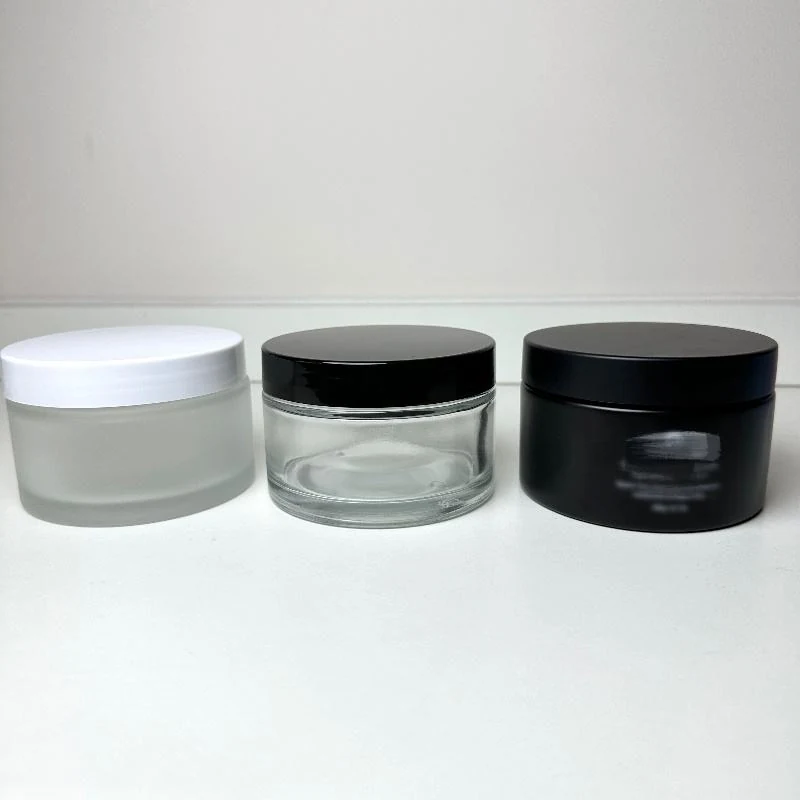
Exhibitors show off their best work to win the "Best Manufacturer" awards. It is the perfect spot for networking with transport companies and raw material suppliers too.
The CAMINEX show is another important event focused on the mining and agriculture sectors. While it seems unrelated, many glass companies attend to find industrial partners. Glass is used in labs and for specialized storage in the mining fields. The event is held in Kitwe, which is the heart of the industrial region of Zambia. It brings together the people who run the biggest operations in the country.
This show usually happens in June and focuses on heavy industry and logistics. Many chemical companies that need glass containers visit this event to find suppliers. The highlights include live demonstrations of new machinery and safety equipment. 
It is a more technical show compared to the general trade fair. If you want to see how glass fits into the bigger industrial picture, this is the place to be.
Summary of Industry Events
| Event | Date | Location | Highlights |
|---|---|---|---|
| ZITF | July (Annual) | Ndola | Largest trade fair, networking, awards |
| CAMINEX | June (Annual) | Kitwe | Industrial glass, mining, B2B meetings |
Part 4: Impact of Global Trade Policies
Global trade policies have a massive impact on how glass is made and sold in Zambia. When international oil prices go up, the cost of running glass furnaces also increases. New trade agreements between African nations are making it easier to sell Zambian glass abroad. This means local factories can now target millions of new customers without paying high taxes. It encourages more companies to build plants in Zambia instead of elsewhere.

However, sanctions or trade wars in other parts of the world can hurt the supply of machine parts. Most glass-making machines come from Europe or Asia, so any tension there can delay repairs in Zambia. Local companies are now trying to make more spare parts inside the country to be safe. This "local substitution" is a big trend because it makes the industry more stable. It also creates more specialized jobs for Zambian engineers and mechanics.
Part 5: Conclusion
The glass bottle industry in Zambia has a very bright future with many opportunities. As the middle class grows, people will buy more bottled drinks and luxury items in glass jars. The move away from plastic is a huge chance for glass makers to win more market share. If factories can keep their costs low and quality high, they will thrive. Investing in modern technology will be the key to staying ahead of the competition.
On the other hand, there are risks like high electricity costs and unstable exchange rates. If the local currency loses value, importing raw materials or machines becomes very expensive. Competition from cheap plastic packaging still remains a challenge for some small brands. Companies must stay flexible and find ways to be more efficient every day. Managing these risks well will decide who leads the market in the next ten years.